
Sight · Nepal
Hanuman Dhoka Durbar Square
Hanuman Dhoka Durbar Square is Kathmandu’s former royal precinct in the old-city Basantapur quarter. Its palace courtyards, shrines and timber temples form one of the Kathmandu Valley’s UNESCO monument zones.
Orientation
Hanuman Dhoka Durbar Square—also called Kathmandu Durbar Square or Basantapur Durbar—is the historic royal centre of Kathmandu. The ensemble developed over centuries under Malla and Shah rulers; the palace served as a royal and administrative seat. It remains an active religious precinct, not a sealed museum.
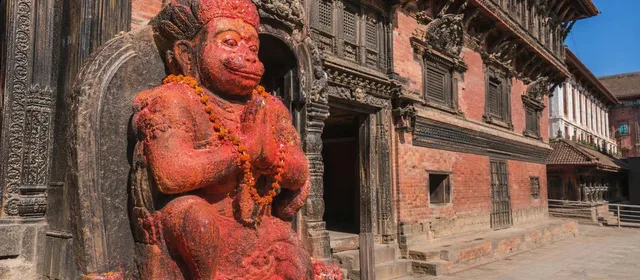
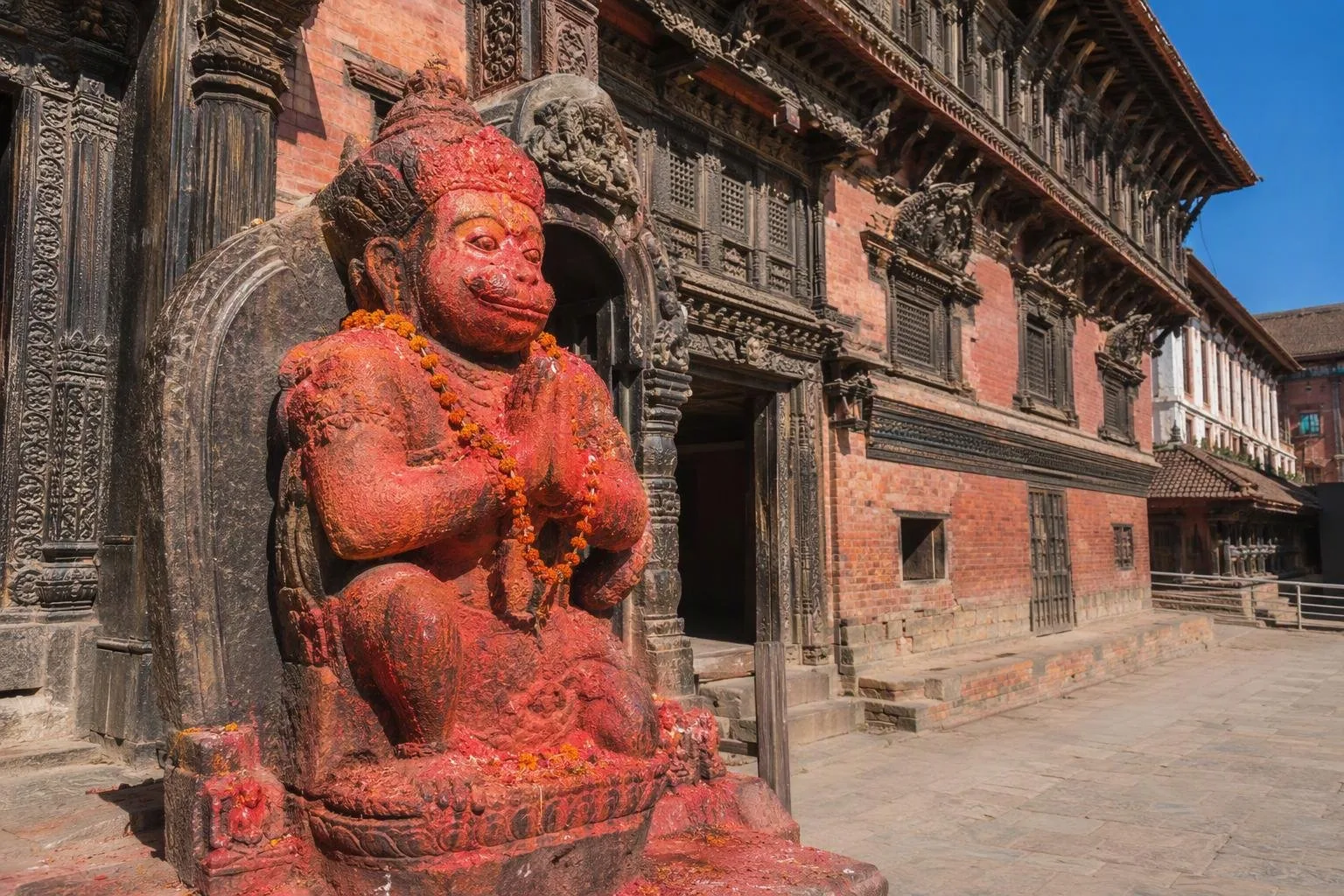
The name comes from the stone Hanuman at the palace entrance: dhoka means gate. Start there, then work slowly through the square rather than trying to identify every shrine at once.
What to see
Hanuman Dhoka Palace. Enter the former palace complex for Nasal Chowk, a courtyard used for royal coronations. Palace rooms now contain the Tribhuvan and Mahendra museum collections, including royal belongings, paintings and ceremonial objects.
Taleju Temple. The tall, tiered temple dedicated to Taleju Bhawani dominates the palace side of the square. Built in 1549, it is normally closed; public entry is limited to one day during Dashain.
Kumari Ghar. This 17th-century, wood-carved residence is home to Kathmandu’s Kumari, the Living Goddess. The courtyard is the place to appreciate its dark timber windows and carved façade.
Jagannath Temple and Kal Bhairav. Look closely at the Jagannath Temple’s carved wooden struts. Nearby, Kal Bhairav is a large 17th-century stone image representing Shiva’s fierce aspect.
Read the architecture
This is a concentrated lesson in Newar craftsmanship: red brick walls, tiled pagoda roofs, carved struts, latticed windows and gilded roof finials. The palace is divided between outer temple spaces and inner courtyards. Pause at doorframes and roof supports; much of the fine work is above eye level.
The 2015 earthquake severely damaged parts of the monument zone. Reconstruction and conservation have restored major structures, but occasional scaffolding or restricted areas are part of the site’s continuing care.
Access and timing
The square is in central old Kathmandu, reached on foot through Basantapur’s lanes. Allow two to three hours for the square and palace museums.
Admission. The Kathmandu Durbar Square ticket includes the Tribhuvan Museum. Foreign nationals pay NPR 1,000; SAARC and BIMSTEC nationals pay NPR 500; children under 10 enter free.
Museum hours. The Hanuman Dhoka museum is open 09:00–17:00, with ticket sales until 16:30. Visit earlier if the museum is a priority.
Respectful visiting
Dress modestly around shrines and do not cross ritual barriers. Remove shoes where required before entering religious interiors. Photography of the Kumari is not permitted; keep cameras down if she appears. The stone paving and temple steps can be uneven, especially near restoration work.
From the magazine
Stories about Hanuman Dhoka Durbar Square
Editorial stories linked directly to Hanuman Dhoka Durbar Square.
No stories about Hanuman Dhoka Durbar Square have been published yet.
Routes from our editors
Travel through Hanuman Dhoka Durbar Square
Editorial routes connecting Hanuman Dhoka Durbar Square with other countries, cities and hotspots.
No routes through Hanuman Dhoka Durbar Square have been published yet.
More in Nepal
Related hotspots
Other cities, nature areas and places within Nepal.
Durbar Square, Kathmandu
3 linked stories and routes
Kathmandu
2 linked stories and routes
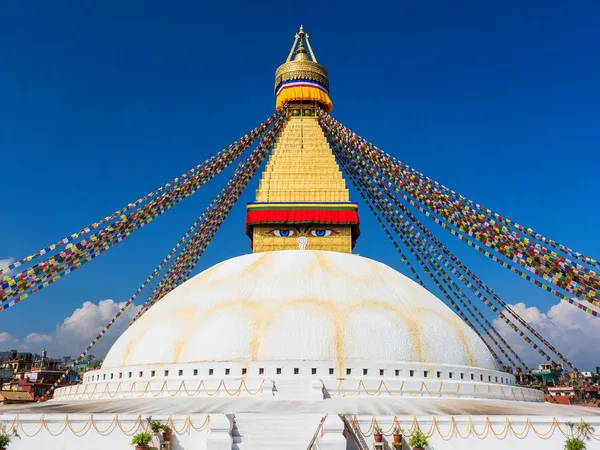
Boudhanath
1 linked stories and routes
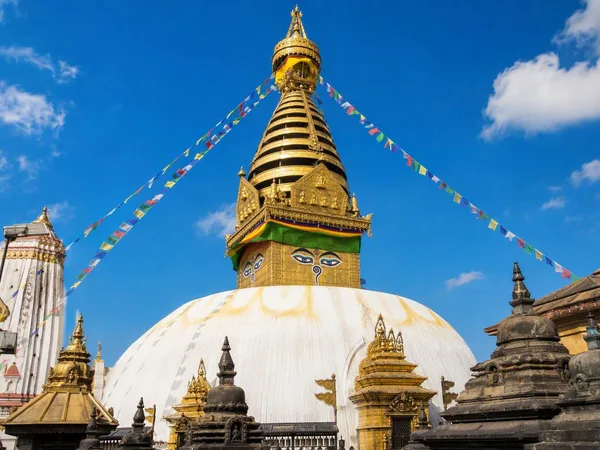
Swayambhunath Stupa
1 linked stories and routes
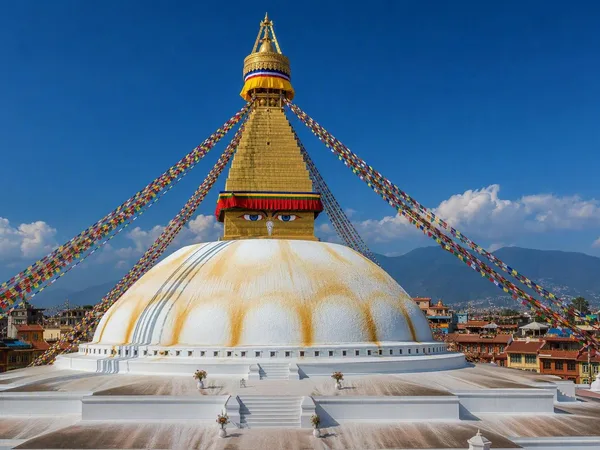
Kathmandu Valley
1 linked stories and routes
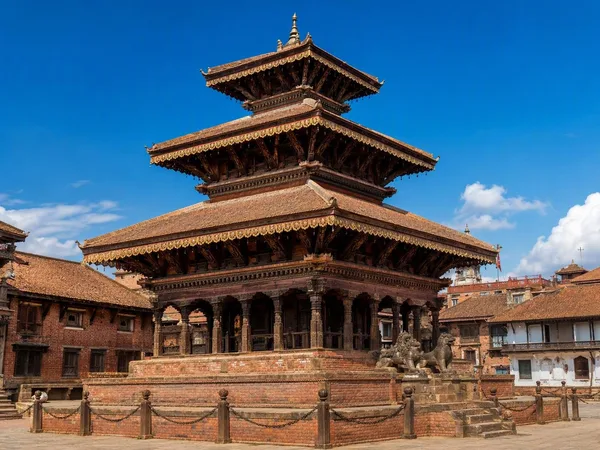
Kasthamandap
1 linked stories and routes
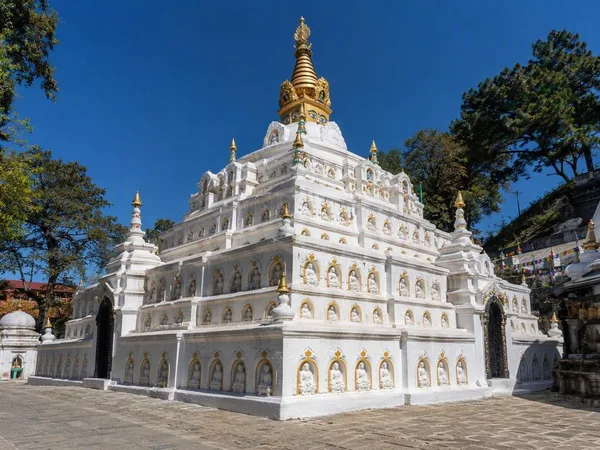
Mangal Bahudwar (Tashi Gomang Stupa)
1 linked stories and routes