City · Nepal
Kathmandu
Kathmandu is Nepal’s capital in the Kathmandu Valley, where Newar palace architecture, Buddhist stupas and Hindu temple precincts remain part of daily urban life.
Start with the old city
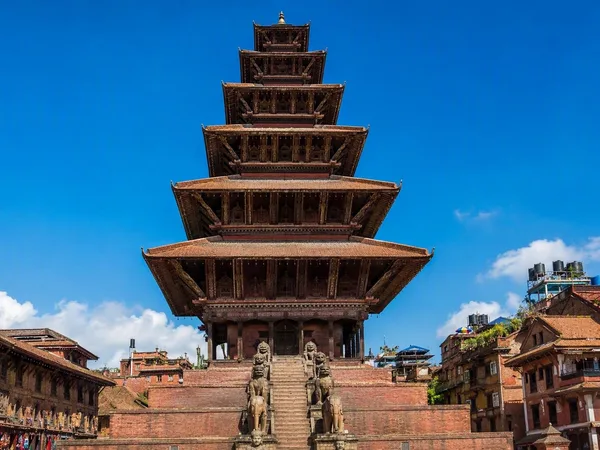
Kathmandu is best understood on foot in fragments rather than as one grand boulevard. The old city runs south and east of Thamel through lanes, courtyards and market squares, with Kathmandu Durbar Square at its historic core. Its Hanuman Dhoka palace complex, pagoda temples and carved timber façades form one of the Kathmandu Valley’s World Heritage monument zones.
Foreign visitors pay NPR 1,000 for the Durbar Square heritage complex. Go early for room to examine the wood carving and palace courtyards, then continue through the surrounding old town rather than retreating straight to Thamel.
Markets, food and neighbourhoods
Walk between Durbar Square, Asan and Indra Chowk for the city’s most useful introduction to street-level Kathmandu. These are working market lanes: spices, dried goods, brassware, beads and everyday groceries share space with shrines and small temples. Motorbikes use the same narrow routes, so keep to the side and cross deliberately.
Thamel is the practical base for hotels, trekking supplies, restaurants and money-changing. It is useful, not representative of the whole city. For a more local rhythm, spend time in the old-city lanes; for Tibetan Buddhist life, head east to Boudha.
Try Newar dishes such as bara (lentil pancake), chatamari (rice-flour flatbread) and yomari (a sweet steamed dumpling), alongside momo and dal bhat. Ask about ingredients: buff means buffalo.
Four essential sacred sites
Give each major site its own time rather than trying to rush all four in a morning.
- Kathmandu Durbar Square: royal courtyards, temples and the Kumari Ghar, residence of Kathmandu’s Living Goddess.
- Swayambhunath: a hilltop stupa west of the centre, reached by a steep stairway and known for its city-wide valley view. Keep food and loose items secure around the resident monkeys.
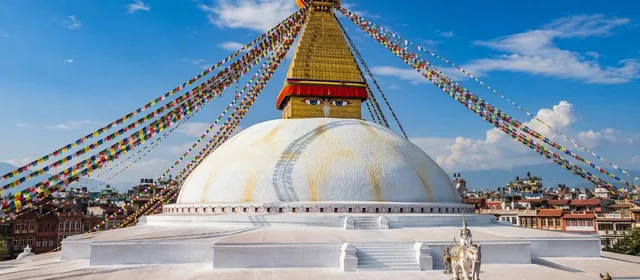
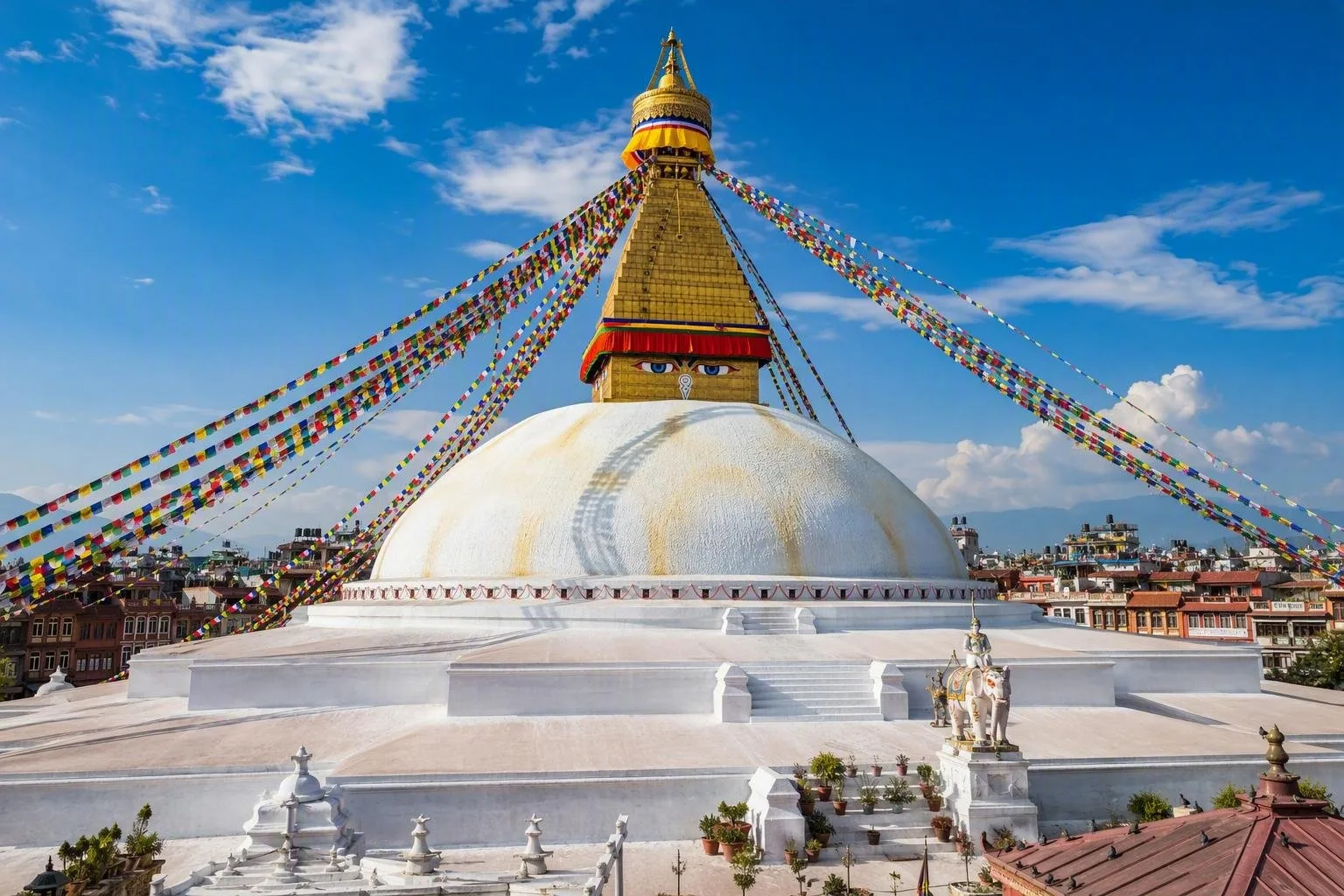
- Boudhanath: the vast white stupa in the east, ringed by monasteries and prayer wheels. Follow the clockwise flow around the base.
- Pashupatinath: an extensive Shiva temple precinct on the Bagmati River. Non-Hindus cannot enter the main temple; the wider grounds and riverside ghats are accessible.
At Pashupatinath, cremations are funerals, not a photo opportunity. Observe quietly and do not photograph pyres.
Timing and getting around
Clearer mornings suit Swayambhunath’s outlook; dawn or late afternoon works well at Boudhanath. Plan Boudhanath and Pashupatinath together on the eastern side of the city, and Durbar Square with Asan and Thamel in the centre and west. Traffic can make short map distances slow by vehicle, so leave slack between appointments.
Walking is the most effective way to cover the old city. Use taxis or ride-hailing for longer cross-city moves, and agree the fare or use the app before leaving. Dress modestly at temples, remove shoes where required and carry Nepali rupees for tickets and small purchases.
From the magazine
Stories about Kathmandu
Editorial stories linked directly to Kathmandu.
No stories about Kathmandu have been published yet.
Routes from our editors
Travel through Kathmandu
Editorial routes connecting Kathmandu with other countries, cities and hotspots.
No routes through Kathmandu have been published yet.
More in Nepal
Related hotspots
Other cities, nature areas and places within Nepal.