
Region · Nepal
Kathmandu Valley
Kathmandu Valley in central Nepal brings together the historic cities of Kathmandu, Patan and Bhaktapur and seven World Heritage monument zones. It is the essential reference for Newar urbanism, Buddhist stupas and Hindu temple precincts.
The valley at a glance
Kathmandu Valley is a cultural region in the Himalayan foothills, centred on the old cities of Kathmandu, Patan and Bhaktapur. Its World Heritage property was inscribed in 1979 as one serial site of seven monument zones, rather than as one enclosed complex.
The three former Malla-era city states hold the Durbar Squares of Hanuman Dhoka in Kathmandu, Patan and Bhaktapur. Four religious ensembles complete the group: Swayambhu, Bauddhanath, Pashupati and Changu Narayan. Together they show the long coexistence of Hindu and Buddhist traditions and the craft culture of the Newars.
Read the architecture
Look past individual shrines and read the construction. Valley pagodas combine fired brick, mud mortar and timber frames, with small overlapping terracotta roof tiles and gilded brass details. Carved windows, doorways and roof struts are structural elements as well as religious imagery.
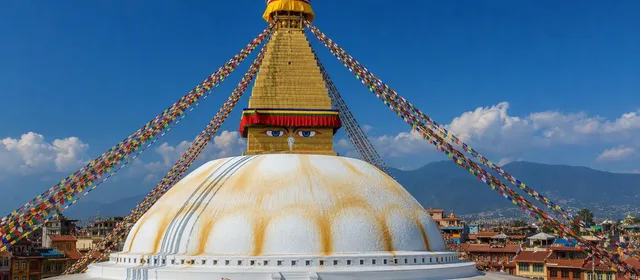
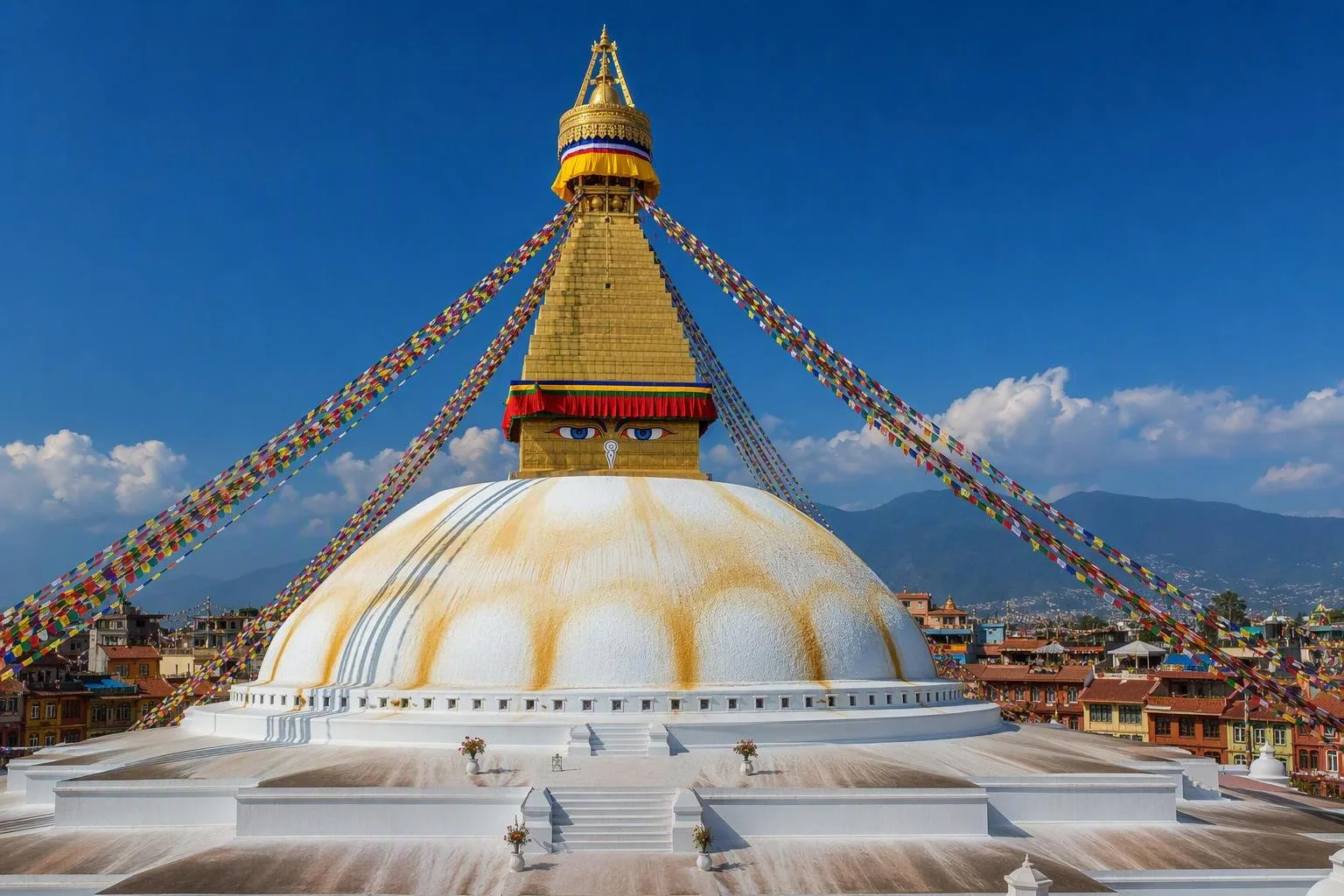
The monumental stupas work differently: a large whitewashed hemisphere supports a gilded cube with the Buddha eyes and a rising spire. At Boudhanath, the country’s largest stupa is surrounded by monasteries; at Swayambhu, the valley’s oldest Buddhist monument crowns a hill. These are active sacred settings, not static displays.
The seven monument zones
Use the sites as distinct stops rather than trying to reduce the valley to one square or stupa.
- Kathmandu Durbar Square (Hanuman Dhoka): palace courtyards, temples and public space in the old city.
- Patan Durbar Square: a compact royal centre in Lalitpur, noted for its dense religious and civic fabric.
- Bhaktapur Durbar Square: the third royal square, within Bhaktapur’s historic urban core.
- Swayambhu and Bauddhanath: the principal Buddhist stupa ensembles.
- Pashupati and Changu Narayan: Hindu temple precincts; Changu Narayan also includes a traditional Newar settlement and a fifth-century inscription.
Plan the visit
Tribhuvan International Airport is in the valley, and Kathmandu is the practical base. Treat the seven zones as geographically separate destinations; combine nearby places sensibly and allow time for the old-city lanes, courtyards and temple approaches rather than scheduling a rapid circuit.
A useful sequence is to give the three Durbar Squares separate walking sessions, visit Swayambhu for its hilltop setting, and reserve time to walk clockwise around Bauddhanath’s stupa. Pashupati and Changu Narayan require the same deliberate pace: worship and local use are integral to the places.
Sacred-space rules and restoration
Walk clockwise around stupas, keeping the monument to your right. Follow instructions on footwear, dress and photography, and do not obstruct worshippers or ceremonies. The monument zones remain living religious and urban places.
The 2015 Gorkha earthquake damaged heritage across the valley. Restoration and reconstruction have returned many structures to use, while some work continues elsewhere in the property. Fresh timber, repaired brickwork and occasional conservation activity are part of its current condition.
From the magazine
Stories about Kathmandu Valley
Editorial stories linked directly to Kathmandu Valley.
No stories about Kathmandu Valley have been published yet.
Routes from our editors
Travel through Kathmandu Valley
Editorial routes connecting Kathmandu Valley with other countries, cities and hotspots.
No routes through Kathmandu Valley have been published yet.
More in Nepal
Related hotspots
Other cities, nature areas and places within Nepal.
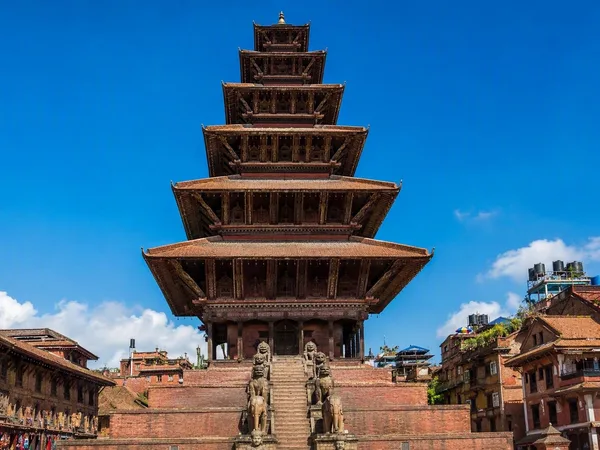
Durbar Square, Kathmandu
3 linked stories and routes
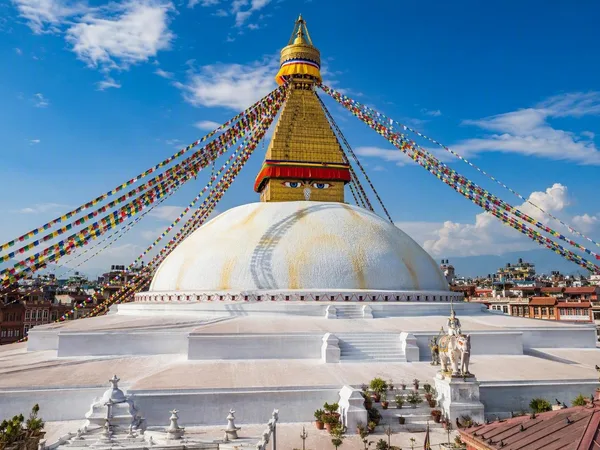
Kathmandu
2 linked stories and routes
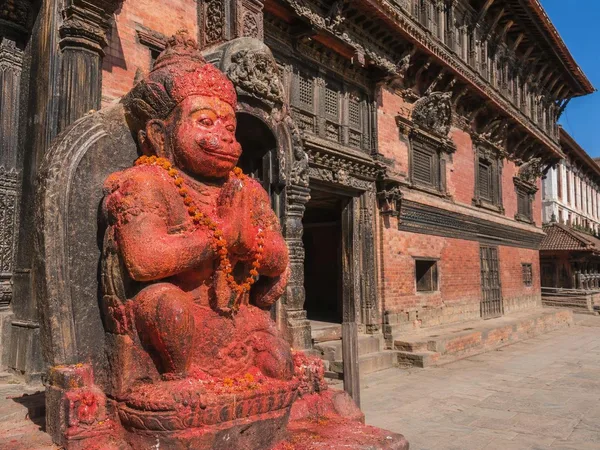
Hanuman Dhoka Durbar Square
2 linked stories and routes
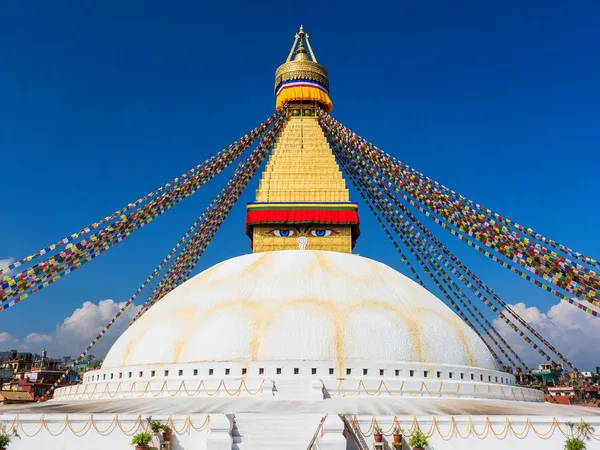
Boudhanath
1 linked stories and routes
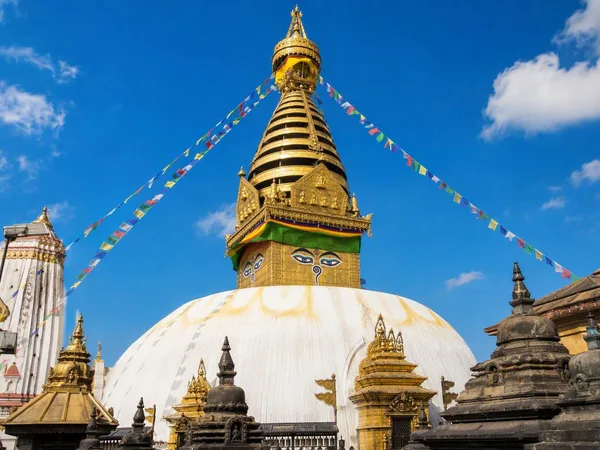
Swayambhunath Stupa
1 linked stories and routes
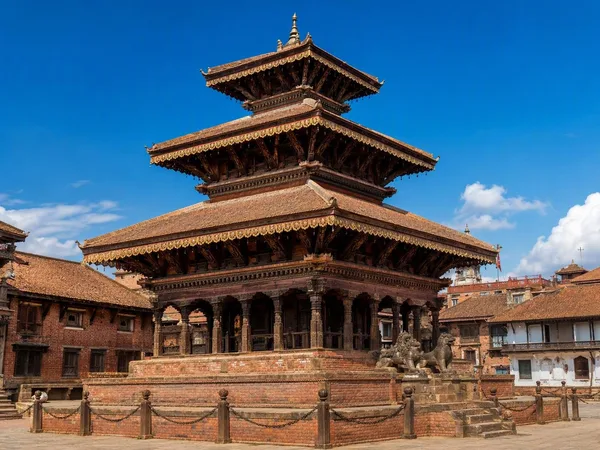
Kasthamandap
1 linked stories and routes
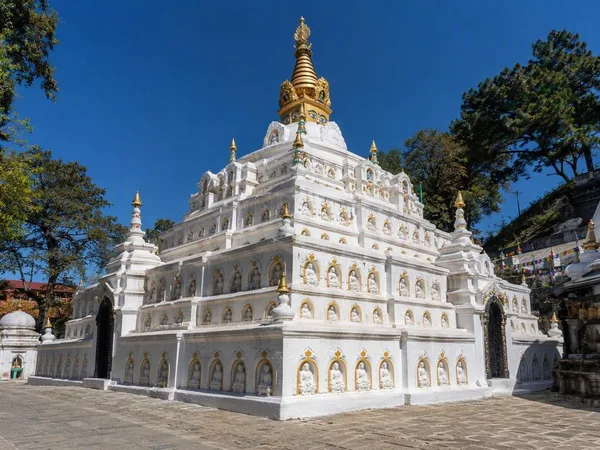
Mangal Bahudwar (Tashi Gomang Stupa)
1 linked stories and routes