
Sight · Nepal
Kasthamandap
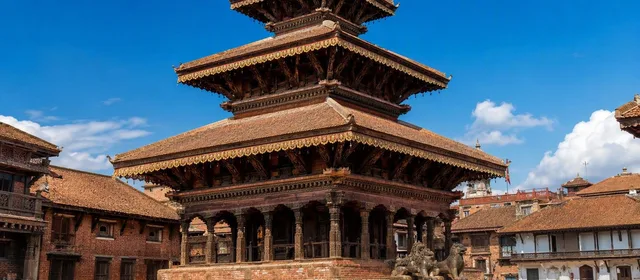
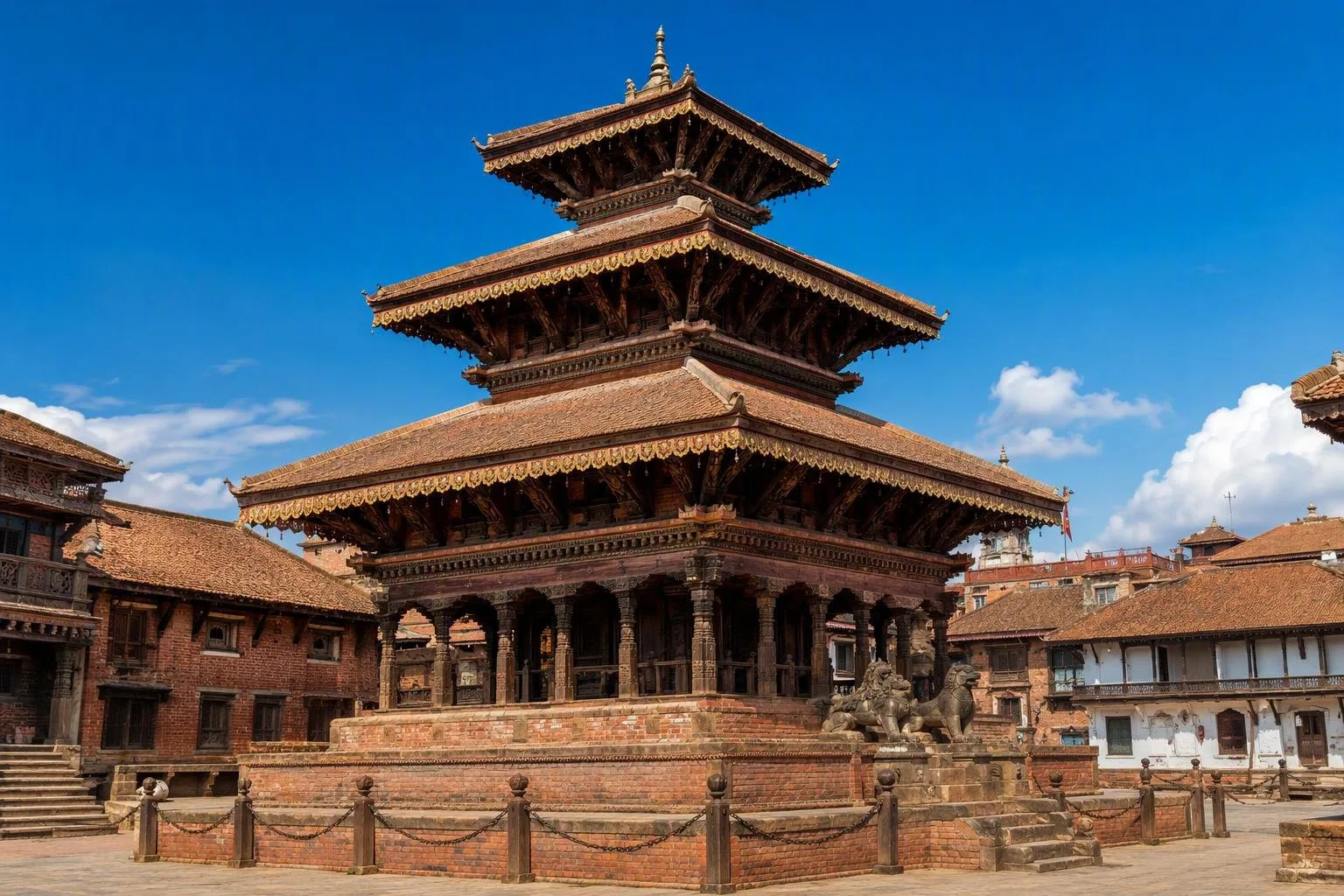
Kasthamandap is Kathmandu Durbar Square’s rebuilt three-storey public pavilion, at Maru on the square’s western side. Its collapse in the 2015 earthquake and reconstruction made it a defining monument of Kathmandu’s heritage recovery.
What Kasthamandap is
Kasthamandap is a sattal: a public shelter rather than a conventional temple. Its name means roughly “wooden pavilion”, and it is closely associated with the origin of Kathmandu’s name. A shrine to the yogi Gorakhnath occupies the building, so it remains a place of worship as well as a civic monument.
The pavilion stands in the Hanuman Dhoka monument zone of Kathmandu Durbar Square, within the Kathmandu Valley World Heritage property. It is at Maru, on the square’s western edge, where old-city lanes meet the monument area.
Read the building
Look first at the structure rather than treating it as another pagoda façade. Kasthamandap is a broad, three-level timber-and-brick pavilion, carried by substantial wooden posts beneath deep, tiled roof tiers. The open ground level is the key: this was a shelter and communal space, built to be entered and used.
Inside and around the pavilion, focus on:
- The timber frame: heavy posts, beams and traditional joints carry the roof mass.
- Carved wooden details: struts and other ornament show the Newar craft tradition that defines the square.
- The shrine: this is active sacred space, not a museum display.
- The brick plinth: post-earthquake investigation showed how important the surviving foundations were to understanding the monument.
Collapse and reconstruction
The 25 April 2015 Gorkha earthquake brought the historic superstructure down. Archaeological work then examined the exposed foundations rather than rushing straight into rebuilding. Research dated parts of the foundation sequence to around the seventh century, revising older assumptions about the monument’s origins.
The rebuilt pavilion reopened in 2022. Its reconstruction used traditional materials and craftsmanship, with salvaged historic elements incorporated where possible. The result is not an untouched ancient building: it is a carefully reconstructed public monument whose timber, brickwork and form record both loss and recovery.
Visiting well
Approach on foot through the old city or from the main Durbar Square precinct; the building is easy to spot by its low, broad profile and stacked roofs. Allow 15–20 minutes to walk around it, examine the posts and carvings, and pause at the open ground floor.
Go in the morning for clearer views and a quieter square. The pavilion is part of a living religious setting: keep voices low near the shrine, do not obstruct worshippers, and ask before photographing anyone praying. Expect uneven historic paving around the building; it can be difficult for wheels and visitors with limited mobility.
Place it in the square
Kasthamandap makes most sense as part of the dense urban fabric of Durbar Square, not as an isolated landmark. From here, the palace and temple concentration of Hanuman Dhoka lies immediately to the east and northeast. Notice the contrast between Kasthamandap’s open, public character and the more formal temple and palace architecture around it.
From the magazine
Stories about Kasthamandap
Editorial stories linked directly to Kasthamandap.
No stories about Kasthamandap have been published yet.
Routes from our editors
Travel through Kasthamandap
Editorial routes connecting Kasthamandap with other countries, cities and hotspots.
No routes through Kasthamandap have been published yet.
More in Nepal
Related hotspots
Other cities, nature areas and places within Nepal.
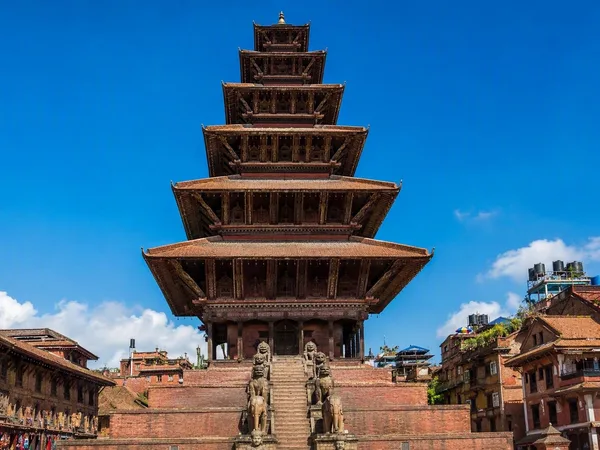
Durbar Square, Kathmandu
3 linked stories and routes
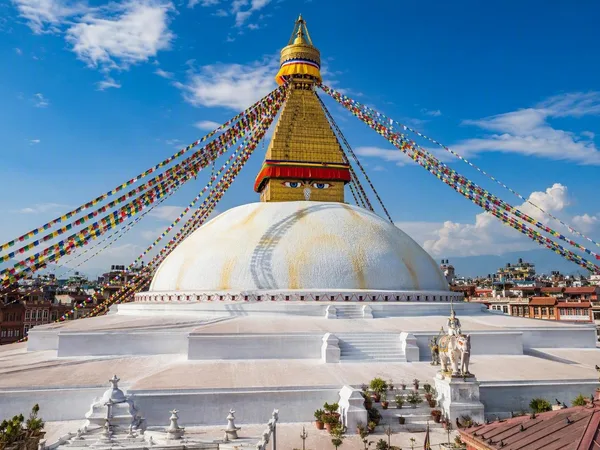
Kathmandu
2 linked stories and routes
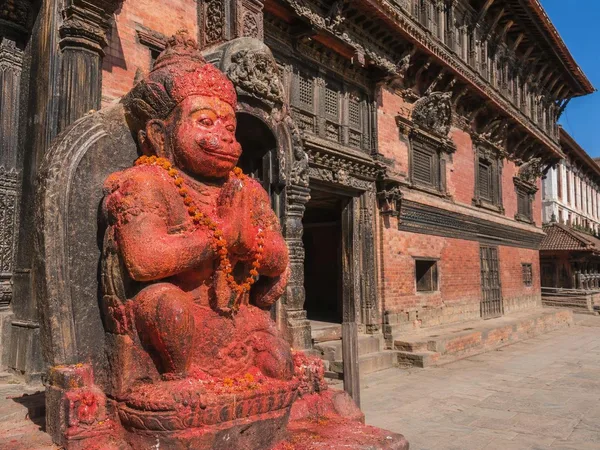
Hanuman Dhoka Durbar Square
2 linked stories and routes
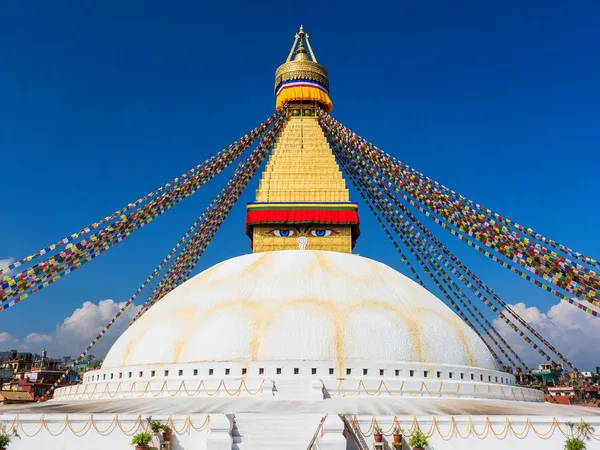
Boudhanath
1 linked stories and routes
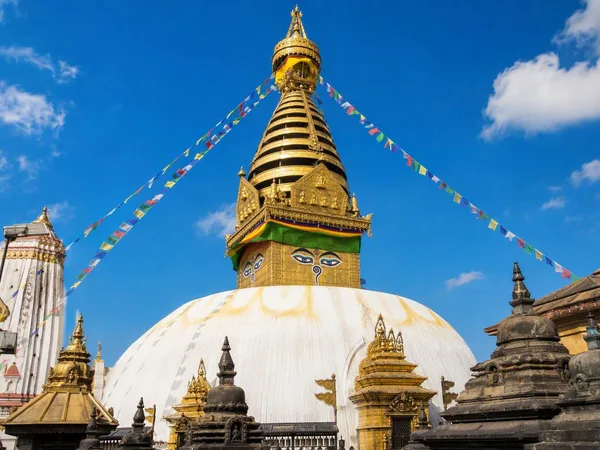
Swayambhunath Stupa
1 linked stories and routes
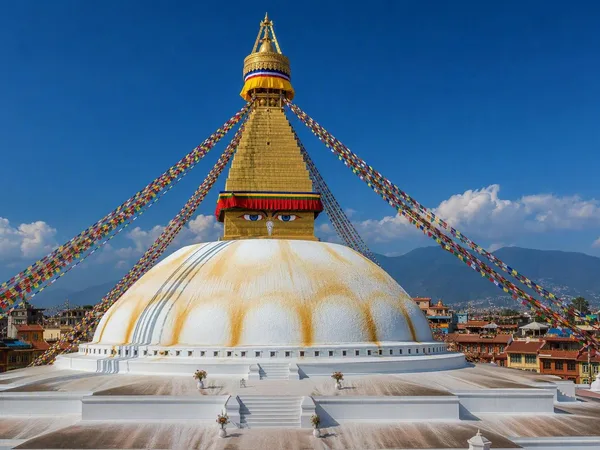
Kathmandu Valley
1 linked stories and routes
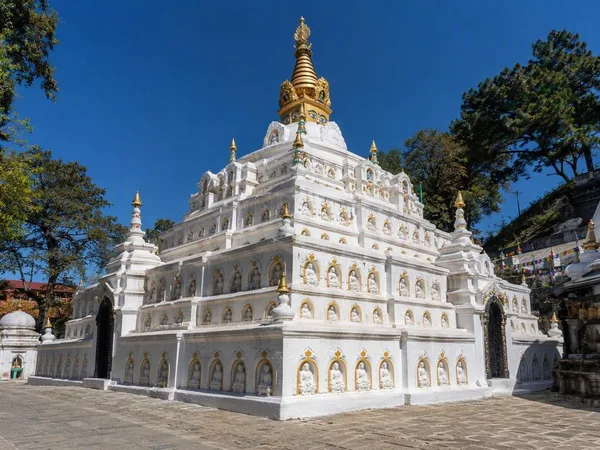
Mangal Bahudwar (Tashi Gomang Stupa)
1 linked stories and routes