
Neighbourhood · Nepal
Asan Tole
Asan Tole is Kathmandu’s historic market square, where six streets meet in the old city. Come for the working trade in grains and spices, and the Annapurna Temple at its centre.
What Asan Tole is
Asan Tole is a living Newar market quarter in central Kathmandu, rather than a purpose-built visitor attraction. Six streets converge at its compact square, once a key point on the India–Tibet trade route. Trade, worship and daily errands still occupy the same tight streetscape.
The square sits on the old-city route between Kathmandu Durbar Square and the north-eastern districts. Shops and pavement stalls sell the practical stock of a city market: rice, lentils, dried chillies, turmeric, ginger, fresh vegetables, kitchenware, cloth, incense and ritual goods.
Read the square
Start at the six-way junction and look outward before entering the lanes. The street pattern explains why the square feels continuously in motion: shoppers, handcarts and delivery porters all funnel through the same small space.
Look for these fixed points among the stalls:
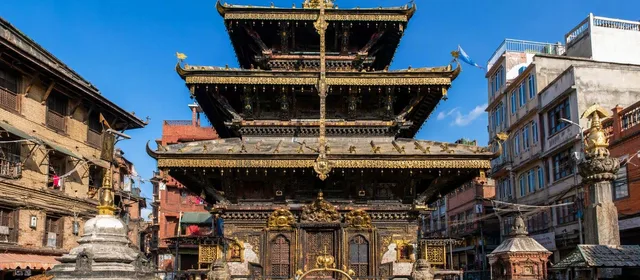
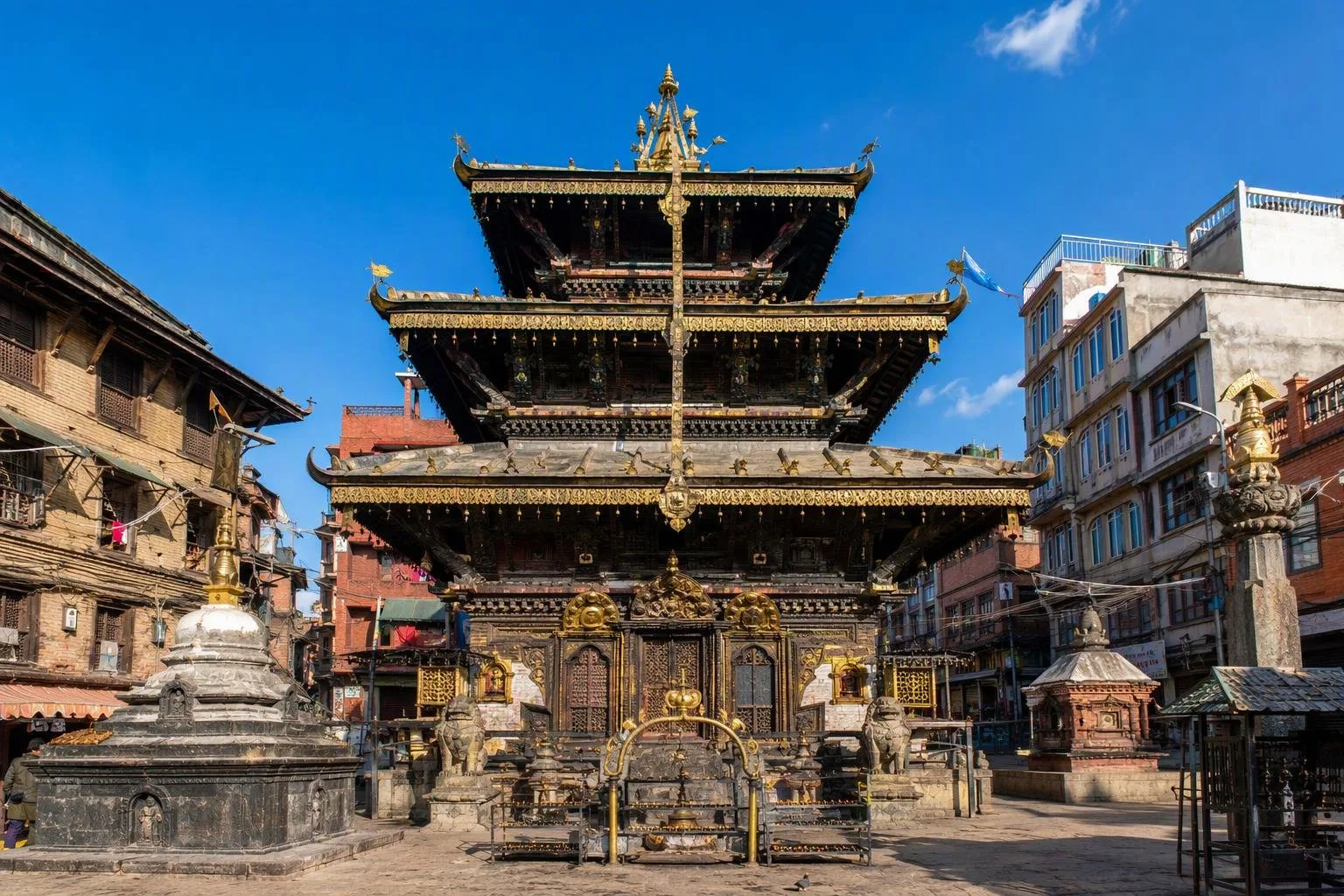
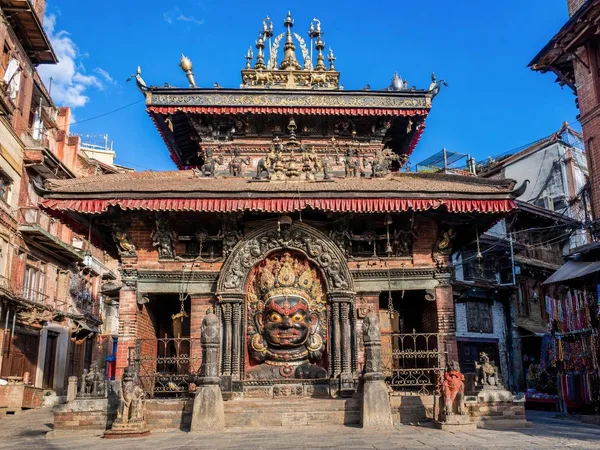
- Annapurna Temple: a three-storey pagoda dedicated to Annapurna Ajimā, the goddess of abundant grain. Its presence gives the grain market a clear religious centre.
- Ganesh shrine: on the northern side of the square.
- Nyālon: the stone fish at the centre, linked to the local founding legend.
- Asan Dabu: a stone platform used for sacred dance and music during festivals; on ordinary days it is often occupied by vendors.
The lanes also lead to small shrines and Buddhist bahas—courtyard monasteries. Treat them as active religious spaces, not as shopfront scenery.
Market essentials
Asan is strongest as a place to see Kathmandu’s food economy at close range. The useful things to browse are sold in volume: sacks of grains and pulses, spice shops, dried goods, vegetables, brass and metal kitchen utensils, and supplies for household worship.
Go in the morning if you want the market at work, with produce being set out and goods being moved through the lanes. Later in the day the six-road junction becomes harder to navigate. There is no admission charge; this is a public market square.
This is not a sterile souvenir district. Ask before photographing a vendor closely, and do not block a shop entrance or a shrine while framing a shot.
Getting there and moving through it
Approach on foot. From Kathmandu Durbar Square, follow the market streets north-east through the old city; from Thamel, walk south into the older lanes. Taxis can bring you to the surrounding streets, but the final approach is best made on foot.
Wear shoes that handle uneven paving. The lanes are narrow, crowded and shared with handcarts and occasional motorbikes. Keep bags secure and leave room for porters carrying loads. At temples, follow the lead of worshippers, avoid stepping over offerings, and ask before taking photographs during rituals.
From the magazine
Stories about Asan Tole
Editorial stories linked directly to Asan Tole.
No stories about Asan Tole have been published yet.
Routes from our editors
Travel through Asan Tole
Editorial routes connecting Asan Tole with other countries, cities and hotspots.
No routes through Asan Tole have been published yet.
More in Nepal
Related hotspots
Other cities, nature areas and places within Nepal.
Durbar Square, Kathmandu
4 linked stories and routes
Kathmandu
4 linked stories and routes
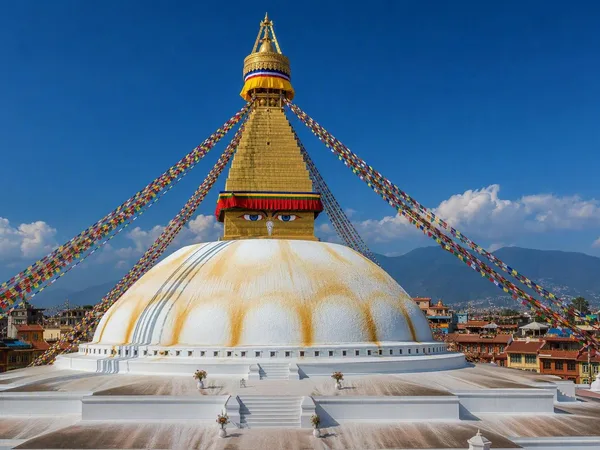
Kathmandu Valley
3 linked stories and routes
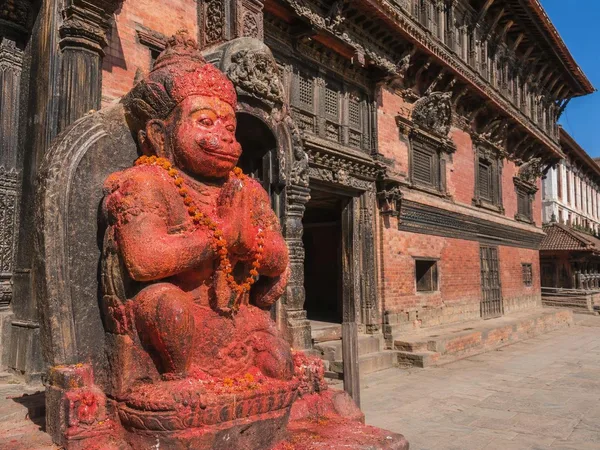
Hanuman Dhoka Durbar Square
2 linked stories and routes
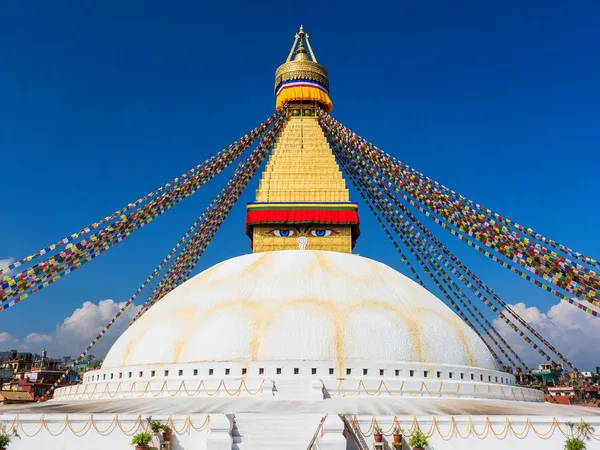
Boudhanath
1 linked stories and routes
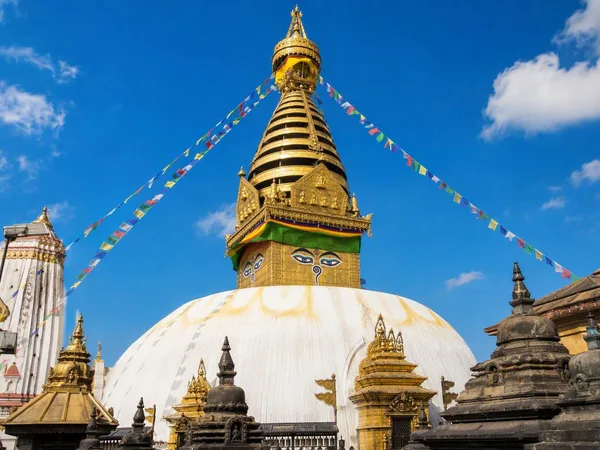
Swayambhunath Stupa
1 linked stories and routes
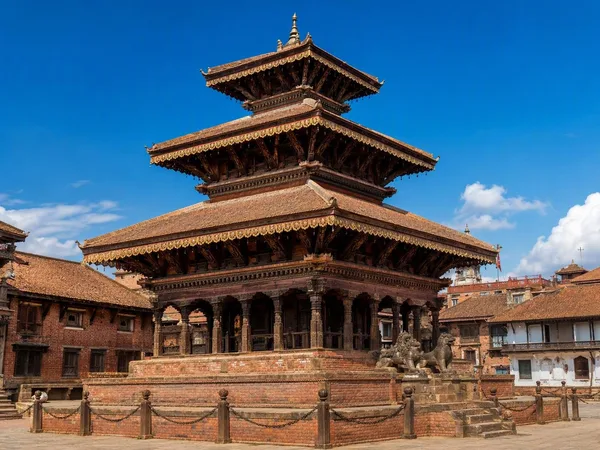
Kasthamandap
1 linked stories and routes
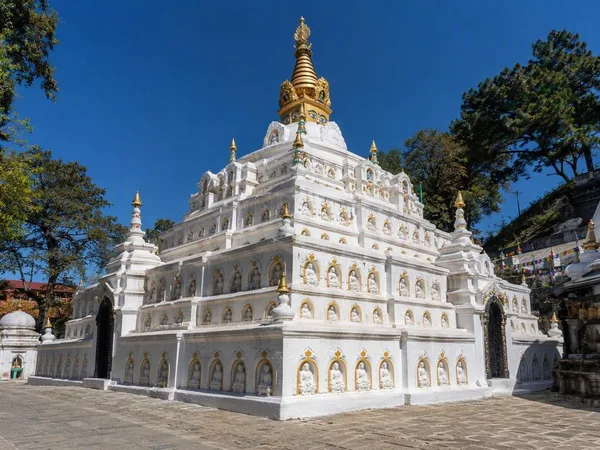
Mangal Bahudwar (Tashi Gomang Stupa)
1 linked stories and routes
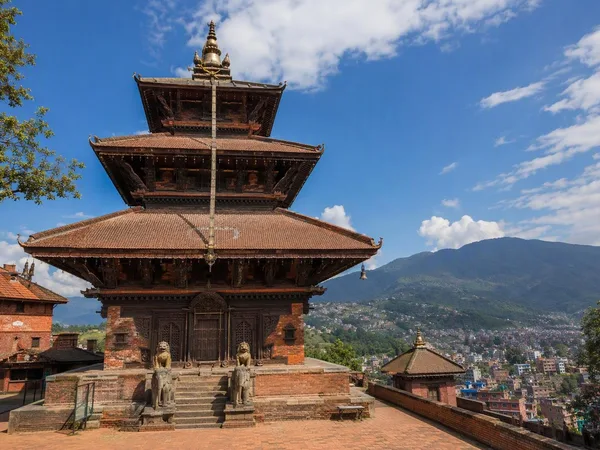
Kirtipur
1 linked stories and routes
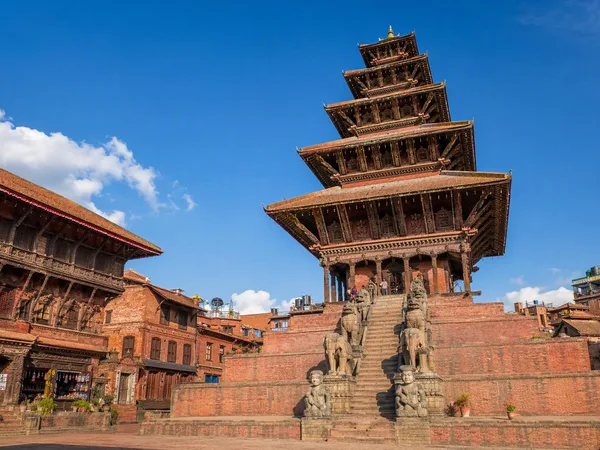
Bhaktapur
1 linked stories and routes
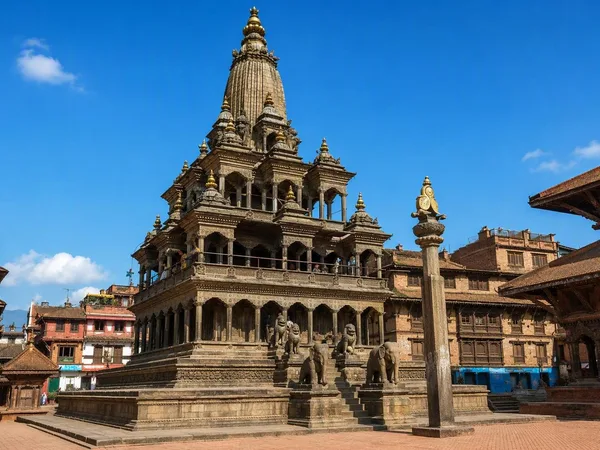
Patan
1 linked stories and routes
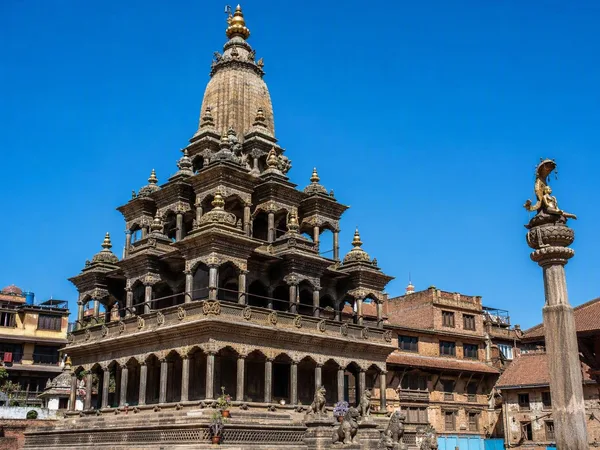
Patan Durbar Square
1 linked stories and routes
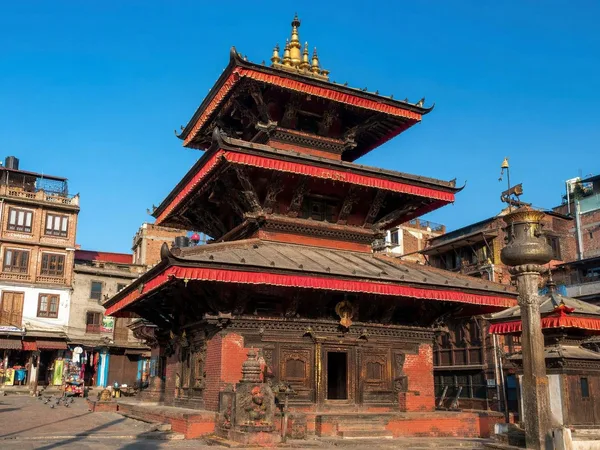
Annapurna-Ajima Temple
1 linked stories and routes
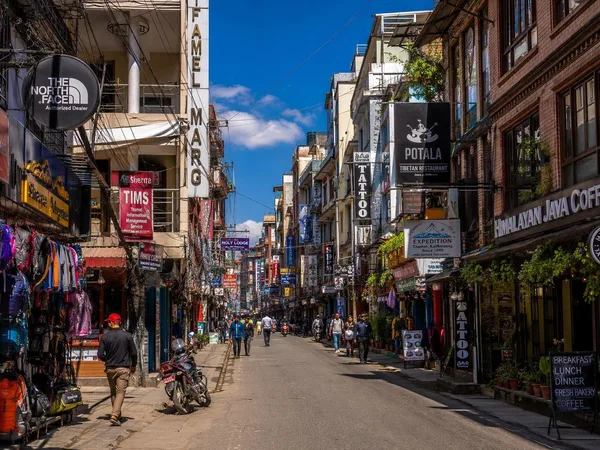
Thamel
1 linked stories and routes
Indra Chowk
1 linked stories and routes
Thimi
1 linked stories and routes