
Neighbourhood · Afghanistan
Pole-e Surkh, Kabul
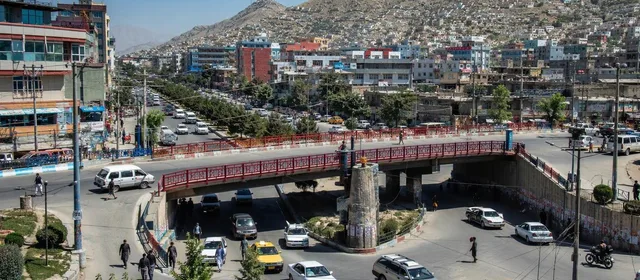
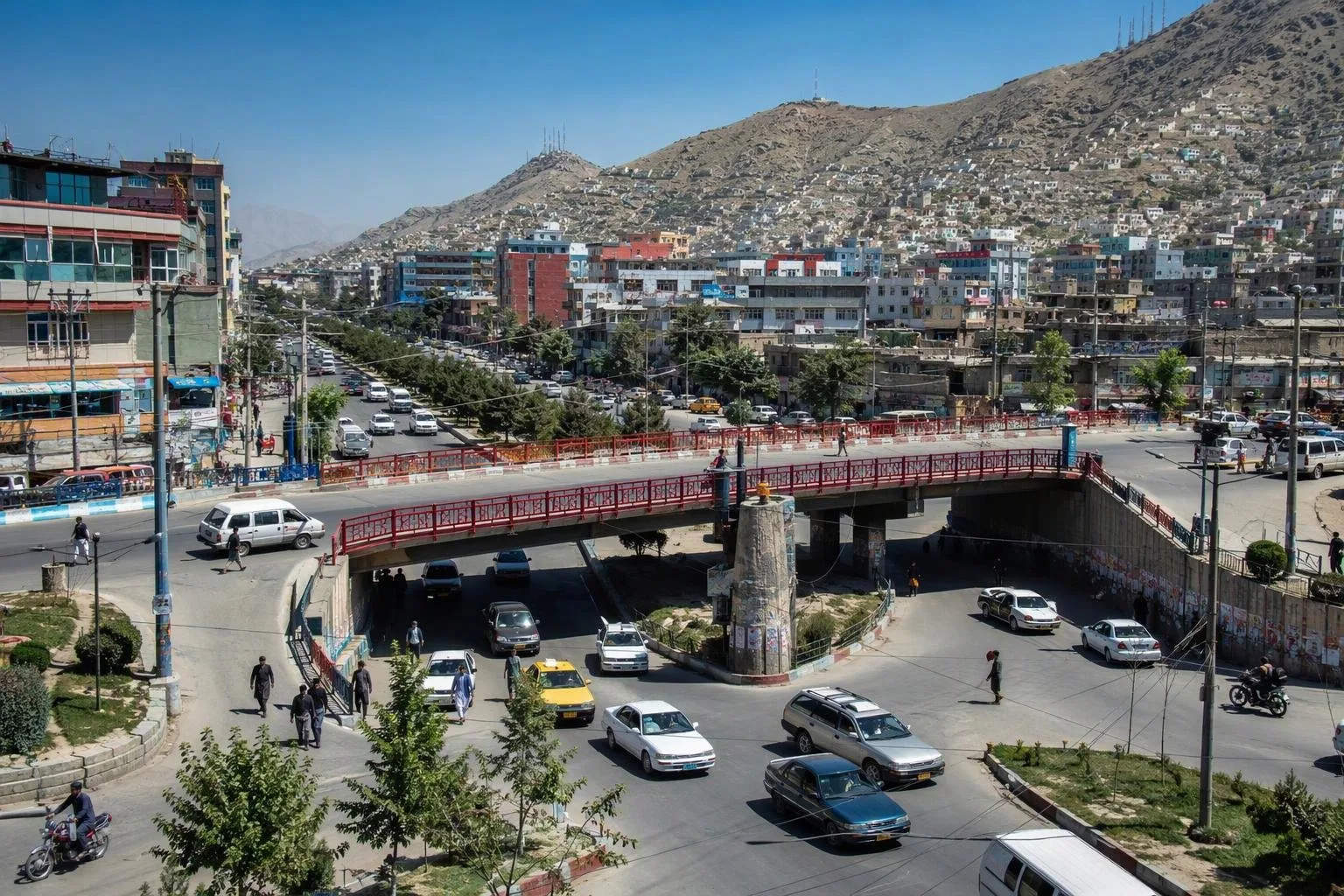
Pole-e Surkh—also spelled Pul-e Surkh—is a west Kabul neighbourhood centred on the Red Bridge and its busy junction. Close to Kabul University, it became a noted café, bookshop and student-cultural district before 2021.
Orientation
Pole-e Surkh means “Red Bridge”. The name applies to the bridge and the surrounding urban neighbourhood in west Kabul, near Karte Seh. Use the bridge or Pul-e Surkh junction as the practical map pin: this is a road-centred district rather than a contained visitor precinct.
The area sits on routes linking central and western Kabul. Its position near Kabul University helped make it a regular meeting ground for students, writers and readers.
Literary identity
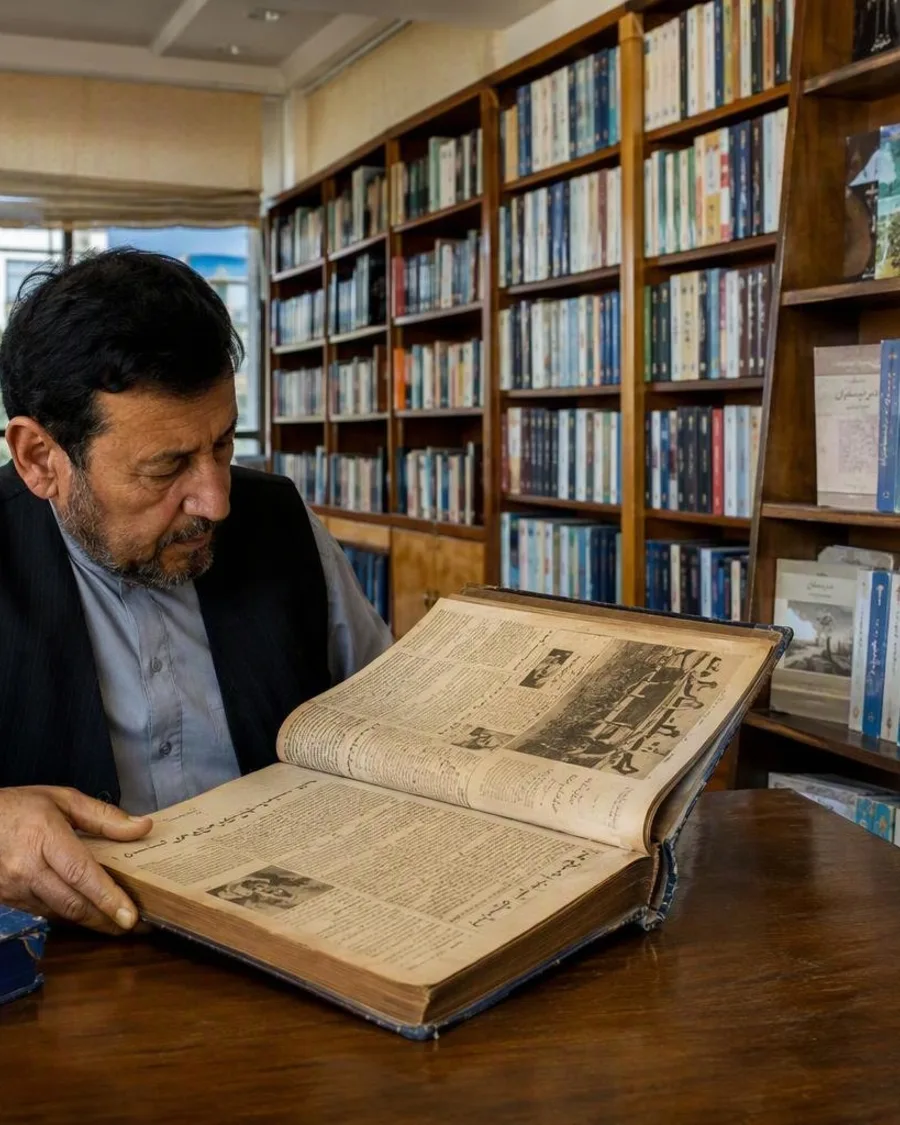
Before 2021, cafés, bookshops, language institutes and informal cultural venues gave Pole-e Surkh an unusually strong student character. Kabul University Poetry Association students met in a café here to read new poems and critique one another’s work. Book discussions, poetry readings, film screenings and small musical performances also formed part of the district’s public cultural life.
That history is the reason to understand Pole-e Surkh as more than a traffic junction. It is a useful reference point for Kabul’s recent literary and intellectual life, even where the original venues have changed or disappeared.
What to notice
There is no formal monument trail. The physical focus is the Pul-e Surkh bridge and junction, where the district’s streets, shops and cafés meet.
- Look for the bridge and its adjoining road corridor rather than expecting a pedestrian square.
- The streetscape is urban and commercial: storefronts, traffic, low-rise buildings and constant movement.
- The university-facing character of the wider area explains its former concentration of cafés and book-related businesses.
Access and movement
Ask for Pul-e Surkh or the Red Bridge; spelling varies between Pole-e Surkh, Pul-e Surkh and Pol-e Sorkh. Kabul Municipality has been rebuilding the road between Pul-e Surkh and the Alauddin junction, a route of about 1.93 km. Construction can change traffic flow, pavement conditions and the easiest drop-off point.
Treat it as a place to pass through on foot only after assessing the street conditions locally. Traffic is the main practical obstacle; this is not a quiet strolling district.
Current constraints
The public cultural scene that defined Pole-e Surkh has been sharply curtailed since 2021. Cafés and cultural spaces may operate under changing restrictions, and mixed-gender socialising and public cultural events face particular limits. Do not plan a visit around a specific reading, performance or café gathering unless it has been confirmed directly and is appropriate under local rules.
Dress and conduct should be conservative. Conditions in Kabul can change quickly; factor current security requirements into any movement around the city.
From the magazine
Stories about Pole-e Surkh, Kabul
Editorial stories linked directly to Pole-e Surkh, Kabul.
Routes from our editors
Travel through Pole-e Surkh, Kabul
Editorial routes connecting Pole-e Surkh, Kabul with other countries, cities and hotspots.
No routes through Pole-e Surkh, Kabul have been published yet.
More in Afghanistan
Related hotspots
Other cities, nature areas and places within Afghanistan.
Kabul
3 linked stories and routes
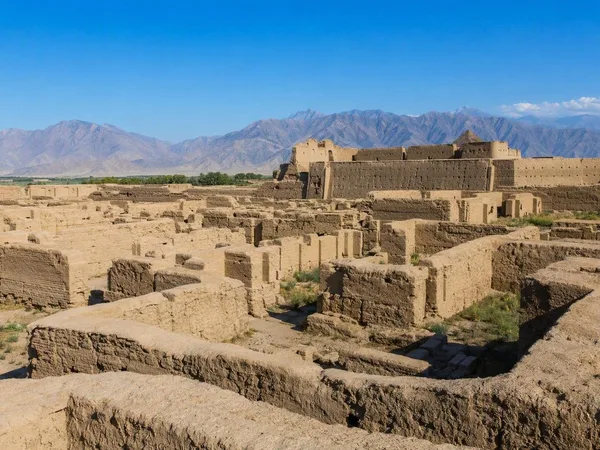
Begram Archaeological Site
1 linked stories and routes
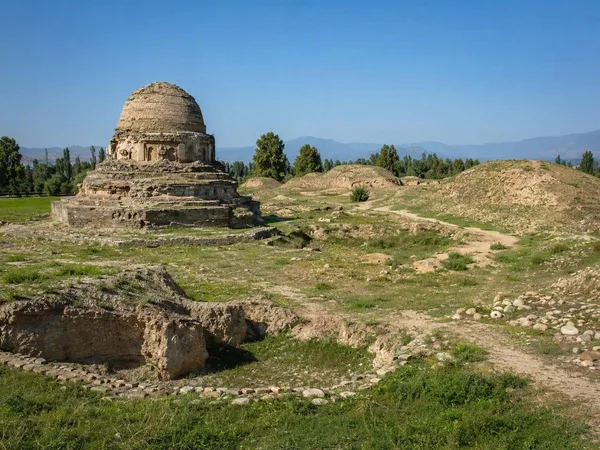
Hadda
1 linked stories and routes
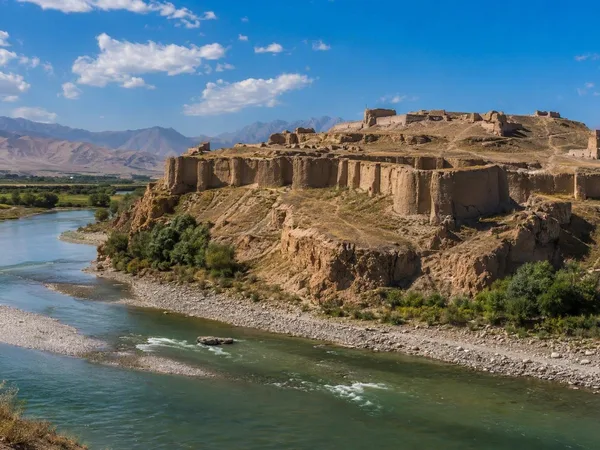
Ai Khanum
1 linked stories and routes
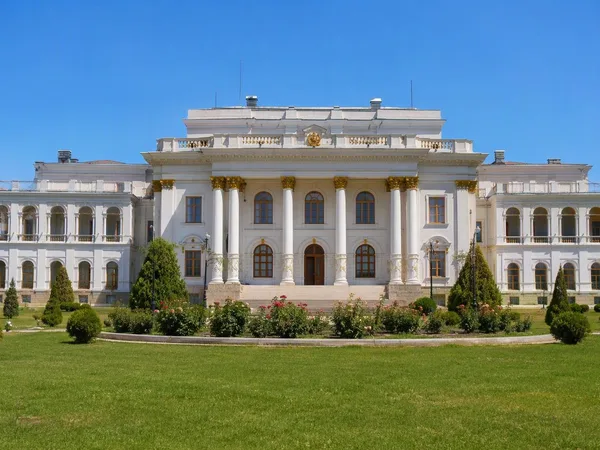
Darulaman, Kabul
1 linked stories and routes
Tillya Tepe
1 linked stories and routes
Tepe Fullol Archaeological Site
1 linked stories and routes
Balkh
1 linked stories and routes
Herat
1 linked stories and routes