
City · Afghanistan
Balkh
Balkh is an ancient city in northern Afghanistan, about 22 km west of Mazar-e Sharif. Formerly Bactra, it preserves a vast archaeological landscape of earthen walls, Buddhist remains and Islamic monuments.
Orientation
Balkh stands on the plain by the Balkh River in northern Afghanistan. The modern settlement occupies and borders the remains of ancient Bactra, once the capital of Bactria and a major centre of trade, religion and learning. The archaeological city covers roughly 11 square kilometres; this is a place to read through layers, not a compact monument district.
The city is on Afghanistan’s UNESCO Tentative List, rather than the World Heritage List. Its surviving fabric ranges from defensive earthworks to shrines and early Islamic architecture.
What to see
Start with the scale of the site. Traces of the earthen city walls run for about 10 km, while Bala Hissar is the fortified area north of the old enclosure. The walls and mounds make most sense as evidence of a city that long exceeded today’s town.
Key stops include:
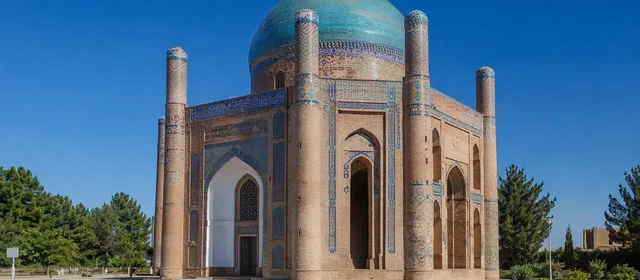
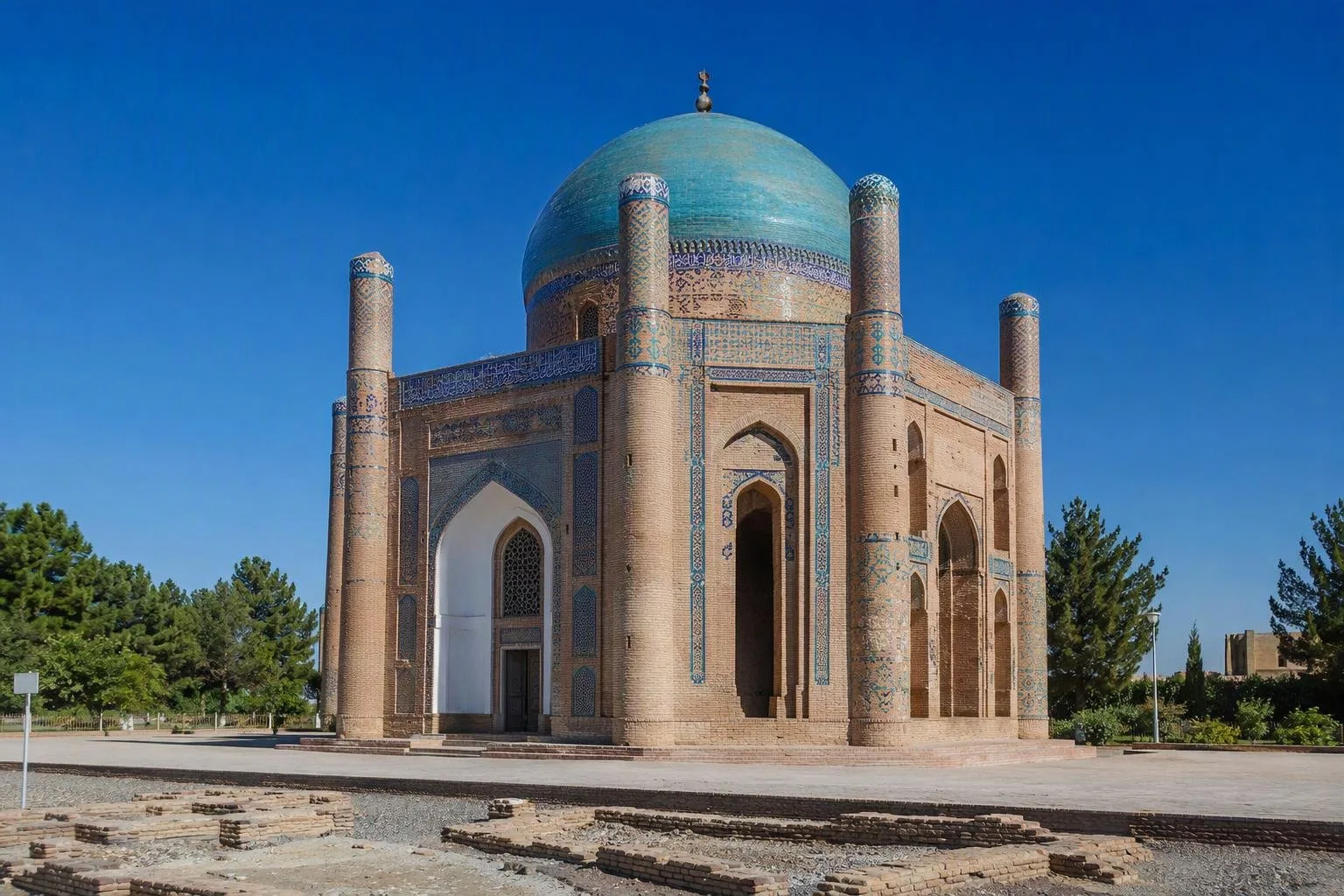
- Shrine of Khwaja Abu Nasr Parsa — a tiled Timurid shrine dated to 1460–61 and one of Balkh’s clearest surviving landmarks.
- Tepe Zargaran — an artificial mound with archaeological levels dating back at least to the 2nd century CE.
- Haji Piyada Mosque — about 3 km south of the walled city; its surviving piers and arches retain fine brick and stucco ornament. Built in the second half of the 9th century, it is Afghanistan’s oldest Islamic religious structure.
- Tepe Rustam and Nau Bahar — remains associated with Balkh’s Buddhist period, including the earth-brick base of a stupa.
Historical frame
Balkh’s importance rests on successive religious and political roles. It was Bactra under the Achaemenids, then a Hellenistic centre after Alexander’s conquest, and later an important city under the Kushans and in the Islamic world. Buddhist monasteries and stupas coexisted in the historical record with its long-standing Zoroastrian associations; later, the city became a centre of Islamic learning.
The Mongol sack of 1220 devastated Balkh. Timurid rebuilding left the Parsa shrine, but Mazar-e Sharif eventually became the region’s larger urban centre.
Balkh also anchors Persian literary history: Jalal al-Din Rumi was born here around 1207 and wrote in Persian. His family left Balkh while he was still young; his mature career unfolded in Anatolia.
Visiting and access
Balkh lies about 22 km west of Mazar-e Sharif. Plan the city as a dispersed archaeological landscape: monuments, walls and mounds are separated by open ground, so a vehicle is useful.
Critical warning: foreign governments advise against all travel to Afghanistan because of volatile security conditions, terrorism, kidnapping, detention risk and severely limited consular support. Do not treat Balkh as a routine independent excursion. If travel is unavoidable, use current local permissions and arrangements, respect religious sites and do not enter unmarked ruins or open ground beyond established routes.
From the magazine
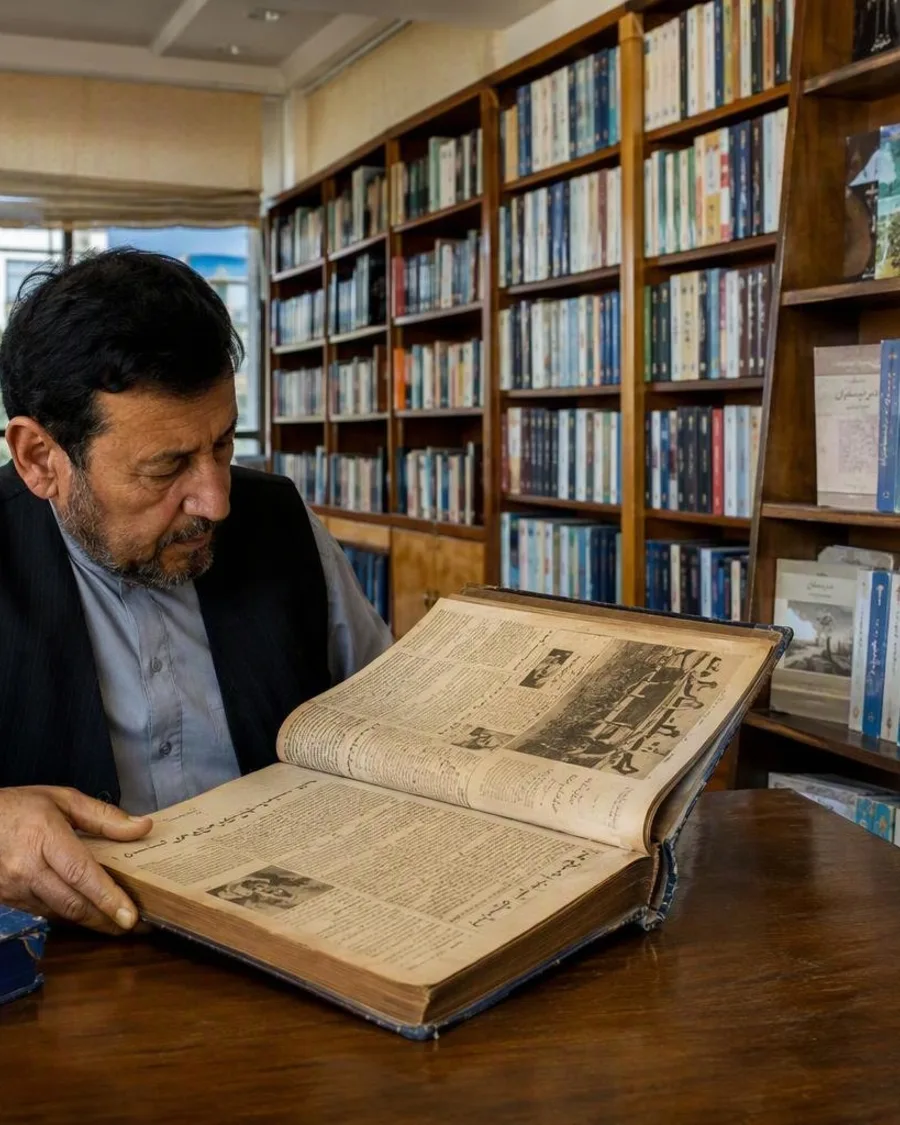
Stories about Balkh
Editorial stories linked directly to Balkh.
Routes from our editors
Travel through Balkh
Editorial routes connecting Balkh with other countries, cities and hotspots.
No routes through Balkh have been published yet.
More in Afghanistan
Related hotspots
Other cities, nature areas and places within Afghanistan.
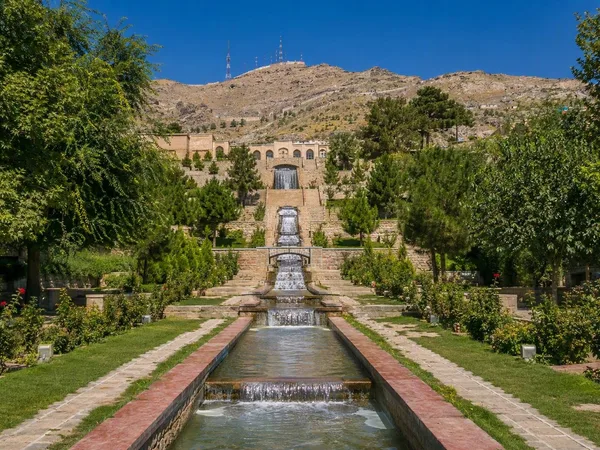
Kabul
3 linked stories and routes
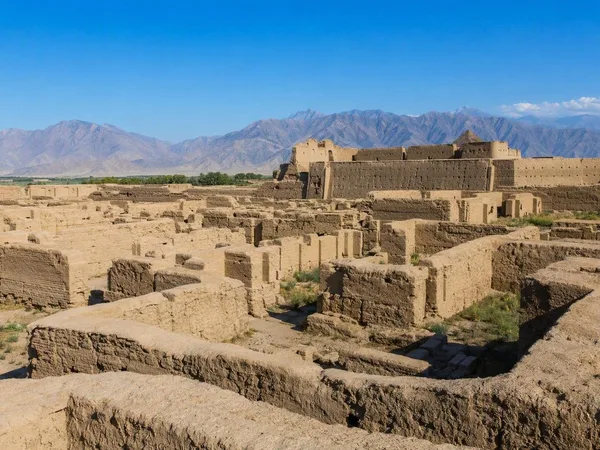
Begram Archaeological Site
1 linked stories and routes
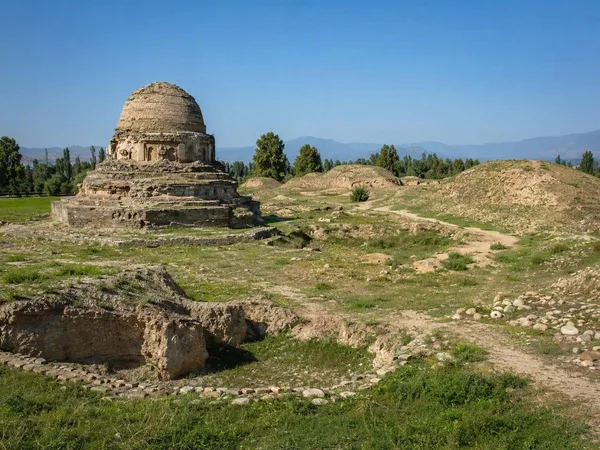
Hadda
1 linked stories and routes
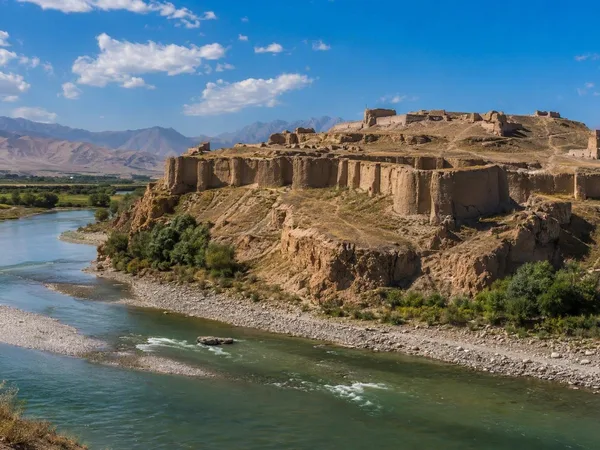
Ai Khanum
1 linked stories and routes
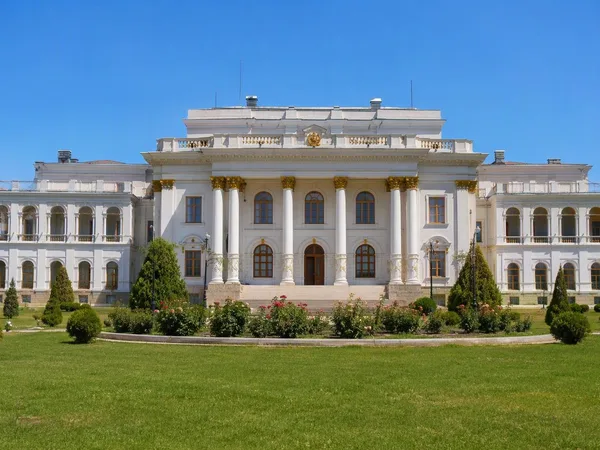
Darulaman, Kabul
1 linked stories and routes
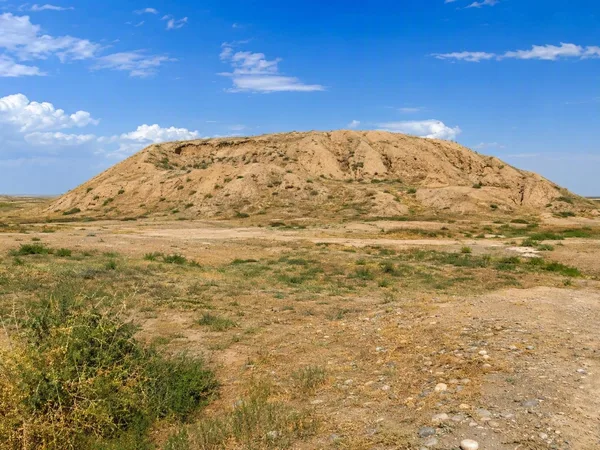
Tillya Tepe
1 linked stories and routes
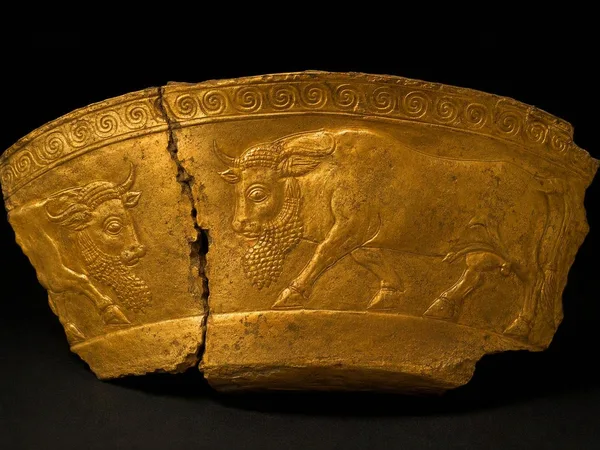
Tepe Fullol Archaeological Site
1 linked stories and routes
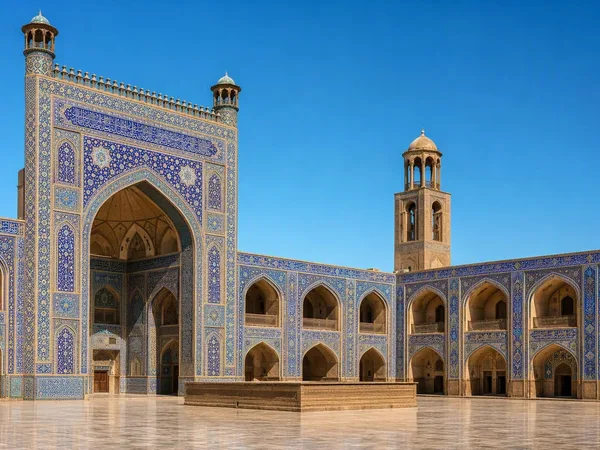
Herat
1 linked stories and routes
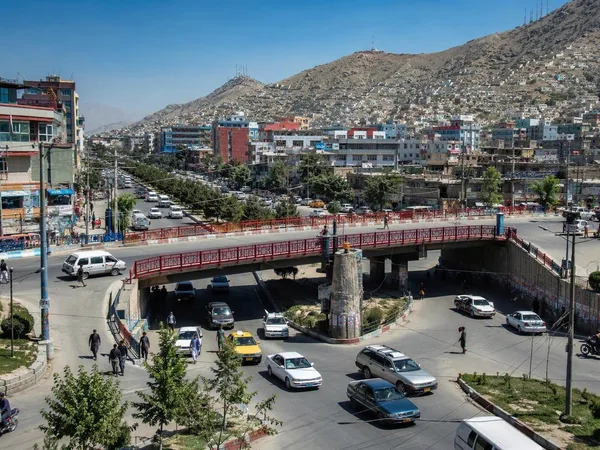
Pole-e Surkh, Kabul
1 linked stories and routes