Neighbourhood · Afghanistan
Darulaman, Kabul
Darulaman is a planned 1920s district on Kabul’s southwestern edge, conceived by King Amanullah Khan as the setting for a new administrative capital. Its surviving palaces and museum make it a compact record of Afghanistan’s modern state-building ambitions.
Orientation
Darulaman lies in Kabul’s District 6, southwest of the old urban core. It was laid out in the 1920s as a new administrative district rather than an organically grown quarter. The project was intended to shift the focus of government to a purpose-built setting connected to Kabul by a long, straight road.
The plan was never completed after Amanullah Khan’s fall in 1929. That unfinished ambition is the point of the place: broad road space, state buildings and isolated monumental architecture read differently from the dense fabric of central Kabul.
The planned capital
Amanullah’s scheme brought German firms and engineers to build roads, bridges and other infrastructure. A narrow-gauge tramway once ran between Kabul and Darulaman; it is a historical feature, not a transport option today.
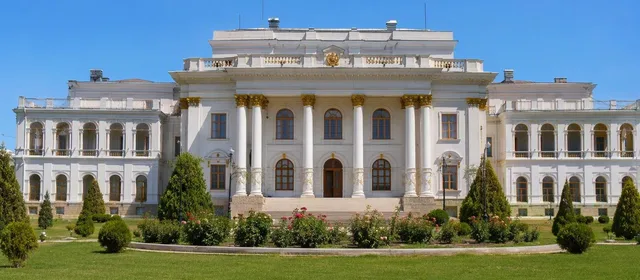
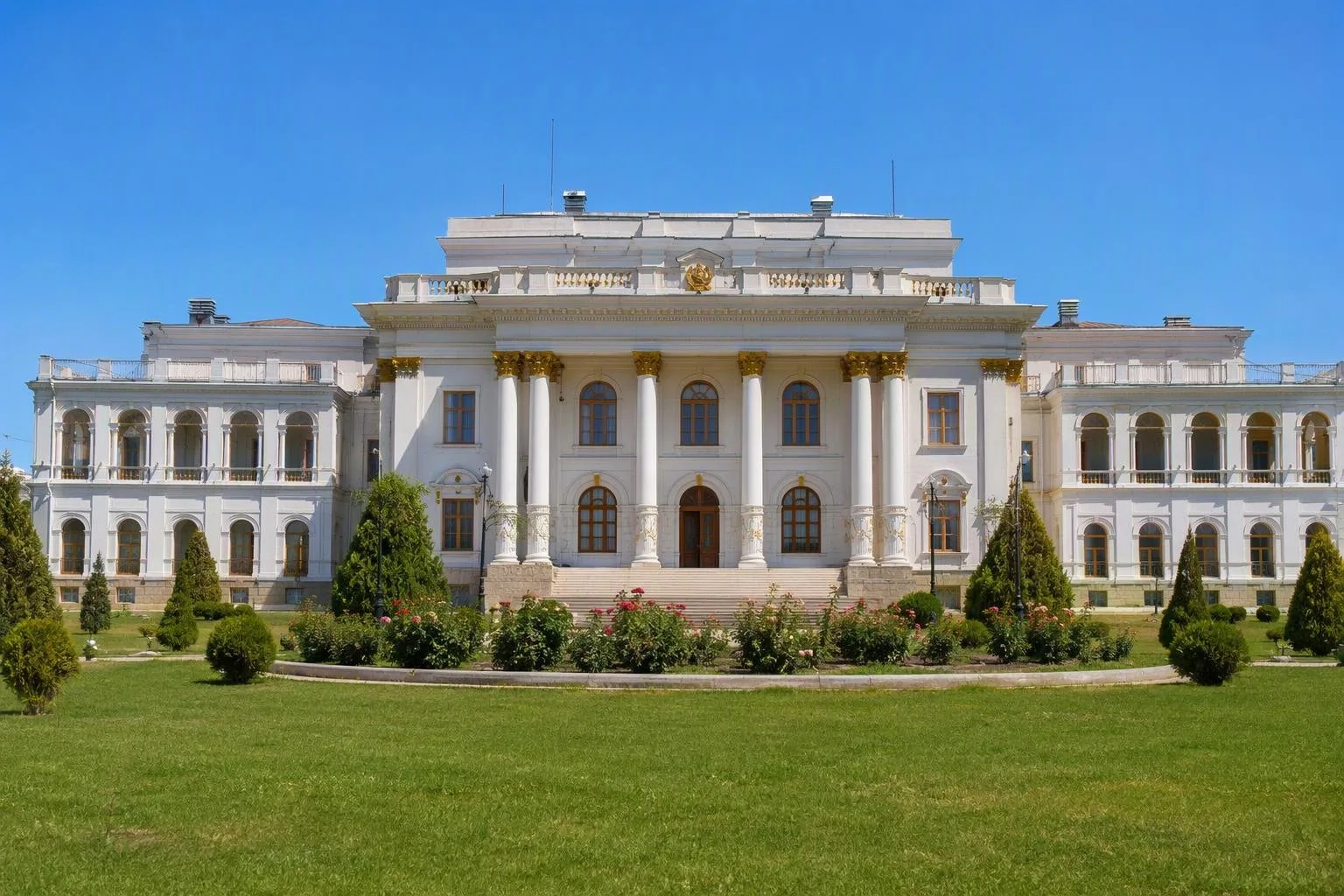
Darul Aman Palace was conceived as the focal point of the project and was intended to house parliament. Its European-influenced neoclassical form—symmetrical massing, tall windows and formal façades—makes the political purpose unusually legible. The palace later served several state functions, sustained severe damage during successive conflicts and was restored in the late 2010s.
Key landmarks
- Darul Aman Palace: The district’s defining landmark. Read it from the road as a statement of the 1920s plan, not simply as a standalone palace.
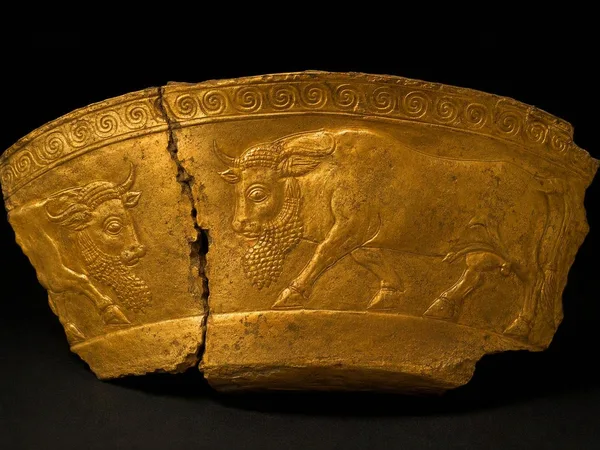
- National Museum of Afghanistan: Opposite the palace on Darulaman Road. The museum moved into its present building in 1931; its collections span prehistoric, classical, Buddhist, Hindu and Islamic material from across Afghanistan.
- Tajbeg Palace: A separate royal palace on a nearby hill southwest of the main Darul Aman complex. It belongs to the same era of royal building but is not part of the museum site.
How to read the district
Use Darulaman Road as the organising line. The palace and museum are the clearest paired stop: one represents an unrealised new capital, the other the national archaeological collection installed here during the same broad period of state development. Keep the distinction clear—Darulaman is the neighbourhood; the palace and museum are individual institutions within it.
Access and safety
Darulaman is reached by road from Kabul. Access around official and heritage buildings can change, and interiors or grounds may not be open to casual visitors. Treat the palace primarily as an exterior landmark unless permission is clear on arrival.
Important: Afghanistan’s security situation presents severe risks, including detention, kidnapping and attacks. Major government travel advisories advise against all travel to the country. Do not make independent sightseeing plans in Kabul; follow current local security instructions and avoid approaching controlled compounds.
From the magazine
Stories about Darulaman, Kabul
Editorial stories linked directly to Darulaman, Kabul.
No stories about Darulaman, Kabul have been published yet.
Routes from our editors
Travel through Darulaman, Kabul
Editorial routes connecting Darulaman, Kabul with other countries, cities and hotspots.
No routes through Darulaman, Kabul have been published yet.
More in Afghanistan
Related hotspots
Other cities, nature areas and places within Afghanistan.