
Sight · Afghanistan
Hadda
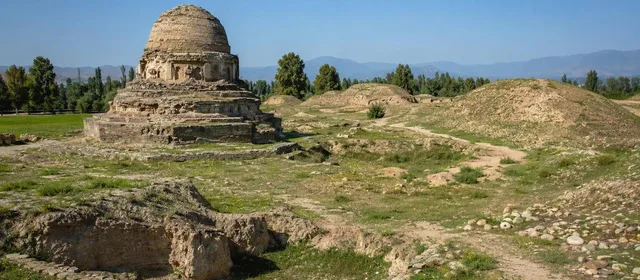
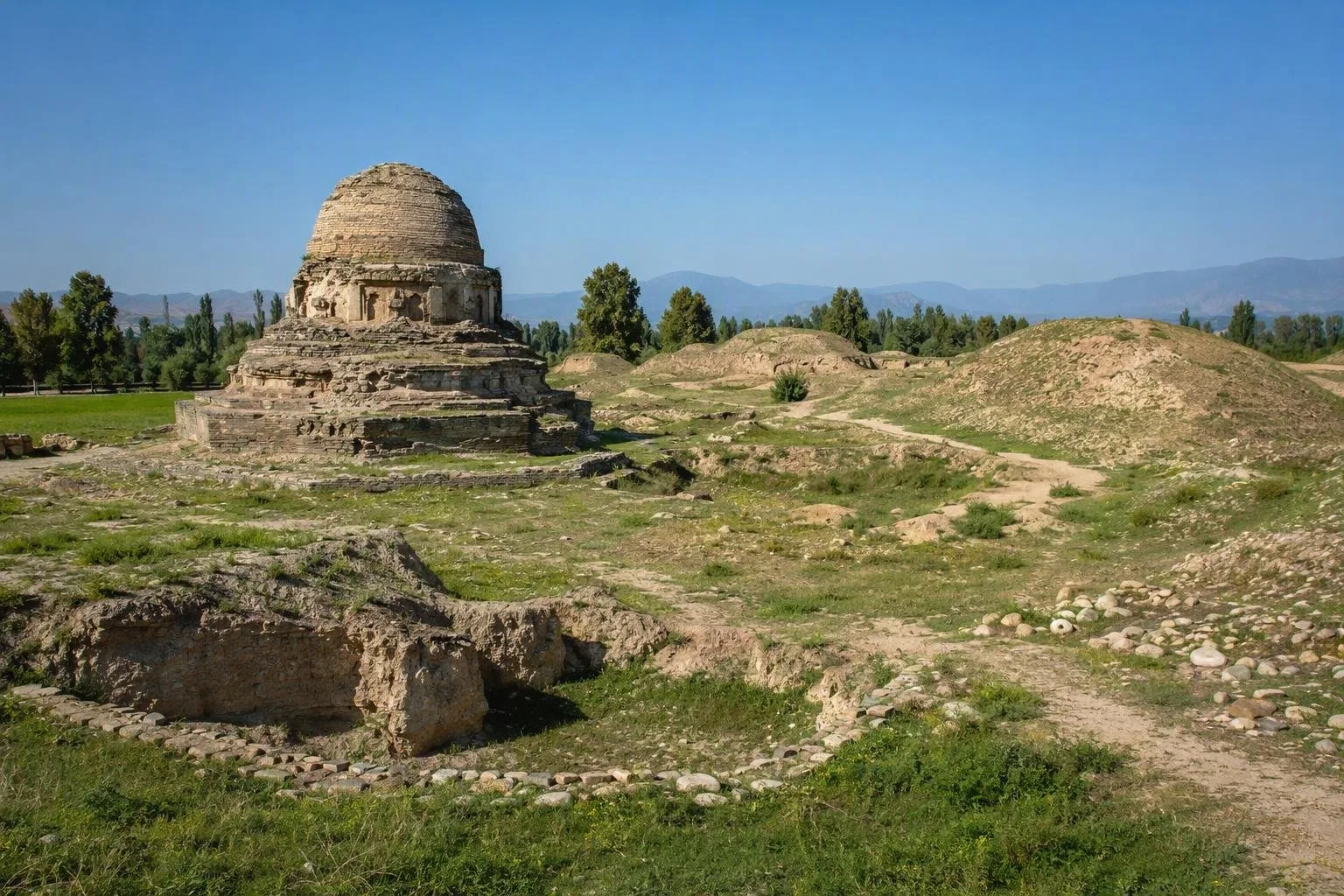
Hadda is a major Greco-Buddhist archaeological complex in Nangarhar, a few kilometres south and east of Jalalabad in eastern Afghanistan. Its monasteries and stupas produced an exceptional body of Buddhist sculpture shaped by Indian and classical visual traditions.
What Hadda is
Hadda is not one monument but a dispersed network of Buddhist monasteries, stupas and chapels spread across roughly 4–5 square kilometres. Artificial mounds, or tepe, mark much of the archaeology. The complex developed in the Jalalabad plain, on routes leading towards the Khyber Pass and India.
The place matters for the scale and quality of its sculpture. Hundreds of stone and mud figures were excavated here, forming one of the largest surviving bodies of Buddhist art from the first centuries CE.
Read the art closely
Hadda’s workshops used Buddhist subjects without following a single visual language. Look for heavily folded robes, expressive heads and classical-looking figures alongside Buddhas, bodhisattvas and donors.
At Tapa Shotor, a major monastery within the Hadda complex, Vajrapani—the Buddha’s protector—was represented with the muscular appearance of Herakles. This is not a Greek site with Buddhist decoration; it is Afghan Buddhist art that absorbed and transformed Indian, Greek and Roman forms.
The archaeological landscape
Key excavated complexes include Tapa Kalan, Tapa-i-Kafariha, Bagh Gai, Chakhil-i-Ghoundi and Tapa Shotor. Their original layout paired courtyards, stupas, chapels and monastic buildings. Tapa Kalan was the largest of the excavated monasteries.
Excavation campaigns began in the 1920s and resumed under Afghan archaeologists in the 1960s and 1970s. Finds included stucco, unbaked clay and stone sculpture, as well as decorated architectural fragments. Important surviving objects are held in Kabul and Paris; many works and much of the archaeological fabric were later damaged or destroyed.
Visiting reality
Hadda is about 10–12 kilometres south of Jalalabad, in Nangarhar Province. It is an archaeological landscape rather than a restored, ticketed museum site, and the remains are fragile.
Important: security constraints, looting and erosion have made fieldwork difficult. Do not treat Hadda as an independently accessible sightseeing stop. Any visit requires current local permission, reliable local arrangements and a security assessment made close to departure.
Best way to understand it
Pair the ground location with museum collections and excavation documentation. The most revealing details are often portable: faces modelled in stucco, flowing drapery, devotional figures and the hybrid image of Herakles-Vajrapani. At the site itself, focus on the relationship between the low mounds rather than expecting intact monumental buildings.
From the magazine
Stories about Hadda
Editorial stories linked directly to Hadda.
No stories about Hadda have been published yet.
Routes from our editors
Travel through Hadda
Editorial routes connecting Hadda with other countries, cities and hotspots.
No routes through Hadda have been published yet.
More in Afghanistan
Related hotspots
Other cities, nature areas and places within Afghanistan.
Begram Archaeological Site
1 linked stories and routes
Ai Khanum
1 linked stories and routes
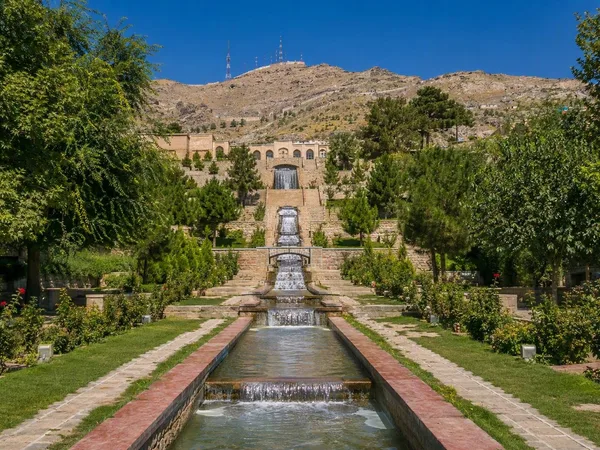
Kabul
1 linked stories and routes
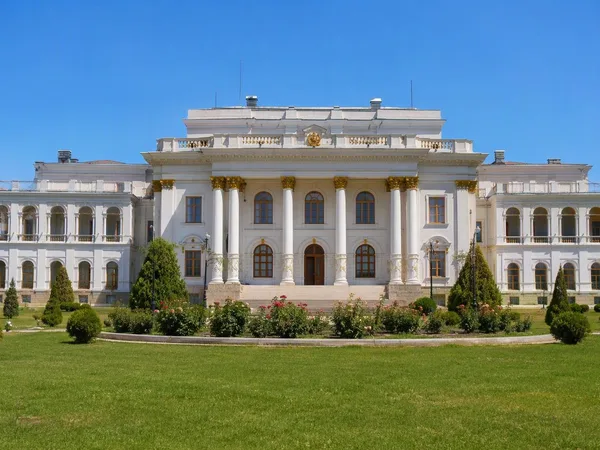
Darulaman, Kabul
1 linked stories and routes
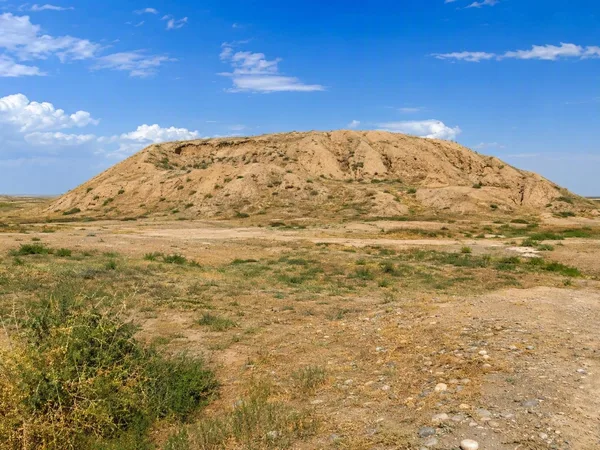
Tillya Tepe
1 linked stories and routes
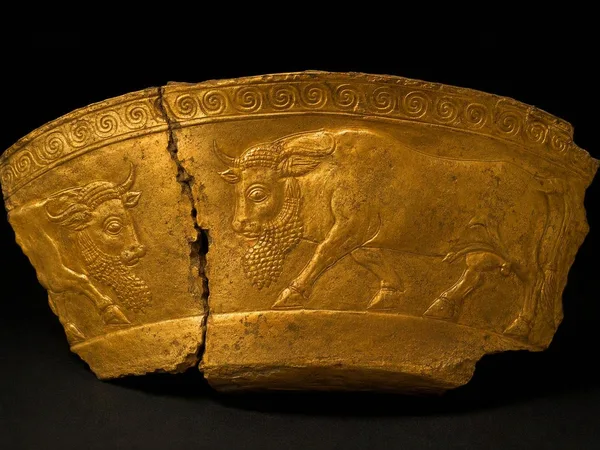
Tepe Fullol Archaeological Site
1 linked stories and routes