
City · Afghanistan
Kabul
Kabul is Afghanistan’s capital, set in a high basin between the Asmai and Sherdawaza ranges. Its surviving gardens, museum collections and older quarters trace the city’s role as a political centre and crossroads between Central and South Asia.
Read the city
Kabul lies roughly 1,800 metres above sea level in a valley cut by the Kabul River. The older city developed around the river and beneath the ridges; later planned districts and the Darulaman quarter spread to the southwest. This is Afghanistan’s capital and largest urban centre, but its terrain—not a neat grid—sets the rhythm: mountain slopes, river corridors, dense commercial streets and long road journeys between districts.
The city has controlled routes through the Hindu Kush and towards Pakistan and India for centuries. Babur made Kabul the first capital of his Mughal realm after taking it in 1504; it became Afghanistan’s capital under Timur Shah Durrani in 1776.
Key heritage stops
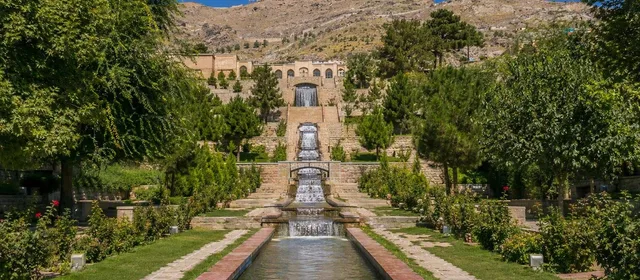
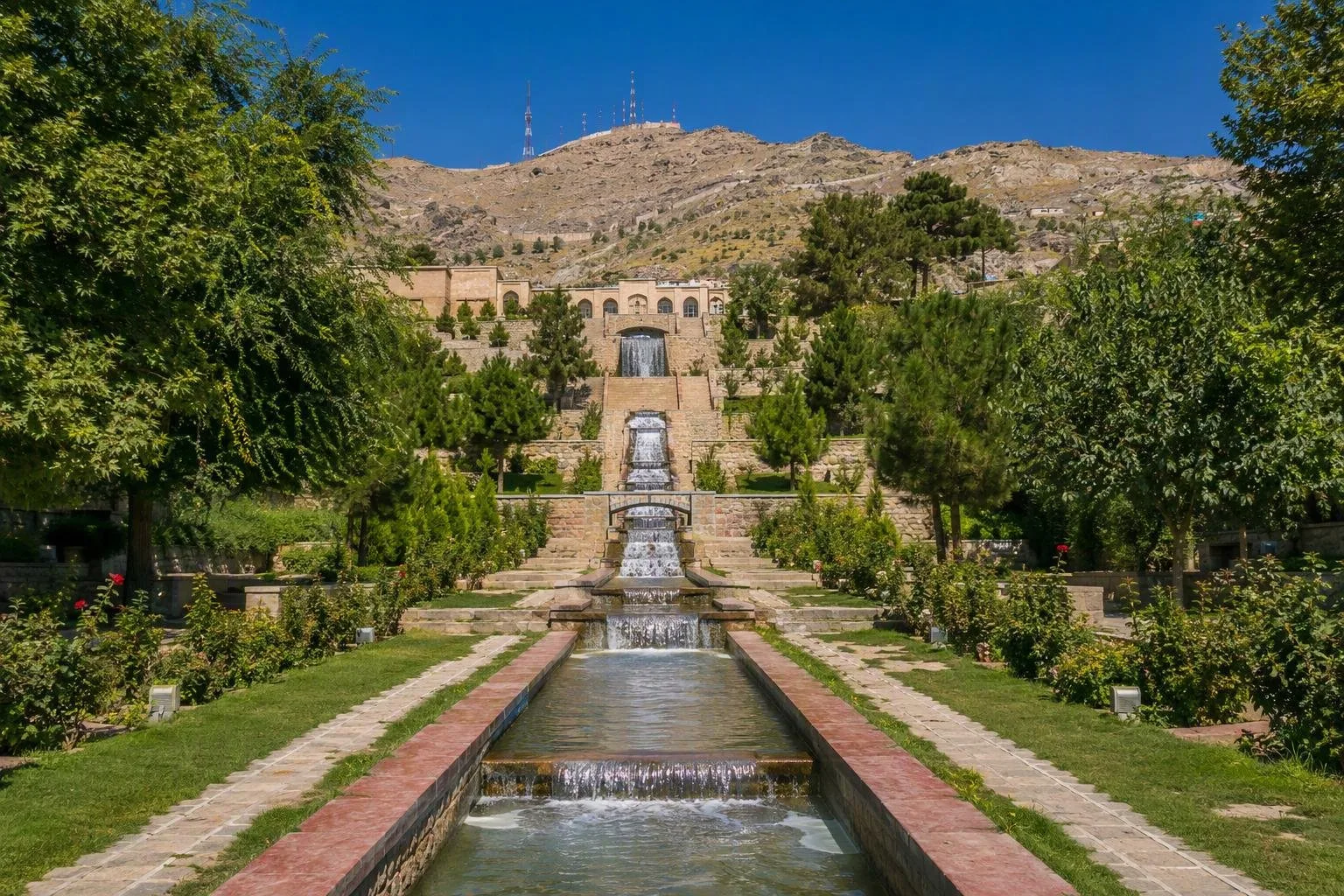
Bagh-e Babur is the clearest place to understand Kabul’s topography. On Sher Darwaza’s slopes southwest of the old city, this 11.5-hectare garden steps through 15 terraces on a central axis. Babur’s tomb stands here; a white-marble mosque commissioned by Shah Jahan sits below it. Walk upward to read the water channels, terraces and city-facing outlook in sequence.
National Museum of Afghanistan is in Darulaman, near Darul Aman Palace. Founded in 1919 and installed in its present building in 1931, it holds the country’s archaeological record from prehistory through Islamic periods. Look for material from Begram, Buddhist sculpture, coins and Islamic art. The museum was shelled and looted during the 1990s, and many surviving objects carry the visible history of conservation and repair.
Darulaman rewards an exterior-focused circuit: the museum and palace belong to Amanullah Khan’s early-20th-century planned administrative quarter. Treat access to individual buildings as variable.
How to structure a visit
Keep the heritage sites in separate blocks rather than attempting the city on foot. Start with Bagh-e Babur for the landscape and Mughal layer; use a separate journey for the museum and Darulaman. Kabul’s altitude brings cold winters and hot, dry summers, so spring and autumn are generally the more comfortable periods for outdoor sites.
Museum access, gallery rules and opening times can change. Confirm locally before setting out, and ask staff before taking photographs.
Essential reality
Kabul is not a routine leisure destination. Major government travel advisories advise against all travel to Afghanistan because of terrorism, kidnapping, detention risk and severely limited consular support. Do not treat an organised tour as a security guarantee.
For anyone already in Afghanistan with a lawful reason to travel, keep movements and plans discreet, follow local authority instructions, avoid sensitive government and security sites, and build the day around current local security information rather than a fixed itinerary.
From the magazine
Stories about Kabul
Editorial stories linked directly to Kabul.
No stories about Kabul have been published yet.
Routes from our editors
Travel through Kabul
Editorial routes connecting Kabul with other countries, cities and hotspots.
No routes through Kabul have been published yet.
More in Afghanistan
Related hotspots
Other cities, nature areas and places within Afghanistan.
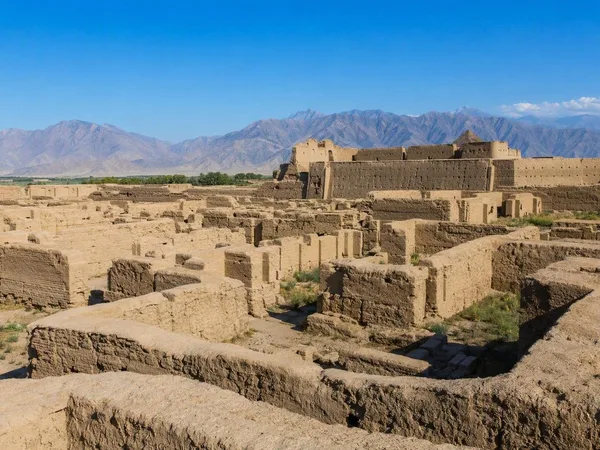
Begram Archaeological Site
1 linked stories and routes
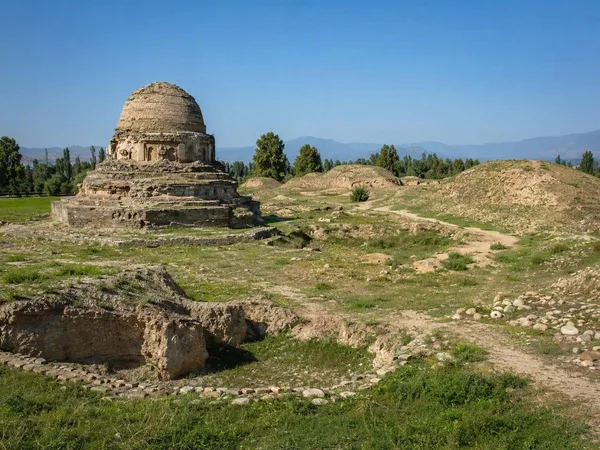
Hadda
1 linked stories and routes
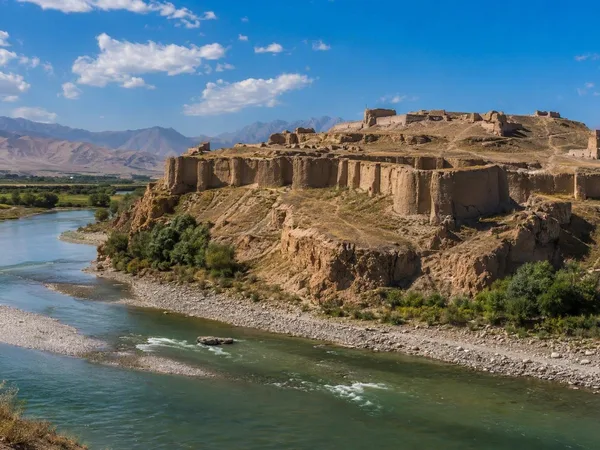
Ai Khanum
1 linked stories and routes
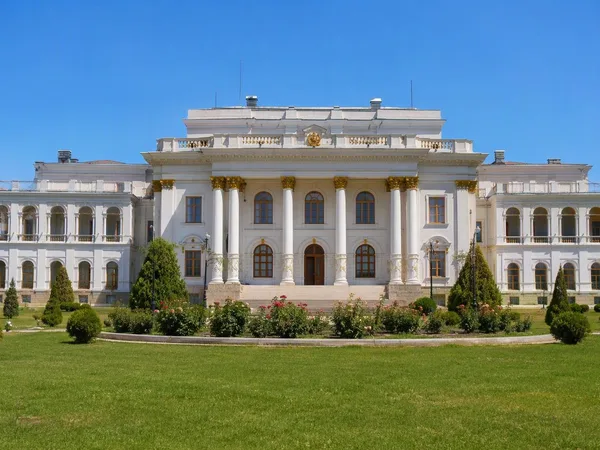
Darulaman, Kabul
1 linked stories and routes
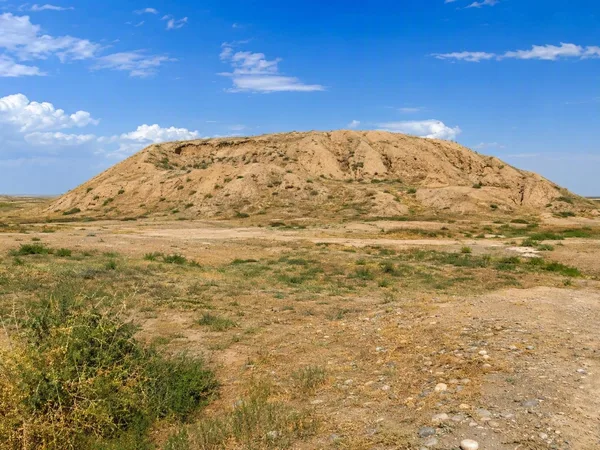
Tillya Tepe
1 linked stories and routes
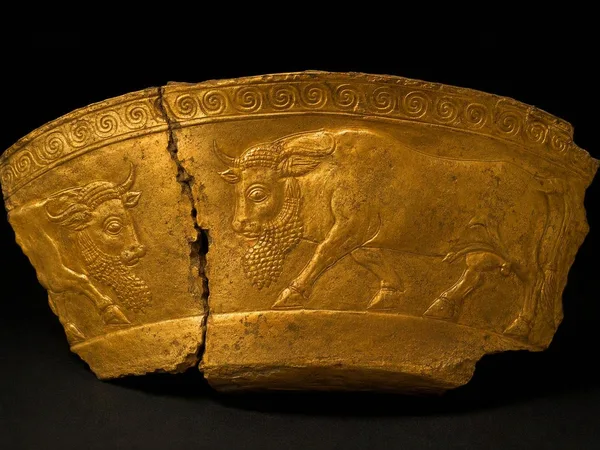
Tepe Fullol Archaeological Site
1 linked stories and routes