
City · Afghanistan
Herat
Herat is a historic city in western Afghanistan, in the Hari Rud valley. Its old city preserves major Timurid monuments, a layered Friday Mosque and a longstanding Persianate tradition of art, poetry and learning.
Orientation
Herat is the principal historic city of western Afghanistan, set in the fertile plain of the Hari Rud. Its square-plan old city remains the useful place to start: narrow lanes, courtyard houses, mosques, cisterns and market streets sit beneath the larger modern city. Herat reached a defining cultural peak under the Timurids in the 15th century, when royal patronage brought architecture, calligraphy, painting and scholarship into close contact.
The historic core
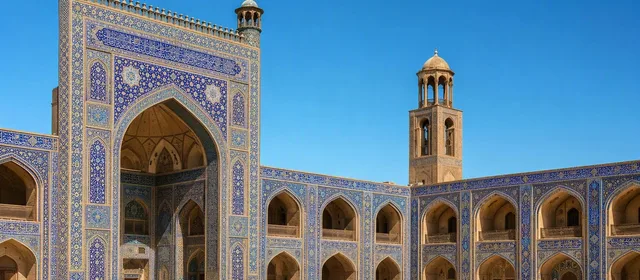
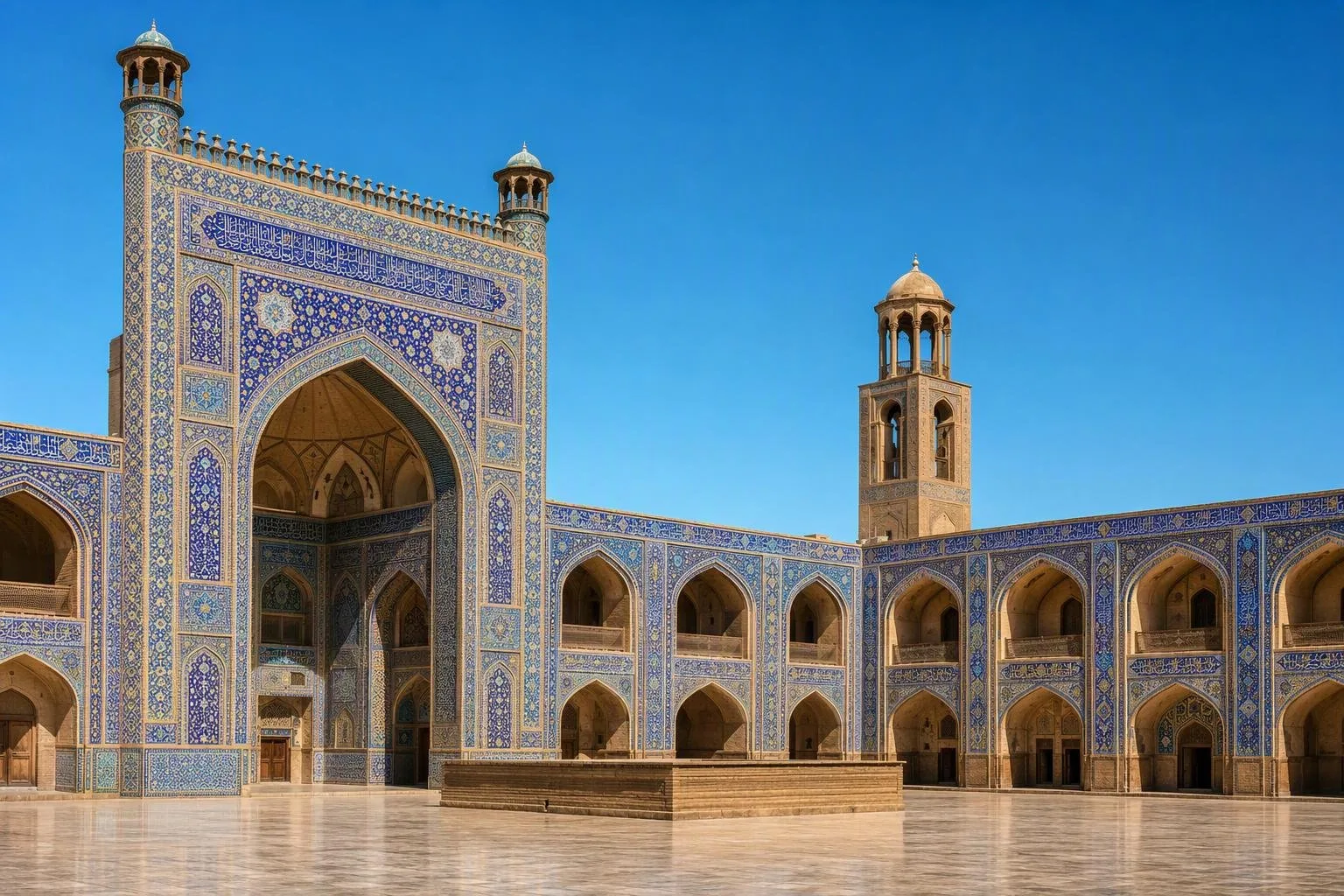
Begin with Masjid-e Jami, the Friday Mosque. Its present form is the result of successive rebuilding and decoration, but its great courtyard and four-iwan plan make the structure easy to read. Look closely at the blue-and-turquoise tilework, calligraphy and geometric patterning rather than treating the mosque as a single-period monument. It is an active place of worship: enter quietly, dress conservatively and give prayer times priority.
North of the old city stands Qala-e Ikhtiyaruddin, Herat’s citadel. The fortress occupies the site of an ancient stronghold associated with Alexander’s campaign, but the surviving battlements and towers are largely products of later rebuilding, especially the early 14th century. Timurid tilework survives on some towers. The citadel is the clearest way to understand why control of Herat mattered: it anchors the old city’s northern edge and commands the surrounding plain.
Timurid Herat
The Musalla complex is Herat’s most concentrated statement of Timurid ambition. Commissioned in the early 15th century under Queen Gawhar Shad, it once formed a far larger religious and educational ensemble. What survives includes her mausoleum, five minarets and remnants of the madrasa. The mausoleum’s ribbed, tiled dome and painted interior are central features.
The minarets are fragile heritage structures, not climbing towers. Keep to permitted paths and barriers; stabilization work and local access controls can change.
Art, letters and streets
Herat’s literary reputation belongs to its built fabric as much as to its famous names. The city is associated with the poet Jami, the painter Behzad and the Sufi scholar Khwaja Abdullah Ansari. Ansari’s shrine complex at Gazargah, northeast of the centre, combines a Timurid-era memorial setting with later structures and remains a place for prayer and contemplation.
Back in the old city, use the bazaar lanes to see how religious, domestic and commercial spaces interlock. The historic fabric is not a museum quarter: avoid entering private courtyards and ask before photographing people or working shops.
Travel reality
Security warning: official travel advice warns against all travel to Afghanistan because of severe and unpredictable security risks, including detention, kidnapping and attacks. Do not treat a guided itinerary as a substitute for a current risk assessment. Local rules, movement restrictions and site access can change without notice.
From the magazine
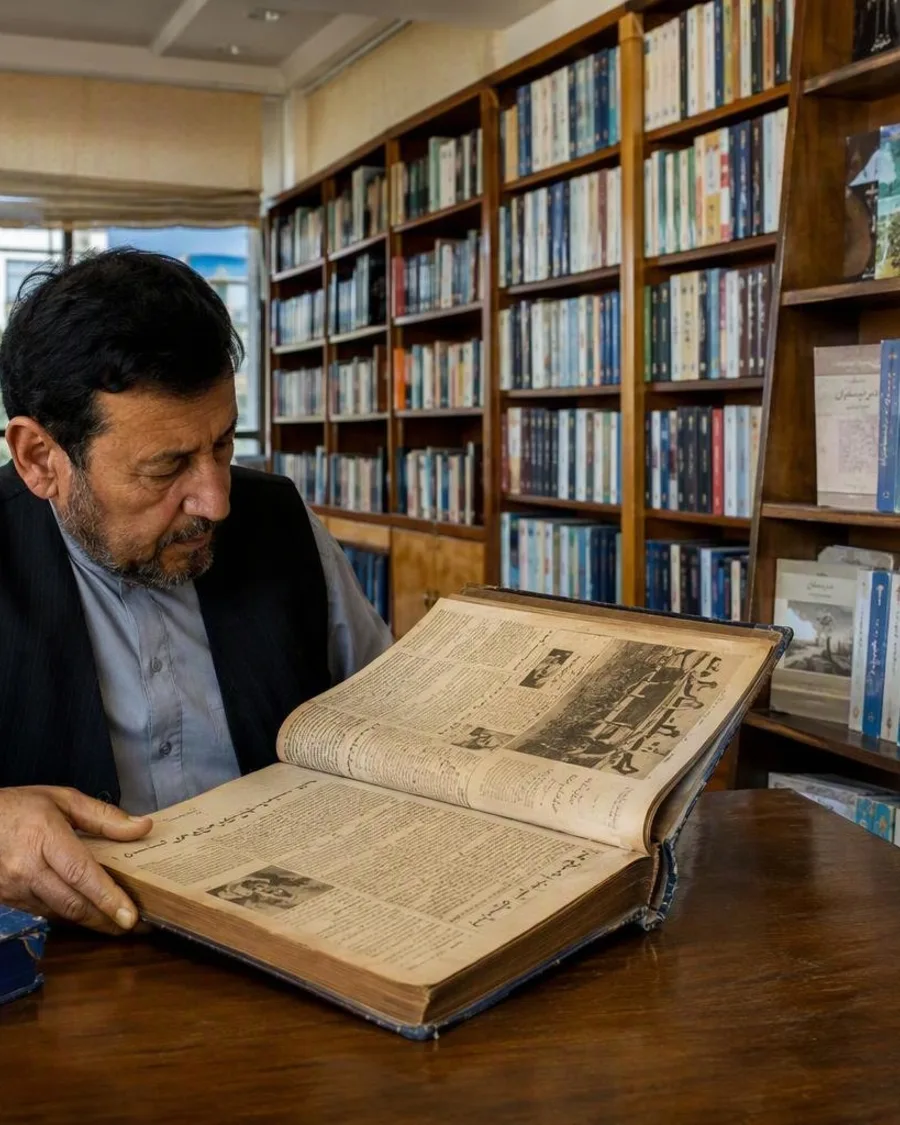
Stories about Herat
Editorial stories linked directly to Herat.
Routes from our editors
Travel through Herat
Editorial routes connecting Herat with other countries, cities and hotspots.
No routes through Herat have been published yet.
More in Afghanistan
Related hotspots
Other cities, nature areas and places within Afghanistan.
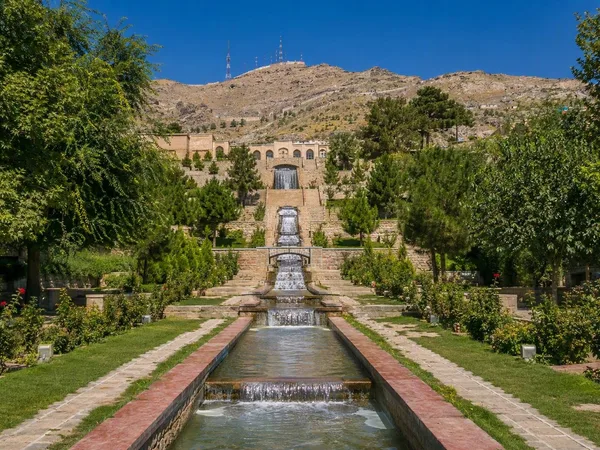
Kabul
3 linked stories and routes
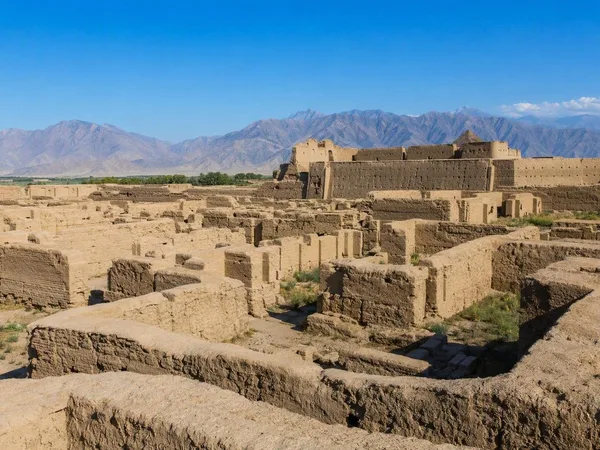
Begram Archaeological Site
1 linked stories and routes
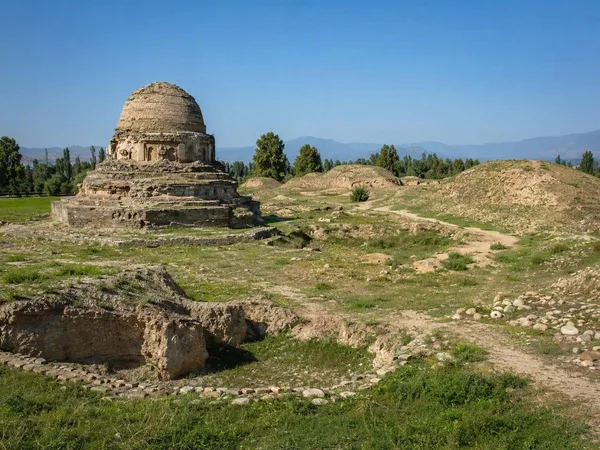
Hadda
1 linked stories and routes
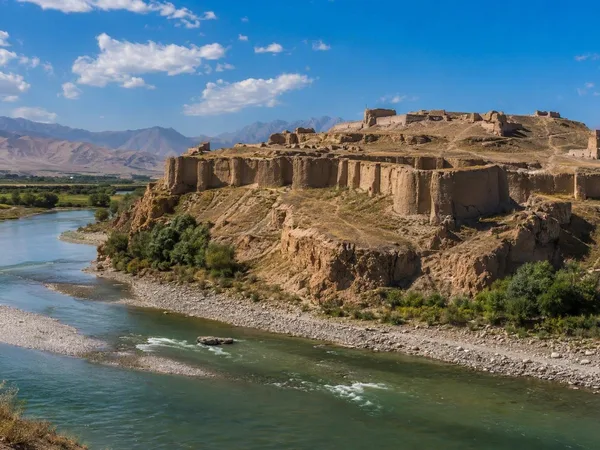
Ai Khanum
1 linked stories and routes
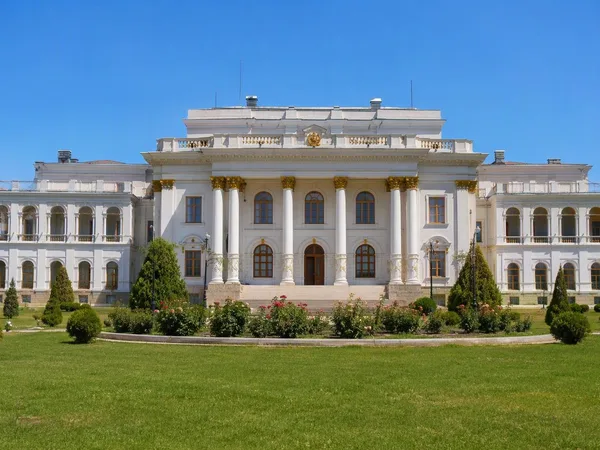
Darulaman, Kabul
1 linked stories and routes
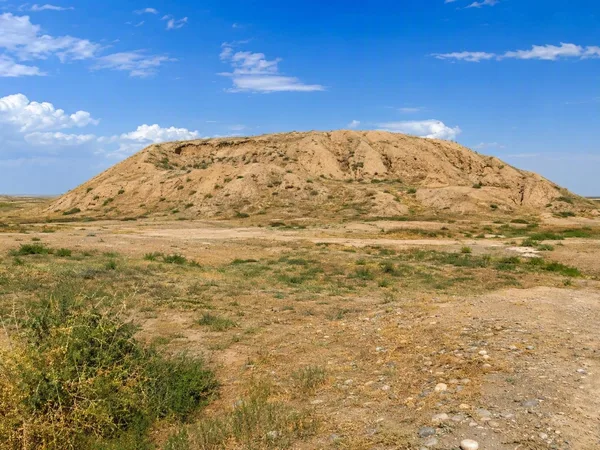
Tillya Tepe
1 linked stories and routes
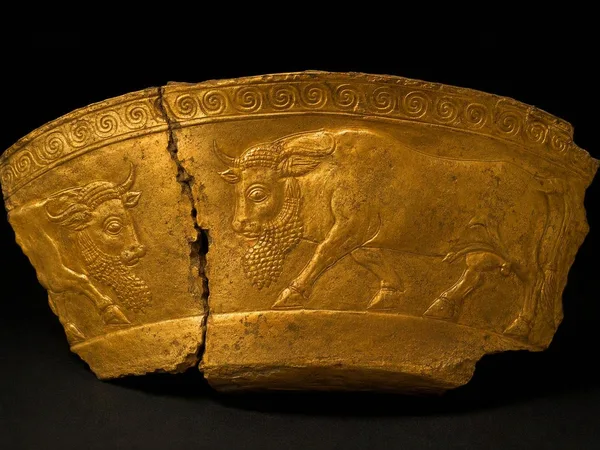
Tepe Fullol Archaeological Site
1 linked stories and routes
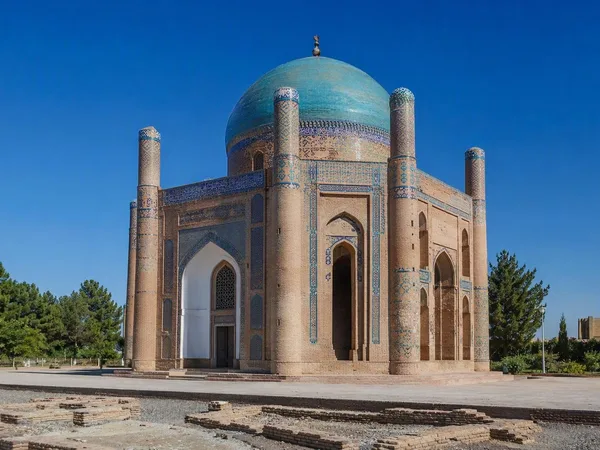
Balkh
1 linked stories and routes
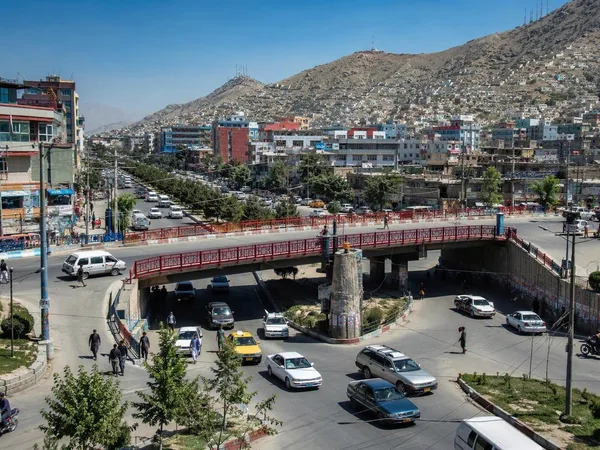
Pole-e Surkh, Kabul
1 linked stories and routes