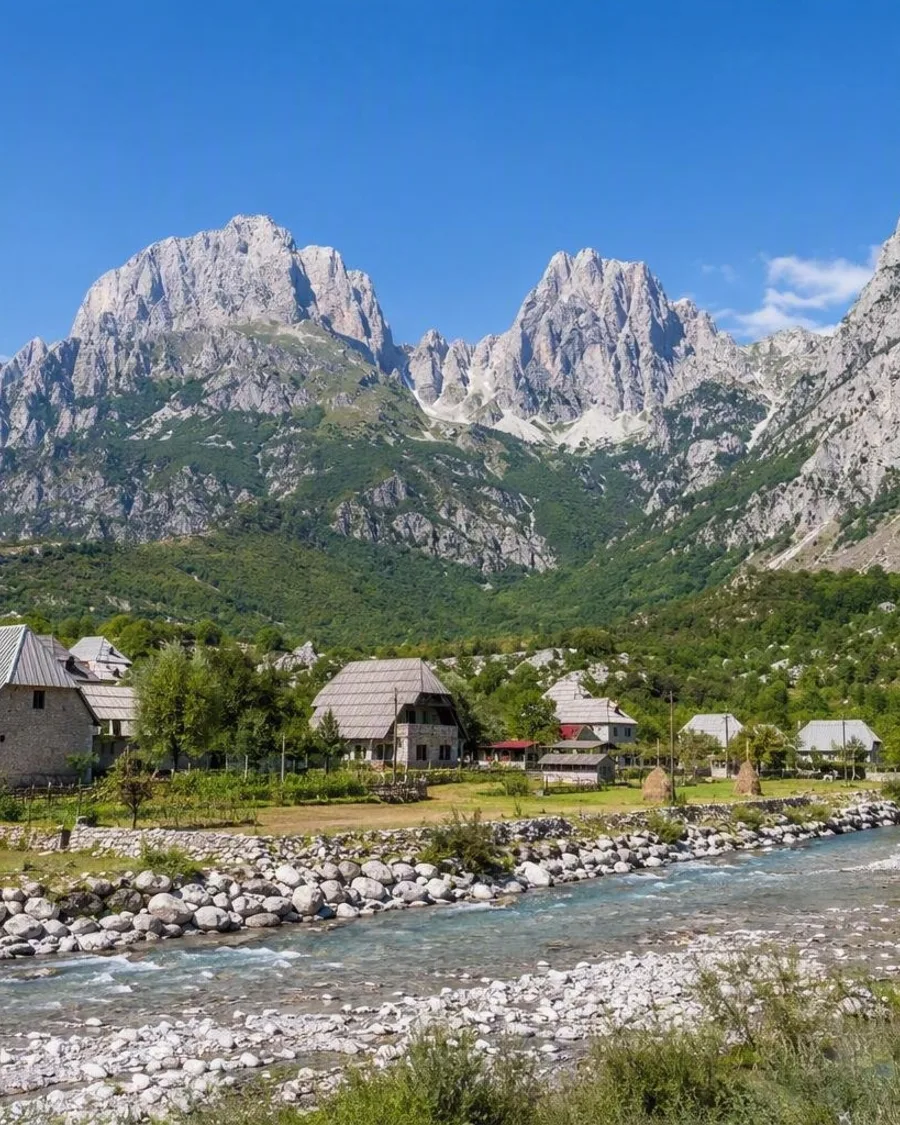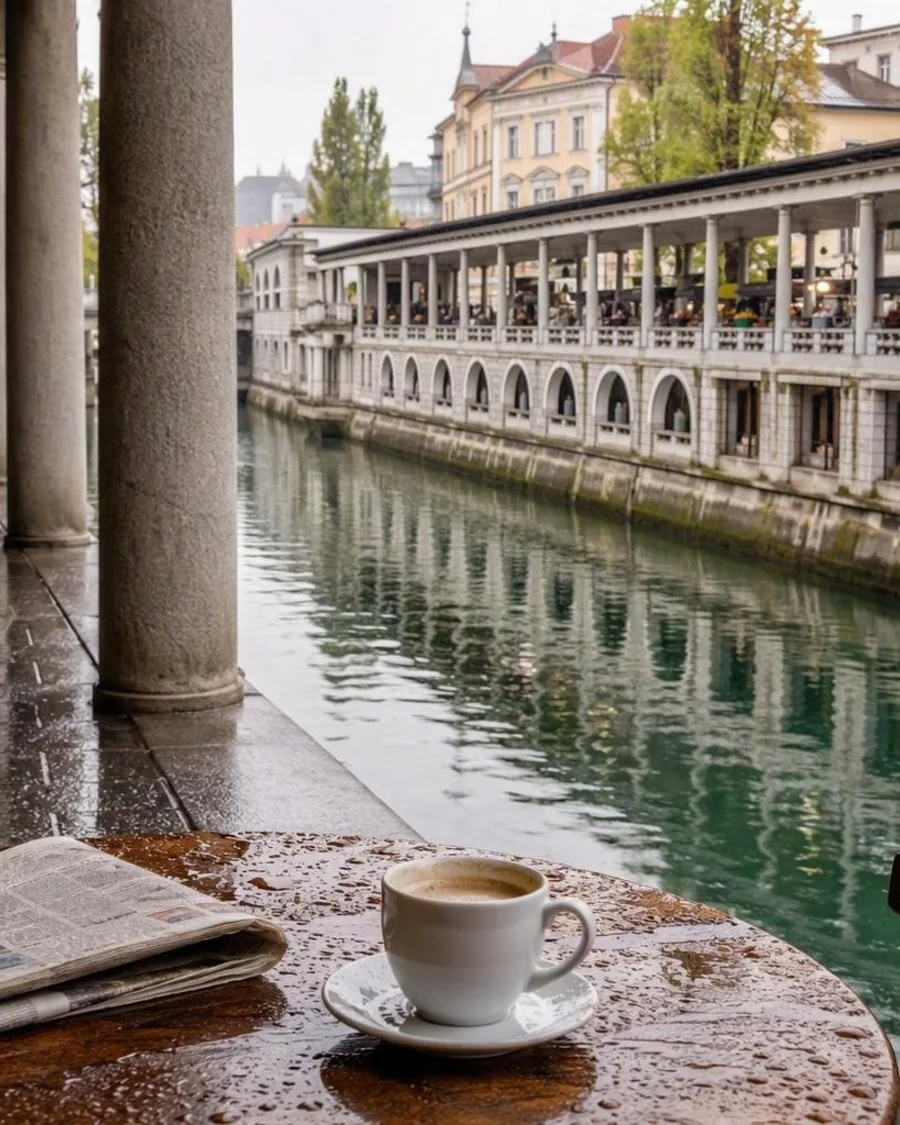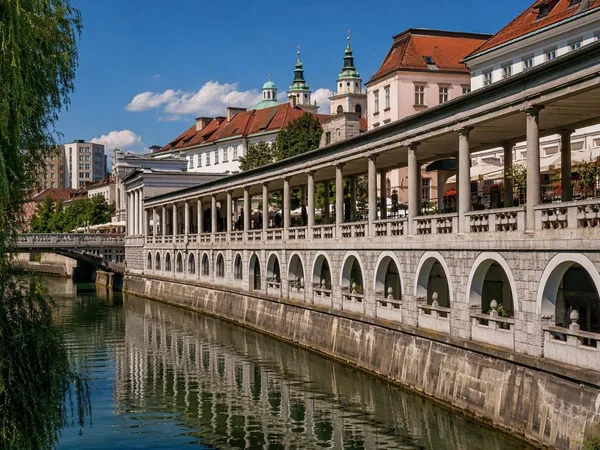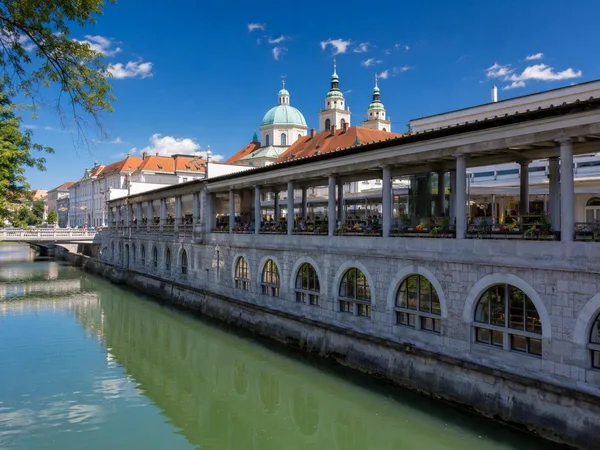
Slovenia packs strikingly different landscapes into a small space. The Julian Alps rise above the clear Soča River and Lake Bohinj, while vineyards cover the lower hills to the east. In Ljubljana, people cross Jože Plečnik’s Triple Bridge, buy fruit and cheese at the central market, and sit beside the Ljubljanica at pavement cafés. The capital feels compact and lived-in, with Baroque facades, Habsburg-era streets and a strong local food scene.
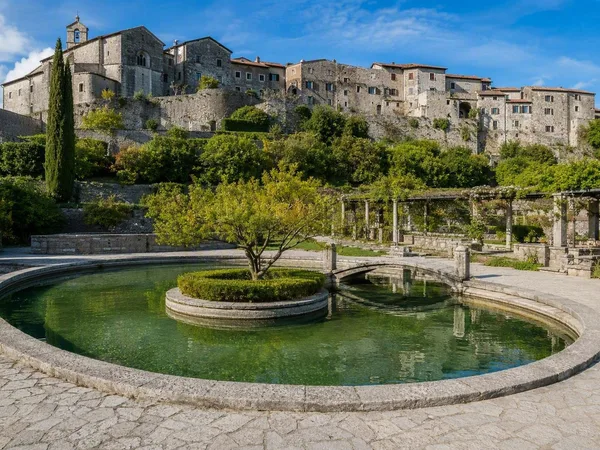
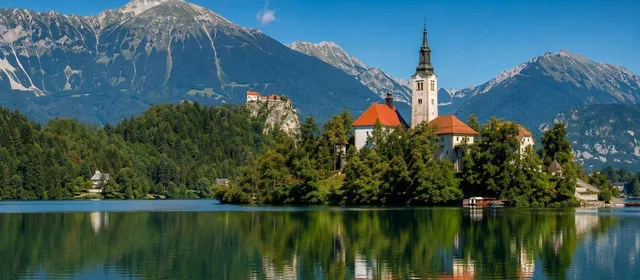
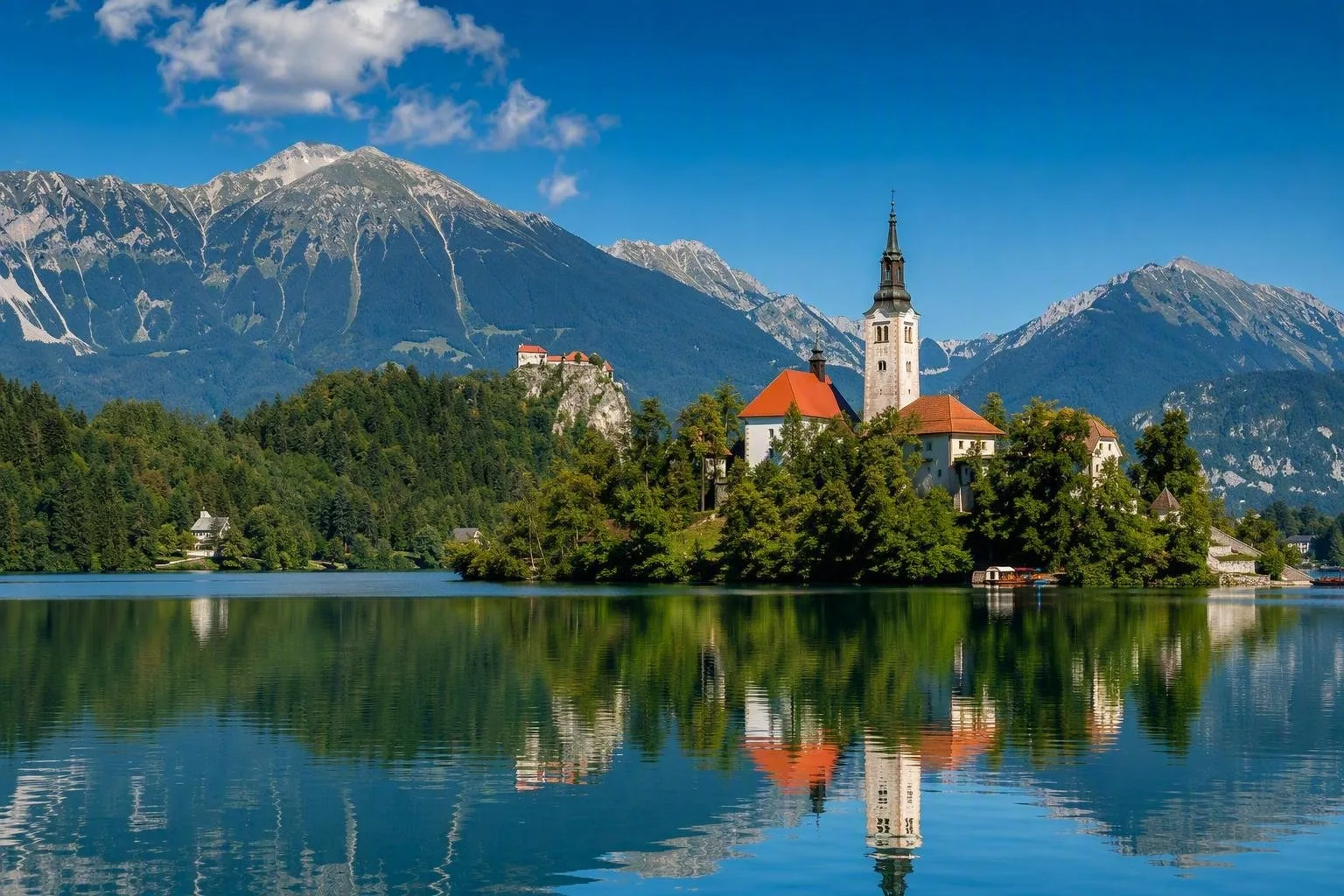
Lake Bled draws the largest crowds, with its island church and mountain backdrop, but Lake Bohinj offers a broader, quieter shore beneath the peaks of Triglav National Park. South of Ljubljana, the Reka River disappears underground and runs through the huge chambers of the Škocjan Caves. Across the Kras region, stone villages, red-soil vineyards and dry-stone walls mark the limestone country that stretches towards the coast.
Piran changes the scene again. Venetian facades line its narrow lanes, and fishing boats moor below Tartini Square. In the Vipava Valley and Goriška Brda, growers make wine from local grapes alongside familiar international varieties. Slovenian tables bring together štruklji dumplings, buckwheat, cured ham and potica cake. Take time for more than Bled and Ljubljana, and Slovenia gives you mountains, caves, farm country and the sea in one welcoming trip.