
Sight · Slovenia
Dragon Bridge
Dragon Bridge is a 1901 Art Nouveau road bridge over the Ljubljanica in central Ljubljana, immediately north of the Central Market. Its four sheet-copper dragons make it one of the city’s defining public landmarks.
What it is
Dragon Bridge (Zmajski most) crosses the Ljubljanica between Resljeva cesta and Kopitarjeva ulica, at the north end of Ljubljana’s Central Market. This is a working road bridge, not a pedestrian square: walk it for the four dragons, the Secession detailing and a concise lesson in early concrete engineering.
The bridge replaced the wooden Butchers’ Bridge, which had stood here from 1819. Built in 1900–1901, it was Ljubljana’s first reinforced-concrete structure and among Europe’s major bridges of that new type at the time. It opened as the Jubilee Bridge of Emperor Franz Joseph I; the dates 1848–1888 remain visible in its decoration.
Read the structure
Engineer Josef Melan prepared the structural design, using a reinforced-concrete arch system. The principal arch spans 33.34 metres. Architect Jurij Zaninović designed the visible character: concrete cladding, balustrades, lamps and sculpture in the Vienna Secession, the local Art Nouveau current.
Look beyond the dragons for:
- The shallow arch below the road deck, a deliberate display of modern material and structural confidence.
- Balustrades and lamp standards with flowing Secession ornament.
- The imperial jubilee inscription, a surviving reminder of the bridge’s first name.
The bridge is protected as a technical monument.
The four dragons
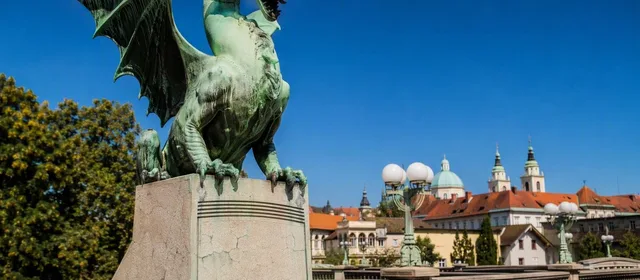
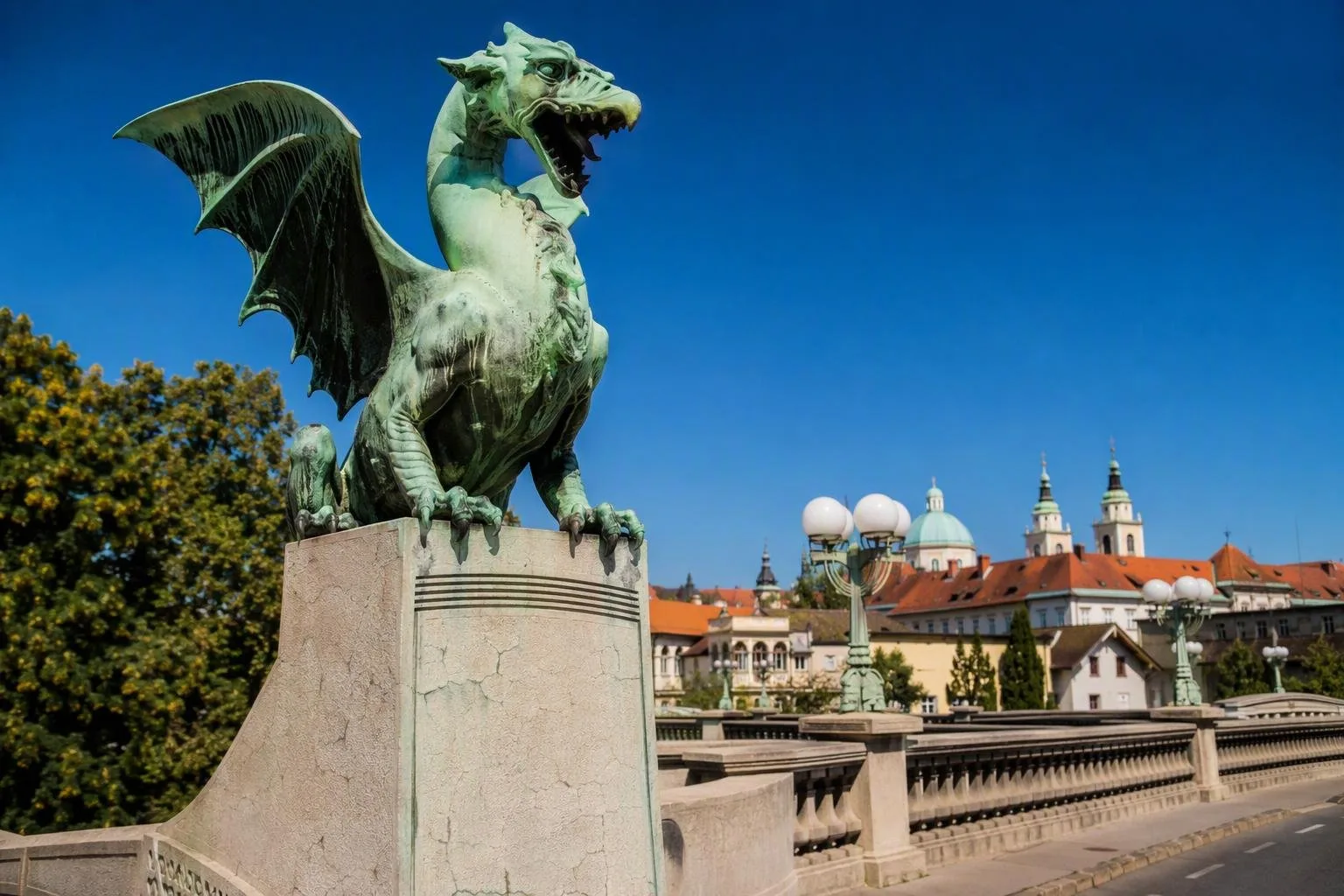
A large winged dragon occupies each corner on a plinth. They are made from sheet copper rather than cast bronze; their weathered green surface is part of the bridge’s familiar appearance. The dragon was already Ljubljana’s civic symbol, appearing on its coat of arms, and the sculptures turned a municipal crossing into an emblem of the city.
The figures replaced winged lions proposed in an earlier decorative scheme. For a close photograph, use the pavement at either end and frame one dragon against the lamps and river rather than trying to capture the whole bridge from the roadway.
Access and nearby route
There is no entry charge or gate. Pedestrian pavements run along both sides, but traffic uses the carriageway; stay on the pavements, especially when stopping for photographs.
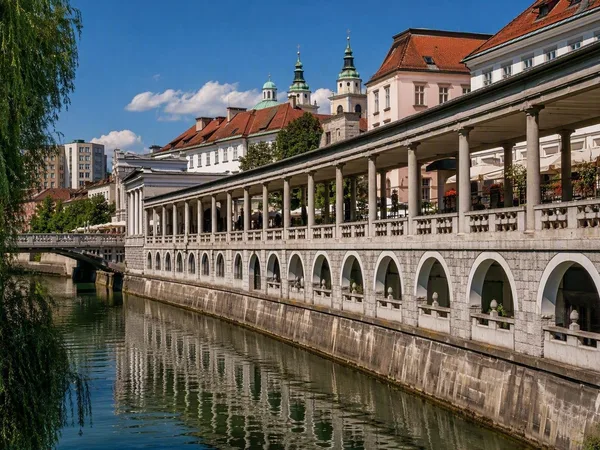
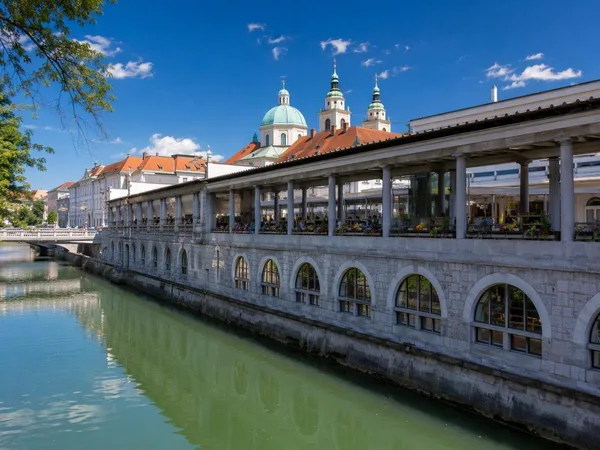
From Prešeren Square, follow the river past the Triple Bridge and the market colonnade to reach Dragon Bridge. It is a natural short stop before continuing east or returning along the riverside. Combine it with the market only if the market itself interests you; Dragon Bridge needs little more than a slow crossing and time to inspect its corners.
Best way to see it
Approach from the market side for the full line of bridge, river and dragon sculpture. Then cross once and inspect a second dragon from the opposite pavement: the statues are designed as corner guardians, so their profiles change noticeably with your position. Early morning is the clearest time to study the details before vehicle and pedestrian flow builds.
From the magazine
Stories about Dragon Bridge
Editorial stories linked directly to Dragon Bridge.
No stories about Dragon Bridge have been published yet.
Routes from our editors
Travel through Dragon Bridge
Editorial routes connecting Dragon Bridge with other countries, cities and hotspots.
No routes through Dragon Bridge have been published yet.
More in Slovenia
Related hotspots
Other cities, nature areas and places within Slovenia.
Ljubljana
3 linked stories and routes
Central Market
2 linked stories and routes
Štanjel
1 linked stories and routes
Cobblers’ Bridge
1 linked stories and routes
Triple Bridge
1 linked stories and routes
Trnovski pristan Embankment
1 linked stories and routes
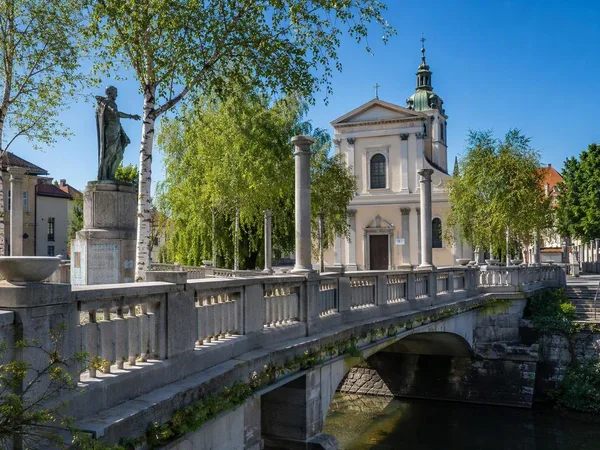
Trnovo, Ljubljana
1 linked stories and routes
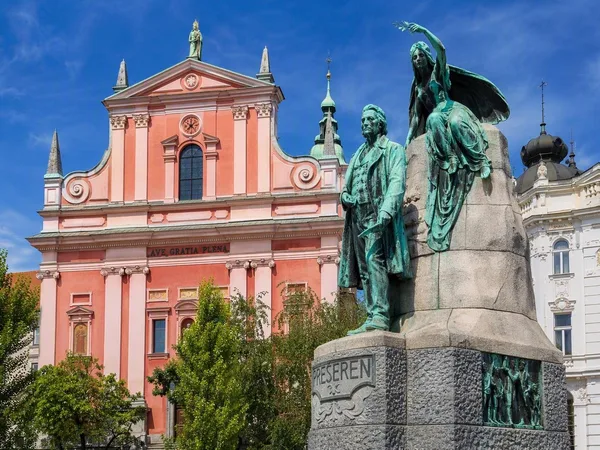
Prešeren Square
1 linked stories and routes
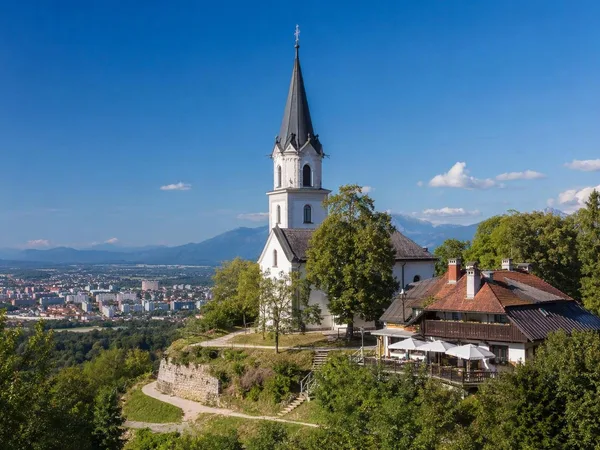
Rožnik Hill
1 linked stories and routes
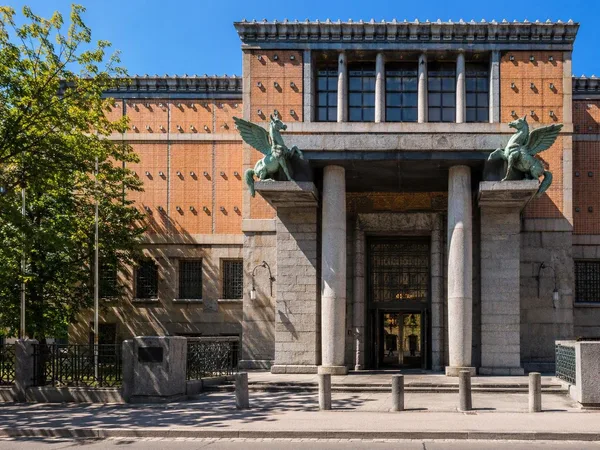
National and University Library (NUK)
1 linked stories and routes
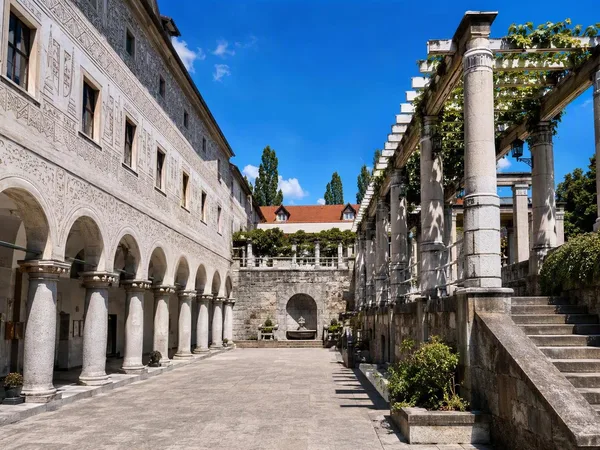
Križanke Summer Theatre
1 linked stories and routes
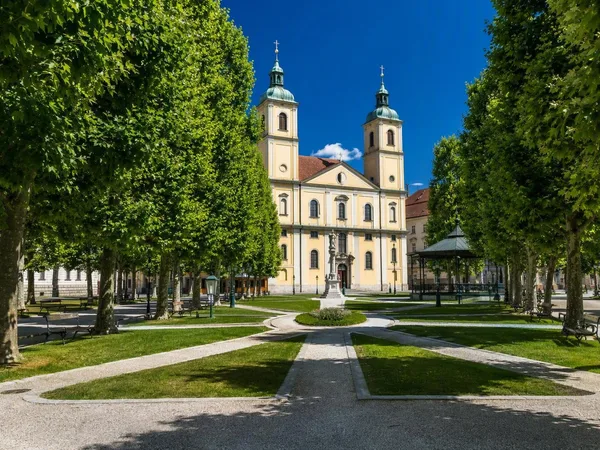
Kongresni trg (Congress Square)
1 linked stories and routes
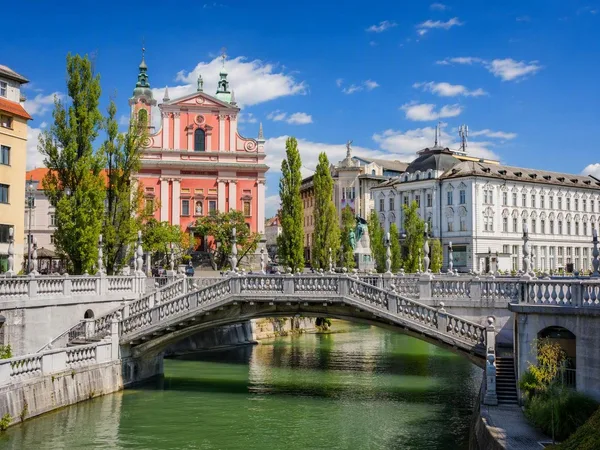
Triple Bridge (Driebruggen)
0 linked stories and routes
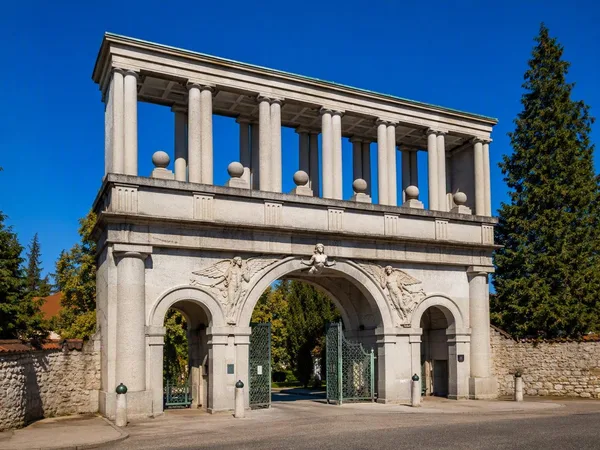
Žale Cemetery
0 linked stories and routes
Tivoli Park
0 linked stories and routes