Croatia

Stone cities and Adriatic islands

Croatia

Croatia pairs an island-fringed Adriatic coast with mountain country, fertile plains and cities shaped by several empires.

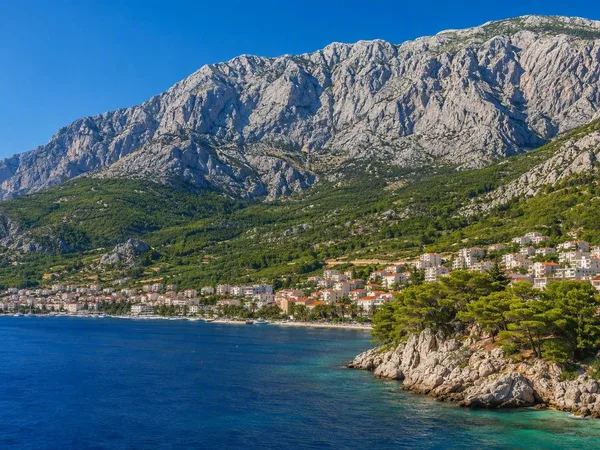
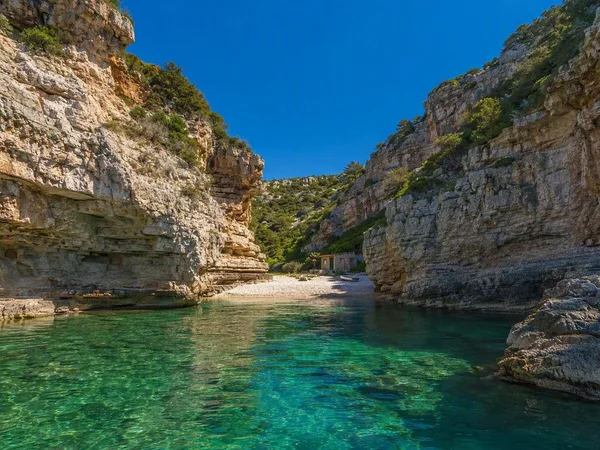
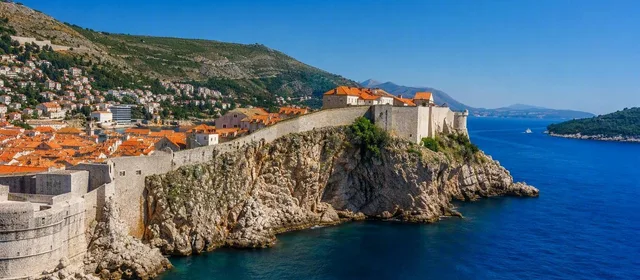
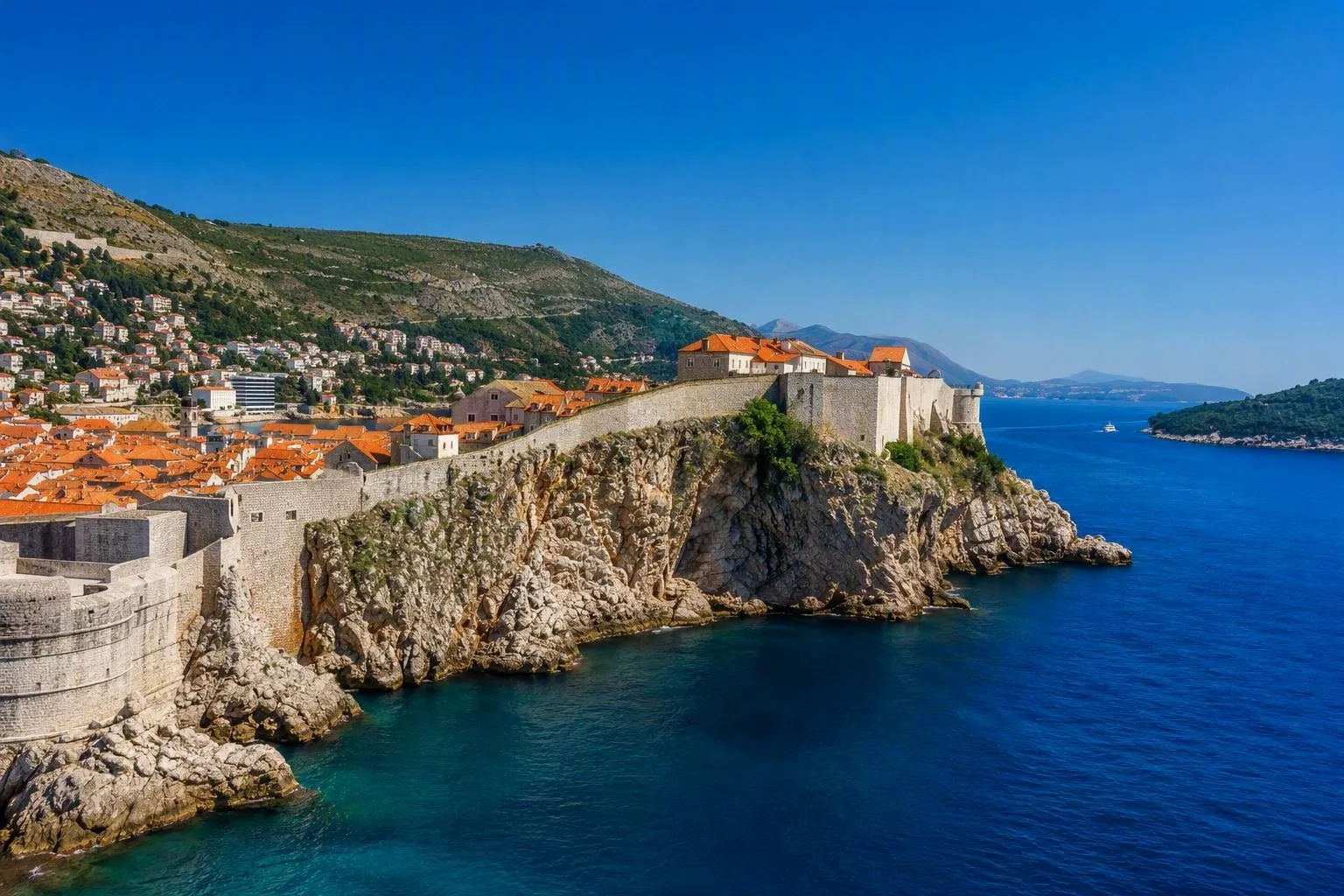
Dubrovnik’s walls rise straight from the Adriatic, yet Croatia’s most interesting contrasts begin beyond its famous old town. Ferries cross narrow channels to islands of dry stone, vineyards and small harbours. A few kilometres inland, the Dinaric Alps rise behind the coast. In Zagreb, Austro-Hungarian façades frame produce markets, tram stops and café tables. The coast looks south to the Mediterranean; the capital and northern plains carry a Central European feel.

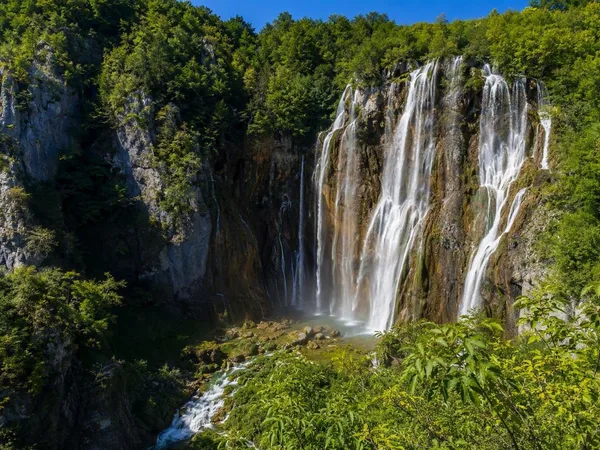
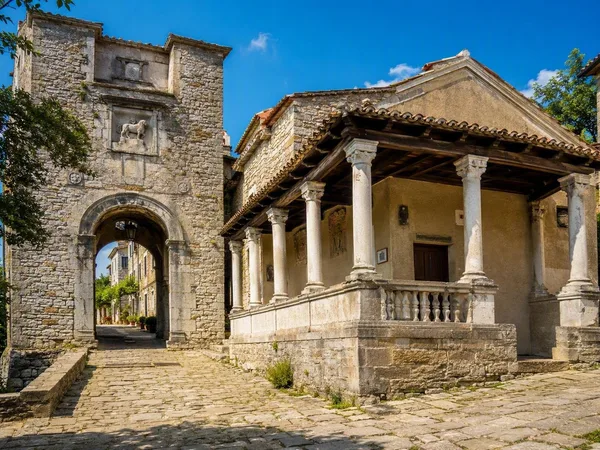
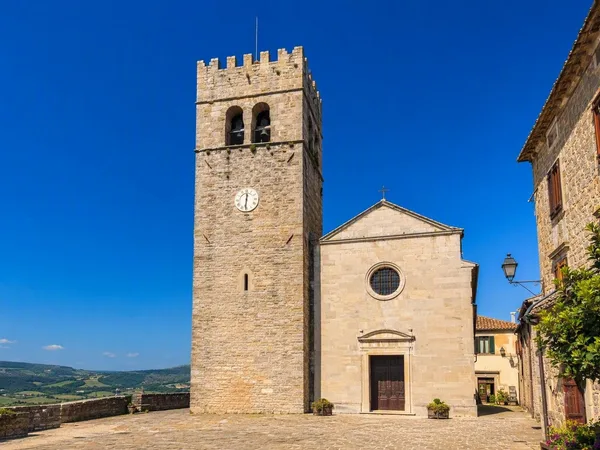
History sits in plain view without stopping daily life. In Split, people live, shop and eat among the stone rooms and passages of Diocletian’s Palace. Rovinj’s waterfront and bell tower show centuries of Venetian rule, while Istrian farms press olive oil and grow grapes and truffles. At Plitvice Lakes, wooden paths run beside clear lakes and waterfalls. Kopački Rit, near the Danube, holds marshes, reed beds and birdlife.

Food follows the map. Coastal kitchens grill fish and squid with blitva, a dish of chard and potatoes. Istrian cooks serve fuži pasta with truffles or game. In Slavonia, paprika, river fish and cured pork appear on the table. Local markets still sell the produce of each region. Take time for an island ferry, a Zagreb market lunch or a meal in an inland village, and Croatia becomes much more than its old-town walls and summer beaches.

When to go

Best time to travel

Monthly values are indicative average maximum temperatures for Split and the central Adriatic coast. Conditions vary meaningfully between the coast, islands, mountains and continental interior. Monthly values are indicative average maximum temperatures for Split and the central Adriatic coast. Conditions vary meaningfully between the coast, islands, mountains and continental interior.

jan11°C feb12°C mar15°C apr18°C may23°C jun27°C jul30°C aug30°C sep26°C oct21°C nov16°C dec12°C

Weather in the capital

Practical Croatia

On every country page we show the current weather for the capital.

Zagreb
Morning13°Cpartly cloudy
Afternoon25°Cpartly cloudy
Evening22°Covercast
today25°C / 12°Chigh and low

Current forecast by Open-Meteo

Getting around

Intercity buses serve more places than trains, particularly along the coast. Ferries link the mainland and islands. A car is useful for rural areas and national parks.

Paying in Croatia

Cards are widely accepted in cities and resorts. Keep some cash for small cafés, markets, kiosks and some island businesses. ATMs are common.

Where to stay

Hotels, private apartments, guest rooms and campsites are widely available. Coastal and island accommodation often fills quickly in July and August.

Before you leave

Worth knowing

A practical starting point for your trip. Check current conditions and local information before you leave.

01

Language

Croatian is the official language. English is widely spoken in visitor areas, while Italian and German are also common in parts of the coast.

02

Calling code

Croatia’s international calling code is +385.

03

Driving side

Traffic drives on the right, and drivers overtake on the left.

04

Motorway tolls

Most motorways charge tolls by distance. Drivers take a ticket on entry and pay by card or cash on exit. ENC electronic payment lanes are also available.

05

Ferry boarding

Foot passengers and vehicles usually use separate boarding lanes. Vehicle spaces can be limited, and ferry staff inspect or scan tickets before boarding.

06

Ticket validation

Validation rules vary by city and operator. Some paper tickets need stamping or scanning, while mobile tickets must be activated before boarding.

07

Tipping

Service is not usually added automatically. Diners often round up the bill or leave about 5–10% for good table service.

08

Meal times

Lunch is often the main meal. Dinner commonly starts from about 7 pm, with later service at coastal restaurants in summer.

09

Opening hours

Many shops open from morning until early evening. Sunday hours vary, and coastal businesses often stay open later in summer.

10

Mobile service

Croatia has broad 4G coverage and growing 5G service. EU SIM users generally receive domestic roaming allowances under EU rules, subject to their provider’s terms.

11

Measurements

Croatia uses the metric system. Road distances are in kilometres, temperatures in Celsius and fuel in litres.

12

Beach surfaces

Many Adriatic beaches have pebbles, rock shelves or concrete bathing platforms rather than sand.

Cities and hotspots

Places worth saving

From city to nature reserve: places with stories, facts and tips.