Island · Croatia
Vis
Vis is a Croatian island in the outer central Dalmatian archipelago, reached by ferry from Split. Its two main towns, Vis and Komiža, link Greek-era history, fishing harbours, vineyard country and a sharply indented coast.
Island layout
Vis is a limestone island in the open Adriatic, with Vis Town on the northeast coast and Komiža on the west. The two settlements make the practical bases: Vis Town receives the mainland ferry, while Komiža is the departure point for boats to Biševo.
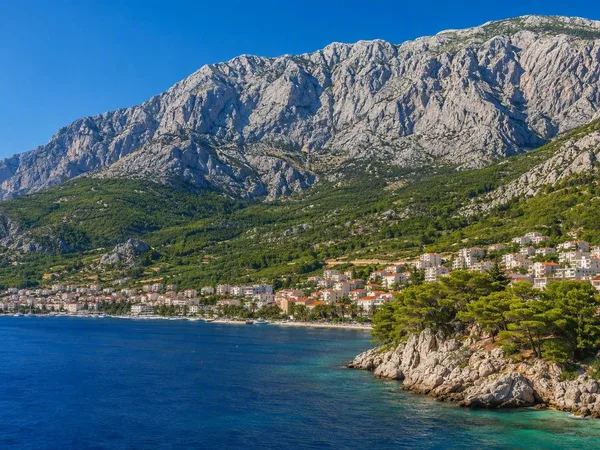
The island’s long period as a military base, closed to foreign visitors until 1989, left a landscape with fewer large resorts and a network of former military sites. Inland roads cross cultivated fields, vines and olive groves; the coast changes quickly from harbourfront to small bays and cliffs.
Vis Town and Komiža
Vis Town stands on the site of ancient Issa, a Greek colony founded in the 4th century BC. Walk the waterfront and the older lanes of Kut, then look for the archaeological collection at Gospina Battery and Roman remains near the town.
Komiža is the island’s fishing town, set below Mount Hum. Its stone harbour, old fishing houses and the Fishing Museum in the 16th-century Kaštel explain the town’s maritime identity. It is also the useful base for an early boat outing.
Coves, beaches and sea trips
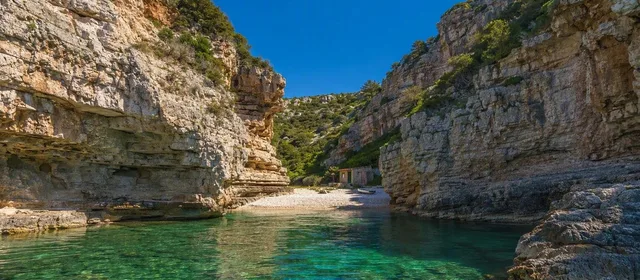
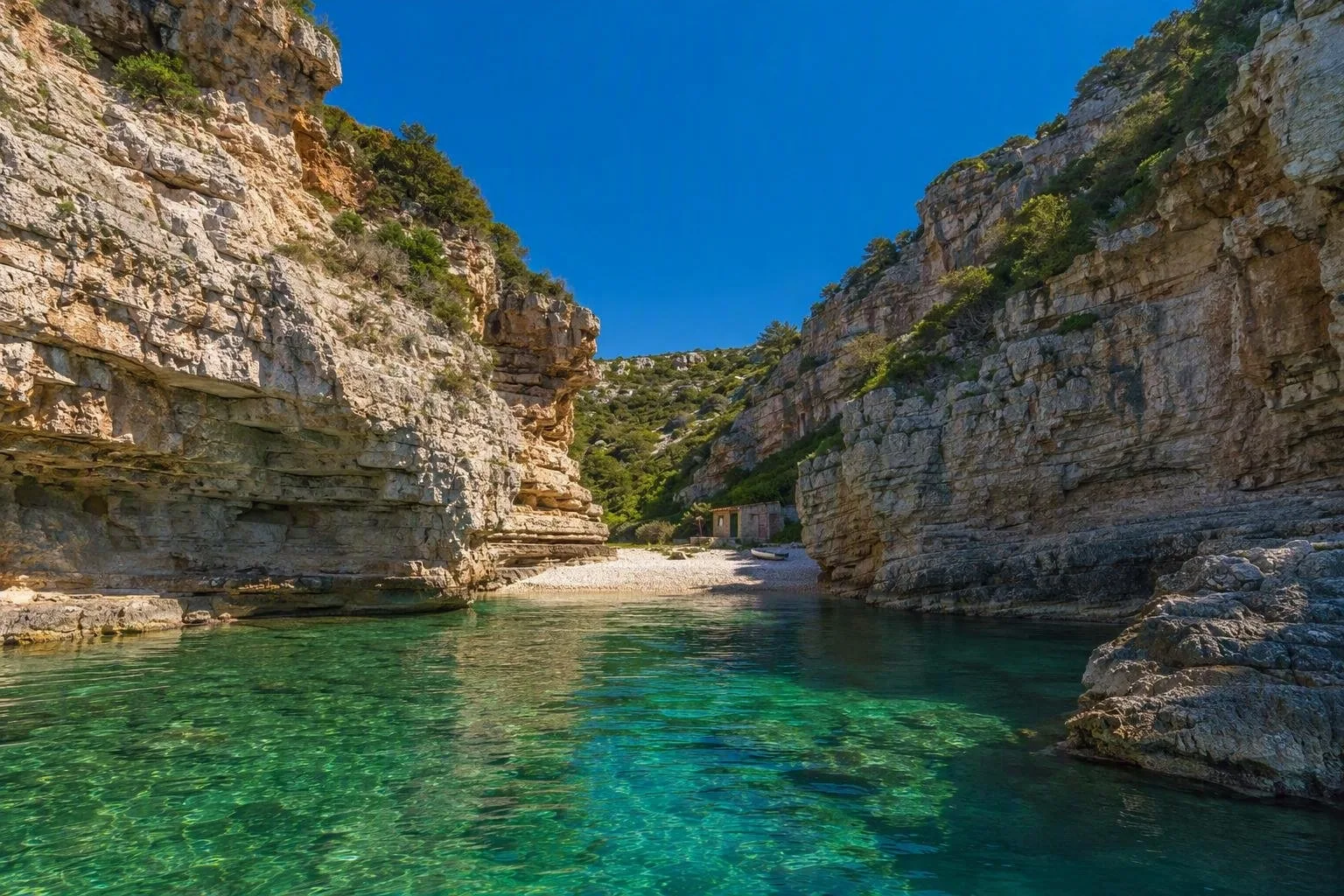
Stiniva is Vis’s defining coastal scene: a small pebble cove hidden behind a narrow gap between high cliffs. Arrival by sea is the straightforward option. The land route is a demanding, steep descent of roughly 20 minutes; use proper footwear rather than beach sandals.
For easier beach time, choose according to the surface:
- Srebrna: pale pebbles and pine shade on the south coast.
- Stončica: one of the island’s sandy, shallow bays.
- Zaglav: a sandy beach reached from the southeast side.
From Komiža, small boats run to the Blue Cave on neighbouring Biševo. Around late morning, sunlight entering through a submerged opening reflects from the pale seabed, turning the chamber blue and objects in the water silver. Sea conditions govern access; swimming is not permitted inside the Blue Cave.
Food, wine and inland routes
Vis’s food is built around fish, olive oil and local produce. Order viška pogača, the savoury island pie with salted fish and onion, and try Vugava, the local white grape. Komiža’s version of the pie is known as komiška pogača.
The road between Vis Town and Komiža is the island’s essential cross-island route. Drive, cycle or use the bus through the interior rather than treating the two harbours as separate destinations. Cycling is hilly; a car or scooter gives easier access to beaches and inland konobas.
Getting there
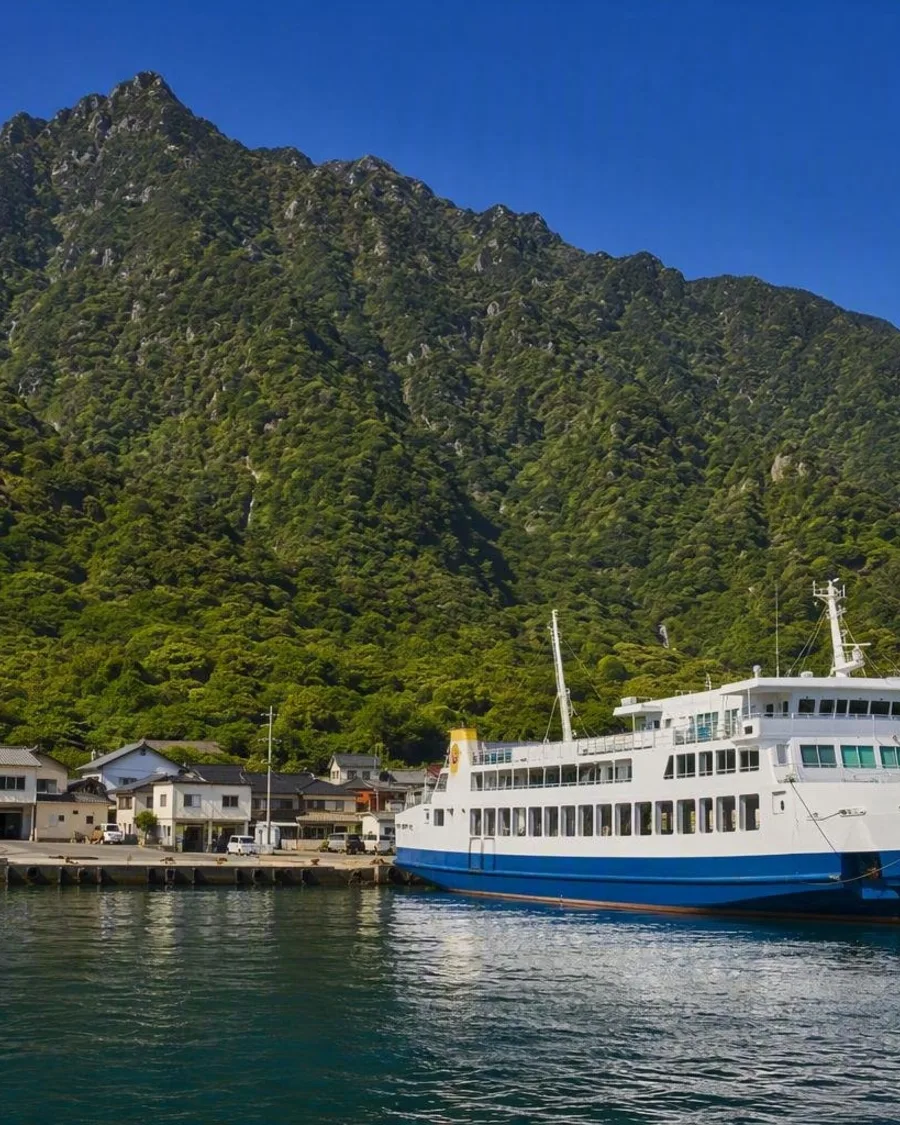
Jadrolinija’s year-round Split–Vis ferry line 602 takes 140 minutes and carries passengers and vehicles. It docks in Vis Town. Fast passenger catamarans operate on seasonal and day-specific schedules.
In July and August, reserve vehicle space for the selected sailing. Keep plans flexible for boat excursions: wind and sea conditions can close the Blue Cave approach or alter schedules.
From the magazine
Stories about Vis
Editorial stories linked directly to Vis.
Routes from our editors
Travel through Vis
Editorial routes connecting Vis with other countries, cities and hotspots.
No routes through Vis have been published yet.
More in Croatia
Related hotspots
Other cities, nature areas and places within Croatia.