
Neighbourhood · Vietnam
Hàng Bạc (Silver Street)
Hàng Bạc is a historic jewellery street in Hanoi’s Old Quarter, where the old gold- and silversmiths’ quarter survives in shopfronts and at Kim Ngân Communal House.
Orientation
Hàng Bạc is a short, commercial Old Quarter street in central Hanoi. Its name means “silver goods”, a direct trace of the metalworking community that established itself here. Today it is a useful stop for jewellery browsing, but its real value is as a surviving craft street with a physical guild landmark.
Walk it as part of the Old Quarter rather than treating it as a standalone shopping destination. The pavement is narrow, motorcycles and deliveries compete for space, and shop windows set the pace.
From silver casting to jewellery
Gold- and silversmiths from Châu Khê village developed their trade here under the Later Lê dynasty. Silver casting, jewellery-making and currency exchange belonged to the same craft economy; the street was once known to the French as Rue des Changeurs, or Street of Money Changers.
That history explains the modern mix. Jewellery remains the dominant trade, with rings, bracelets and gold- and silver-coloured pieces filling the displays. Do not assume every shop is a traditional workshop or that every item is locally handmade. For a substantial purchase, ask clearly about metal purity, weight, workmanship, return terms and documentation before paying.
Kim Ngân Communal House
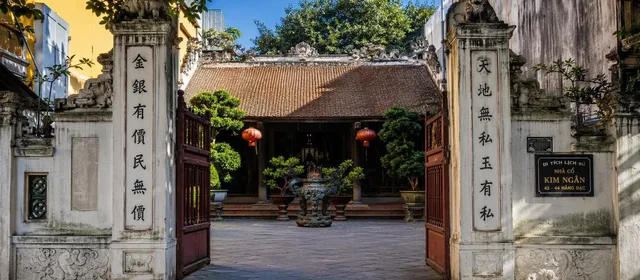
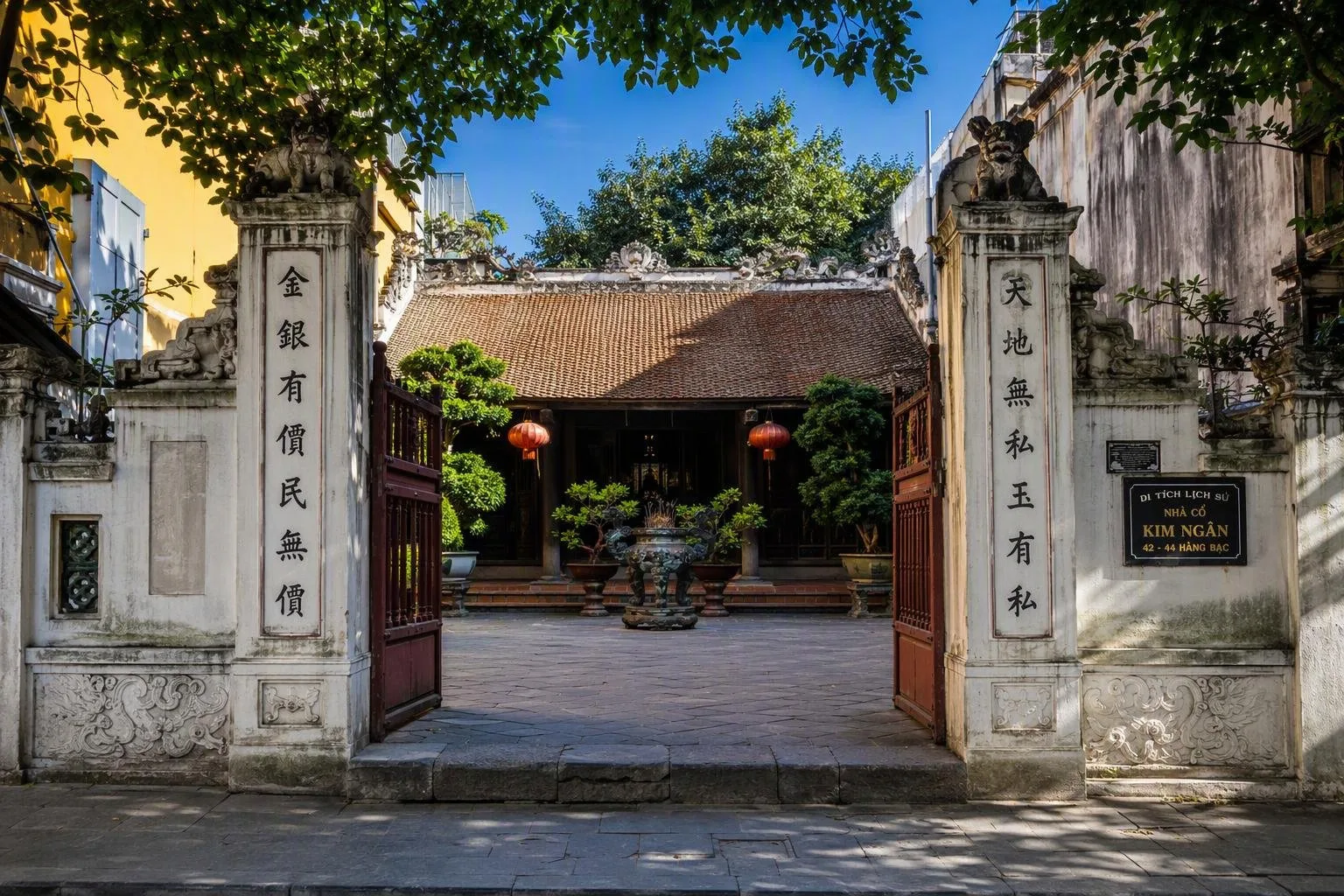
At 42–44 Hàng Bạc, Kim Ngân Communal House gives the street its strongest historic focus. This nationally recognised architectural and artistic monument served the gold- and silversmiths’ community as a place of worship, guild meetings, trade and the passing on of professional knowledge.
The building is set back behind its gate, courtyard and timber halls—a sharp change from the dense retail frontage outside. Its plan leads from the front hall to a raised rear sanctuary through a covered connector. Look for the carved timber details and the sequence of gate, courtyard and halls rather than expecting a large museum.
The communal house also hosts changing craft-related displays and cultural activity. These are additions to the heritage site, not a guarantee of a workshop or performance on any particular day.
How to use the street
Best approach: arrive on foot from elsewhere in the Old Quarter. That lets you read Hàng Bạc as part of the old network of specialist streets rather than as an isolated strip.
Allow: 20–40 minutes for the street itself; longer if Kim Ngân is open and you want to examine the architecture or an exhibition.
Buying jewellery: compare several shops before committing. Prices, materials and style vary widely. Treat a shop’s claim of age or craftsmanship as a question to verify, not proof of provenance.
Respectful access
Kim Ngân is a worship and community space as well as a heritage building. Dress appropriately, keep voices low near the altars, and follow any photography restrictions. Do not touch carved woodwork, ritual objects or displays. Historic thresholds and level changes can make access uneven, while the street outside is often obstructed by parked motorbikes and shop activity.
From the magazine
Stories about Hàng Bạc (Silver Street)
Editorial stories linked directly to Hàng Bạc (Silver Street).
No stories about Hàng Bạc (Silver Street) have been published yet.
Routes from our editors
Travel through Hàng Bạc (Silver Street)
Editorial routes connecting Hàng Bạc (Silver Street) with other countries, cities and hotspots.
No routes through Hàng Bạc (Silver Street) have been published yet.
More in Vietnam
Related hotspots
Other cities, nature areas and places within Vietnam.

Hanoi
4 linked stories and routes
Hanoi Old Quarter
4 linked stories and routes
Sapa
1 linked stories and routes
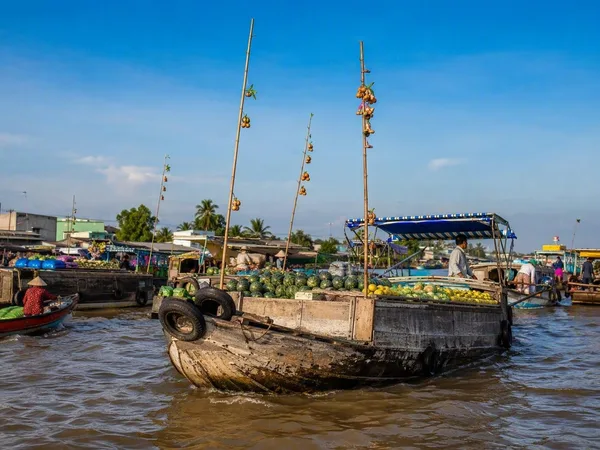
Mekong Delta
1 linked stories and routes
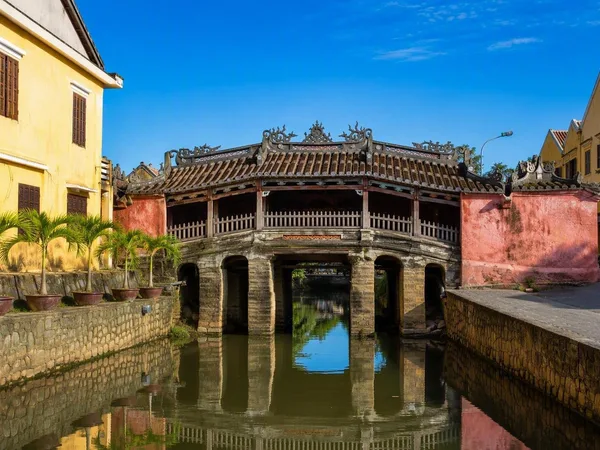
Hoi An
1 linked stories and routes
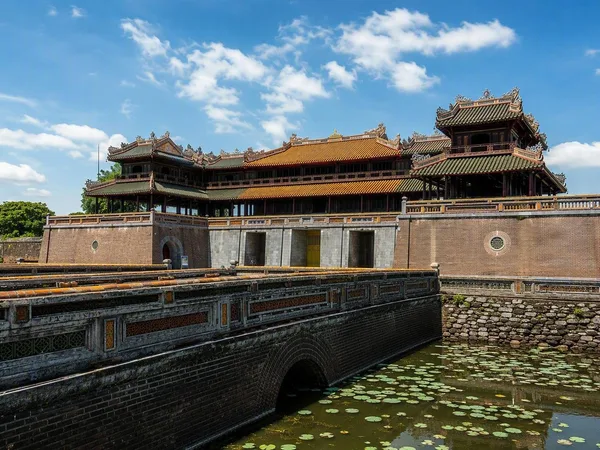
Huế
1 linked stories and routes
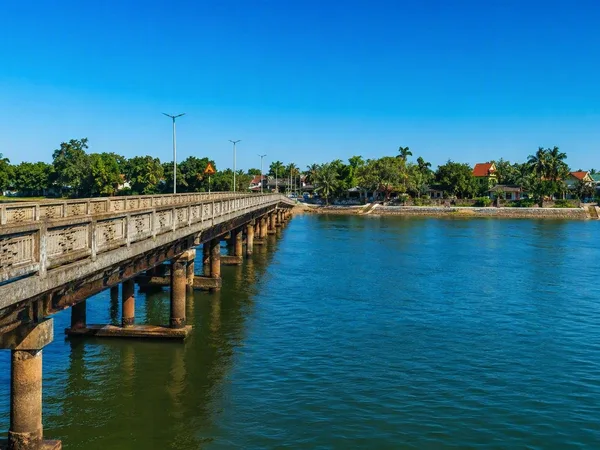
Cồn Hến, Huế
1 linked stories and routes
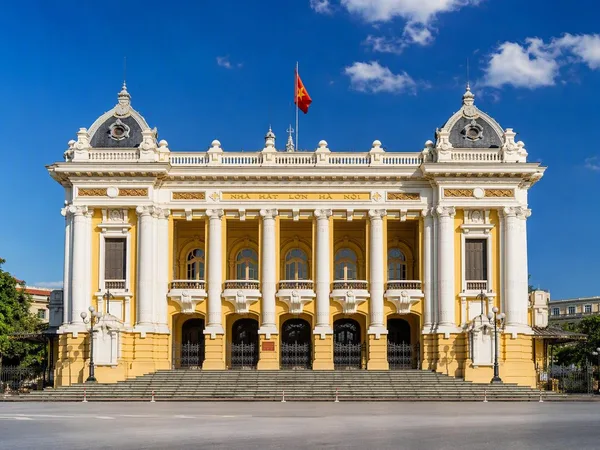
Hanoi Opera House
1 linked stories and routes
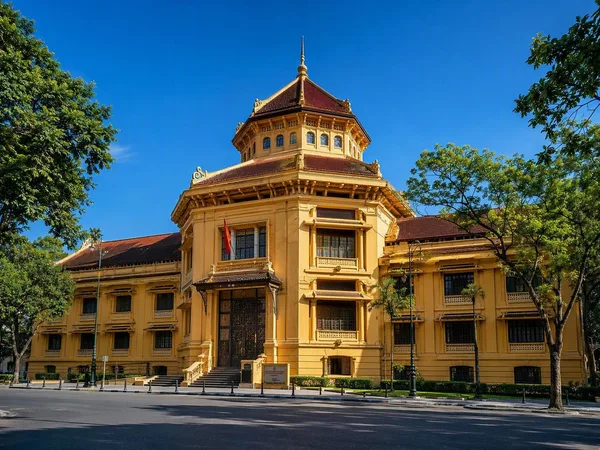
Vietnam National Museum of History
1 linked stories and routes
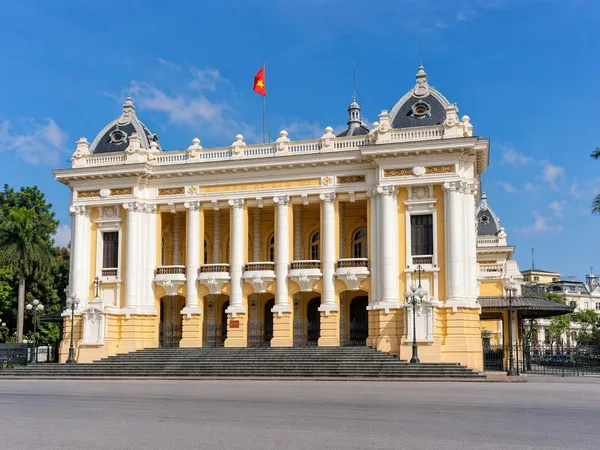
August Revolution Square
1 linked stories and routes

Hoàn Kiếm Lake
1 linked stories and routes
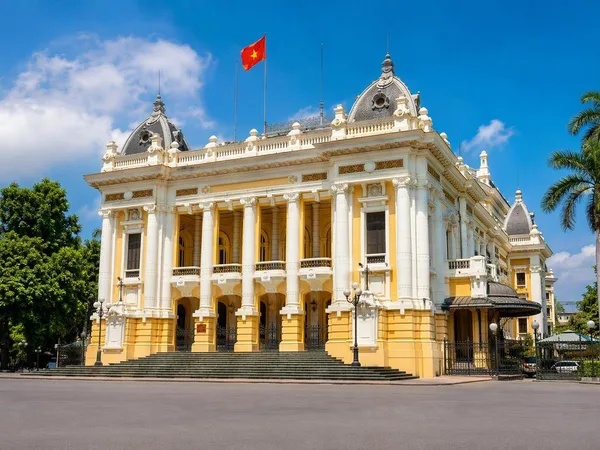
French Quarter, Hanoi
1 linked stories and routes
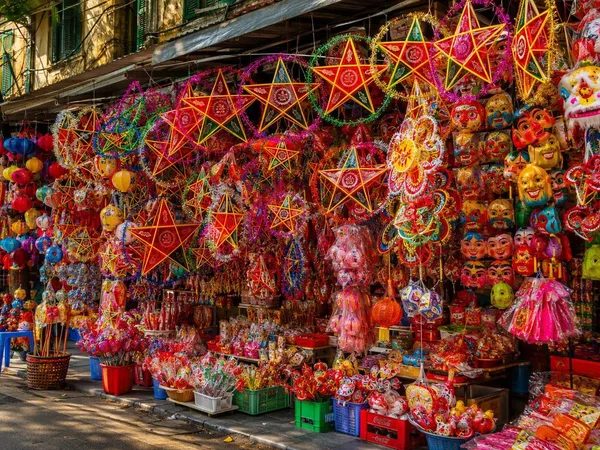
Hàng Mã
1 linked stories and routes
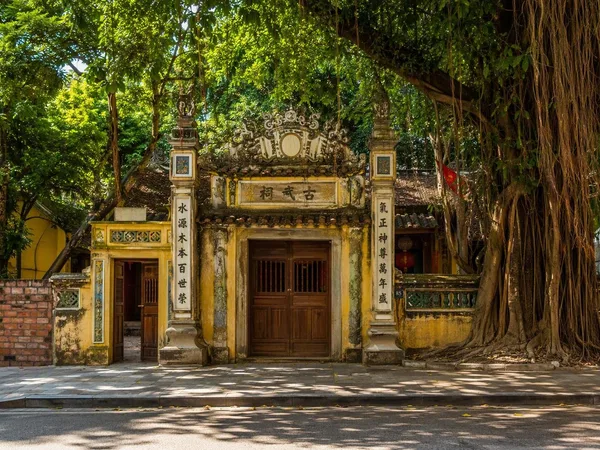
Hàng Gai, Hanoi Silk Street
1 linked stories and routes
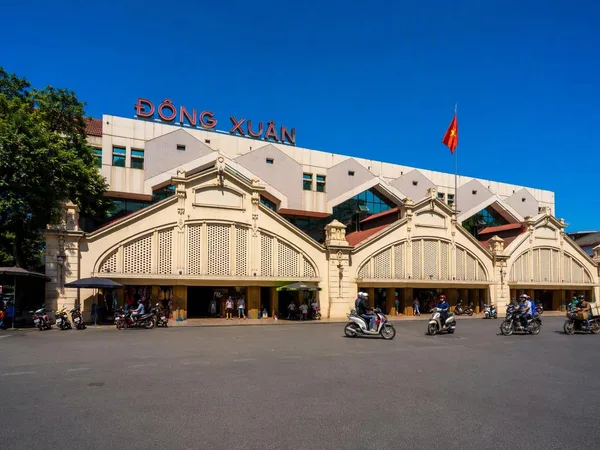
Dong Xuan Market
1 linked stories and routes
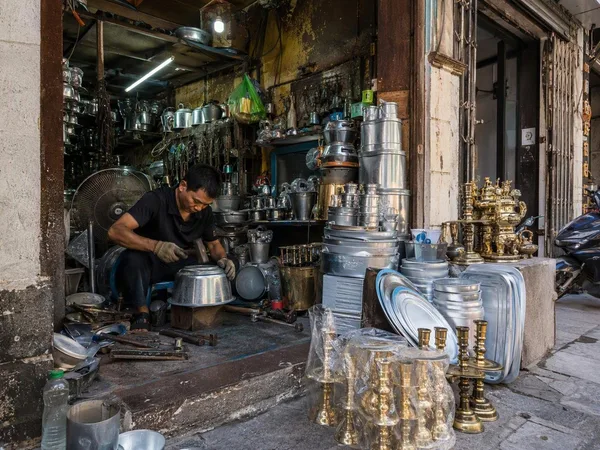
Hàng Thiếc, Hanoi
1 linked stories and routes
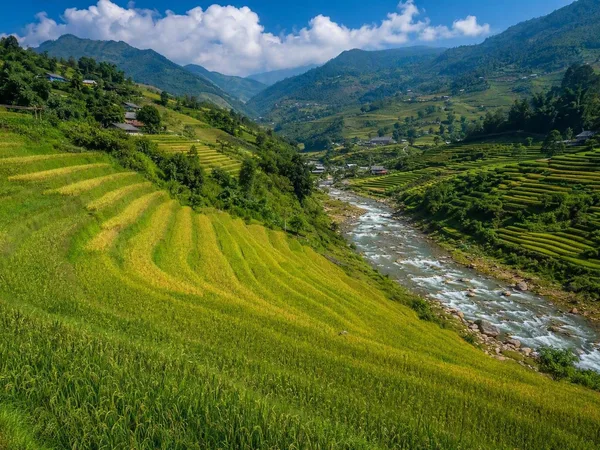
Mường Hoa valley
0 linked stories and routes
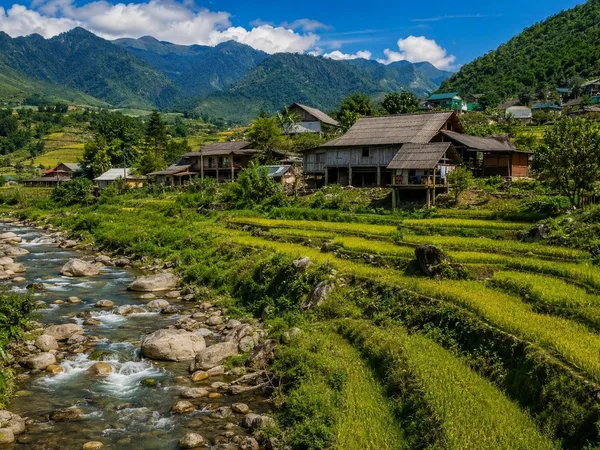
Ta Van Village
0 linked stories and routes
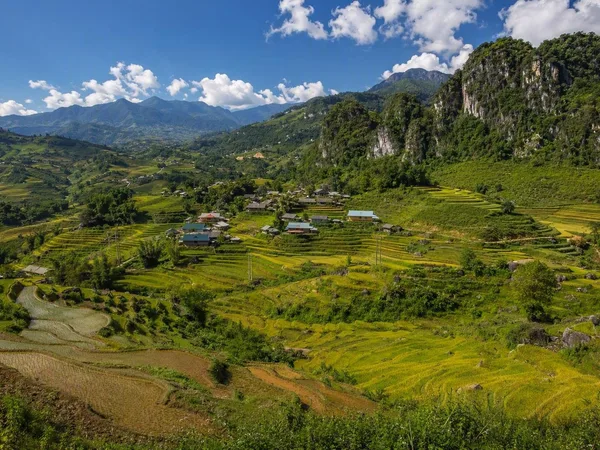
Ta Phin
0 linked stories and routes