
China

Imperial cities, regional food and karst rivers

China

China pairs imperial sites and old neighbourhoods with vast modern cities, distinct regional cooking and landscapes that change sharply from place to place.

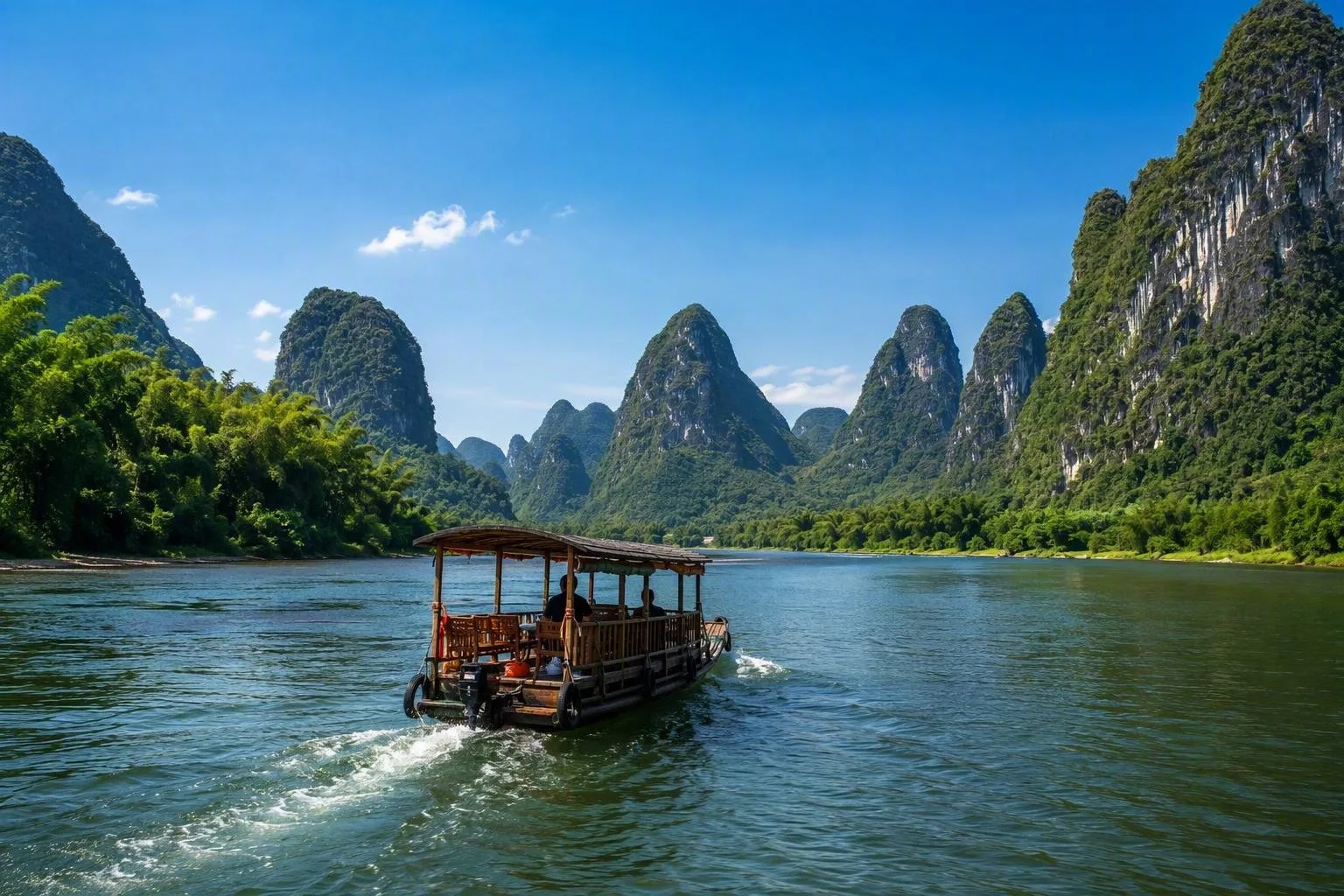
China makes most sense when you look beyond its headline sights. In Beijing, the long courtyards of the Forbidden City sit a short ride from hutongs where residents buy breakfast from street-side counters. South of Guilin, wooden boats move along the Li River beneath limestone peaks, while farmers tend the stepped fields around Longji. These places belong to the same country, but climate and local history show up in the food, buildings and pace of daily life.

Regional cooking gives those differences a clear shape. Sichuan chefs use chillies and Sichuan pepper for heat and its distinctive numbing edge. In Guangzhou, diners gather around small baskets of dim sum. In the northwest, cooks stretch wheat dough into hand-pulled noodles. Tea follows local ground and climate too: green tea grows around Hangzhou, while Yunnan produces dark, fermented pu'er.

Xi'an holds the Terracotta Army, made for China's first emperor, and its Muslim Quarter sells lamb skewers, flatbreads and noodles. At Dunhuang, Buddhist paintings fill caves beside former Silk Road routes. Shanghai adds Art Deco facades, galleries and busy shopping streets to the picture. Give China time beyond one city or one famous site, and its local details start to stay with you.

When to go

Best time to travel

Monthly values are indicative average maximum temperatures for Beijing. Conditions vary greatly across China, especially between the tropical south, the northern interior, coastal areas and high plateaus. Monthly values are indicative average maximum temperatures for Beijing. Conditions vary greatly across China, especially between the tropical south, the northern interior, coastal areas and high plateaus.

jan2°C feb6°C mar13°C apr21°C may27°C jun30°C jul31°C aug30°C sep26°C oct19°C nov10°C dec4°C

Weather in the capital

Practical China

On every country page we show the current weather for the capital.

Beijing
Morning12°Cpartly cloudy
Afternoon19°Cpartly cloudy
Evening15°Cpartly cloudy
today19°C / 10°Chigh and low

Current forecast by Open-Meteo

Getting around

High-speed trains link many major cities, and flights cover the longest distances. Use the same passport details when booking intercity tickets as you will present at the station or airport.

Paying

Alipay and WeChat Pay cover most everyday purchases. Many visitors can link an international card, but cash remains useful where card payments are less common.

Accommodation

Accommodation runs from international hotel chains to small local guesthouses. Bring your passport for check-in and confirm that the property accepts international guests before booking.

Before you leave

Worth knowing

A practical starting point for your trip. Check current conditions and local information before you leave.

01

Language and script

Standard Chinese, or Putonghua, is the official language. Mainland China mainly uses simplified Chinese characters, alongside minority languages and other Chinese varieties.

02

Calling code

China’s international calling code is +86.

03

Driving side

Traffic drives on the right in mainland China. Hong Kong and Macao drive on the left.

04

Tipping

Tipping is not customary in most restaurants, taxis or everyday services. Some high-end hotels and organised tours handle gratuities differently.

05

Shared dining

Groups often share dishes placed in the centre of the table. Use serving chopsticks or spoons when provided. At formal meals, wait for the host to begin.

06

Opening hours

Shops often open from late morning until evening. Many malls close around 9pm or 10pm. Restaurants usually serve lunch and dinner, but hours vary.

07

High-speed rail

China’s extensive high-speed rail network links major cities and many regional centres. Check the station name before you travel, as large cities often have several stations.

08

Real-name tickets

Many train and other transport tickets are tied to the traveller’s identity. Enter your name and passport number exactly as they appear in your passport.

09

Mobile payments

QR payments through Alipay and WeChat Pay are standard in many places. Cash remains legal tender, though small businesses may not always have change.

10

Internet and apps

Many international websites and services, including Google, are unavailable on mainland networks. Download maps, translation tools, and local payment or transport apps before travelling.

11

Measurements

China uses the metric system. In markets, vendors still commonly use the traditional unit jin, which equals 500 grams in mainland China.

12

Queues and crowds

Stations and major attractions usually use marked lines and barriers. Keep your place in line and have your ticket or passport ready when required.

From the magazine

Stories about China

Editorial stories connected to China and the places in this country.

The 10 Cities Best Understood from the Water
Article

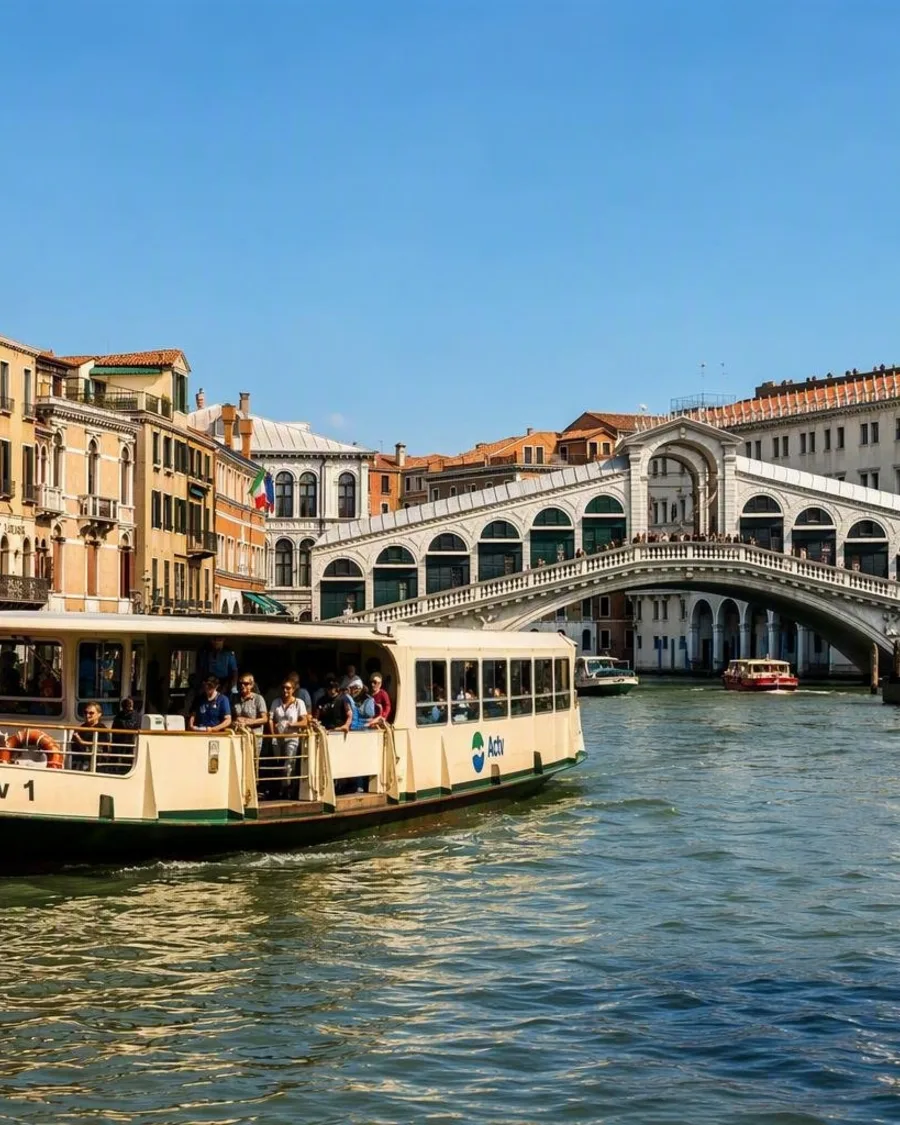
The 10 Cities Best Understood from the Water

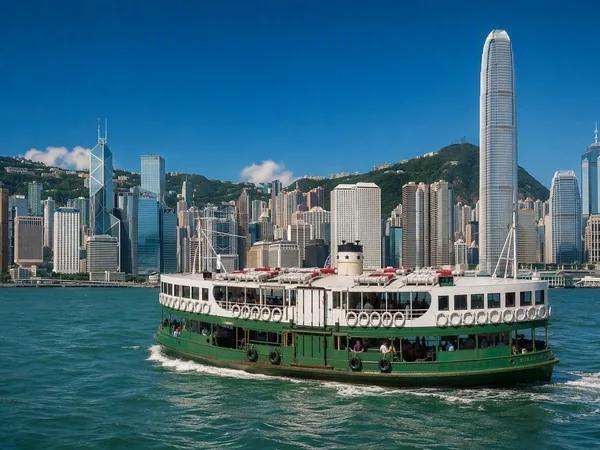
A fine skyline is not enough. In these ten cities, a ferry or small boat reveals how trade, terrain, buildings and daily travel grew around a river, canal or bay.

Eight mineral landscapes shaped by salt, iron and hot water
Article

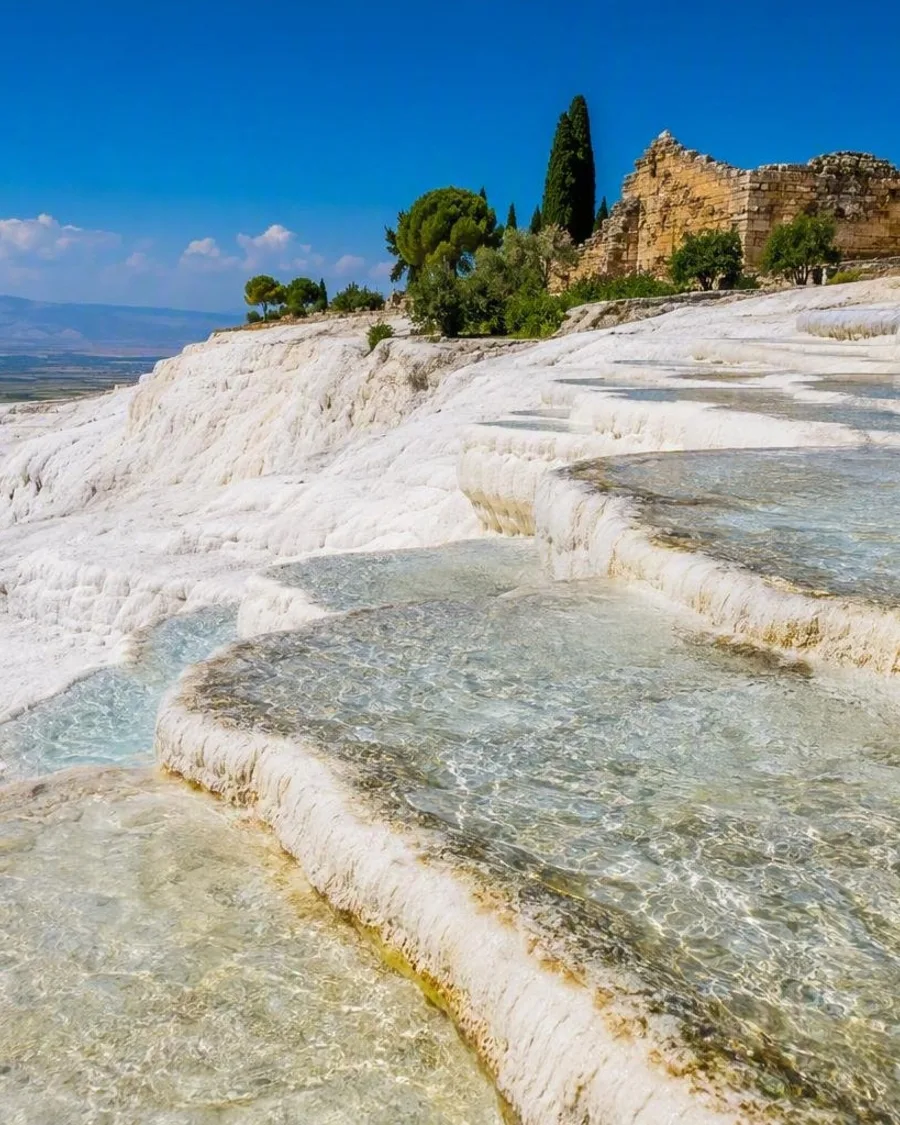
Eight mineral landscapes shaped by salt, iron and hot water

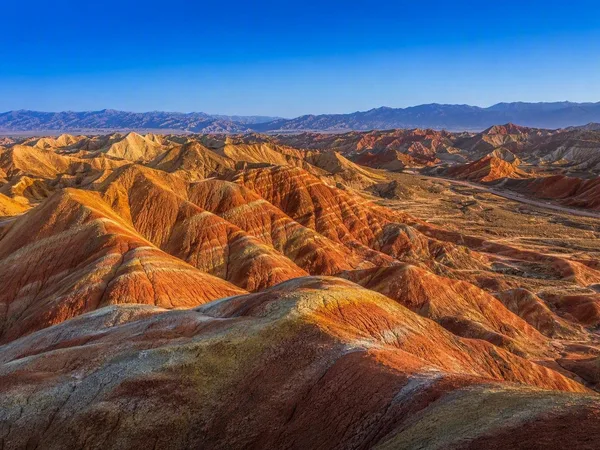
On Bolivia’s Salar de Uyuni, a hard white crust runs towards an empty horizon. Elsewhere, iron colours whole mountains red, hot springs build terraces, and Roman miners have left cliffs behind.

A Bowl of Luang Namtha: Rice Noodles at the Night Market
Article

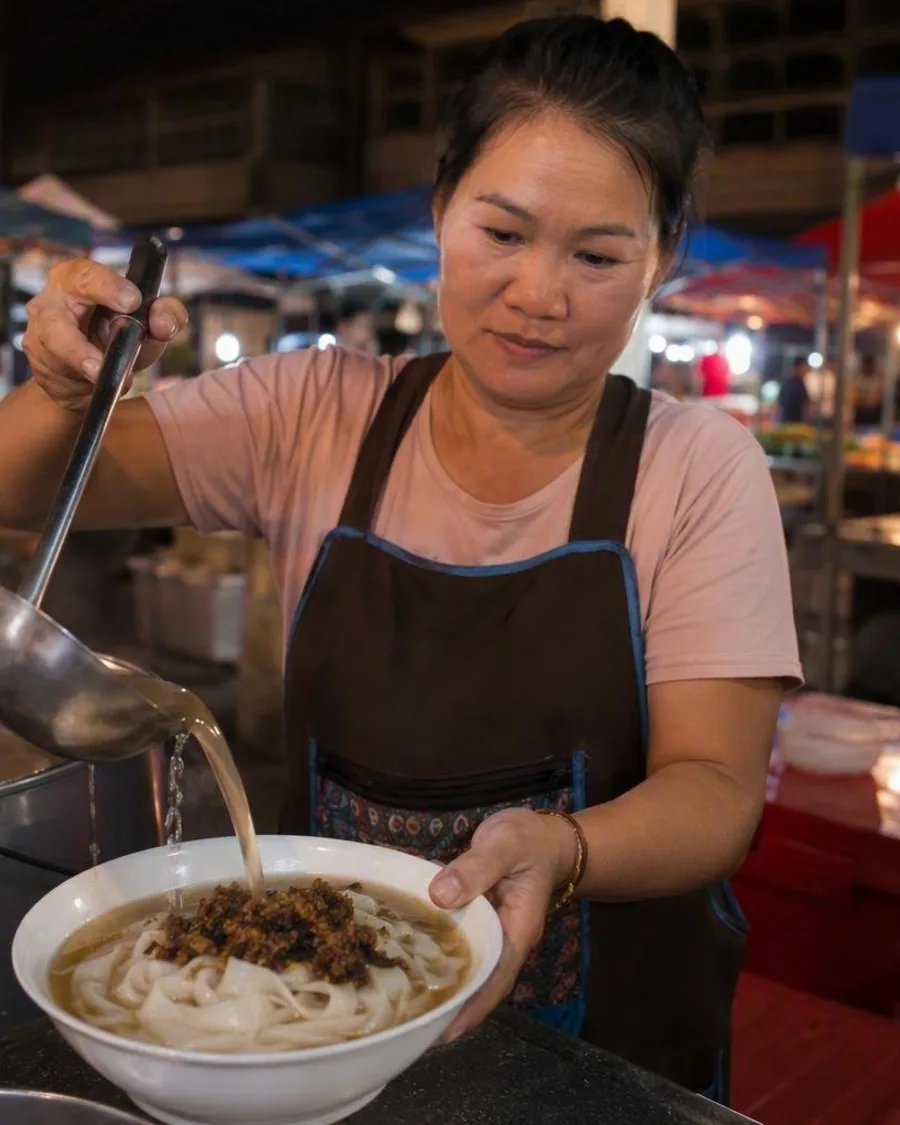
A Bowl of Luang Namtha: Rice Noodles at the Night Market

Broad rice noodles fill a bowl, followed by minced-meat sauce and clear chicken broth. In Luang Namtha, khao soi turns rice into supper, and the night market makes that link visible.

Inside George Town’s Working Kopitiams
Article

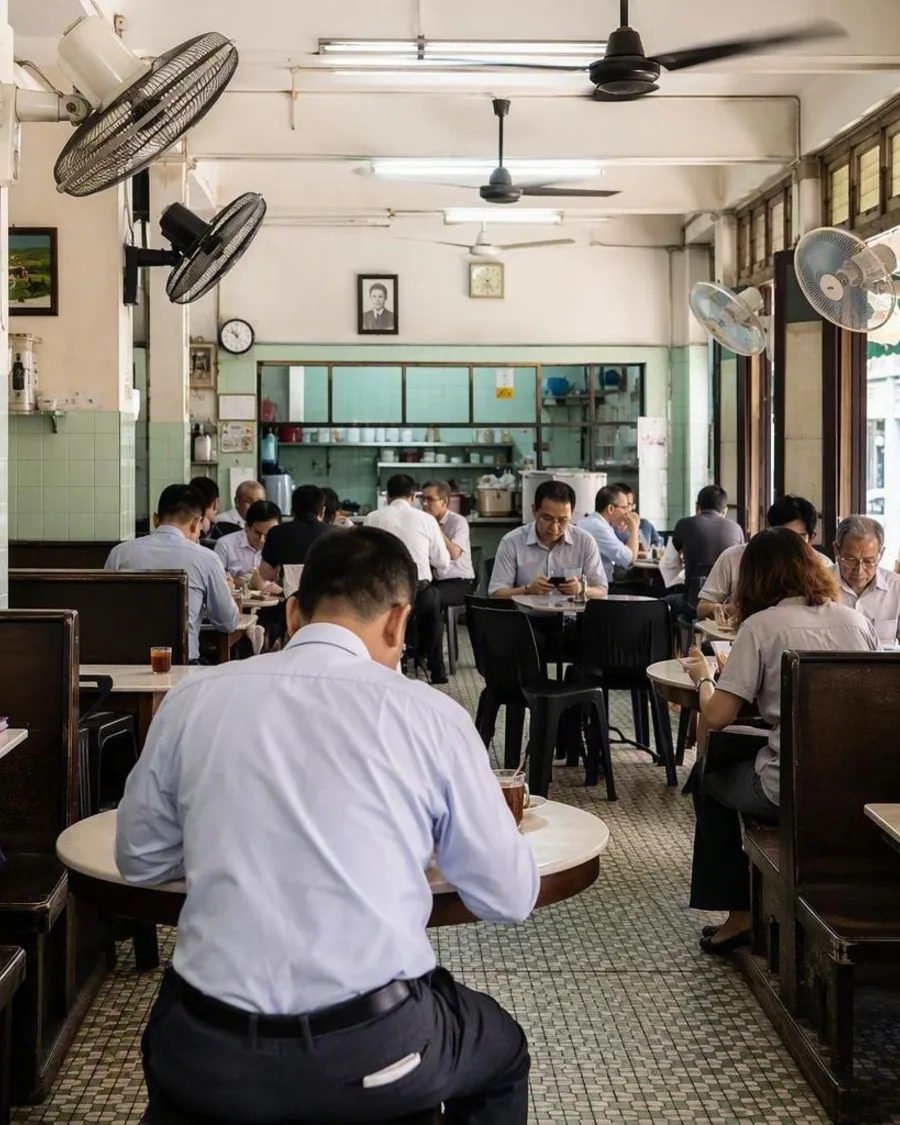
Inside George Town’s Working Kopitiams

At lunchtime, Kek Seng on Jalan Penang fills with office workers, returning regulars and visitors under ceiling fans, among old tiles and booth seats. The room shows why George Town’s kopitiams still matter: they give small food traders, workers and longtime customers the same practical place to eat.

Before the Mahjong Tiles Click: Opening Heming Teahouse
Article

Before the Mahjong Tiles Click: Opening Heming Teahouse

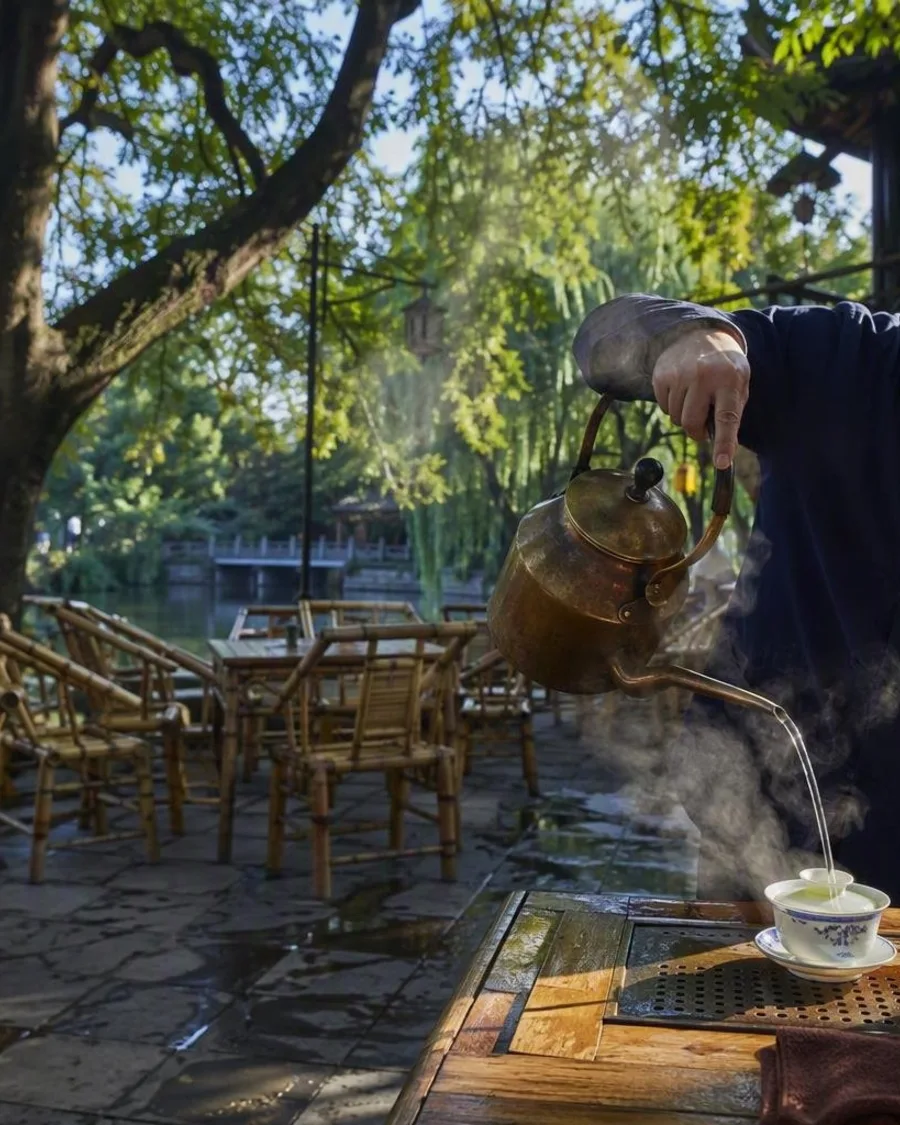
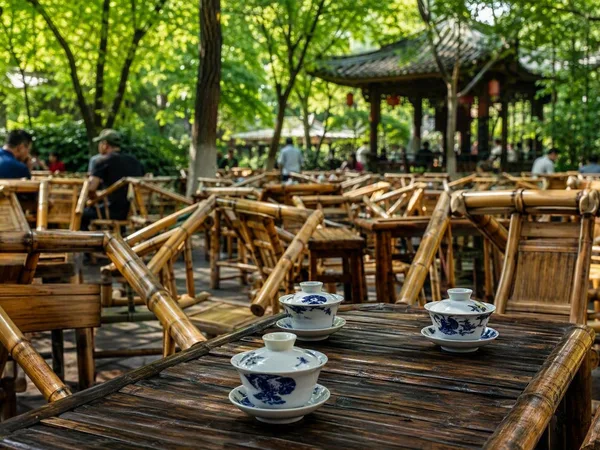
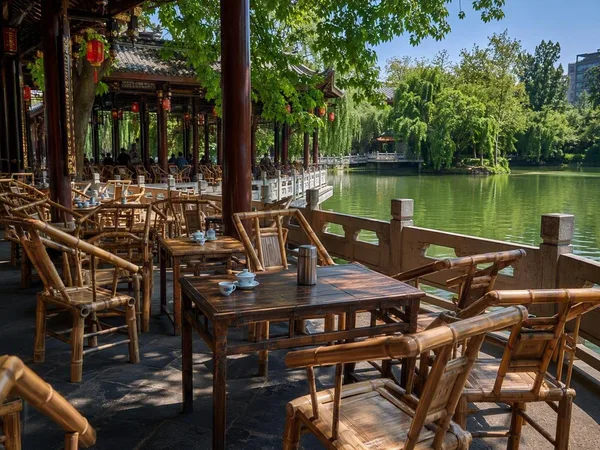
Before seven, staff sweep the stone paving at Heming Teahouse in Chengdu’s People’s Park. Bamboo chairs and low tables stand under trees beside the water; soon, hot water will fill porcelain gaiwans and mahjong tiles will begin to click.

Cities and hotspots

Places worth saving

From city to nature reserve: places with stories, facts and tips.