Region · China
Northern China
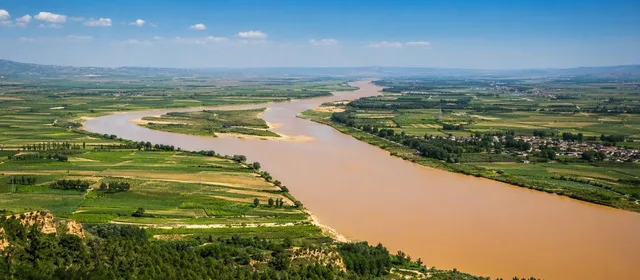
Northern China is China’s broad wheat-growing heartland, centred on the Yellow River landscapes and extending from major northern cities to plateau and grassland country. It is best understood through its imperial sites, varied terrain and flour-based food culture.
What Northern China Means
Northern China is a large cultural and geographical region rather than a single destination with fixed tourist boundaries. Its core landscapes run from the North China Plain and the Yellow River basin to the loess uplands, northern mountains and Inner Mongolian grasslands. Beijing and Tianjin are major urban gateways, but the region also includes historic provincial cities, rural plains and long-distance landscapes.
The North China Plain is the country’s great alluvial lowland: flat, intensely cultivated and shaped by the Yellow River, Hai River and Huai River systems. Beijing stands on its northwestern edge; Tianjin faces the Bohai coast.
Read the Landscape
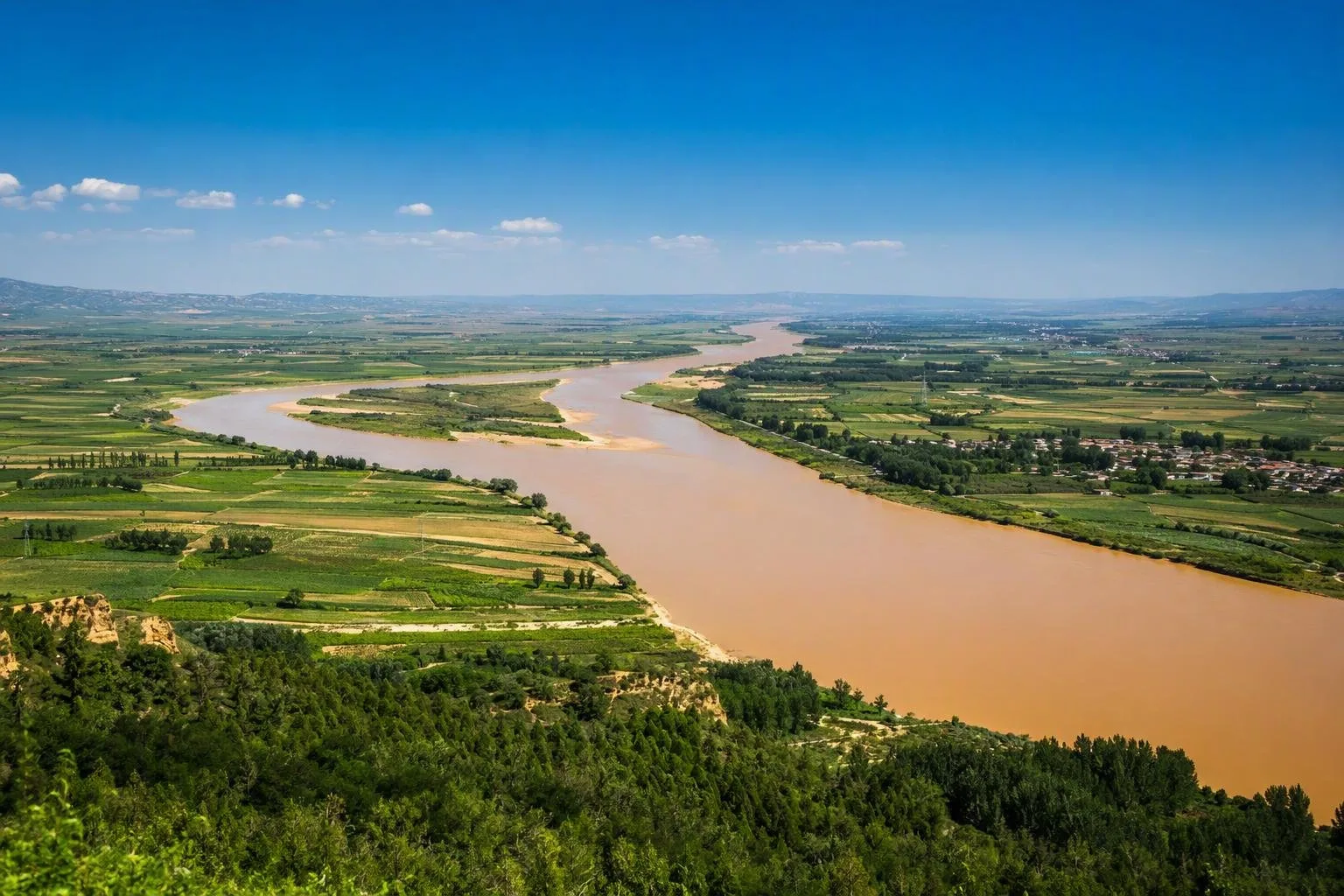
The Yellow River is the region’s defining physical thread. Its heavy load of yellow loess helped create the plain, but also left a long legacy of flood management. Beyond the plain, terrain changes quickly:
- Shanxi and nearby uplands: loess country, river valleys and mountain routes.
- Northern rim: mountains and sections of the Great Wall mark the transition toward steppe.
- Inner Mongolia: open plateau and grassland landscapes, with a very different scale from the densely settled plain.
Do not treat the region as one uniform itinerary. City heritage, mountain temples, grassland travel and Yellow River landscapes require separate routing and time.
The Wheat Table
Wheat is the clearest everyday marker. Expect noodles, dumplings, steamed buns, pancakes and flatbreads more often than rice as the main starch. Northern cooking varies strongly by place, but garlic, vinegar, sesame paste, fermented bean sauces and lamb are recurring reference points.
Useful dishes to recognise include:
- Jiaozi: filled wheat dumplings, boiled, steamed or pan-fried.
- Zhajiangmian: wheat noodles with fried fermented-bean sauce, strongly associated with Beijing.
- Daoxiaomian: Shanxi knife-cut noodles shaved directly into boiling water.
- Beijing-style lamb hot pot: thin lamb cooked in clear broth and eaten with sesame dip.
At Lunar New Year, many northern households make and eat jiaozi together. The practice is particularly associated with the north’s wheat culture, unlike the rice-based festive foods common in much of southern China.
Build a Practical Route
Use Beijing as the easiest first base for imperial architecture, museums and Great Wall access. Tianjin works well for a short urban extension. Continue west or southwest for Shanxi’s historic towns, Buddhist sites and noodle traditions; head north for plateau and grassland landscapes.
High-speed rail makes the main city-to-city links practical, but it does not erase distances. Treat remote wall sections, mountains and grasslands as overnight excursions rather than day trips from Beijing.
Timing and Conditions
Spring and autumn are generally the most comfortable periods for city walks and mountain sightseeing. Summers can be hot and wet on the plain; winters are cold and dry, especially inland and on the plateau. The open terrain of northern China also leaves travellers exposed to wind and rapid temperature changes. Pack layers for the Wall, highlands and grasslands, even when city temperatures seem mild.
From the magazine
Stories about Northern China
Editorial stories linked directly to Northern China.
No stories about Northern China have been published yet.
Routes from our editors
Travel through Northern China
Editorial routes connecting Northern China with other countries, cities and hotspots.
No routes through Northern China have been published yet.
More in China
Related hotspots
Other cities, nature areas and places within China.