
Sight · Suriname
Onafhankelijkheidsplein (Independence Square)
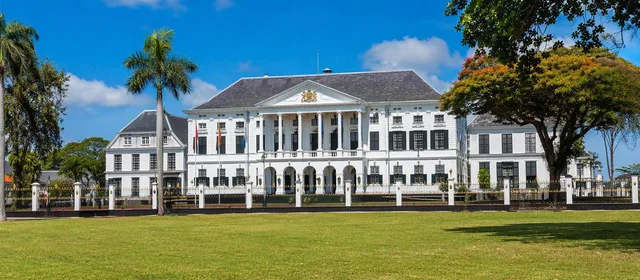
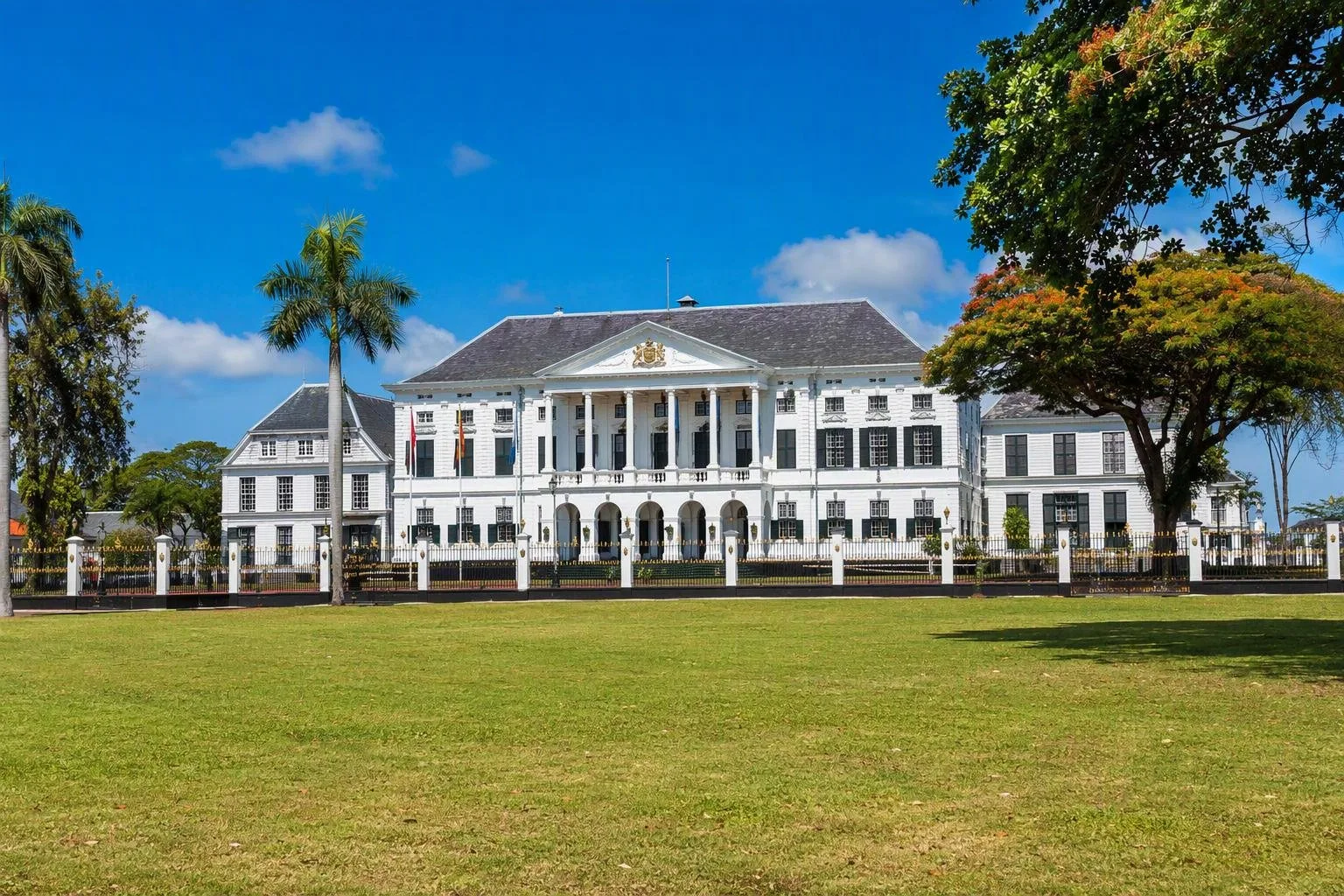
Onafhankelijkheidsplein is Paramaribo’s principal civic square, a broad grassy space in the historic inner city beside the Presidential Palace and close to the Suriname River.
What this square is
Onafhankelijkheidsplein is the formal civic space of Paramaribo’s historic centre. Its earlier names—Gouvernementsplein and Oranjeplein—reflect its colonial role; the present name marks Suriname’s independence in 1975. The square is part of the UNESCO-listed Historic Inner City of Paramaribo, where a 17th- and 18th-century street plan survives alongside timber and masonry architecture adapted to the tropical setting.
This is not a monument enclosed by gates. It is an open grass square framed by public buildings, best used as a short architectural stop and a clear point of orientation between the riverfront and the streets inland.
Read the edges
The strongest view is across the lawn to the Presidential Palace. Its masonry lower level and wooden upper storey make a concise introduction to Paramaribo’s hybrid building tradition.
Around the perimeter, look for the contrast between white-painted timber, brick, and formal public architecture:
- The Presidential Palace faces the square and remains an active state building.
- The former Ministry of Finance building is a monumental brick structure with a classical portico and clock tower.
- The Court of Justice and other civic buildings reinforce the square’s administrative character.
- Statues of Johan Adolf Pengel and Jagernath Lachmon add two key political figures to the setting.
Keep the square in scale. The surrounding streets quickly return to low-rise houses, broad plots and the largely wooden fabric that defines the old centre.
Build a walk around it
Approach from the Waterkant or Fort Zeelandia, then use the square as the hinge of a compact central walk. Fort Zeelandia lies a few minutes southeast; Waterkant runs along the river nearby. Behind the palace, the Palmentuin provides a palm-shaded change from the open lawn.
Continue west along Henck Arronstraat for the wooden Saint Peter and Paul Cathedral, or towards Keizerstraat for the synagogue-and-mosque pairing. These are separate places with their own access arrangements, so treat the square as a public starting point rather than a ticketed complex.
Practical use
The square is flat and freely accessible. Go early or later in the afternoon: the lawn offers little shade and the tropical midday heat is direct. Walking is the practical way to arrive from central Paramaribo; taxis can drop you on the surrounding streets.
Government buildings are working institutions, not general-access museums. View the palace and offices from public space, keep clear of security areas, and ask before photographing guards. Private courtyards, gates and side plots in the surrounding historic streets are not extensions of the square; admire them from the pavement.
From the magazine
Stories about Onafhankelijkheidsplein (Independence Square)
Editorial stories linked directly to Onafhankelijkheidsplein (Independence Square).
No stories about Onafhankelijkheidsplein (Independence Square) have been published yet.
Routes from our editors
Travel through Onafhankelijkheidsplein (Independence Square)
Editorial routes connecting Onafhankelijkheidsplein (Independence Square) with other countries, cities and hotspots.
No routes through Onafhankelijkheidsplein (Independence Square) have been published yet.
More in Suriname
Related hotspots
Other cities, nature areas and places within Suriname.
Paramaribo
6 linked stories and routes
Commewijne District
3 linked stories and routes
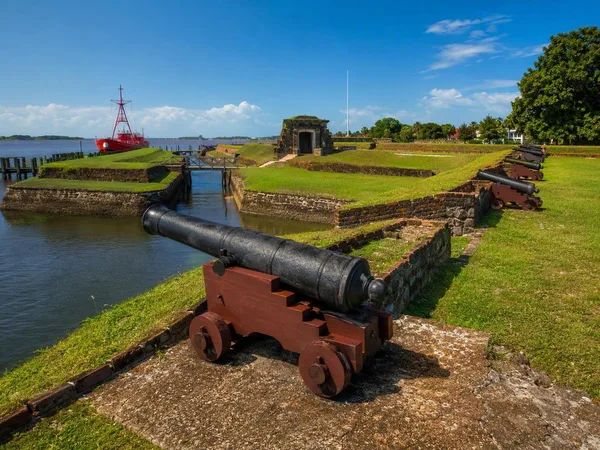
Fort Nieuw Amsterdam
2 linked stories and routes
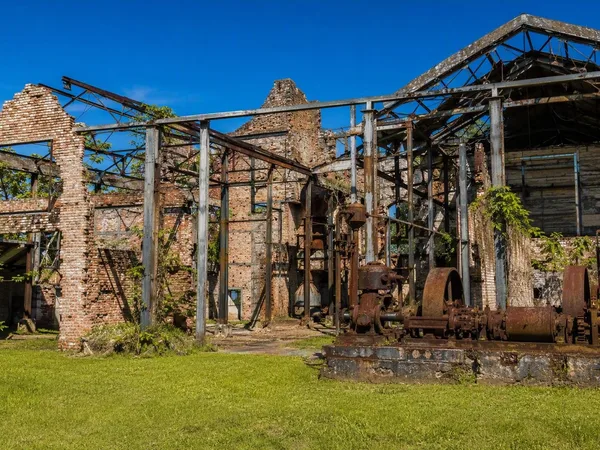
Mariënburg
2 linked stories and routes
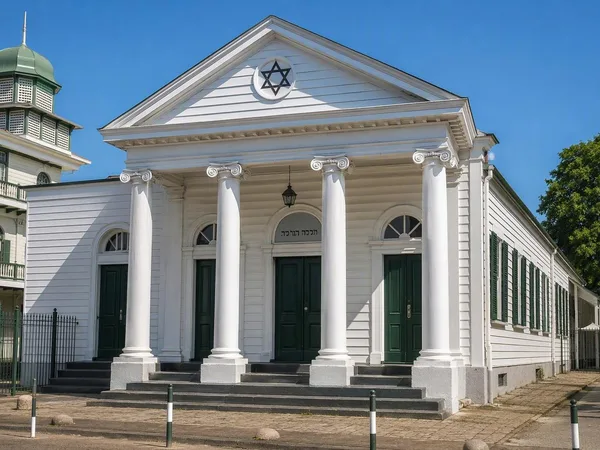
Neve Shalom Synagogue
2 linked stories and routes
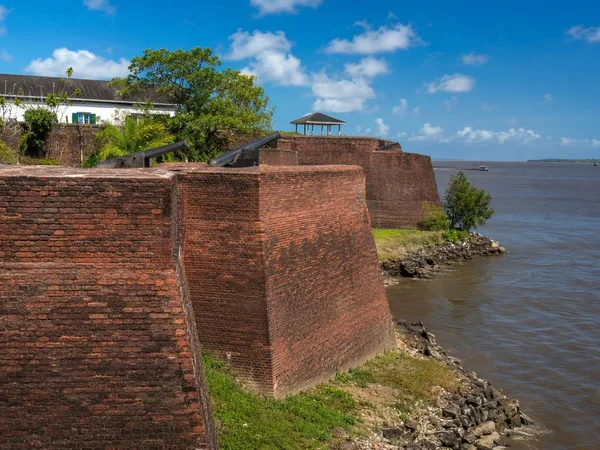
Fort Zeelandia
2 linked stories and routes
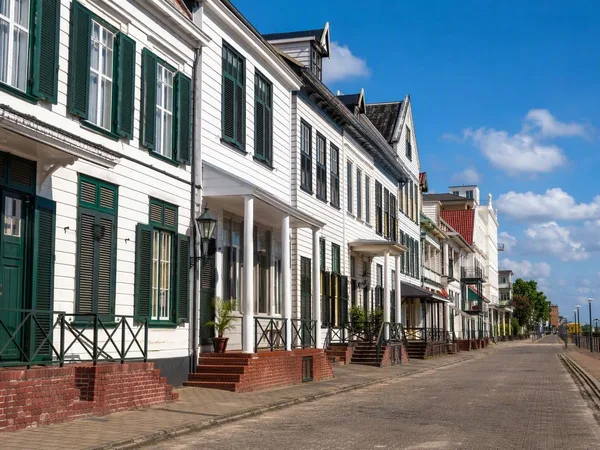
Waterkant, Paramaribo
2 linked stories and routes
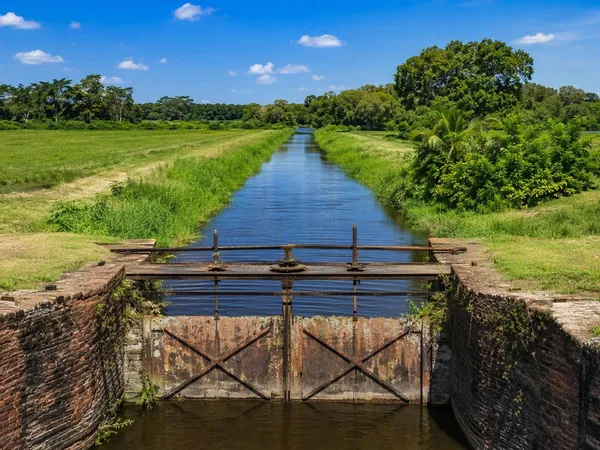
Rust en Werk Plantation
1 linked stories and routes
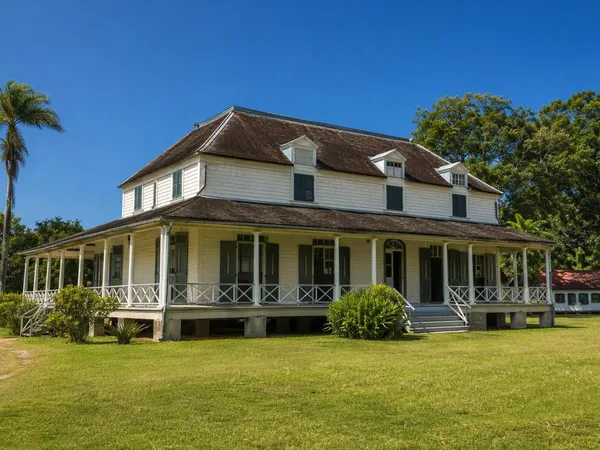
Frederiksdorp
1 linked stories and routes
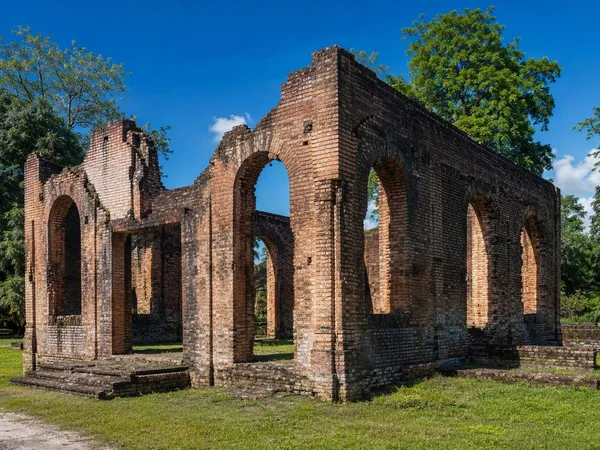
Jodensavanne
1 linked stories and routes
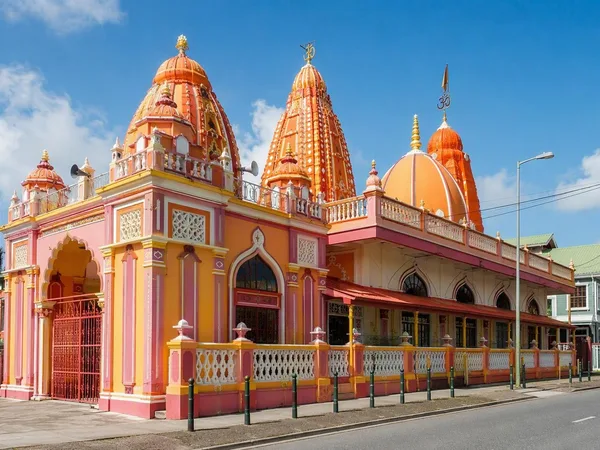
Sri Vishnu Mandir
1 linked stories and routes
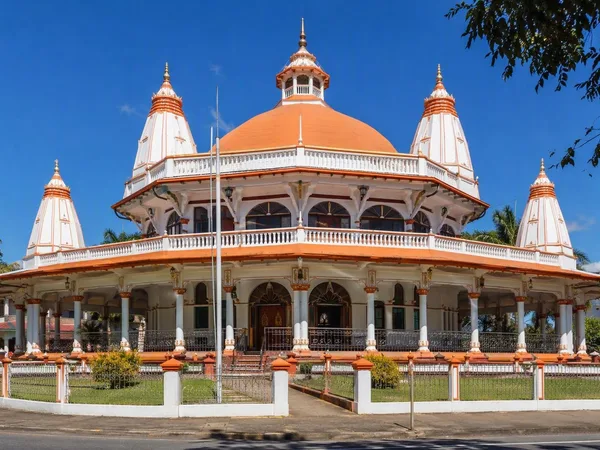
Arya Diwaker Temple
1 linked stories and routes
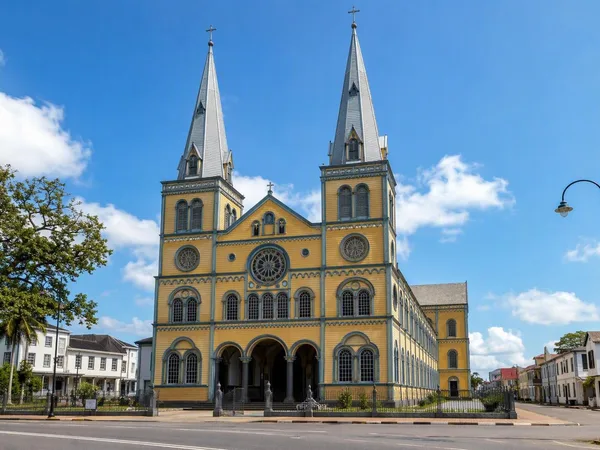
Sint-Petrus-en-Paulus Cathedral
1 linked stories and routes
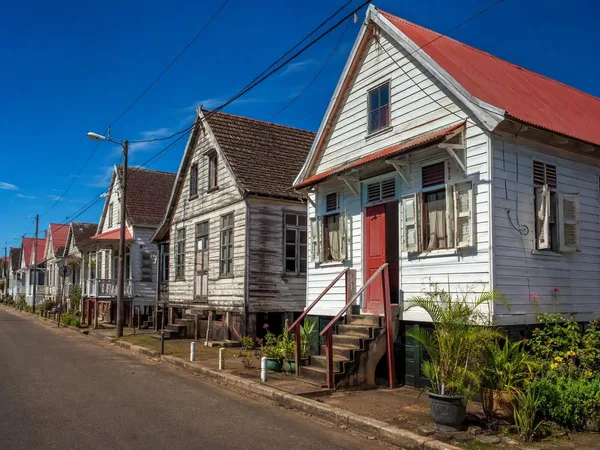
Frimangron, Paramaribo
1 linked stories and routes
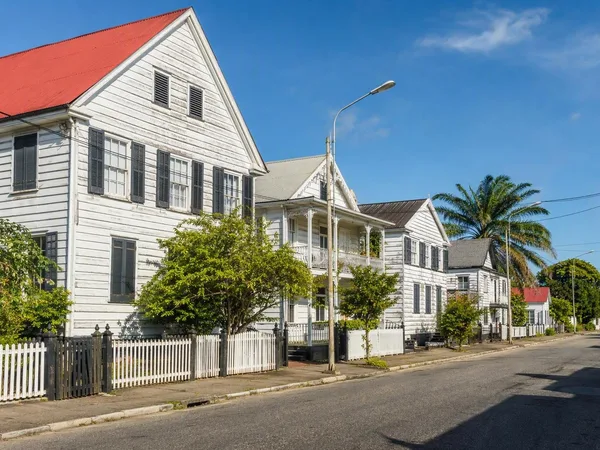
Combé, Paramaribo
1 linked stories and routes
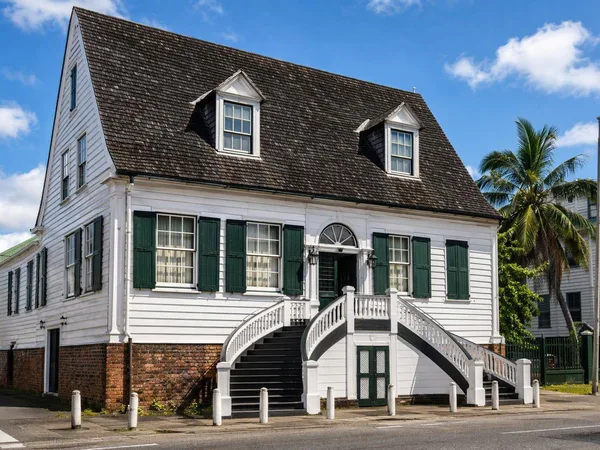
Elisabeth Samson House
1 linked stories and routes
Blauwgrond
1 linked stories and routes