
City · Suriname
Paramaribo
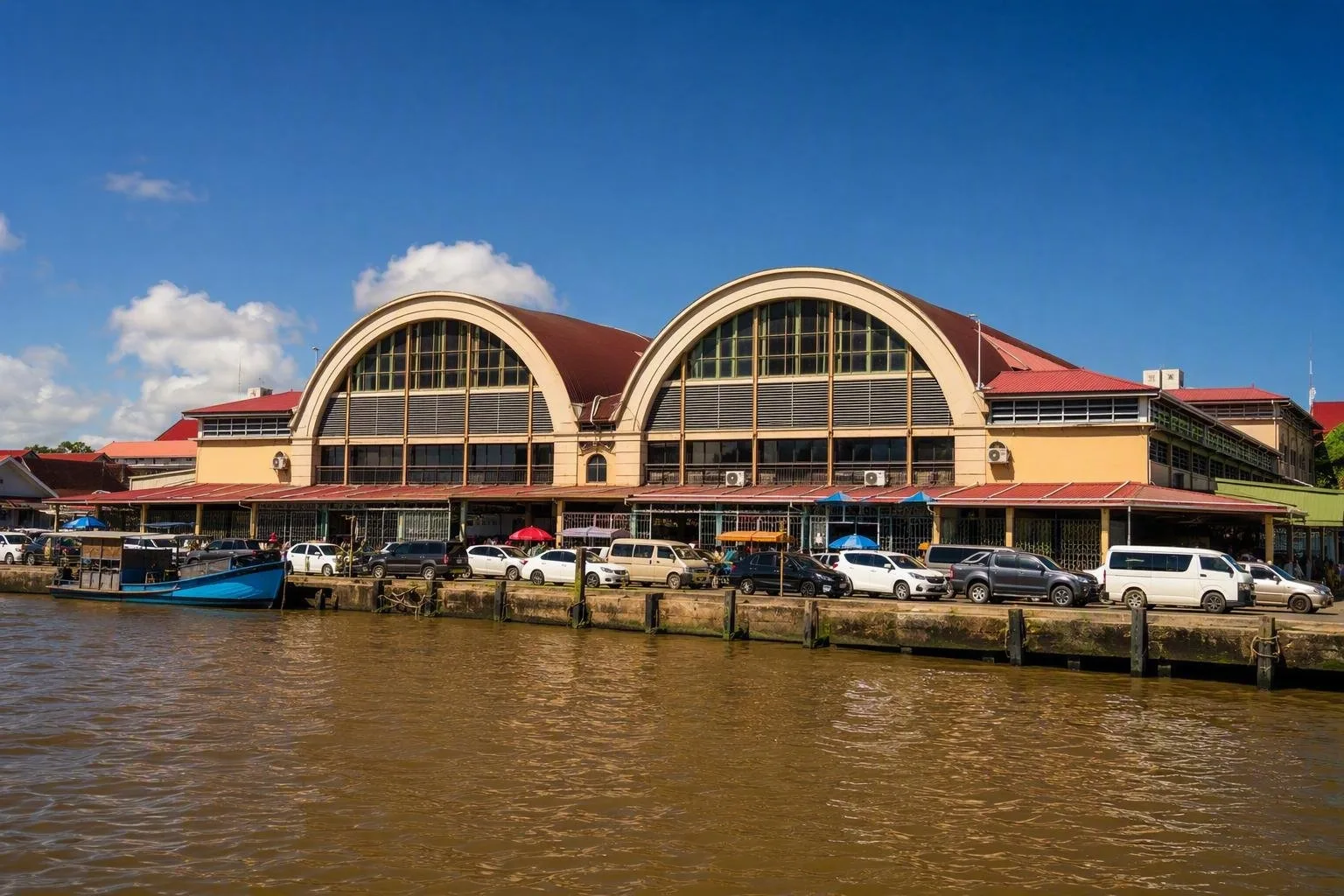
Paramaribo, Suriname’s capital, sits on the Suriname River. Its historic core pairs wooden colonial-era streetscapes with the Centrale Markt and Waterkant, where the city’s food trade still meets the river.
Start at the river
Paramaribo is a riverside capital whose historic centre was laid out from 1683 on a grid extending from Fort Zeelandia. The old core remains defined by wide streets, open spaces and predominantly wooden buildings: European planning and construction ideas adapted with local materials and skills.
Use Waterkant as the orientation line. It follows the Suriname River and links the market area with the historic centre. The waterfront was a place of colonial commerce, including the trade in enslaved people; treat its heritage as more than a picturesque backdrop.
Centrale Markt: the food map
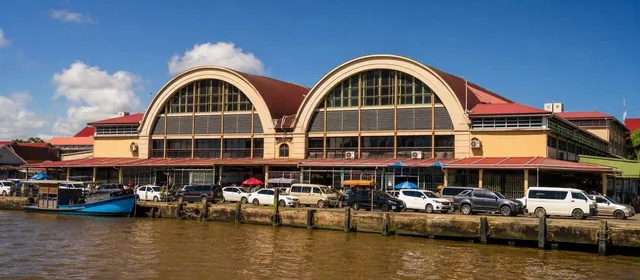
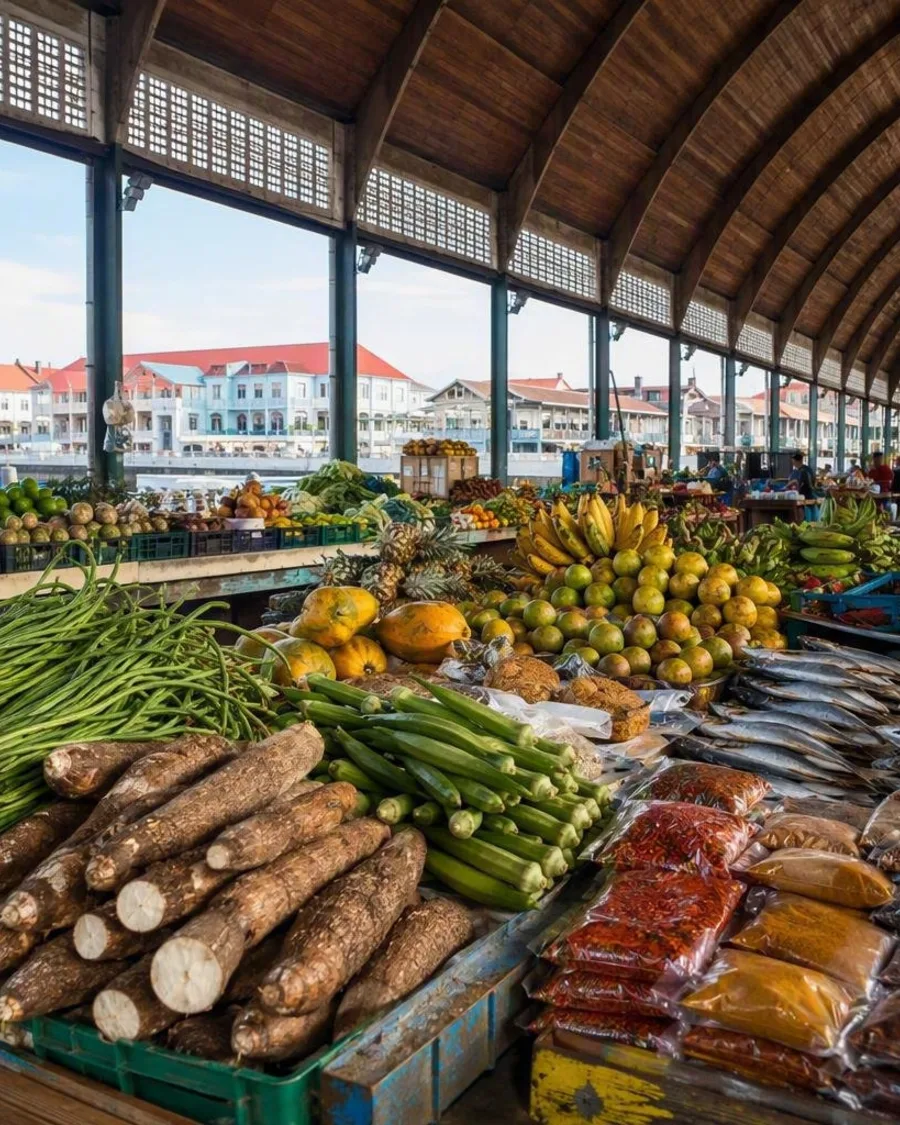
The two-storey Centrale Markt stands on Waterkant by the river. Its ground floor is the practical stop for fruit, vegetables, meat and fish; the upper level concentrates on clothing and other general goods. Food stalls around the market turn its raw ingredients into ready meals.
Look for the working vocabulary of Surinamese cooking: cassava, peppers, leafy greens, rice, fish, masala and root vegetables. Prepared-food counters are useful for comparing dishes such as:
- Roti with curry
- Pom, made with pomtajer
- Saoto soup
- Moksi alesi, a rice dish
- Bojo, a cassava cake
The nearby Vreedzaammarkt is separate from Centrale Markt. It is associated with Indigenous and Maroon herbs and natural remedies; do not assume both markets offer the same goods.
Walk the historic core
From Waterkant, follow the river north toward Fort Zeelandia, built in 1667. Behind it lies the Palmentuin, the public palm garden. Around Onafhankelijkheidsplein, note the Presidential Palace’s stone ground floor and wooden upper storey.
Continue inland to the wooden Roman Catholic cathedral of Saints Peter and Paul, completed in 1885. On Keizerstraat, the Neveh Shalom Synagogue and the Keizerstraat Mosque stand close together. These are active religious places: enter only when permitted and dress appropriately.
Practical rhythm
The historic centre is compact enough to cover on foot, with the market and Waterkant forming a sensible start or finish. Centrale Markt operates Monday through Saturday; go earlier in the day for the food market and river deliveries. Market floors can be crowded and wet around fresh produce and fish, so wear closed shoes and keep bags close.
For a food-focused route, buy a few ingredients downstairs first, then eat nearby rather than treating the market as a photo stop. The value of the place is its daily supply chain: goods arriving from the river and districts, then moving into home kitchens, stalls and restaurants.
From the magazine
Stories about Paramaribo
Editorial stories linked directly to Paramaribo.
Routes from our editors
Travel through Paramaribo
Editorial routes connecting Paramaribo with other countries, cities and hotspots.
No routes through Paramaribo have been published yet.
More in Suriname
Related hotspots
Other cities, nature areas and places within Suriname.
Commewijne District
2 linked stories and routes
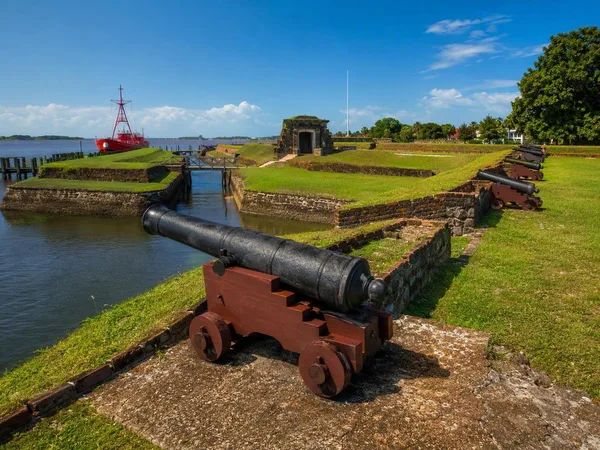
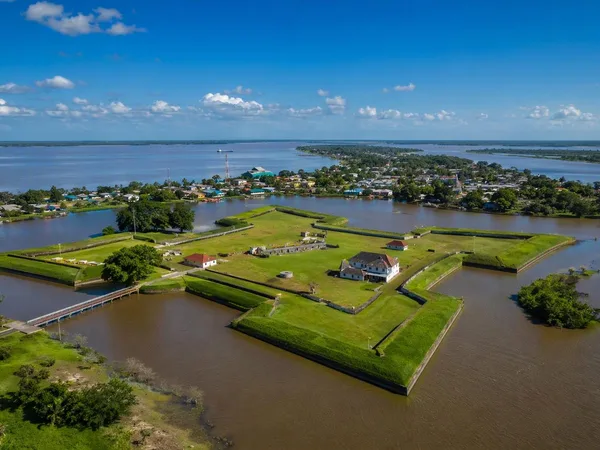
Fort Nieuw Amsterdam
2 linked stories and routes
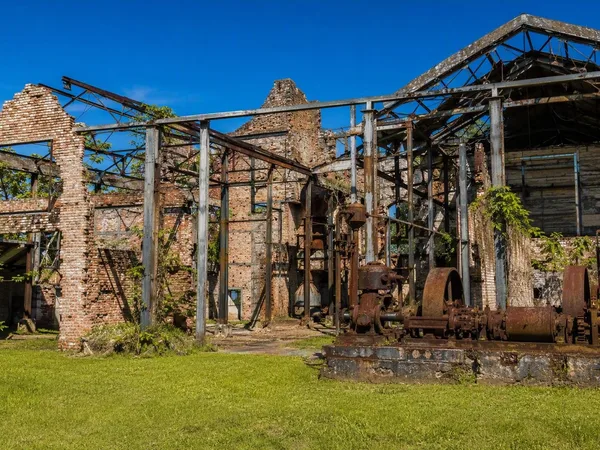
Mariënburg
1 linked stories and routes
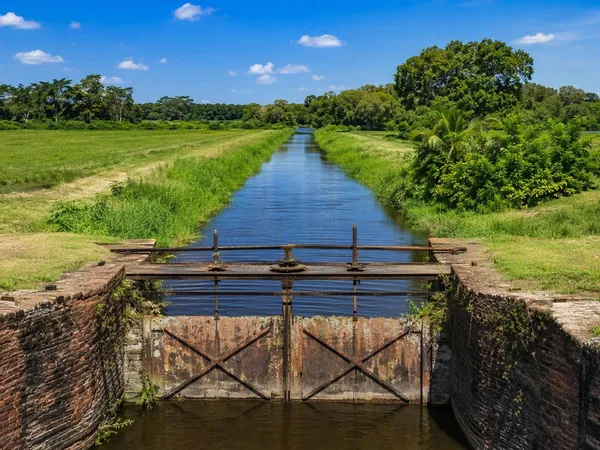
Rust en Werk Plantation
1 linked stories and routes
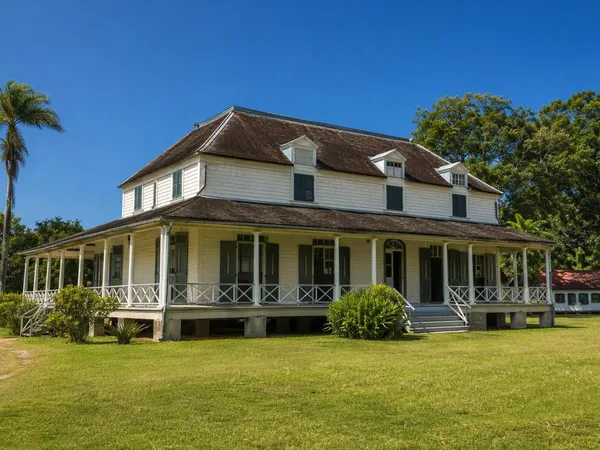
Frederiksdorp
1 linked stories and routes
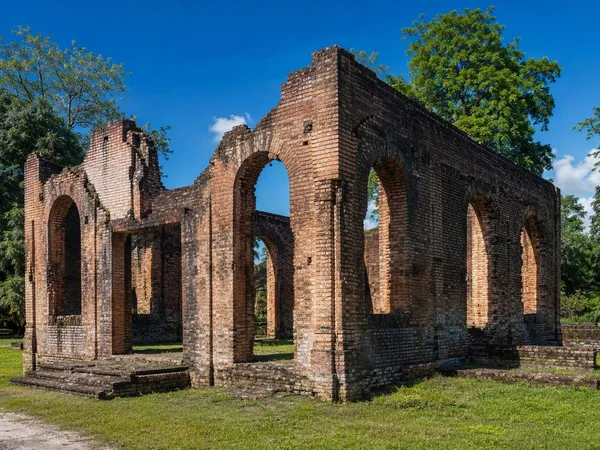
Jodensavanne
1 linked stories and routes
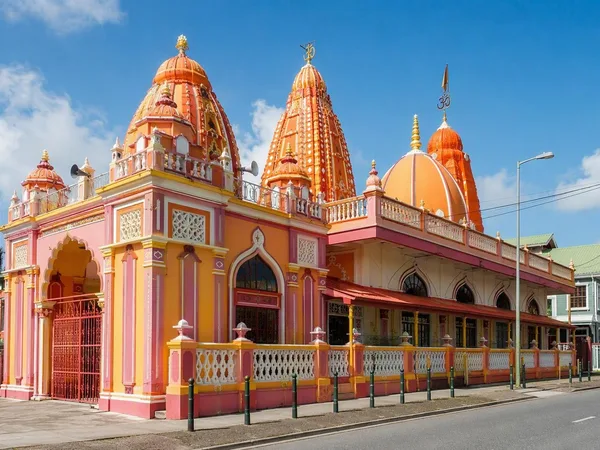
Sri Vishnu Mandir
1 linked stories and routes
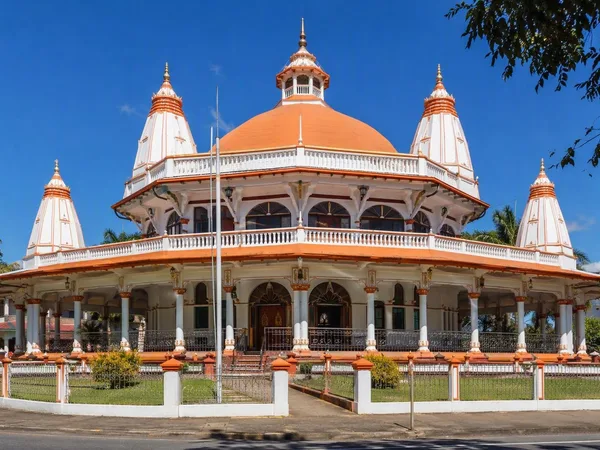
Arya Diwaker Temple
1 linked stories and routes
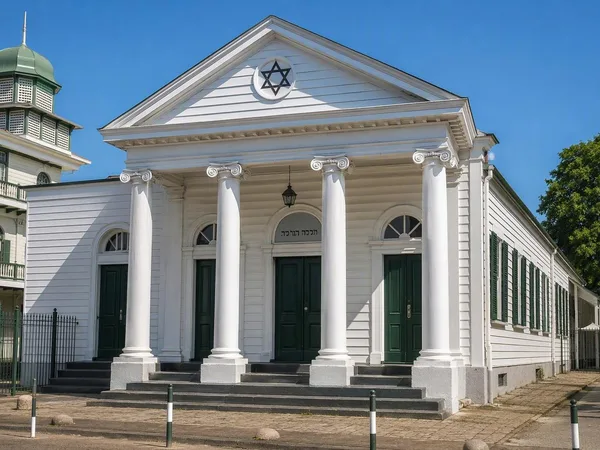
Neve Shalom Synagogue
1 linked stories and routes