
Sight · Suriname
Frederiksdorp
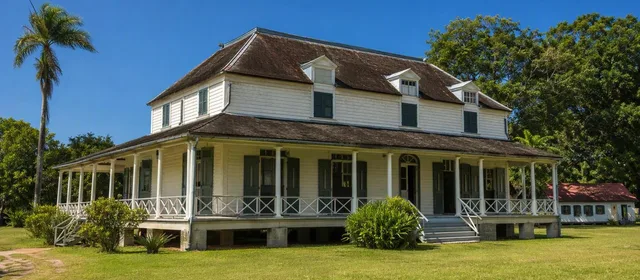
Frederiksdorp is a restored former coffee and cocoa plantation on the right bank of the Commewijne River in Suriname’s Commewijne District. Reached only by boat, it combines preserved plantation buildings with a museum and a slavery-history trail.
Orientation
Frederiksdorp stands on the right bank of the Commewijne River, amid the former plantation landscape of northern Commewijne. Founded in 1747 by Johan Friederich Knöffel as a coffee plantation, it later produced cocoa and cotton. Today, the restored estate operates as a heritage site and small resort.
This is not a nostalgic plantation visit. The place is best understood through the systems of forced labour, resistance and later contract labour that shaped both the estate and the wider district. In 1775, nearly 200 enslaved people worked here.
What remains
A walk around the grounds connects the river landing with the surviving built fabric of the plantation. Look for:
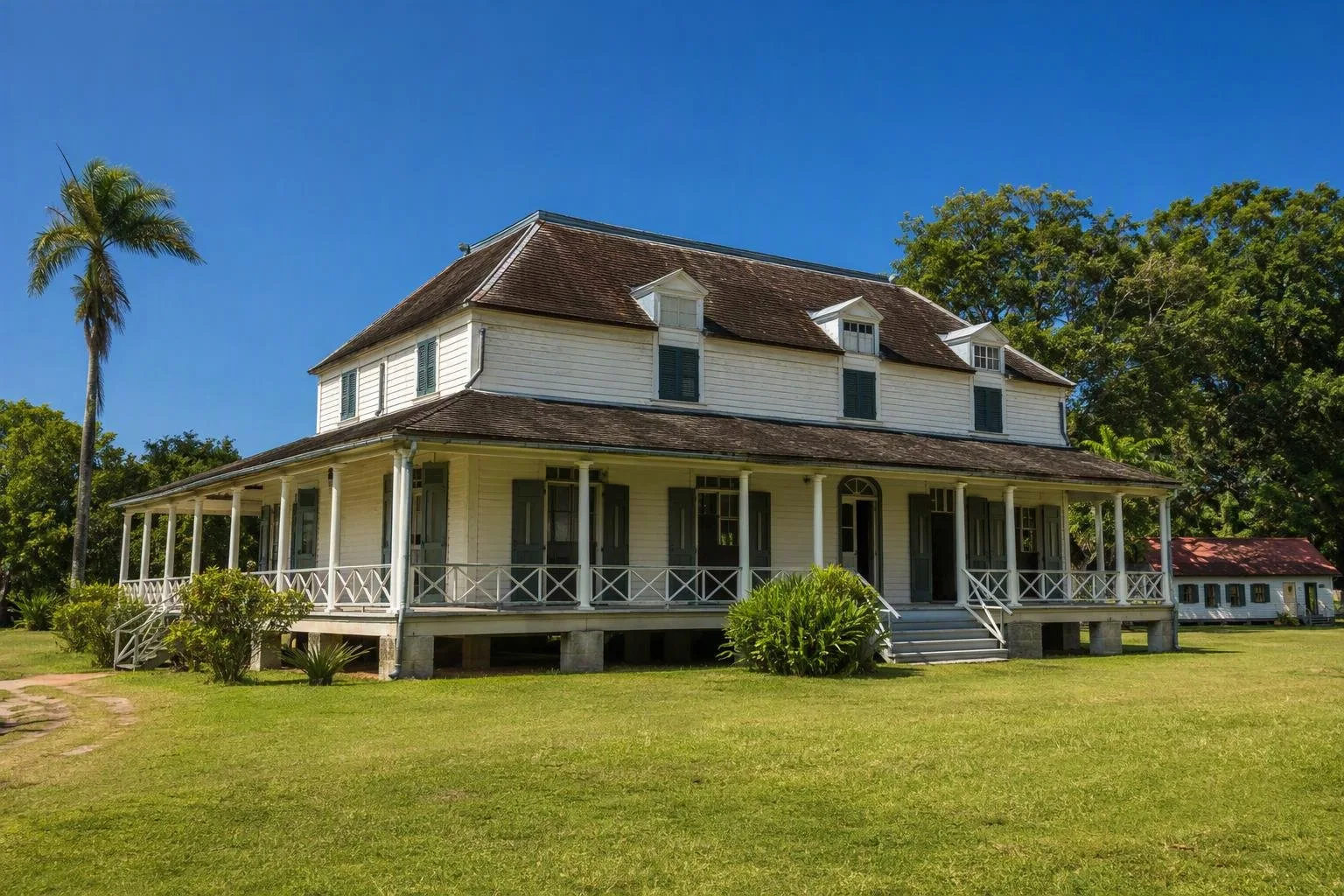
- The director’s house: a wooden 18th-century building, now home to the North Commewijne Story Museum.
- The drying floor: a surviving reminder of coffee and cocoa processing.
- The former police post and prison cells: established after emancipation; the site also later housed a district commissioner and a medical post.
- Canals and sluices: practical traces of the water-managed plantation landscape.
The river approach is part of the experience. The jetty, plantation yard and historic buildings make clear why water, rather than roads, linked this estate to Paramaribo.
Museum and Boni Trail
The North Commewijne Story Museum presents personal stories from residents of the river’s right bank, using the former director’s house rather than a conventional gallery setting. Allow time to read, listen and move through the rooms; it is the clearest introduction to local life beyond the plantation record.
The Boni Trail is an educational forest walk centred on Boni, the 18th-century freedom fighter. It addresses enslavement and resistance directly, from the transatlantic crossing and plantation labour to escape and armed struggle. Treat it as a historical programme, not a casual nature path.
Getting there and visiting
Frederiksdorp is accessible only by boat. The practical independent route is to drive from Paramaribo to the Marienburg pier and arrange the crossing there; boats normally operate between 08:00 and 18:00. Organised river excursions from Paramaribo may combine Frederiksdorp with other Commewijne sites.
Reserve in advance. Day visitors need a prior booking, and this matters especially for boat coordination. The estate has a restaurant, bar, pool, guided activities and accommodation in restored historic residences or garden cabins. Bicycles, canoes and paddleboards are also available on site.
Useful context
Coffee gave way to cacao in the late 19th century; cacao production ended after crop disease in 1905. Frederiksdorp was designated a national heritage site in 2004. Its present-day interpretation does not erase that history: it gives the surviving buildings, stories and landscape a clear historical frame.
From the magazine
Stories about Frederiksdorp
Editorial stories linked directly to Frederiksdorp.
No stories about Frederiksdorp have been published yet.
Routes from our editors
Travel through Frederiksdorp
Editorial routes connecting Frederiksdorp with other countries, cities and hotspots.
No routes through Frederiksdorp have been published yet.
More in Suriname
Related hotspots
Other cities, nature areas and places within Suriname.
Paramaribo
4 linked stories and routes
Commewijne District
2 linked stories and routes
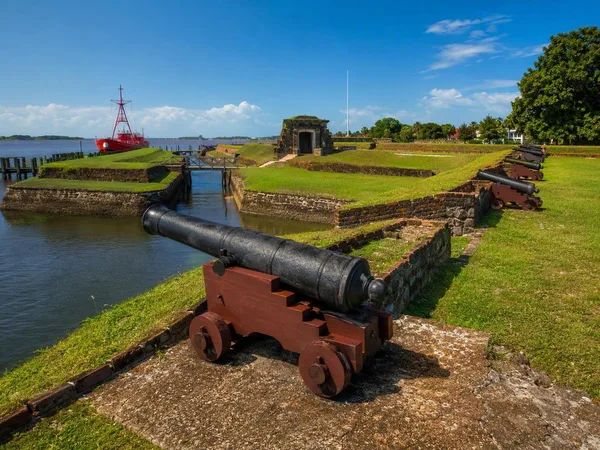
Fort Nieuw Amsterdam
2 linked stories and routes
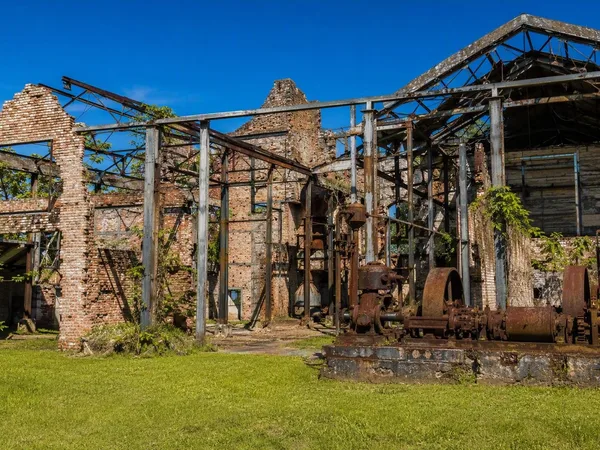
Mariënburg
1 linked stories and routes
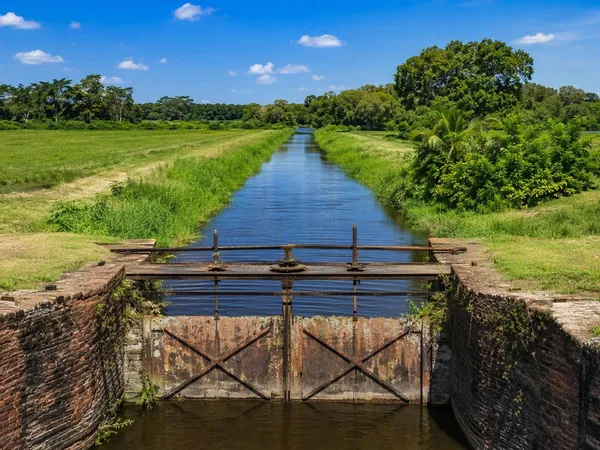
Rust en Werk Plantation
1 linked stories and routes
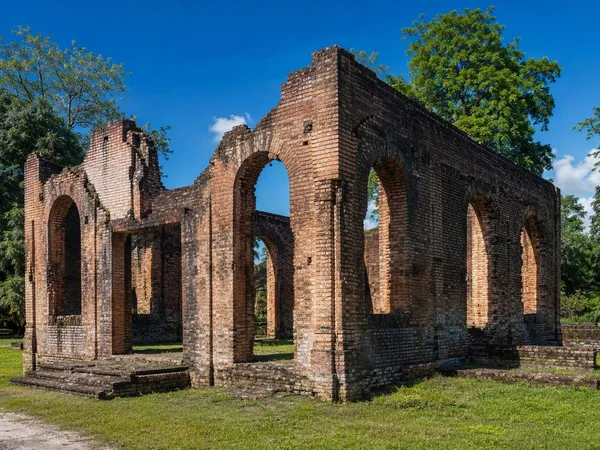
Jodensavanne
1 linked stories and routes
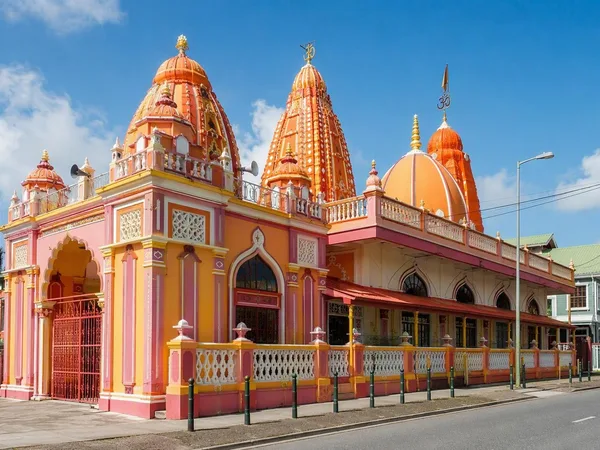
Sri Vishnu Mandir
1 linked stories and routes
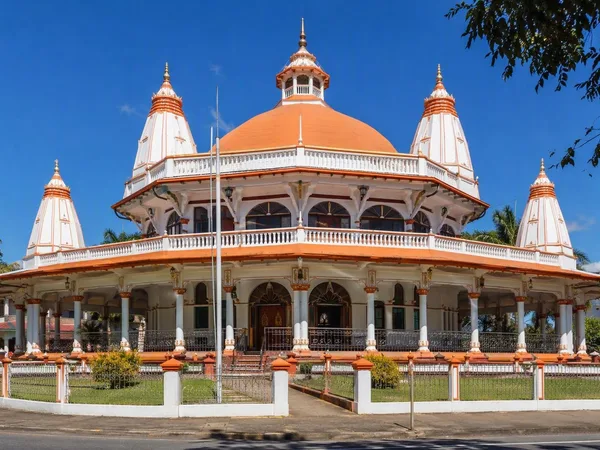
Arya Diwaker Temple
1 linked stories and routes
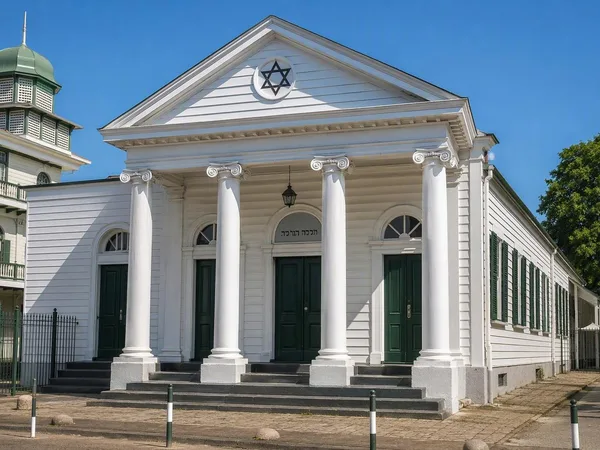
Neve Shalom Synagogue
1 linked stories and routes