
Sight · Suriname
Jodensavanne
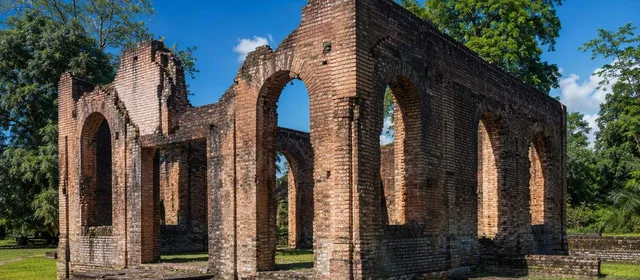
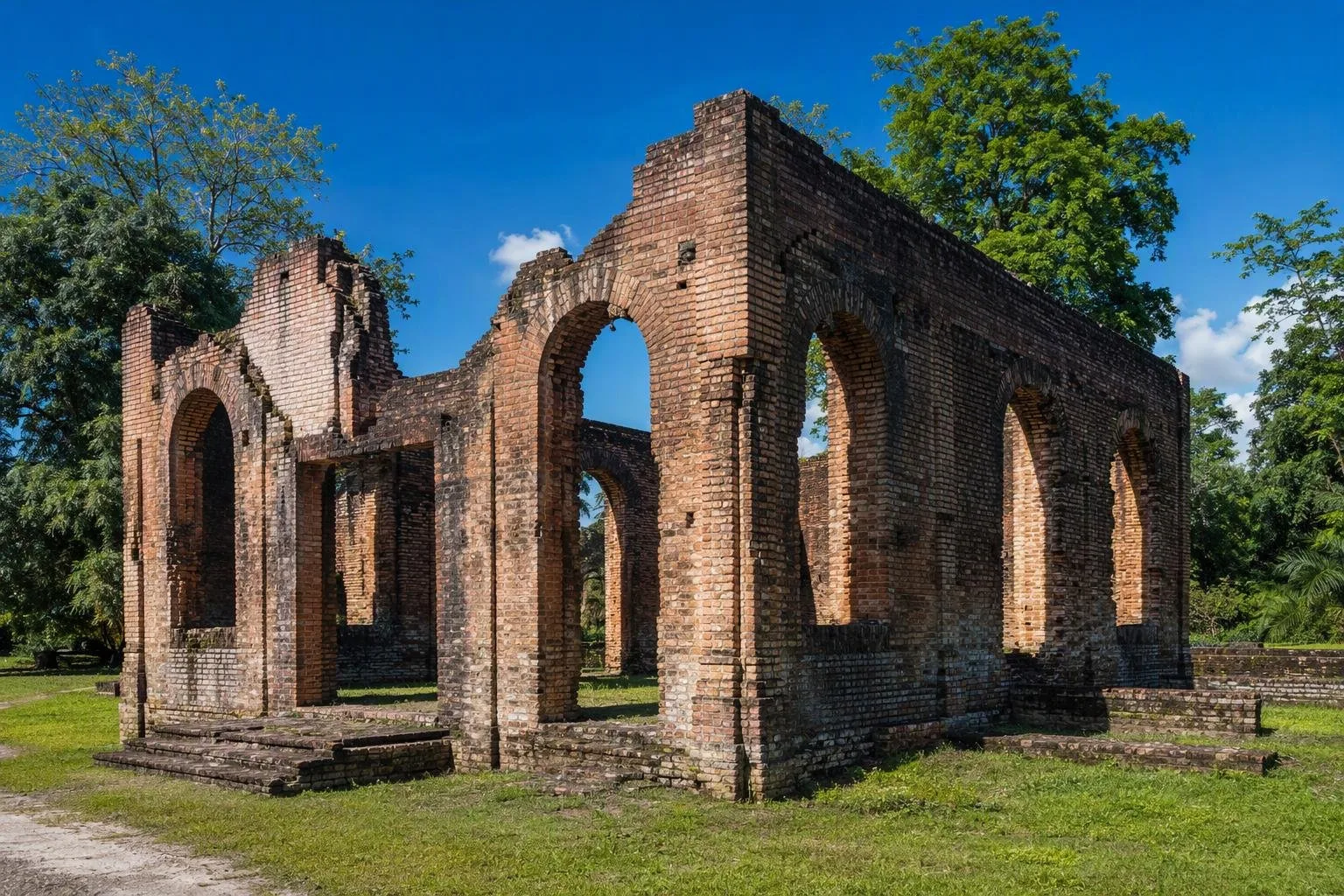
Jodensavanne is a former Sephardic Jewish plantation settlement on the forested Suriname River in Para District, around 50 km south of Paramaribo. Its synagogue ruin and cemeteries form part of a World Heritage archaeological landscape.
What Jodensavanne is
Jodensavanne is an archaeological settlement on high ground above the Suriname River. It was founded in the 1680s and became an unusually autonomous Jewish community in the Atlantic world. In 2023, it was inscribed as part of the Jodensavanne Archaeological Site, together with the older Cassipora Creek Cemetery.
This is not a restored colonial village. The point is the surviving layout: brick foundations, burial grounds, river landings and the remains of a defensive post in a forest setting.
The synagogue and burial grounds
Start at the ruin of the Beracha VeShalom synagogue, the site’s defining structure. Its brick walls and foundations mark what is regarded as the earliest synagogue of architectural significance in the Americas. Look beyond the building itself: the riverbank location explains how people, goods and news reached the settlement.
The settlement also preserves Jewish and Creole cemeteries. At Cassipora Creek, the older cemetery belongs to a predecessor community established in the 1650s; its surviving stones carry inscriptions in languages including Hebrew, Portuguese, Spanish, Dutch and Aramaic.
Treat every wall, grave marker and foundation as an archaeological feature. Do not climb on masonry or step on graves.
Read the history in full
Jodensavanne records religious refuge and colonial power, but neither story stands alone. Jewish settlers exercised significant communal autonomy here, while the settlement and surrounding plantations operated within a slave society. Free and enslaved people of African descent, Indigenous people and European colonists were all part of this frontier landscape.
That context matters when viewing the synagogue ruins. The archaeological record includes the physical traces of worship, domestic life, river transport and defence, but also a plantation economy built on enslavement. The settlement declined during the eighteenth and nineteenth centuries; its remains are now the durable evidence.
Getting there and visiting well
Allow a full day from Paramaribo. Jodensavanne is reached either by road through Para District or by boat along the Suriname River; organised day trips commonly use one of these routes. A guide is useful here because the remains are dispersed rather than presented as a conventional museum collection.
Wear closed shoes for uneven, sandy and potentially wet ground. Bring water, sun protection and insect repellent. The site is co-managed with the neighbouring Indigenous community of Redi Doti; keep to marked access routes and follow local instructions.
Practical arrangements can vary with weather and transport conditions, so settle access and return transport before leaving Paramaribo.
From the magazine
Stories about Jodensavanne
Editorial stories linked directly to Jodensavanne.
No stories about Jodensavanne have been published yet.
Routes from our editors
Travel through Jodensavanne
Editorial routes connecting Jodensavanne with other countries, cities and hotspots.
No routes through Jodensavanne have been published yet.
More in Suriname
Related hotspots
Other cities, nature areas and places within Suriname.
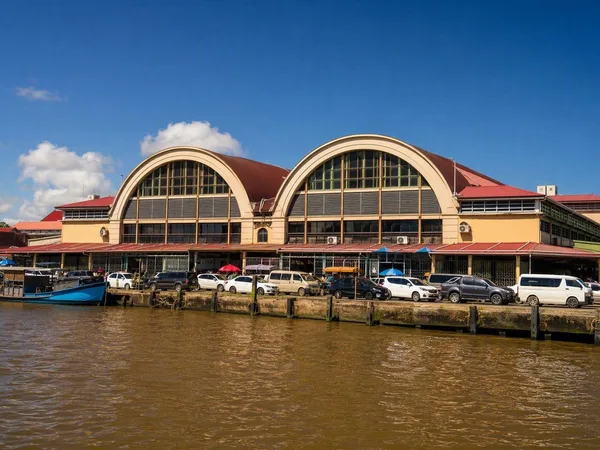
Paramaribo
4 linked stories and routes
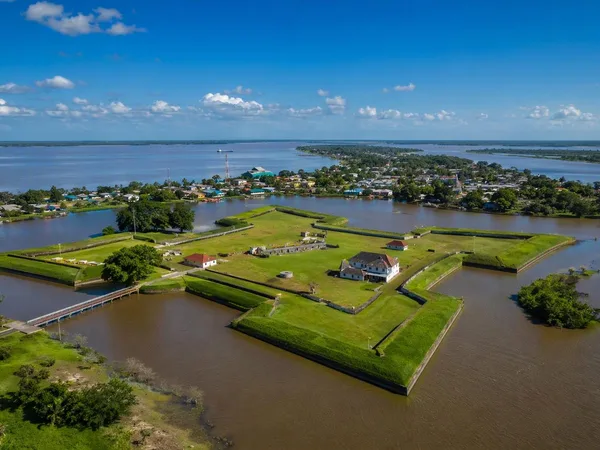
Commewijne District
2 linked stories and routes
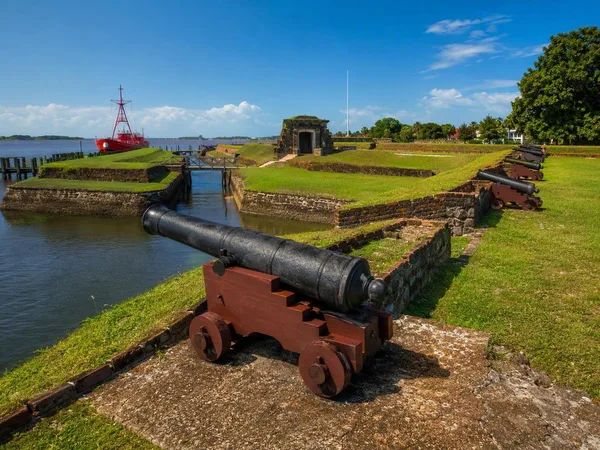
Fort Nieuw Amsterdam
2 linked stories and routes
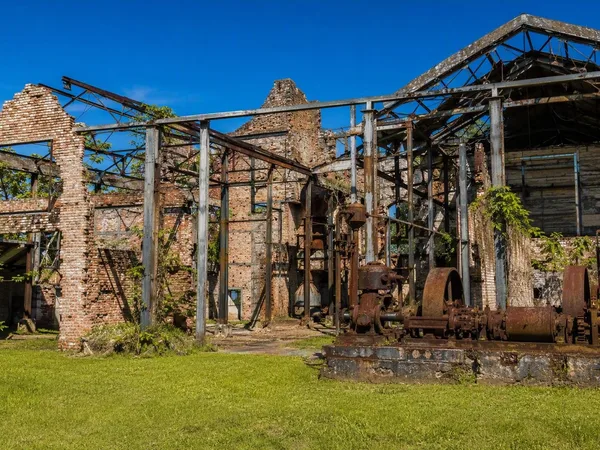
Mariënburg
1 linked stories and routes
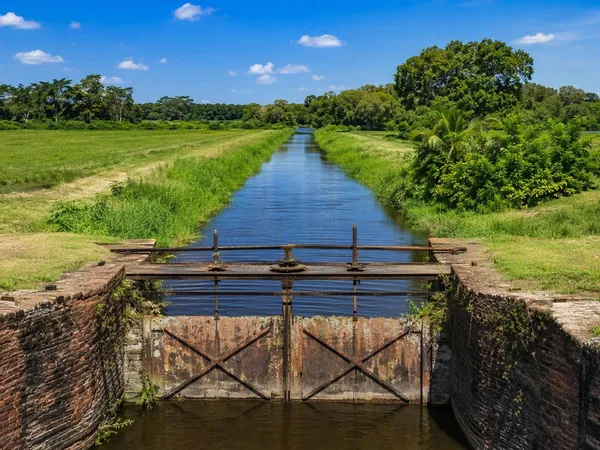
Rust en Werk Plantation
1 linked stories and routes
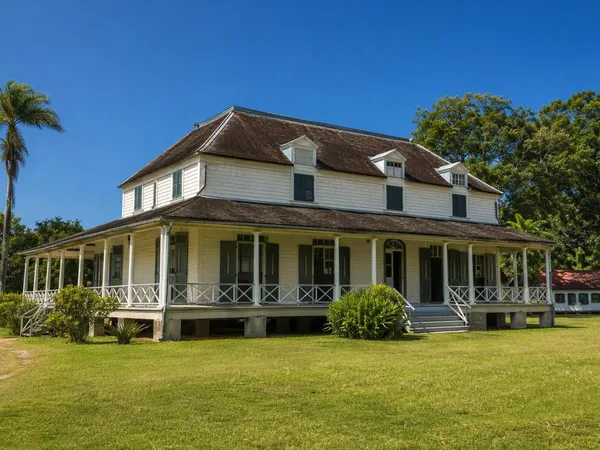
Frederiksdorp
1 linked stories and routes
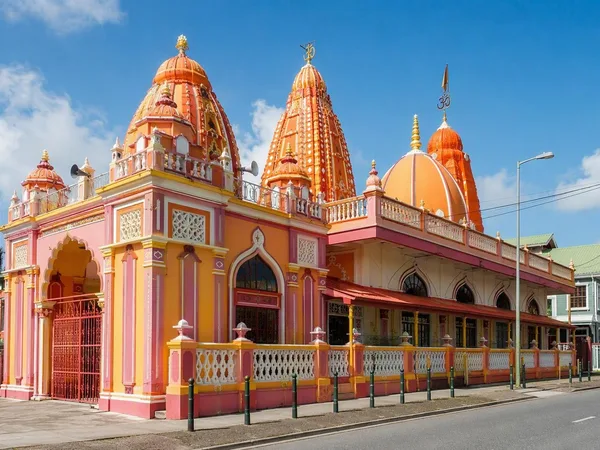
Sri Vishnu Mandir
1 linked stories and routes
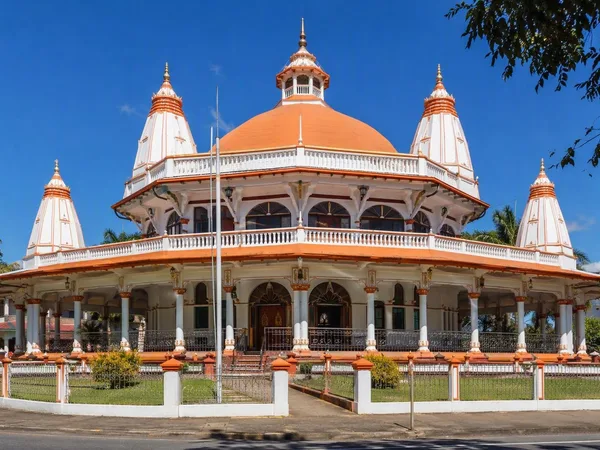
Arya Diwaker Temple
1 linked stories and routes
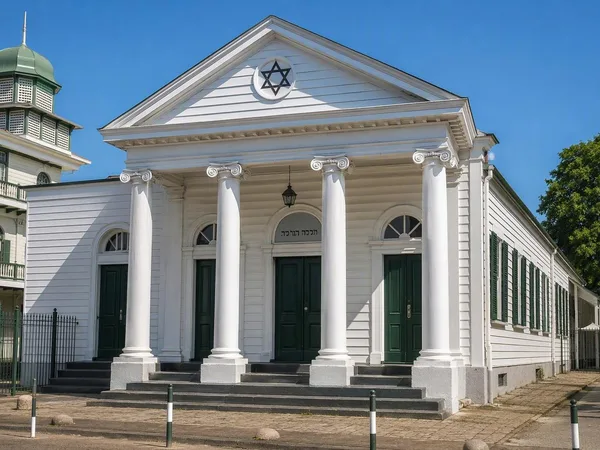
Neve Shalom Synagogue
1 linked stories and routes