
Paramaribo gives Suriname an unusually rich starting point. Wooden houses and former colonial buildings fill parts of the historic centre, but the capital’s daily life reaches far beyond its Dutch past. On Keizerstraat, a mosque stands beside a synagogue. At markets and small restaurants, cooks serve roti, Javanese saoto soup, pom and moksi alesi. Dutch is the official language, while Sranan Tongo and languages from Hindustani, Javanese, Maroon and Indigenous communities are heard across the city. These communities trace their histories through slavery, indentured labour, migration and trade.
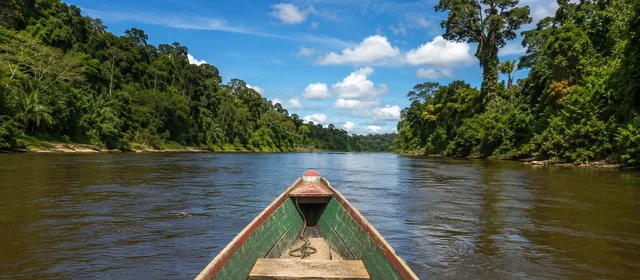
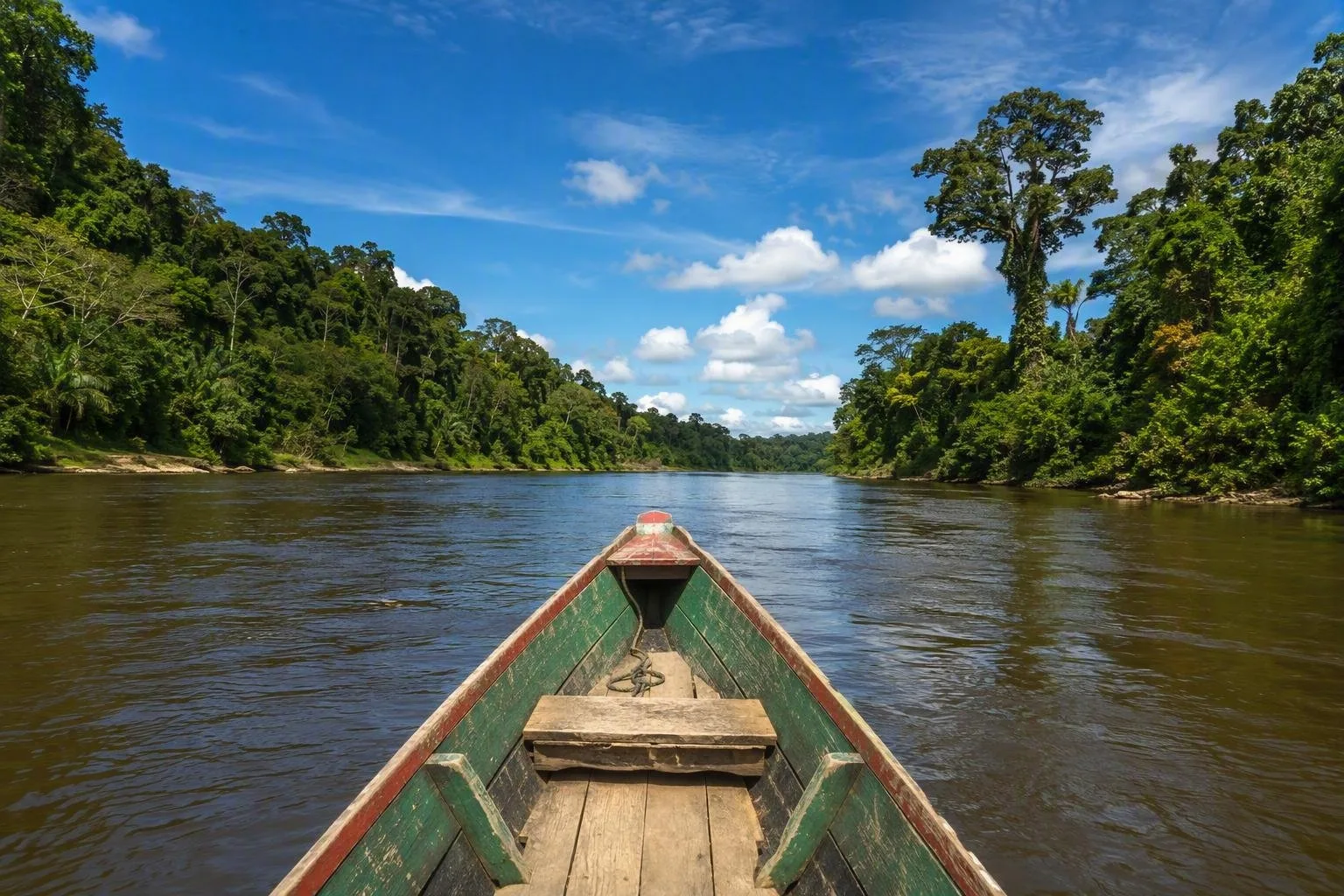
Rivers lead from the capital towards a largely forested interior. Boats travel the Suriname and Marowijne rivers to Maroon and Indigenous villages, where residents keep local languages, crafts and customs alive. At Brownsberg Nature Park, walking trails run through forest above the Brokopondo Reservoir. Farther inland, Central Suriname Nature Reserve covers primary rainforest, granite outcrops and habitat for monkeys, giant river otters and harpy eagles.
The coast offers a different view of the country. Old plantations line stretches of the Commewijne River, and sea turtles nest near the Marowijne estuary. Back in Paramaribo, Fort Zeelandia and the Cathedral Basilica of Saints Peter and Paul show two distinct chapters of the colonial period. Give the capital a few unhurried days, then take a boat into Commewijne or travel upriver. Suriname suits travellers who like to linger over food, talk and the slow movement of a riverboat.


