
Neighbourhood · Suriname
Combé, Paramaribo
Combé is a historic neighbourhood on the northeast side of central Paramaribo, between the Suriname River, Sommelsdijkse Kreek and Grote Combéweg. Founded in 1791 as the city’s first suburb, it is best explored for its surviving wooden residential architecture and layered urban history.
Orientation
Combé sits immediately northeast of Paramaribo’s historic core. It began in 1791 as Voorstad Zeelandia, the city’s first suburb, and was initially a district of country houses for affluent residents. By the late 19th century it had developed into a multi-ethnic middle-class neighbourhood.
The area is not a single monument or museum precinct. It is a lived-in city district where residential streets, institutions, market activity and nightlife sit alongside historic fabric.
What to look for
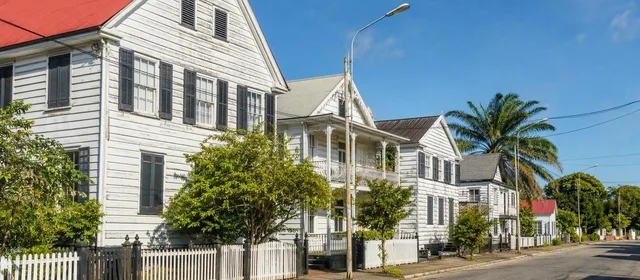
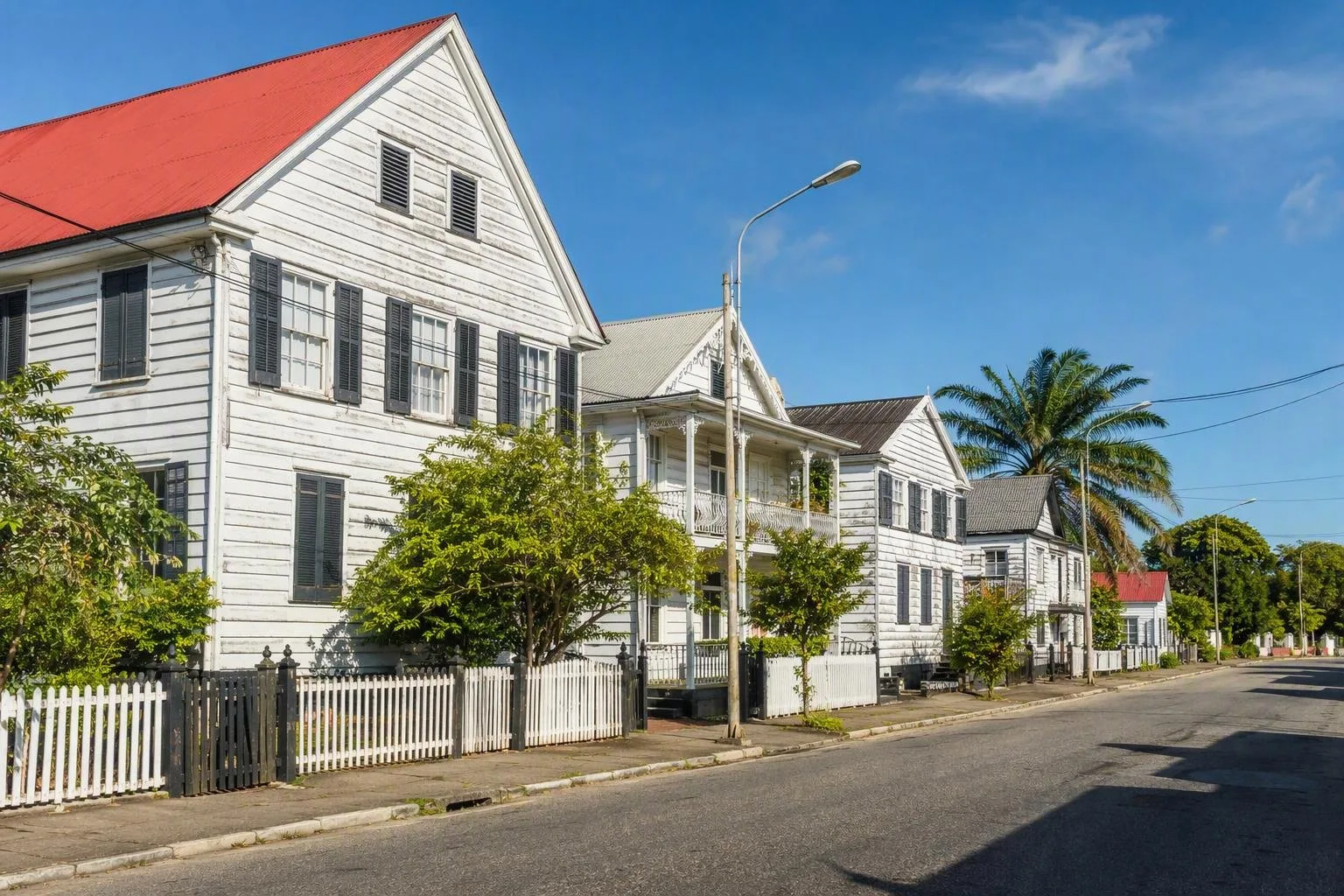
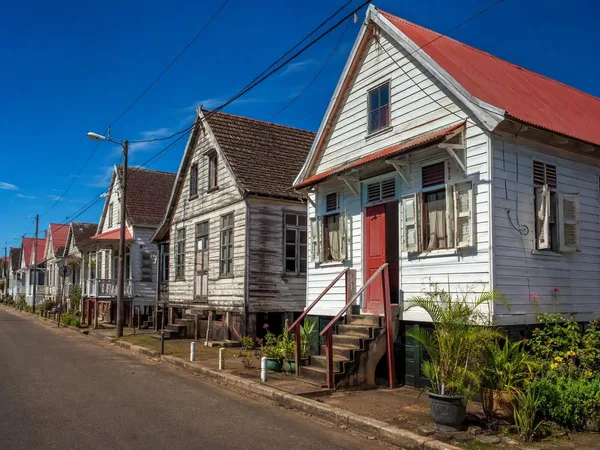
Combé’s strongest draw is its wooden domestic architecture. Walk slowly rather than hunt for a single landmark: the value lies in façades, plots and recurring construction details.
Look for:
- Timber houses raised above ground level, often with broad verandas and shuttered windows.
- Nineteenth-century homes with galleries, balustrades and exposed supporting columns.
- Smaller wooden dwellings and compounds where more than one house occupies a yard, known as prasi oso.
- The contrast between older houses and later government, commercial and residential construction.
Lim A Postraat and Henck Arronstraat are useful streets for reading this architectural language. Grote Combéweg forms a major edge and links the area back toward the historic centre.
A short walk through the district
Start near the northern end of Grote Combéweg, close to the Palmentuin and the edge of the historic centre. Continue northeast, using Lim A Postraat and adjoining residential streets for the quieter architectural section. This is a better neighbourhood for observation than for ticking off formal sights.
The southern side connects toward Kleine Waterstraat and Van Sommelsdijckstraat, where the character becomes more commercial and entertainment-led. Combé Market is on Grote Combéweg; Sunday markets have also operated along this corridor.
History in the street pattern
Combé’s growth tracks major shifts in Paramaribo. After emancipation, the arrival of indentured labourers from India and Java helped reshape the neighbourhood’s population and housing. The former riverside immigration depot, where arriving Indian and Javanese contract labourers were accommodated, remained in use into the first half of the 20th century.
The district’s timber buildings belong to the wider architectural tradition that makes central Paramaribo distinctive: European-influenced forms adapted to local materials and tropical conditions.
Practical approach
Go in daylight, preferably early or late in the day when the heat is less severe and façades are easier to examine. Combé is compact enough to combine with the Palmentuin and the historic centre on foot.
These are homes, workplaces and public streets. Photograph from the public way, do not enter private yards, and do not assume that an older building is open to visitors.
From the magazine
Stories about Combé, Paramaribo
Editorial stories linked directly to Combé, Paramaribo.
No stories about Combé, Paramaribo have been published yet.
Routes from our editors
Travel through Combé, Paramaribo
Editorial routes connecting Combé, Paramaribo with other countries, cities and hotspots.
No routes through Combé, Paramaribo have been published yet.
More in Suriname
Related hotspots
Other cities, nature areas and places within Suriname.
Paramaribo
6 linked stories and routes
Commewijne District
3 linked stories and routes
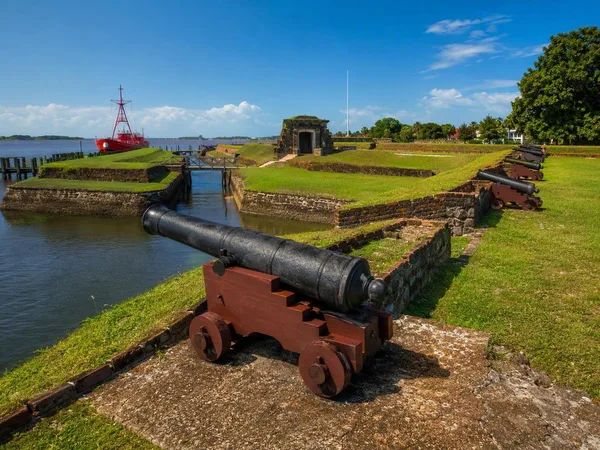
Fort Nieuw Amsterdam
2 linked stories and routes
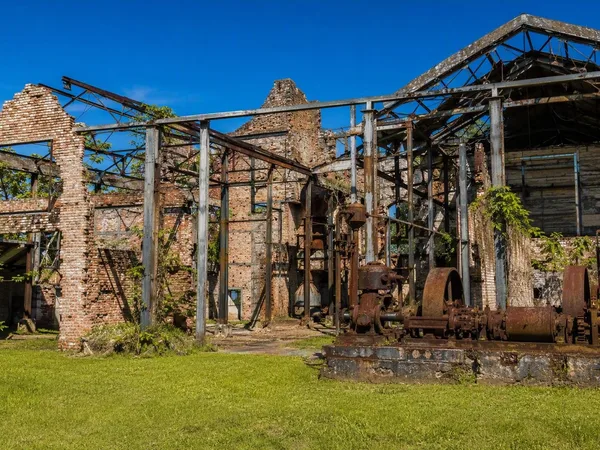
Mariënburg
2 linked stories and routes
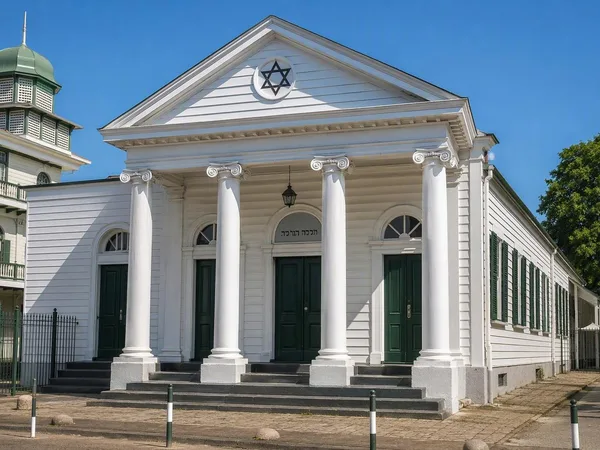
Neve Shalom Synagogue
2 linked stories and routes
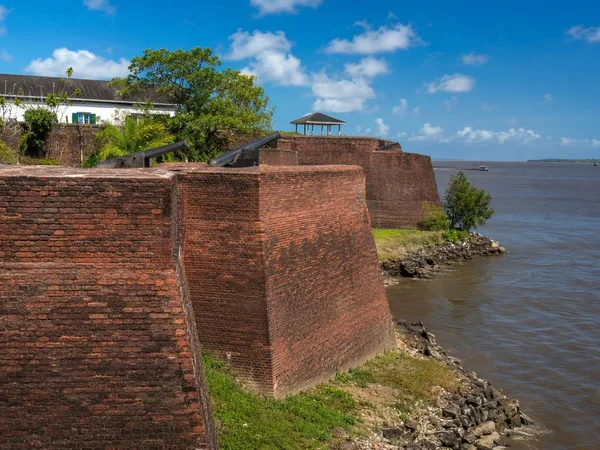
Fort Zeelandia
2 linked stories and routes
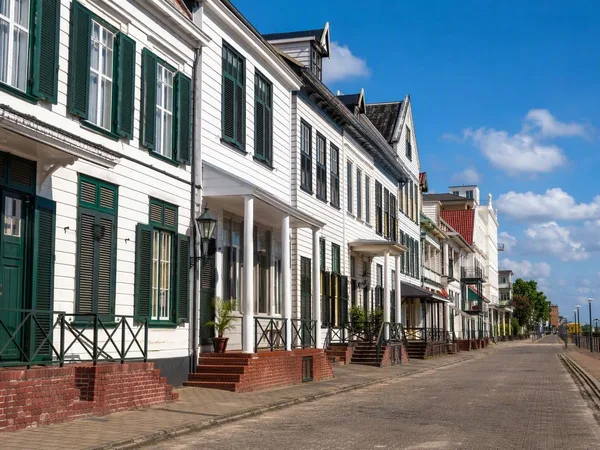
Waterkant, Paramaribo
2 linked stories and routes
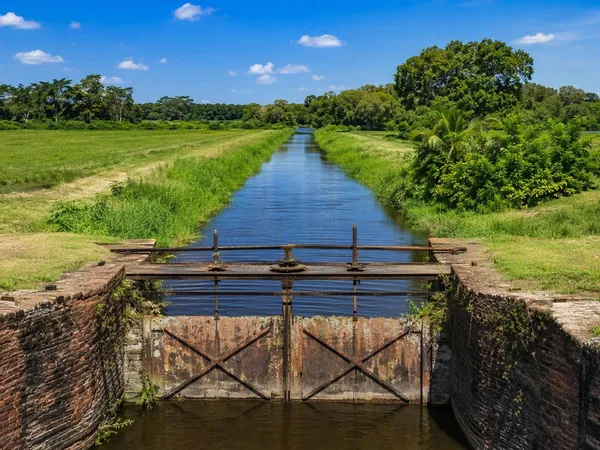
Rust en Werk Plantation
1 linked stories and routes
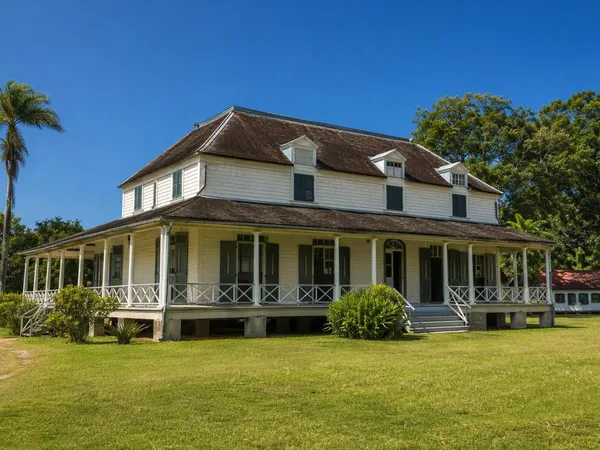
Frederiksdorp
1 linked stories and routes
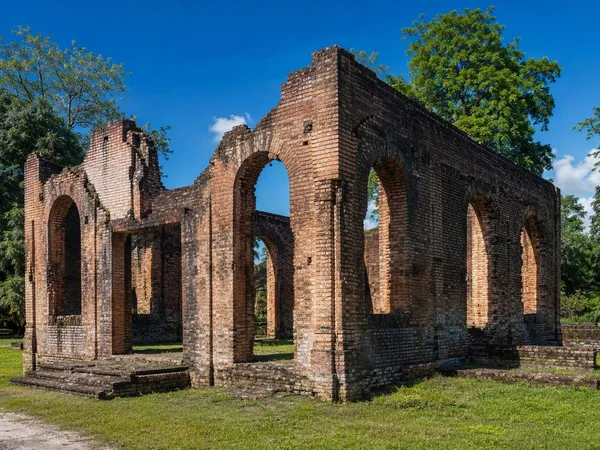
Jodensavanne
1 linked stories and routes
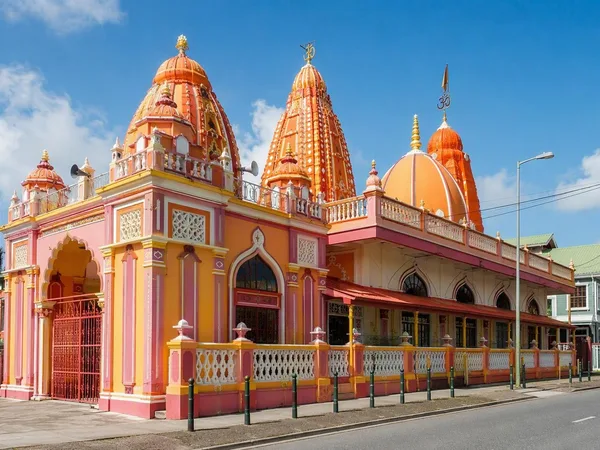
Sri Vishnu Mandir
1 linked stories and routes
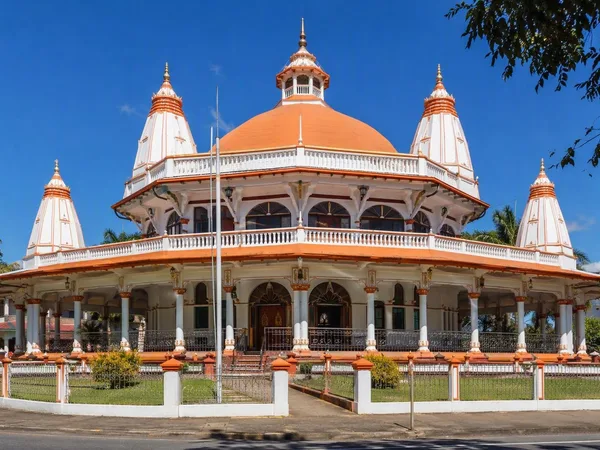
Arya Diwaker Temple
1 linked stories and routes
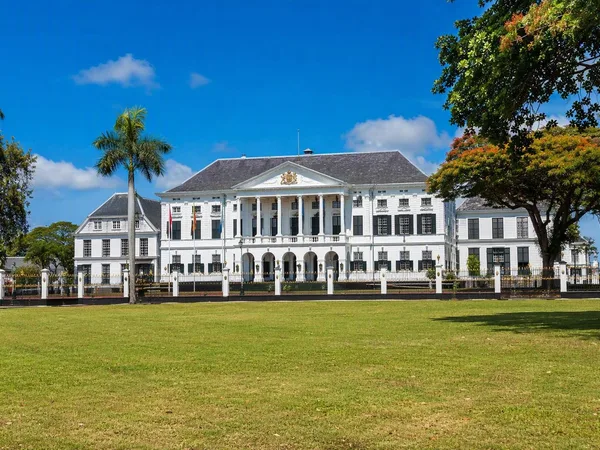
Onafhankelijkheidsplein (Independence Square)
1 linked stories and routes
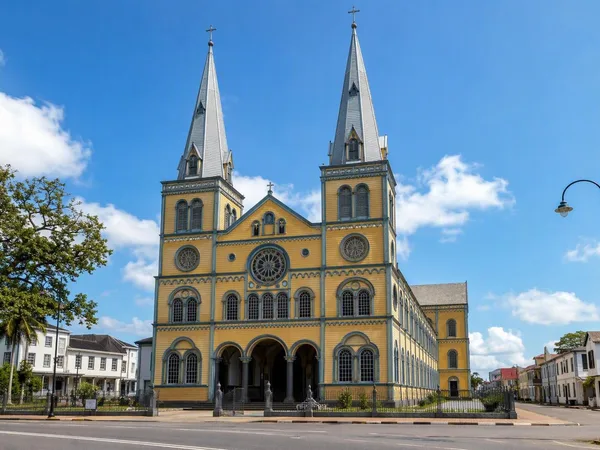
Sint-Petrus-en-Paulus Cathedral
1 linked stories and routes
Frimangron, Paramaribo
1 linked stories and routes
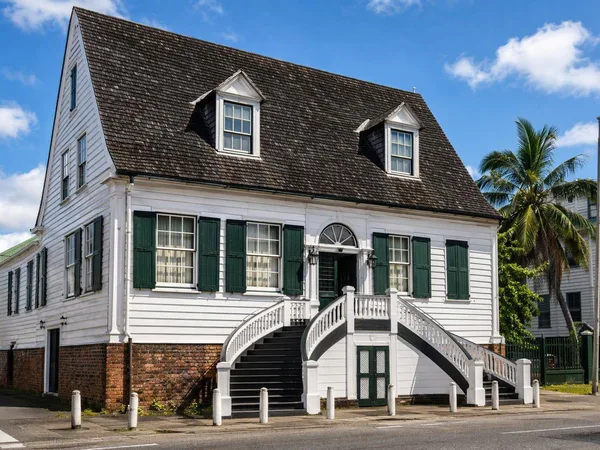
Elisabeth Samson House
1 linked stories and routes
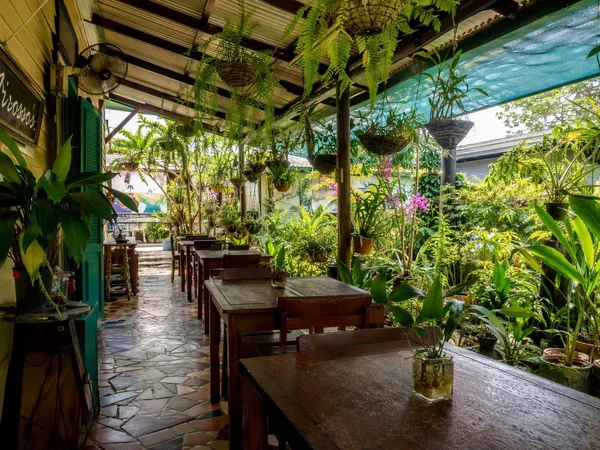
Blauwgrond
1 linked stories and routes