
Neighbourhood · Suriname
Frimangron, Paramaribo
Frimangron is a historic residential neighbourhood just south of central Paramaribo. Its name means “land of free people”, recalling the free Black Surinamese community that took shape here in the late 18th century.
Why Frimangron matters
Frimangron is one of Paramaribo’s earliest working-class neighbourhoods and a place to understand a history that sits beyond the grander colonial buildings of the inner city. It developed on low, marshy land outside the old town, first laid out as a new district in 1769.
The name is commonly understood as “land of free people”. In the 1770s, plots here were allocated to members of the Vrije Corps, formerly enslaved men who had been freed for military service. After abolition in 1863, more formerly enslaved people settled in the area. The district became a durable base for a free Afro-Surinamese community.
Find the neighbourhood
Frimangron lies immediately south of central Paramaribo. Its traditional boundaries are the Drambrandersgracht to the north, Zwartenhovenbrugstraat to the east, Limesgracht to the south and Johan Adolf Pengelstraat to the west.
It is a lived-in neighbourhood rather than a formal heritage precinct or an attraction with gates and opening hours. Walk it as part of a wider central-city route, keeping to public streets and treating homes as private space.
Streets and wooden houses
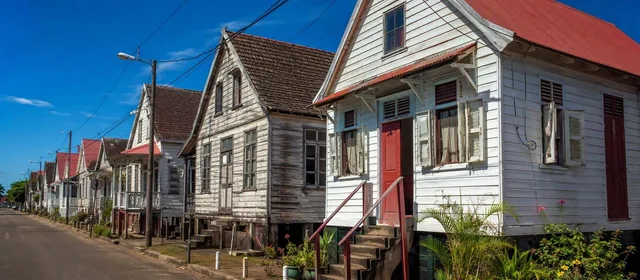
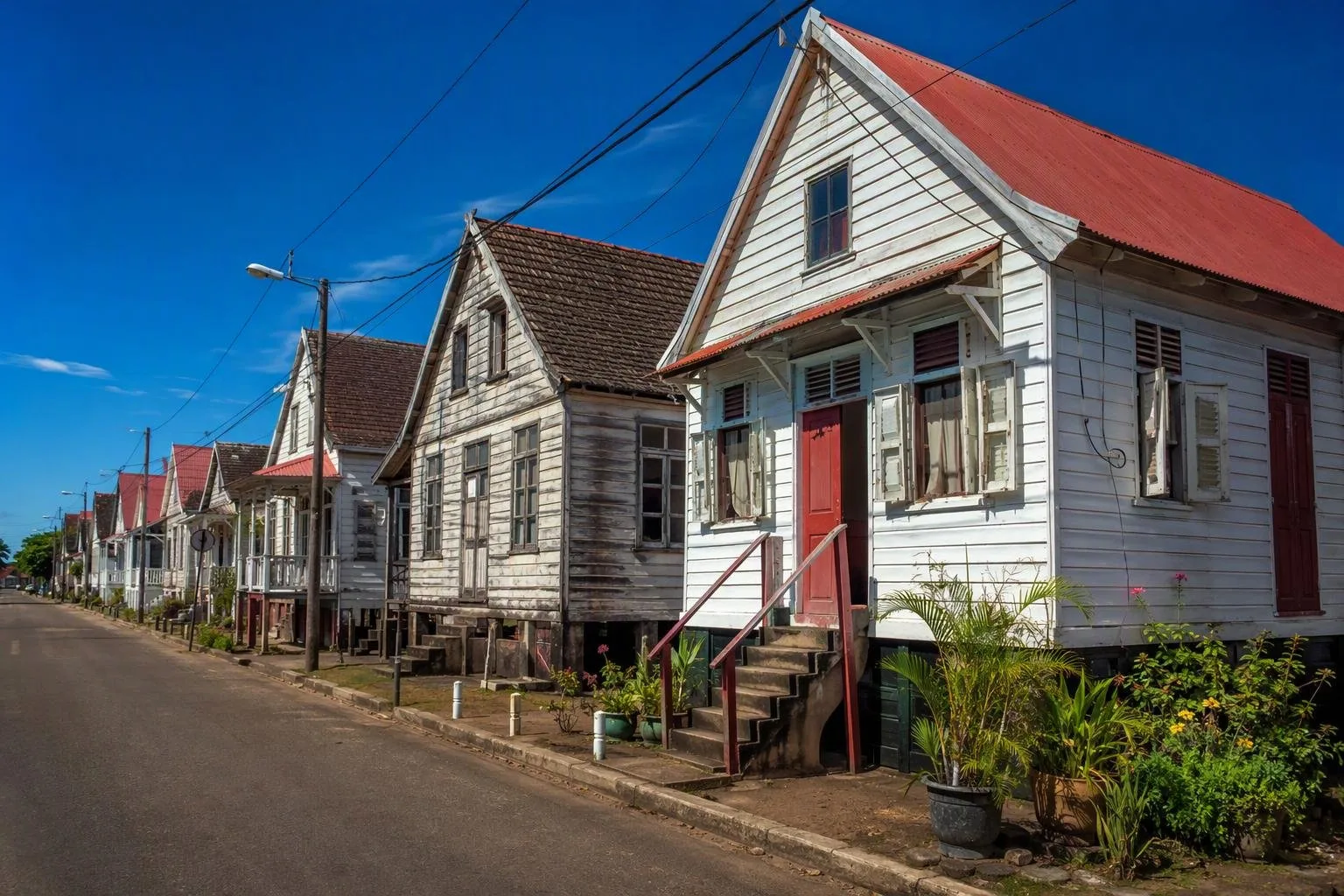
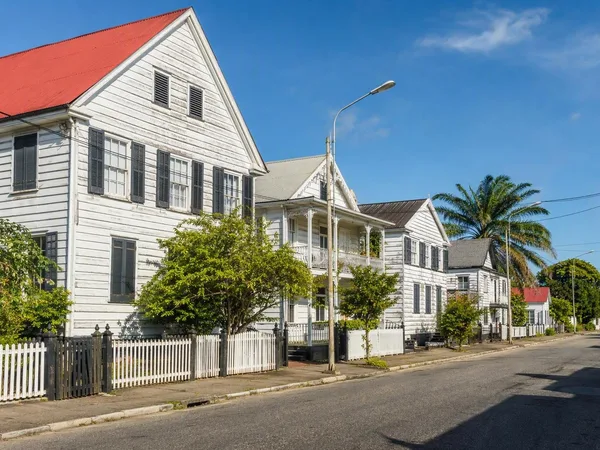
The draw is the everyday streetscape: modest timber houses, narrow plots, yards and traces of the older urban fabric. Look carefully rather than expecting a uniform row of restored façades.
Useful streets to explore:
- Anton de Komstraat, formerly Pontenwerfstraat, where several older wooden homes retain a historic street frontage.
- Drambrandersgracht, where simple timber workers’ housing survives.
- Gemenelandsweg and the streets around it, which show the neighbourhood’s residential grain.
- Limesgracht, once a drainage ditch and now a street marking part of Frimangron’s southern edge.
These are ordinary residences. Photograph from the street and do not enter yards or porches without permission.
Anton de Kom and local memory
Anton de Kom, the Surinamese writer and anti-colonial activist, was born in Frimangron. His former birthplace stands at the corner of Anton de Komstraat and Hofstraat, marked by a memorial stone. It is a modest but important point in the neighbourhood’s civic memory.
Frimangron’s history is also tied to the Redi Musu, the corps whose members received land here. Their role in the colonial system is contested; the neighbourhood is best read as a place shaped by both coercion and the hard-won pursuit of freedom, property and community.
Visiting well
Come in daylight, on foot, and give the area time. There is no single monument that explains Frimangron; its significance is distributed across the street plan, domestic architecture and names. Pair the walk with Paramaribo’s historic centre to see the contrast between official colonial architecture and the smaller-scale fabric of a community formed at the city’s edge.
From the magazine
Stories about Frimangron, Paramaribo
Editorial stories linked directly to Frimangron, Paramaribo.
No stories about Frimangron, Paramaribo have been published yet.
Routes from our editors
Travel through Frimangron, Paramaribo
Editorial routes connecting Frimangron, Paramaribo with other countries, cities and hotspots.
No routes through Frimangron, Paramaribo have been published yet.
More in Suriname
Related hotspots
Other cities, nature areas and places within Suriname.
Paramaribo
6 linked stories and routes
Commewijne District
3 linked stories and routes
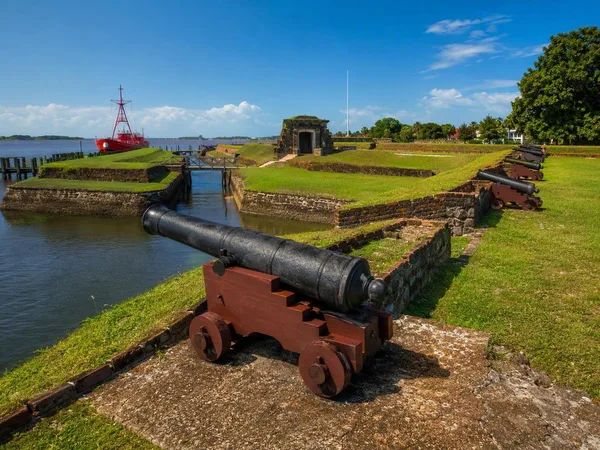
Fort Nieuw Amsterdam
2 linked stories and routes
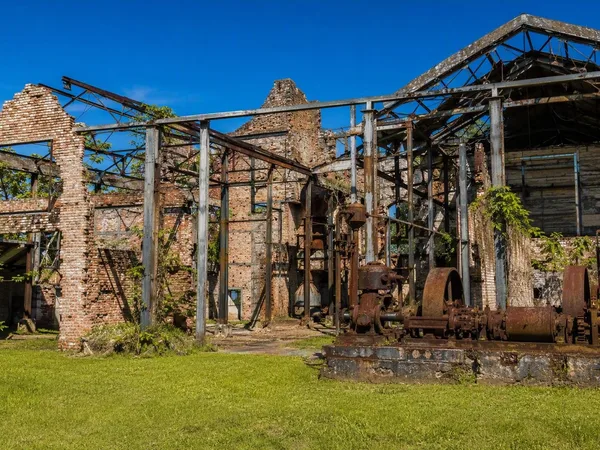
Mariënburg
2 linked stories and routes
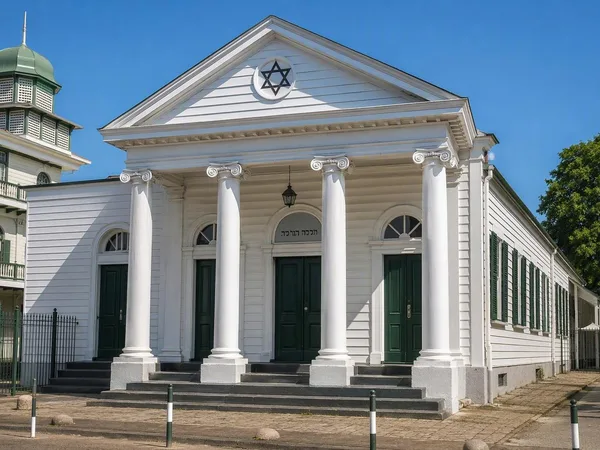
Neve Shalom Synagogue
2 linked stories and routes
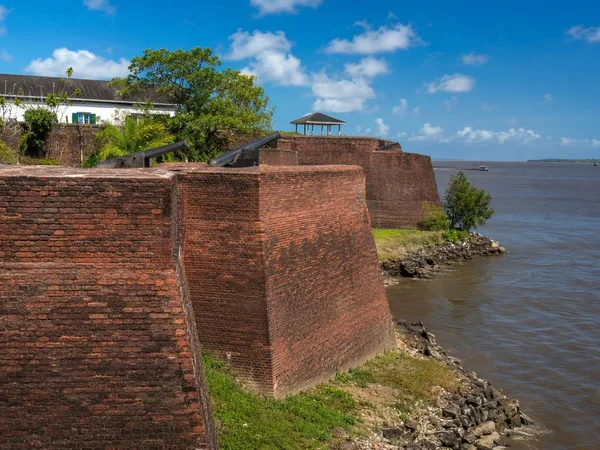
Fort Zeelandia
2 linked stories and routes
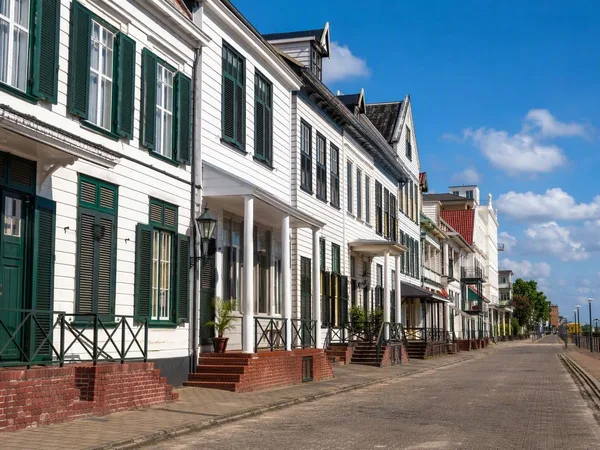
Waterkant, Paramaribo
2 linked stories and routes
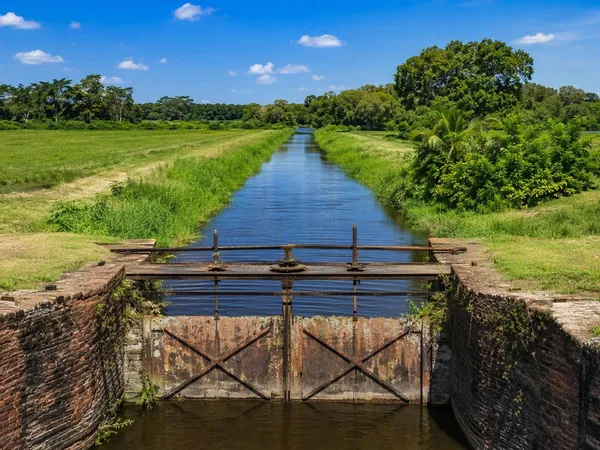
Rust en Werk Plantation
1 linked stories and routes
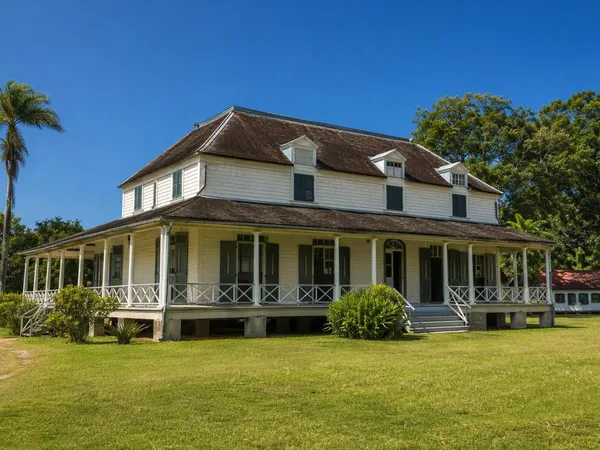
Frederiksdorp
1 linked stories and routes
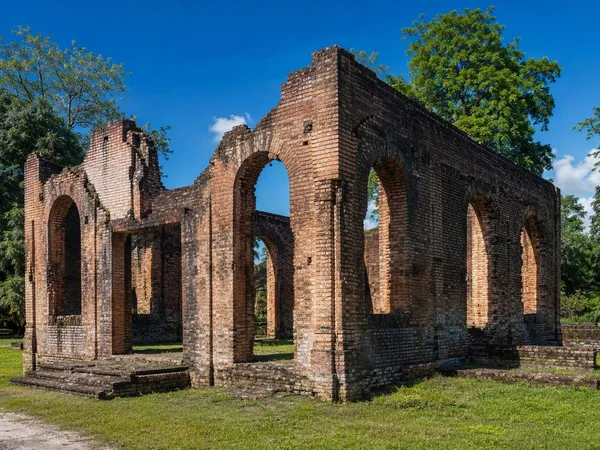
Jodensavanne
1 linked stories and routes
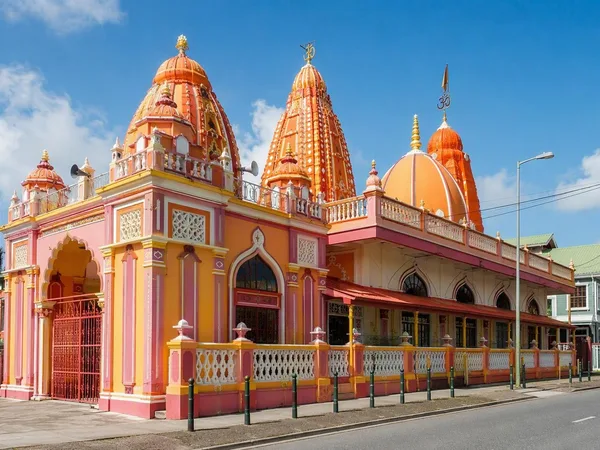
Sri Vishnu Mandir
1 linked stories and routes
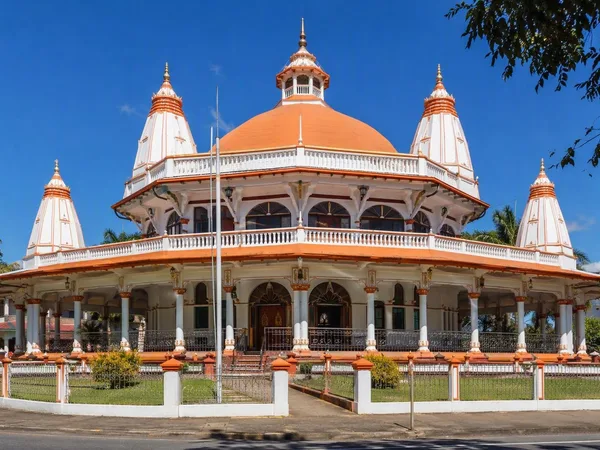
Arya Diwaker Temple
1 linked stories and routes
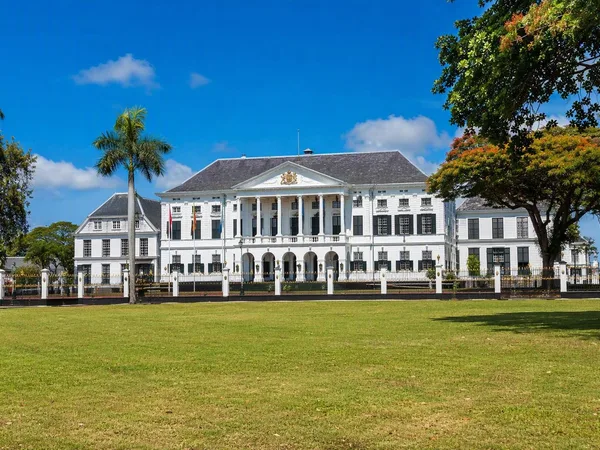
Onafhankelijkheidsplein (Independence Square)
1 linked stories and routes
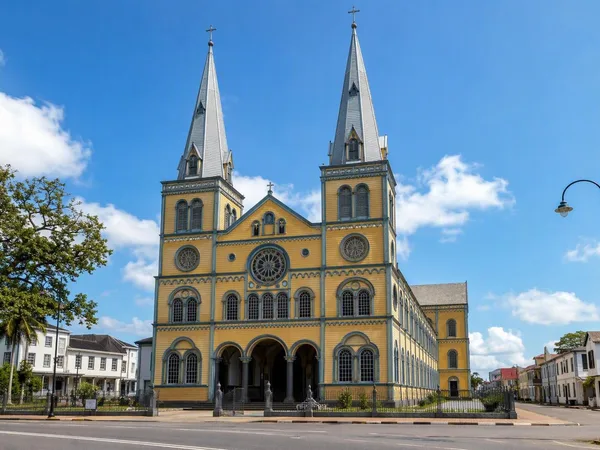
Sint-Petrus-en-Paulus Cathedral
1 linked stories and routes
Combé, Paramaribo
1 linked stories and routes
Elisabeth Samson House
1 linked stories and routes
Blauwgrond
1 linked stories and routes