
Sight · Suriname
Fort Zeelandia
Fort Zeelandia is the former riverside fortress at the eastern end of Paramaribo’s historic centre. It houses the Surinaams Museum and marks both the colonial origin of the city and a grave chapter in Suriname’s modern history.
Why it matters
Fort Zeelandia stands on the left bank of the Suriname River, at the point from which Paramaribo’s planned historic centre spread northwest. Its present name dates from 1667, when Zeeland forces under Abraham Crijnssen captured the English Fort Willoughby. The fort became a base of Dutch colonial authority; the grid of streets behind it was laid out from 1683.
It is a key element of Paramaribo’s UNESCO-listed historic inner city. The contrast is immediate: a compact brick fort beside a cityscape better known for broad streets, open spaces and timber buildings.
What to look for
The fort is a surviving bastioned defensive complex rather than a single façade. Walk the outer walls and courtyard before entering the museum rooms.
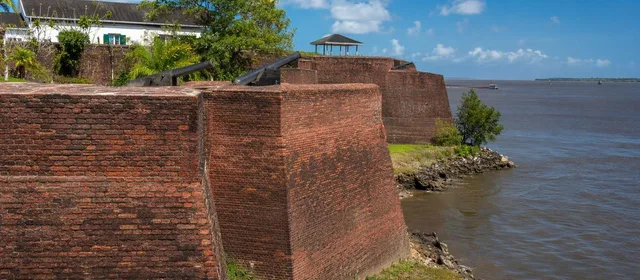
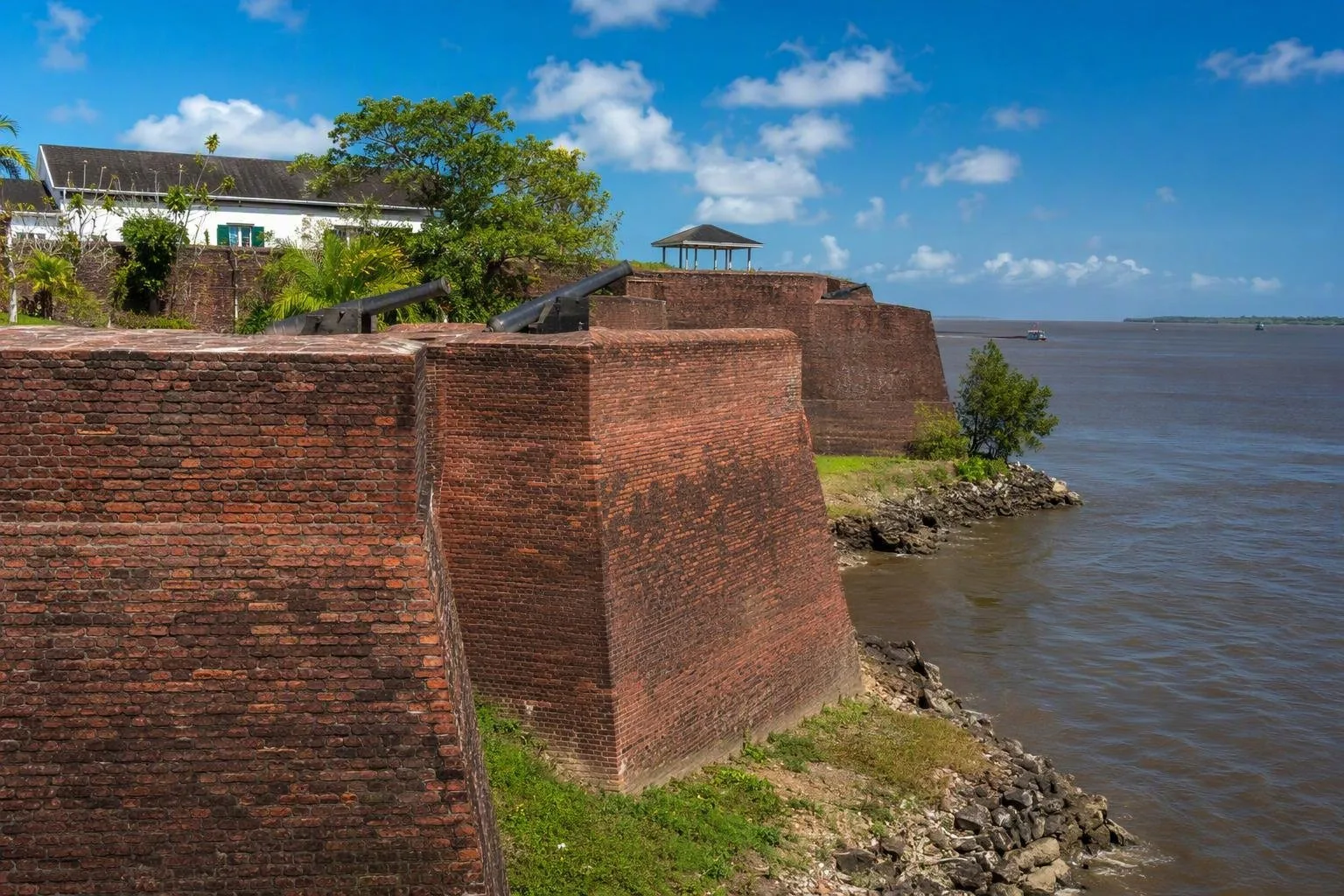
- Brickwork and bastions: The red-brick fortification shows a very different construction tradition from Paramaribo’s wooden houses.
- River position: Stand on the river side to understand why this point mattered for controlling access to the settlement and plantations upstream.
- Fort complex: Former military buildings, officers’ houses and the guardhouse around the site show that the fort was also a working administrative and military compound.
The museum and memorial
The Surinaams Museum occupies the fort. Its displays cover Surinamese cultural and historical material, including archaeology, art, furniture, textiles and historic photographs. Treat it as the main interpretive stop, not merely an architectural backdrop.
The site also requires a more sober reading. Fort Zeelandia was used as military headquarters and a place of detention during military rule. Fifteen opponents of the regime were killed here on 8 December 1982; Bastion Veere is a national memorial to them. Allow time to read the memorial material and keep the space respectful.
Fit it into a walk
Begin here, then follow the riverfront along Waterkant or turn northwest towards Onafhankelijkheidsplein and the Palmentuin. This is the most efficient way to see how the fort connects to the civic core: the Presidential Palace, public square and historic streets lie within a few minutes’ walk.
Continue west through the historic centre for the wooden cathedral and the religious buildings around Keizerstraat. Keep to public streets and pavements; many courtyards and properties in the heritage area remain private.
Visit practicalities
The fort is at Abraham Crijnssenweg 1, beside the riverfront in central Paramaribo. The museum’s visiting hours are limited and concentrated in daytime, so schedule Fort Zeelandia early rather than leaving it for late afternoon. A focused visit to the fort and museum takes roughly an hour; add time for the memorial and a riverside walk.
Use shade, water and rain protection when walking onward: the historic centre is flat and compact, but heat and sudden showers can make an otherwise short route tiring.
From the magazine
Stories about Fort Zeelandia
Editorial stories linked directly to Fort Zeelandia.
No stories about Fort Zeelandia have been published yet.
Routes from our editors
Travel through Fort Zeelandia
Editorial routes connecting Fort Zeelandia with other countries, cities and hotspots.
No routes through Fort Zeelandia have been published yet.
More in Suriname
Related hotspots
Other cities, nature areas and places within Suriname.
Paramaribo
6 linked stories and routes
Commewijne District
3 linked stories and routes
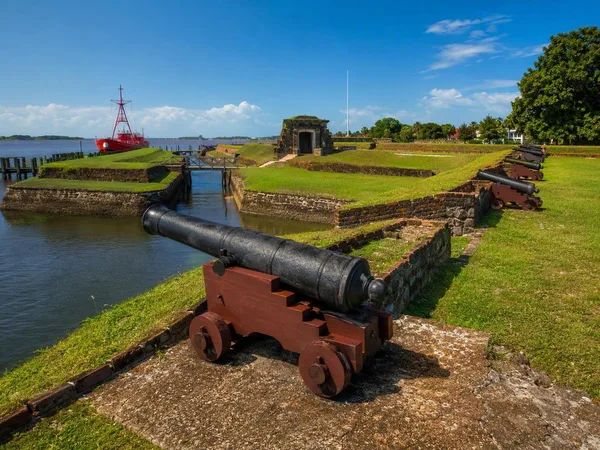
Fort Nieuw Amsterdam
2 linked stories and routes
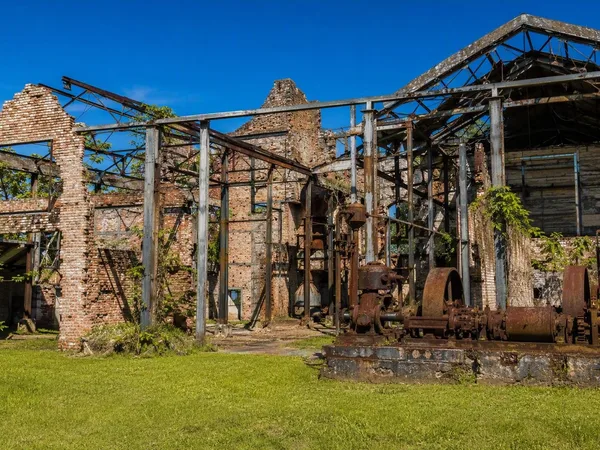
Mariënburg
2 linked stories and routes
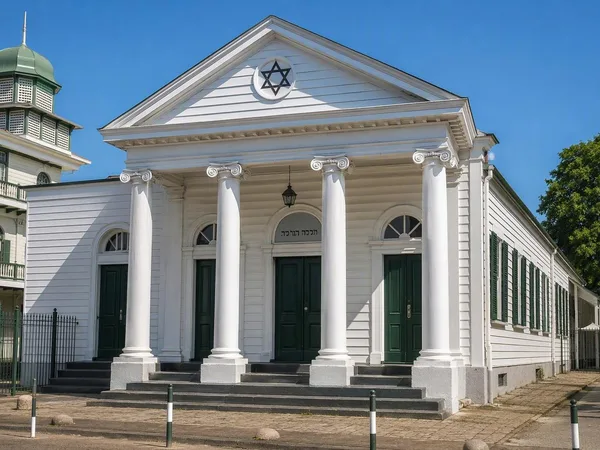
Neve Shalom Synagogue
2 linked stories and routes
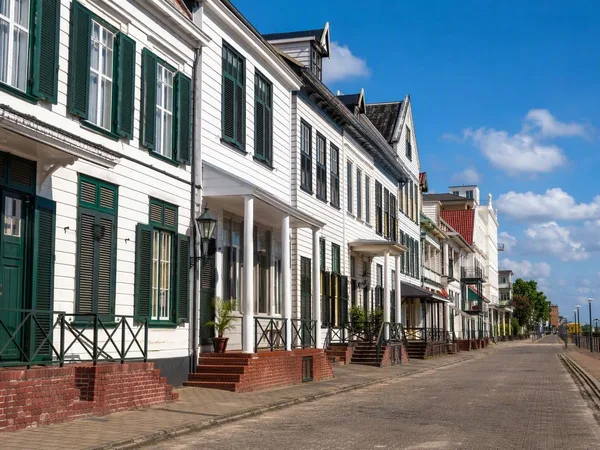
Waterkant, Paramaribo
2 linked stories and routes
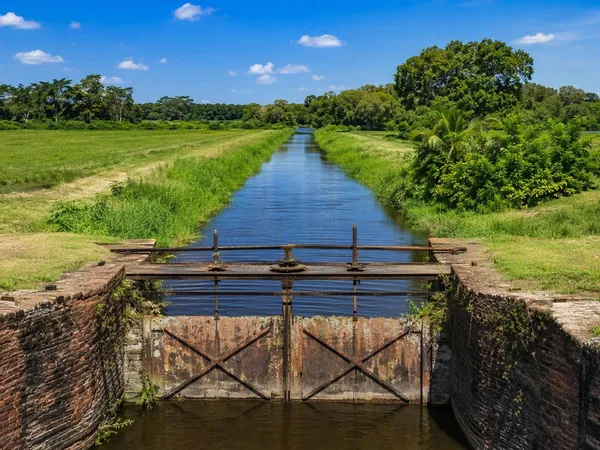
Rust en Werk Plantation
1 linked stories and routes
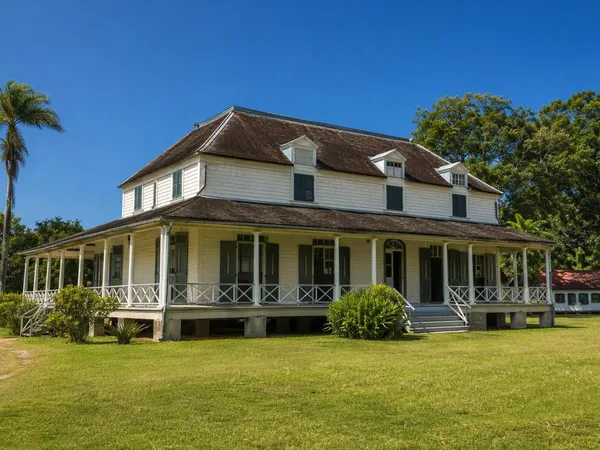
Frederiksdorp
1 linked stories and routes
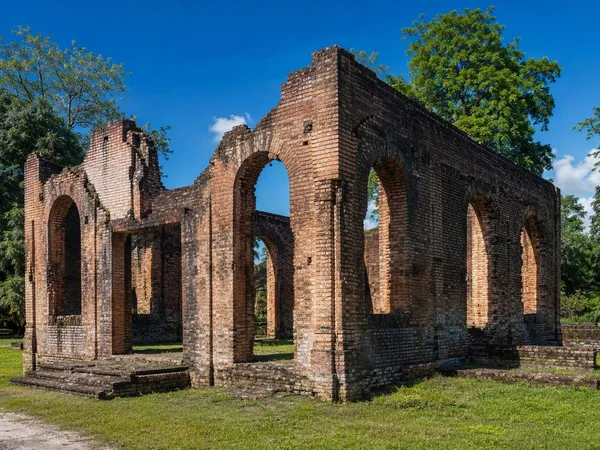
Jodensavanne
1 linked stories and routes
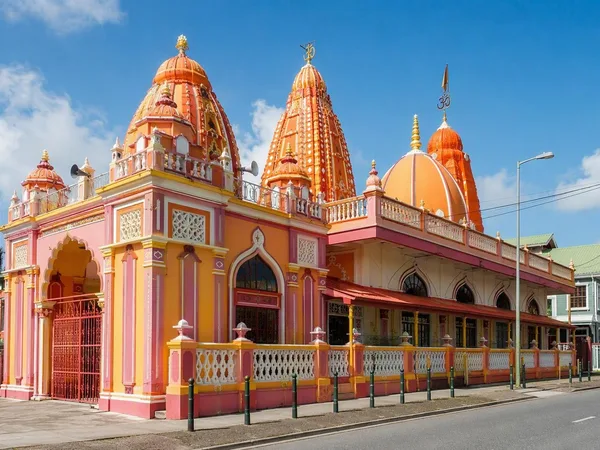
Sri Vishnu Mandir
1 linked stories and routes
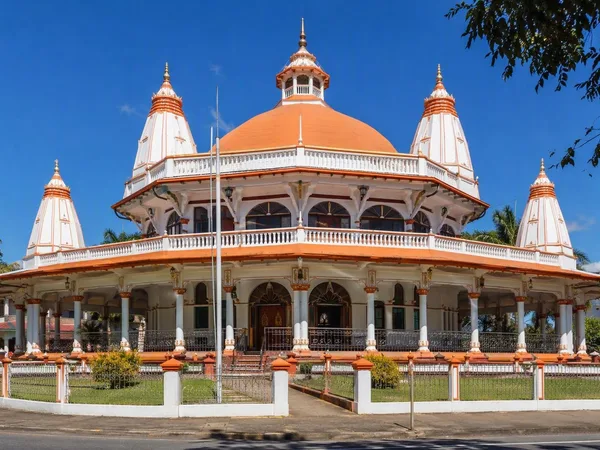
Arya Diwaker Temple
1 linked stories and routes
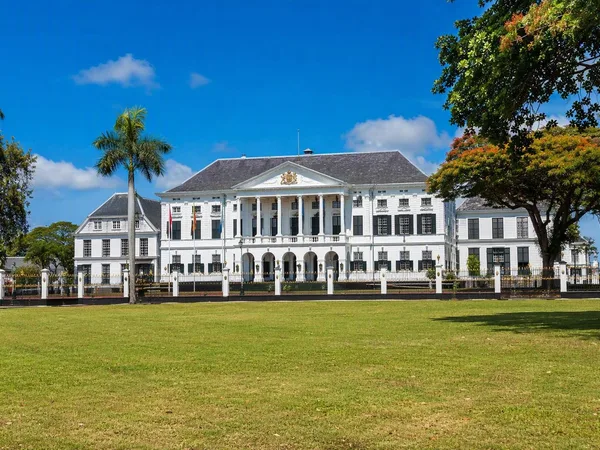
Onafhankelijkheidsplein (Independence Square)
1 linked stories and routes
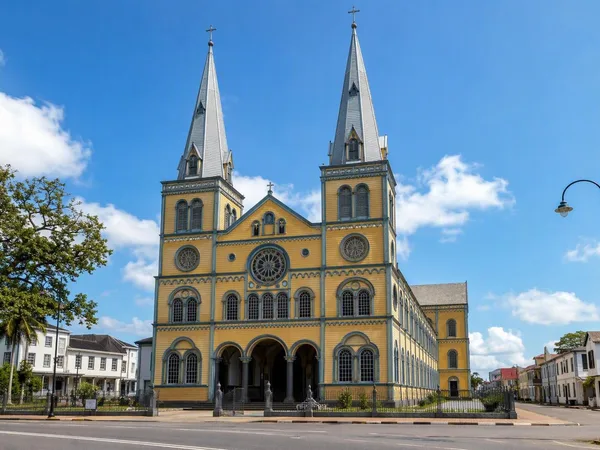
Sint-Petrus-en-Paulus Cathedral
1 linked stories and routes
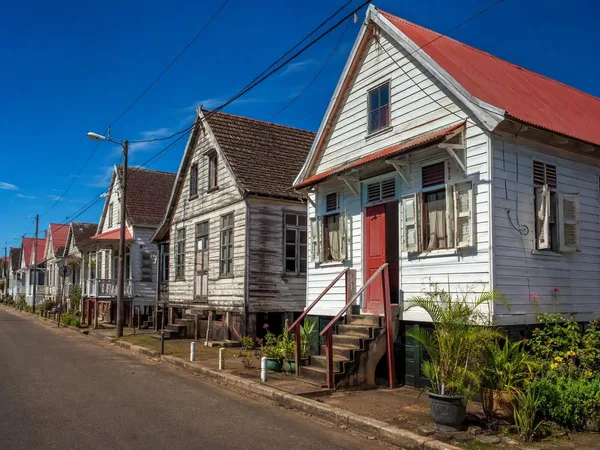
Frimangron, Paramaribo
1 linked stories and routes
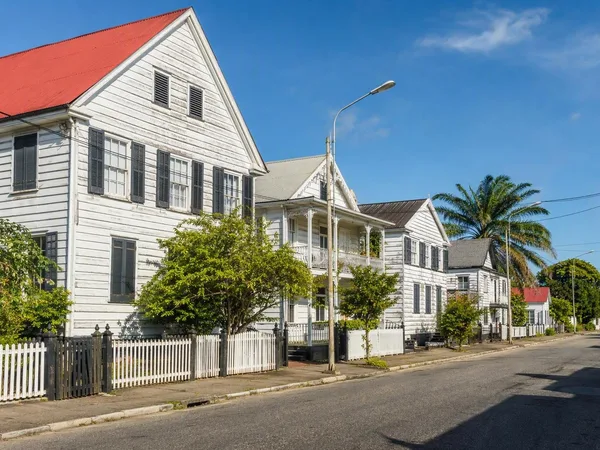
Combé, Paramaribo
1 linked stories and routes
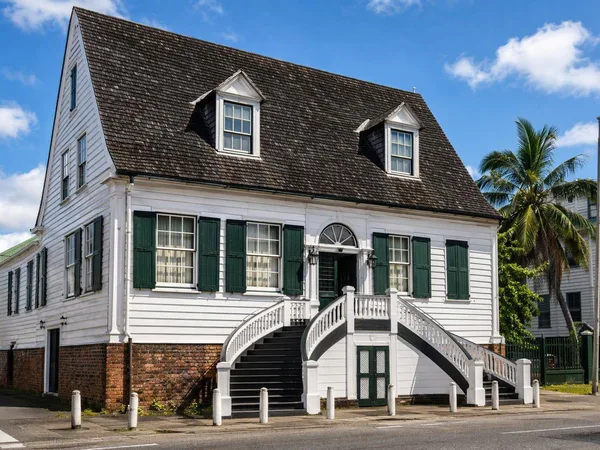
Elisabeth Samson House
1 linked stories and routes
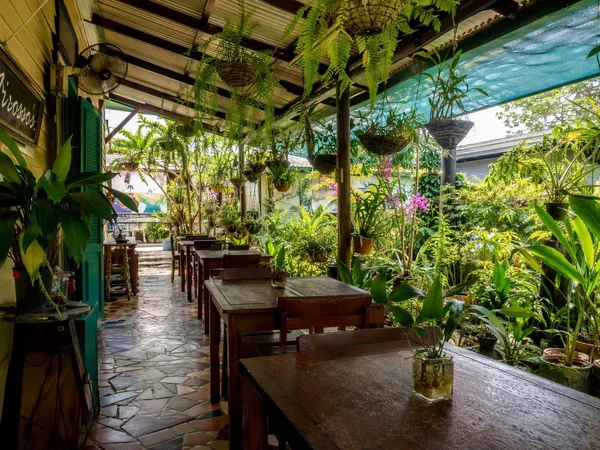
Blauwgrond
1 linked stories and routes