Bolivia

Salt flats, high plateaus and tropical lowlands

Bolivia

High Andean cities and Amazonian forests lie within the same landlocked country.

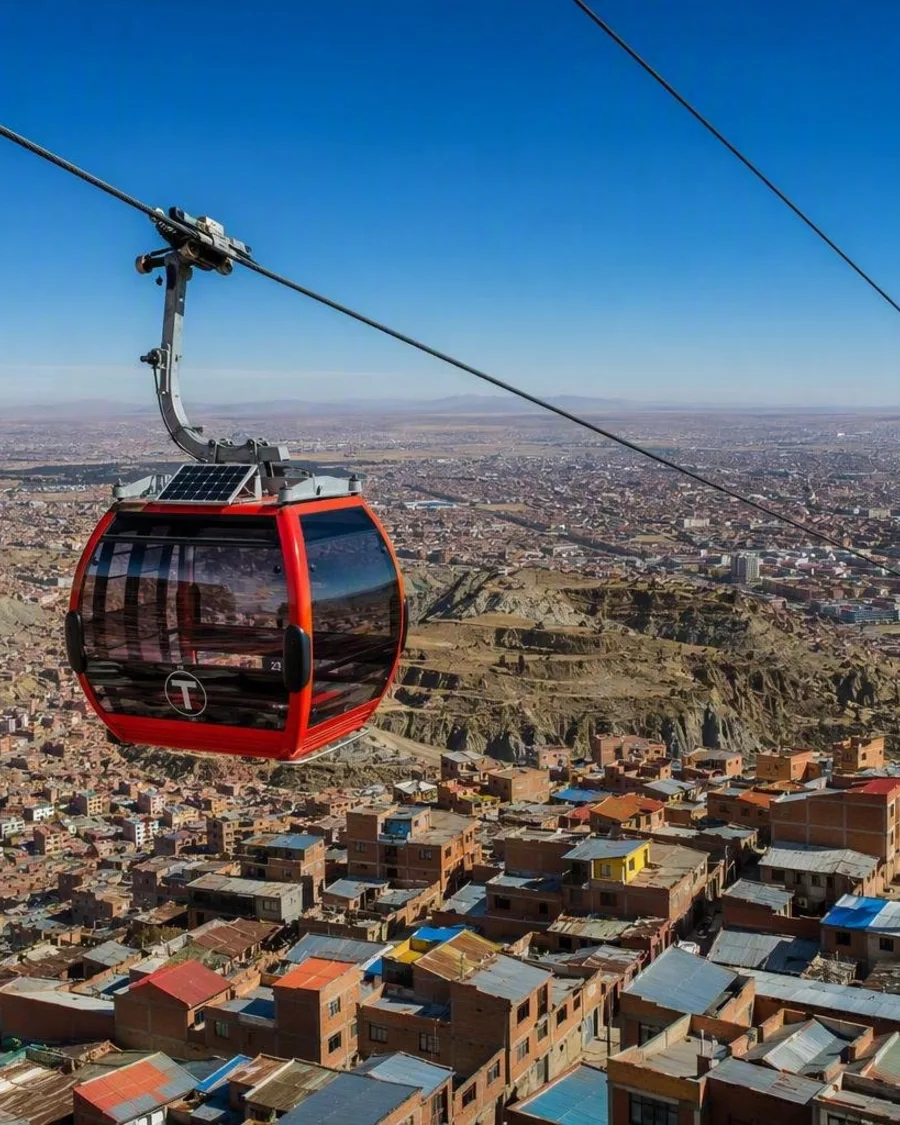
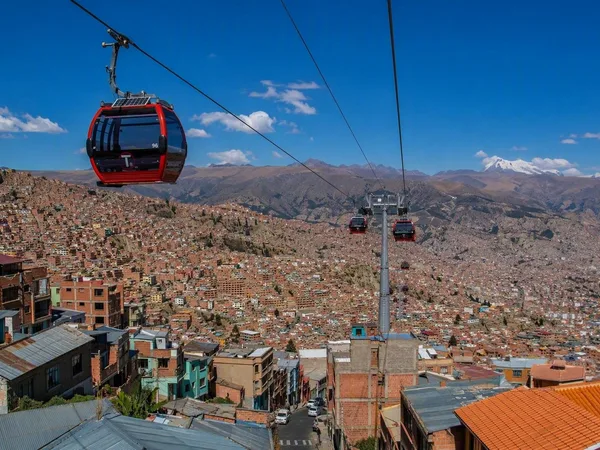
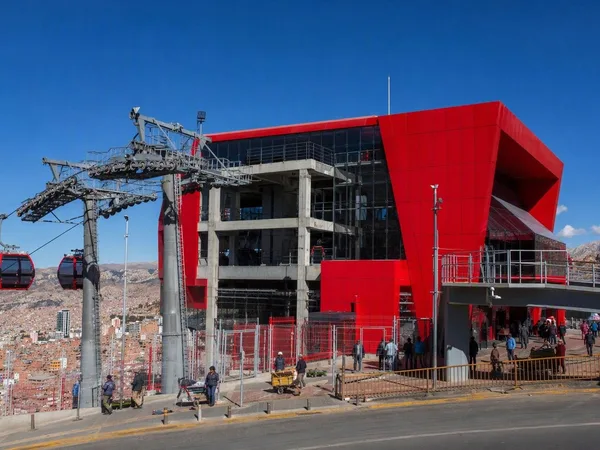
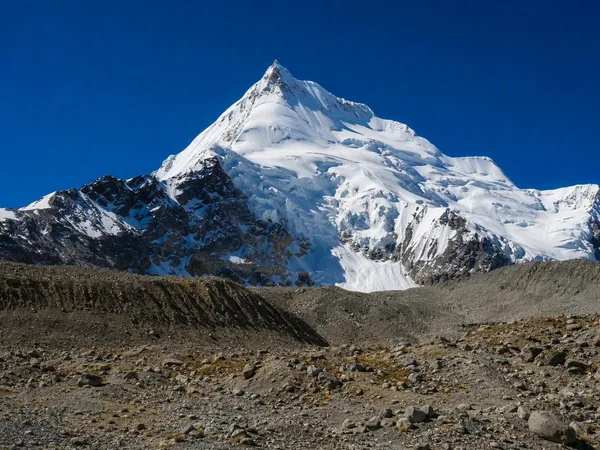
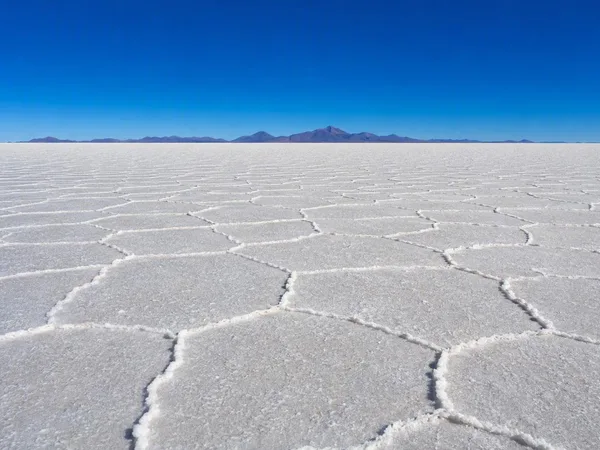
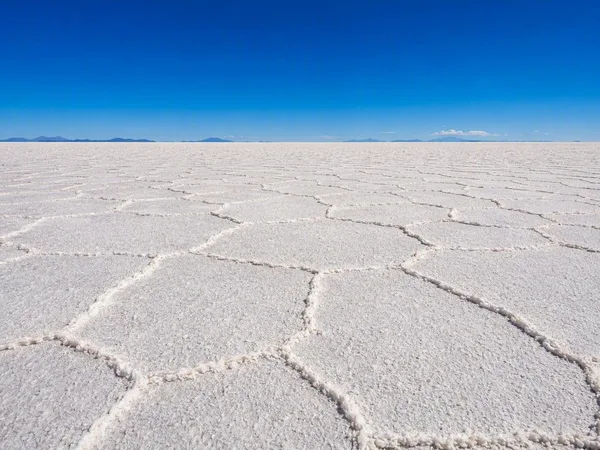
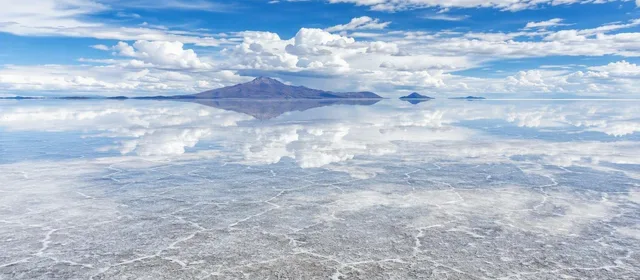
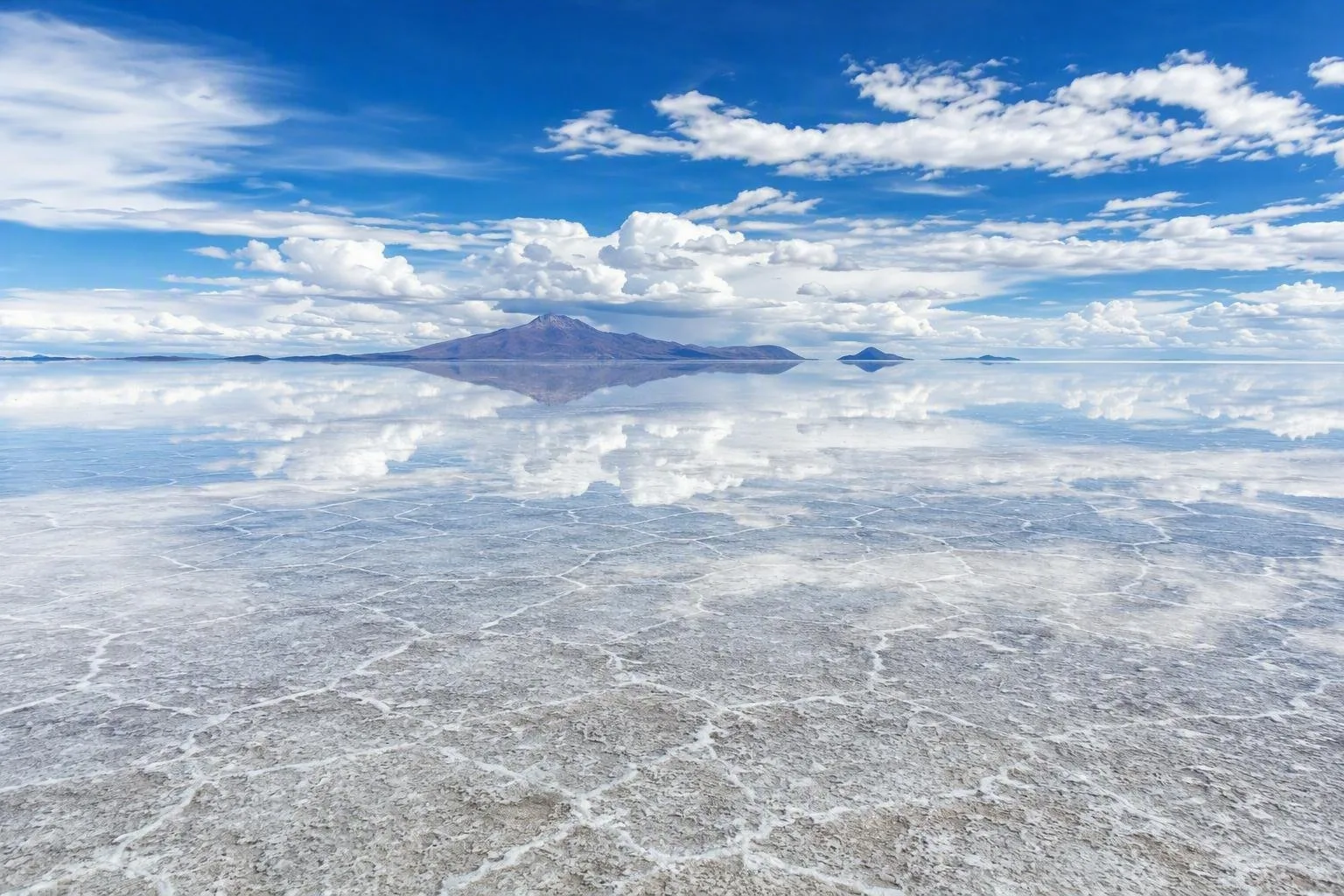
Salar de Uyuni draws the eye first: after rain, a thin sheet of water turns the salt flat into a mirror for the sky. Beyond its white horizon, the Altiplano holds volcanic peaks, coloured lagoons and small towns where Quechua and Aymara shape daily life. La Paz sits in a steep Andean bowl beneath Mount Illimani. Its cable cars cross the city to El Alto, passing market stalls, brick buildings and packed minibuses. The highlands give Bolivia its best-known images, but the country changes sharply beyond them.

Sucre has whitewashed streets, shaded courtyards and churches from the period when the city played a central role in Bolivia’s independence. Potosí stands at the foot of Cerro Rico, whose silver mines enriched the Spanish Empire and cost generations of miners their lives. The city’s museums and colonial buildings trace that history.

East of the Andes, the Yungas drop through forest towards the Amazon basin. Santa Cruz sits among farms that grow tropical fruit, rice and sugar cane. In Chiquitos, mission churches remain centres for music traditions maintained by local communities. Lowland produce reaches highland markets and kitchens, where cooks make salteñas, peanut soup and potato dishes. Give Bolivia time beyond Uyuni: linger in a highland market, walk through Sucre, and head east to the forests and mission towns.

When to go

Best time to travel

These monthly values are indicative average maximum temperatures for La Paz (high-altitude city). Conditions vary meaningfully with altitude and region, especially between the Altiplano, Andean valleys and tropical lowlands. These monthly values are indicative average maximum temperatures for La Paz (high-altitude city). Conditions vary meaningfully with altitude and region, especially between the Altiplano, Andean valleys and tropical lowlands.

jan14°C feb14°C mar14°C apr14°C may14°C jun14°C jul14°C aug15°C sep15°C oct16°C nov16°C dec15°C

Weather in the capital

Practical Bolivia

On every country page we show the current weather for the capital.

Sucre is the constitutional capital; La Paz is the seat of government.
Morning20°Covercast
Afternoon21°Covercast
Evening20°Covercast
today21°C / 20°Chigh and low

Current forecast by Open-Meteo

Getting around

Flights cover major distances, while long-distance buses connect cities and regional towns. In La Paz and El Alto, Mi Teleférico cable cars link neighbourhoods across the steep urban area.

Money

Cash remains important, especially in markets and smaller towns. Cards and ATMs are common in larger cities and tourist centres; carry small notes for local purchases.

Accommodation

Cities and established tourist centres have hostels, hotels and guesthouses at several price points. Salt-flat and jungle lodges in remote areas may have simpler facilities and limited availability.

Before you leave

Worth knowing

A practical starting point for your trip. Check current conditions and local information before you leave.

01

Official languages

The constitution recognises Spanish and 36 Indigenous languages. Spanish is widely used; Quechua and Aymara are common in the Andes, while Guaraní and other languages are heard in eastern regions.

02

Calling code

Bolivia’s international calling code is +591.

03

Driving side

Traffic drives on the right, and drivers overtake on the left. Road signs use metric distances.

04

Domestic flights

Domestic flights save time between distant regions. La Paz, Santa Cruz and Cochabamba are the main hubs, with services to cities including Sucre, Uyuni and Trinidad.

05

Intercity buses

Major cities have bus terminals with company ticket counters. Overnight buses run on many long routes, and some terminals charge a separate departure fee.

06

Paying for local transport

Minibuses and shared taxis usually take cash, preferably in small notes or coins. Mi Teleférico sells single tickets and reusable cards at its stations.

07

Tipping

Tipping is not compulsory. In restaurants, 5–10% is appreciated when service is not included; tips for guides and drivers are discretionary.

08

Meal times

Lunch is often the main meal and commonly falls between noon and 2pm. Dinner may be lighter and is usually eaten later in the evening.

09

Business hours

Many small businesses open in the morning, close for a midday break and reopen in the afternoon. Shopping centres and larger supermarkets often stay open continuously.

10

Mobile connectivity

Mobile data works well in cities and along many main roads, but coverage is limited in remote areas. Operators usually require identification to register a local SIM.

11

Measurements

Bolivia uses the metric system. Spanish-language writing commonly uses a comma for decimals and a point to separate thousands.

12

Photography etiquette

Ask before photographing people, especially in markets, at ceremonies or in Indigenous communities. Respect a refusal and agree any fee before taking a posed photograph.