Argentina

From subtropical wetlands to Patagonian ice

Argentina

Argentina stretches from Atlantic cities and Andean deserts to grasslands and glaciers at South America’s southern tip.

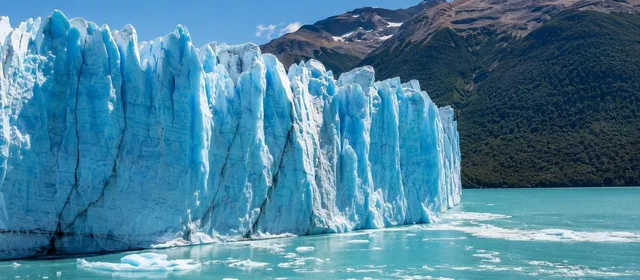
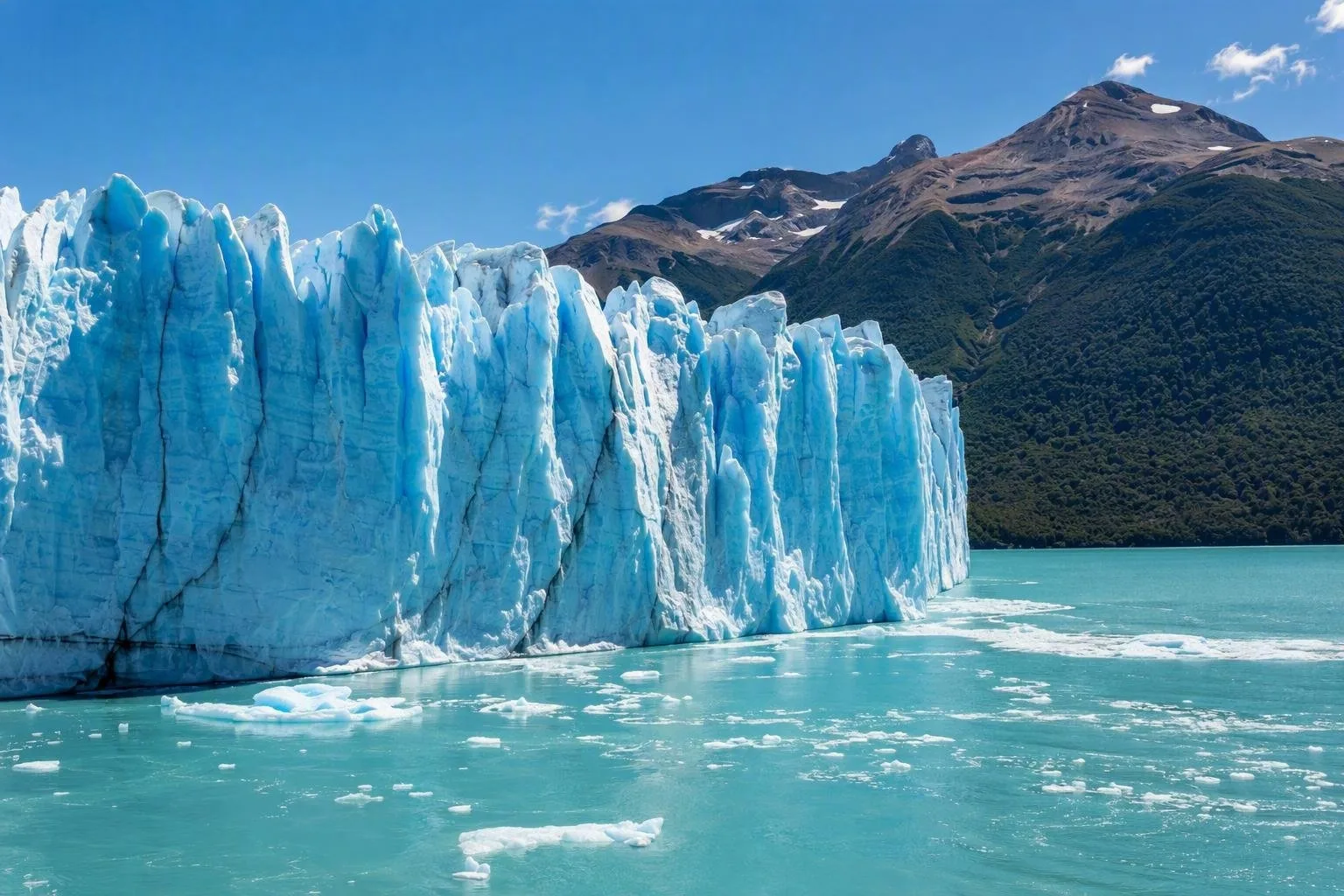
Argentina covers about 3,700 kilometres from the subtropical north to Tierra del Fuego, and the country changes sharply along the way. Around Salta, red rock valleys and high-altitude vineyards sit beneath the Andes. The Pampas spread across central Argentina, while Perito Moreno Glacier rises in a blue wall above Lago Argentino. Tango, steak and Patagonia draw many visitors, but they show only part of a country shaped by Indigenous communities, Spanish colonisation and successive waves of immigration.

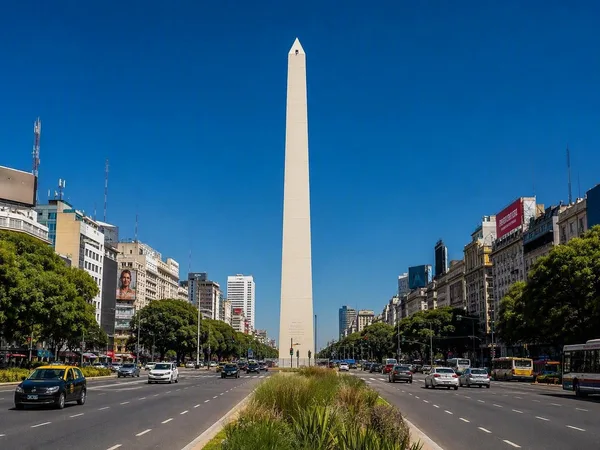
In Buenos Aires, early 20th-century apartment buildings stand alongside old cafés, theatres and neighbourhood football grounds. Tango grew around the Río de la Plata. Italian immigration shaped local speech and put pizza and fresh pasta on menus across the city. Beyond the capital, cattle stations mark the history of the Pampas, while Mendoza’s bodegas grow Malbec against the Andes.

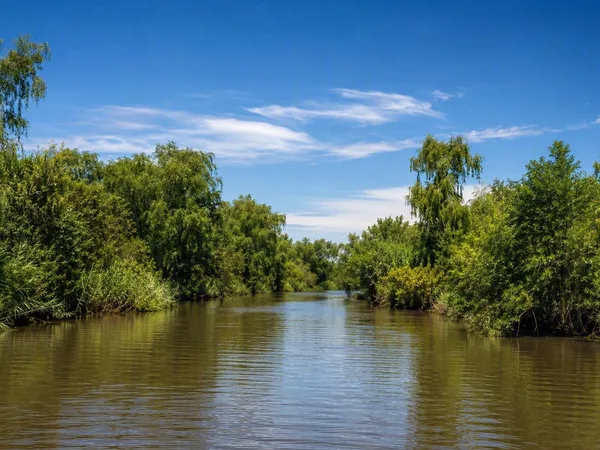
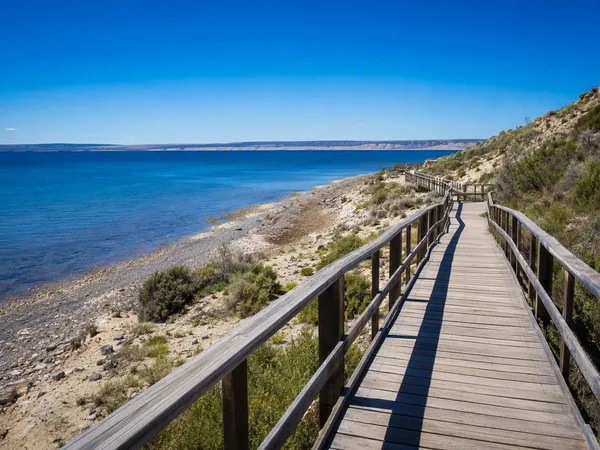
Farther north, the Quebrada de Humahuaca runs through a high valley of striped, multicoloured rock. In Iberá, capybaras, caimans and birdlife fill the wetlands. Patagonia brings steppe, mountain towns, glacial lakes and Atlantic waters where southern right whales breed. Each region keeps its own food, customs and pace. Take the time to move beyond the familiar names, and Argentina gives you plenty to return to.

When to go

Best time to travel

The monthly values are indicative average maximum temperatures for Buenos Aires. Argentina covers several climate zones, so temperatures and seasonal conditions vary meaningfully between the subtropical north, the Andes, central plains and Patagonia. The monthly values are indicative average maximum temperatures for Buenos Aires. Argentina covers several climate zones, so temperatures and seasonal conditions vary meaningfully between the subtropical north, the Andes, central plains and Patagonia.

jan30°C feb29°C mar27°C apr23°C may19°C jun16°C jul15°C aug17°C sep19°C oct23°C nov25°C dec28°C

Weather in the capital

Practical Argentina

On every country page we show the current weather for the capital.

Buenos Aires
Morning4°Cclear
Afternoon11°Covercast
Evening9°Cpartly cloudy
today11°C / 4°Chigh and low

Current forecast by Open-Meteo

Getting around

Domestic flights and overnight coaches help cover the long distances between regions. Buenos Aires has buses, suburban trains and a metro network. Services are less frequent in remote parts of Patagonia and the northwest.

Paying in Argentina

Exchange rates can change quickly. Cards are common in cities, but cash is still useful at small businesses and in rural areas. Check current exchange rates, ATM fees and withdrawal limits when you need pesos.

Where to stay

Options include city hotels, hosterías, wine lodges, estancias and mountain refuges. Book ahead for Patagonia in the southern summer and for Andean ski areas in winter.

Before you leave

Worth knowing

A practical starting point for your trip. Check current conditions and local information before you leave.

01

Language

Spanish is the main language nationwide. Guaraní, Quechua, Mapudungun and other Indigenous languages are spoken in regional communities and have official recognition in some provinces.

02

Calling code

Argentina’s international calling code is +54. Mobile numbers use a different format when called from abroad.

03

Driving

Traffic keeps to the right, and drivers overtake on the left. Road signs use international symbols, with distances and speed limits shown in kilometres.

04

Measurements

Argentina uses the metric system. Distances are in kilometres, fuel in litres and temperatures in degrees Celsius.

05

Meal times

Lunch often starts after 1pm, and many restaurants serve dinner from 8pm or later. In Buenos Aires, eating at 9pm or 10pm is common.

06

Tipping

Restaurant diners commonly leave about 10% when service is not included. Small tips for hotel staff, guides and taxi drivers are also common.

07

Business hours

Shops in larger cities often stay open through the afternoon. In smaller towns and hot northern regions, some businesses close for several hours at midday and reopen later.

08

SUBE card

The rechargeable SUBE card pays for buses, metro services and many local trains in Buenos Aires and numerous other cities. Coverage and sales points vary by location.

09

Long-distance buses

Intercity coaches link most major cities and often run overnight. Seat classes range from standard recliners to wider cama seats that recline farther.

10

Domestic flights

Flights cut travel time across Argentina’s long north-to-south span. Many domestic services connect through Buenos Aires, though some regional routes run directly.

11

Mobile connections

Local prepaid SIMs and eSIMs are widely available with identification. Coverage is generally strong in cities but can drop on remote Andean and Patagonian roads.

12

Sharing mate

One person usually fills the gourd and passes it around. Drink through the shared bombilla, return the gourd without stirring, and say “gracias” when you do not want another refill.

From the magazine

Stories about Argentina

Editorial stories connected to Argentina and the places in this country.

Ten responsible places to watch for whales from shore
Article

Ten responsible places to watch for whales from shore

These ten coasts put people on paths, platforms, dunes and cliff tops while whales follow their own routes offshore. Pick the right season, stay on land and accept the essential uncertainty: even in peak months, the sea may hold no whale in view.

Eight deltas shaped by water and work
Article

Eight deltas shaped by water and work

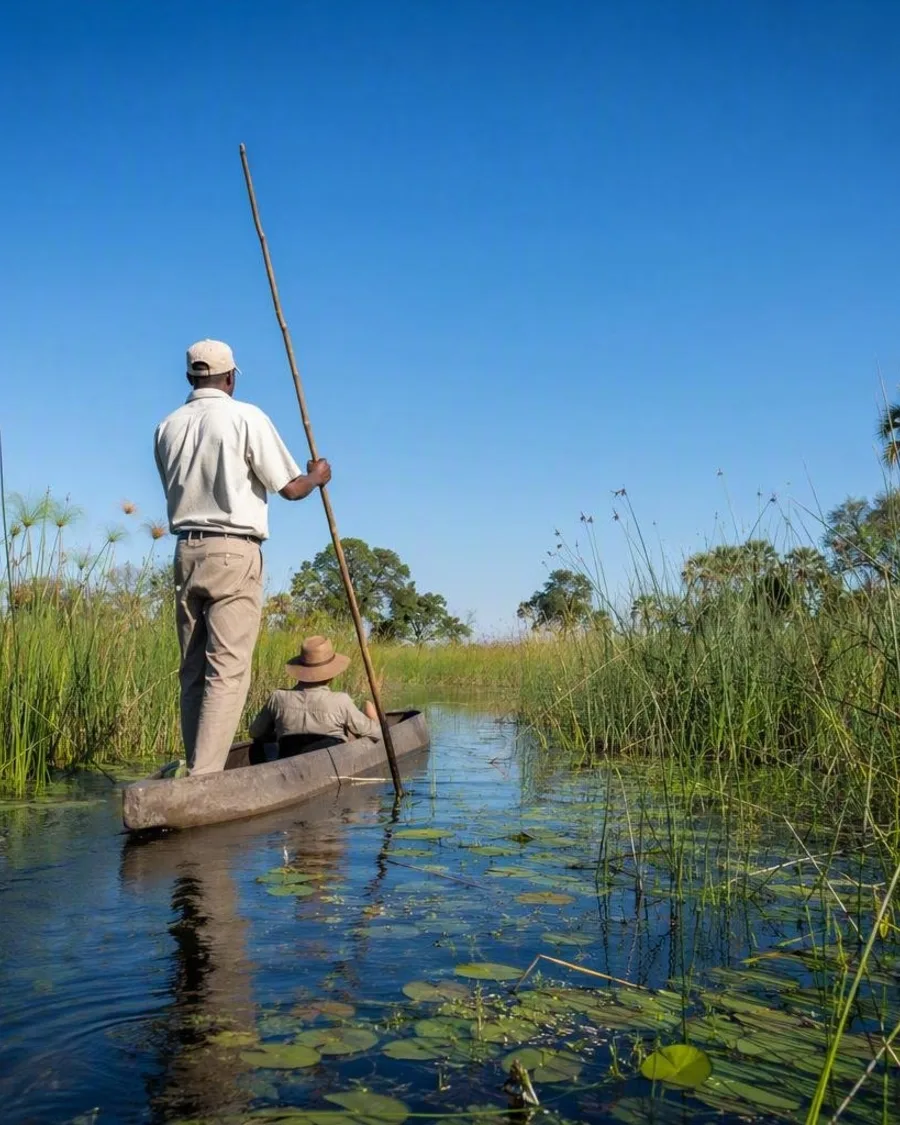
From Botswana’s inland floodplains to Argentina’s tidal islands, eight deltas show rivers at work in very different ways: feeding fields, carrying boats, building marshes and supporting communities at the water’s edge.

The world’s 10 best accessible waterfalls, ranked
Article

The world’s 10 best accessible waterfalls, ranked

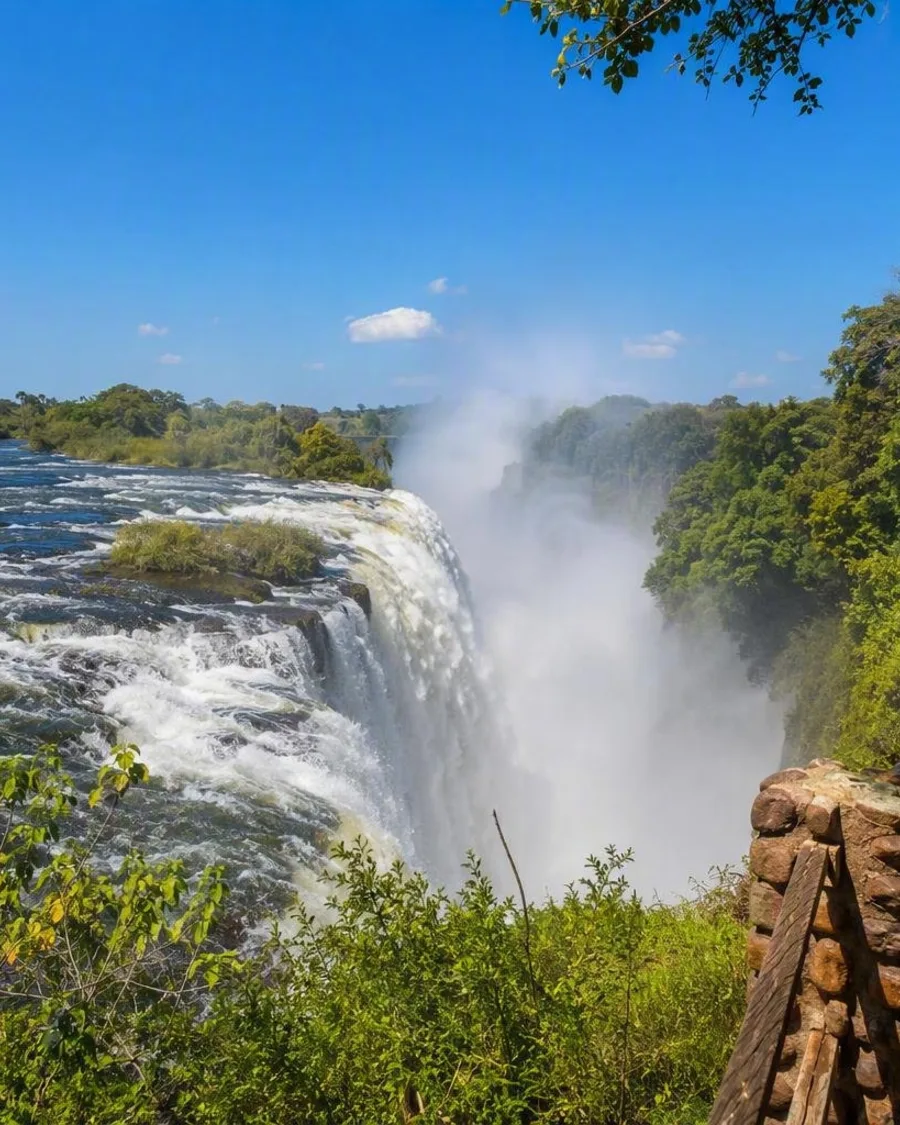
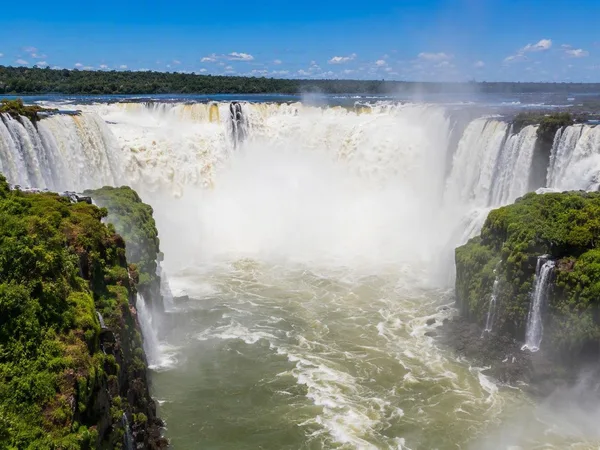
A great waterfall needs more than height or brute force. It needs a public route that lets people grasp its scale, whether from the bank, a platform, behind the water or across a gorge. This ranking weighs practical access alongside the force of the river and the landscape around it.

Eight cultivated landscapes, from Douro vines to Kericho tea
Article

Eight cultivated landscapes, from Douro vines to Kericho tea

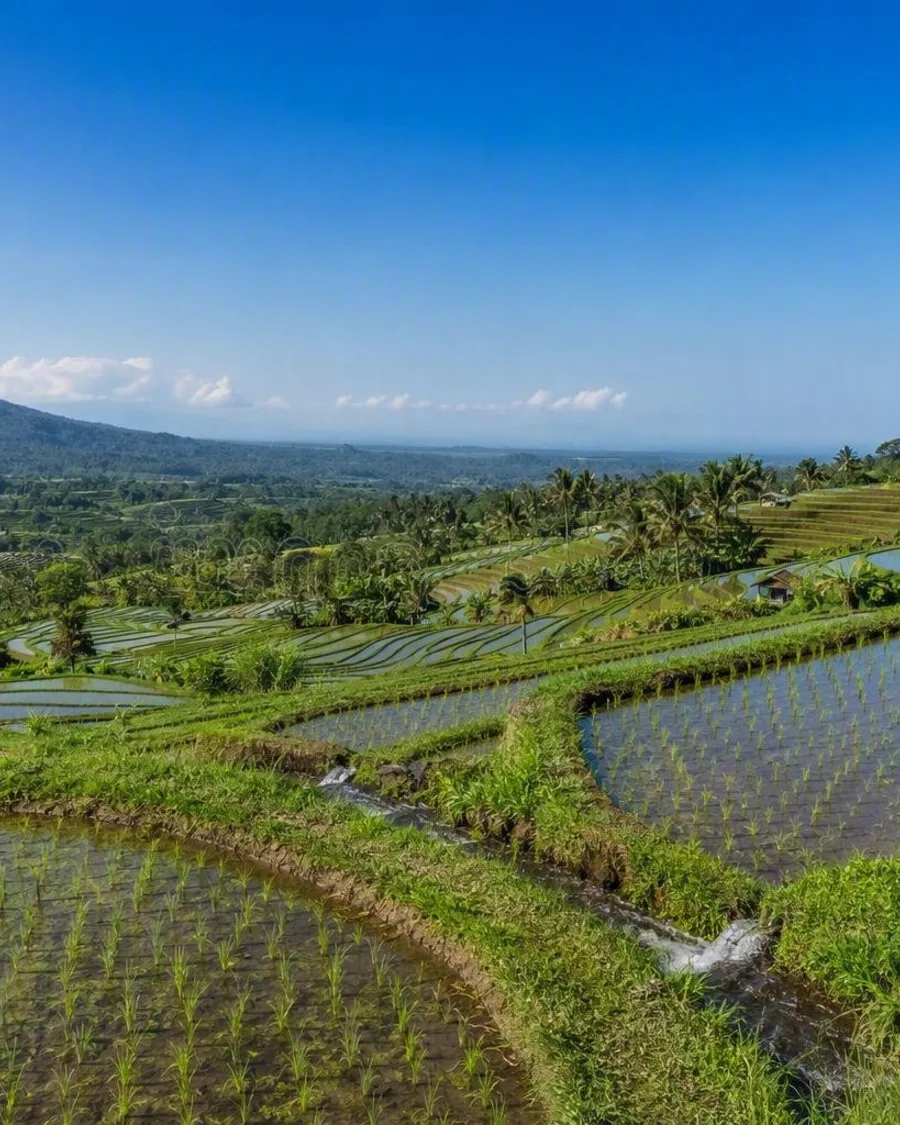
A dry-stone wall in Portugal holds vines to a schist slope. On Bali, water runs from mountain channels through temples and down a chain of rice fields. Below the Andes, old irrigation ditches carry meltwater to Malbec vines. These eight regions show farming not as a backdrop but in the walls, canals, food and daily work that give each landscape its form.

Buenos Aires at the Kiosk Window
Article

Buenos Aires at the Kiosk Window

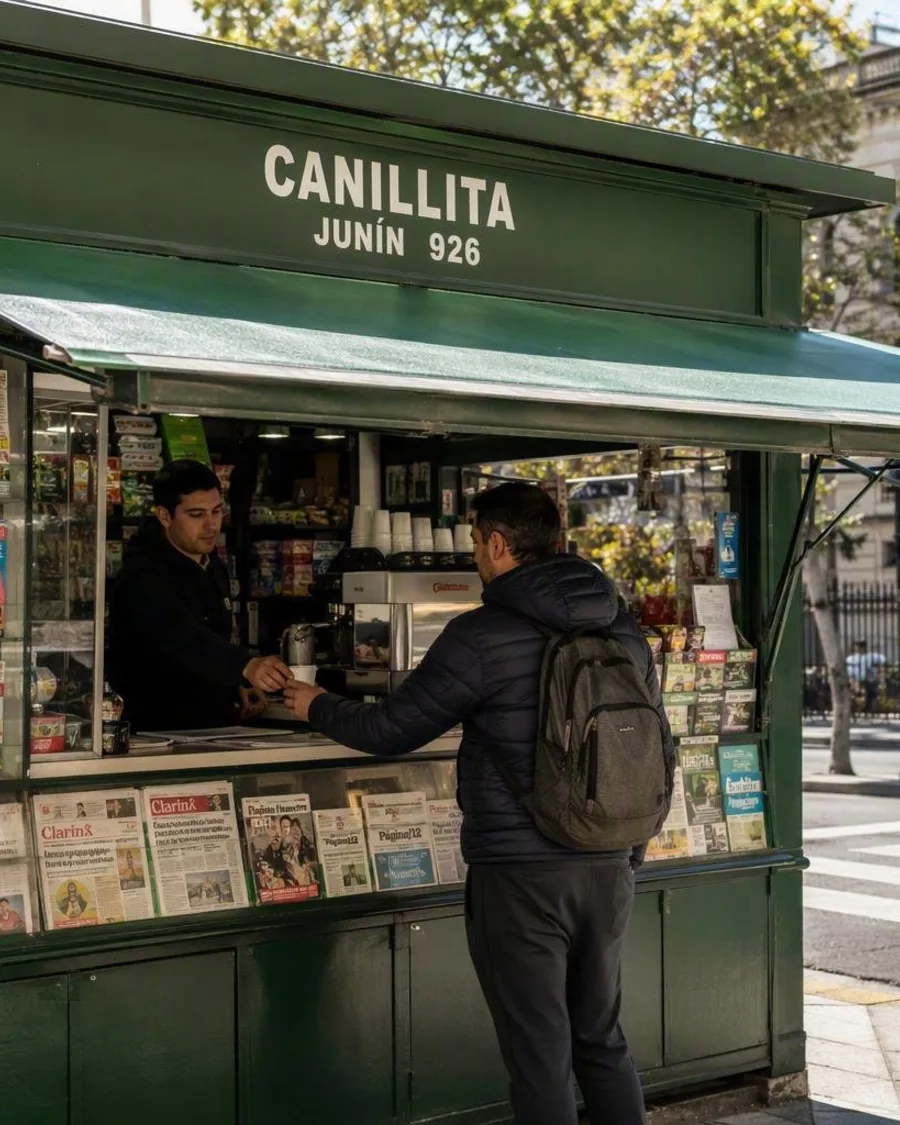
At Junín and Paraguay, coffee crosses the counter of a green newspaper kiosk while magazines still face the pavement. Canillita has broadened its trade without abandoning the compact, street-level exchange that put Buenos Aires kiosks on daily walking routes.

When Lunch Takes the Counter at San Telmo Market
Article

When Lunch Takes the Counter at San Telmo Market

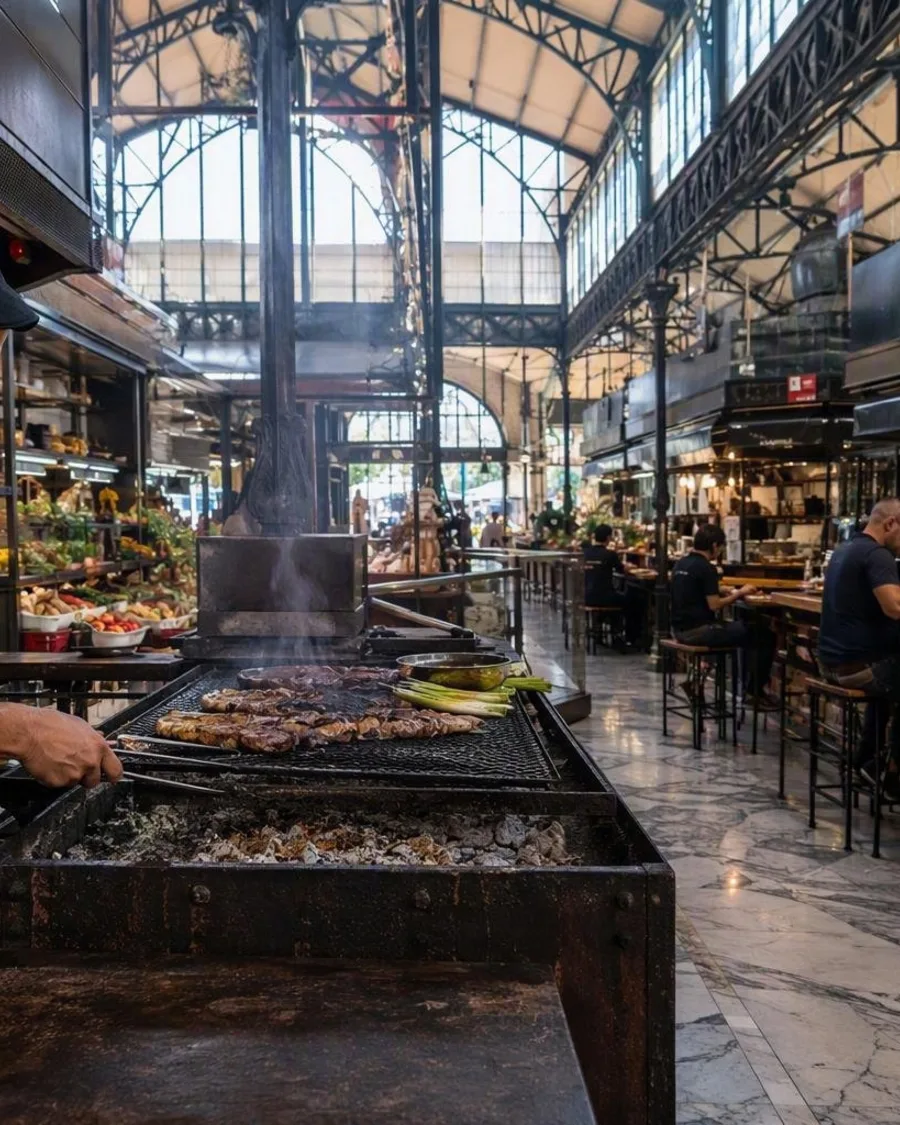
At Mercado de San Telmo, daylight falls through glass above iron arches and Carrara-marble floors. Fruit and vegetable stalls, butchers, bread sellers and lunch counters work under the same nineteenth-century roof; by midday, the open grill becomes one of the hall’s clearest signs of the day changing.