Switzerland

Alpine railways, lake cities and four languages

Switzerland

In Switzerland, short train rides link glaciers and mountain villages with medieval towns and lakeside cities.

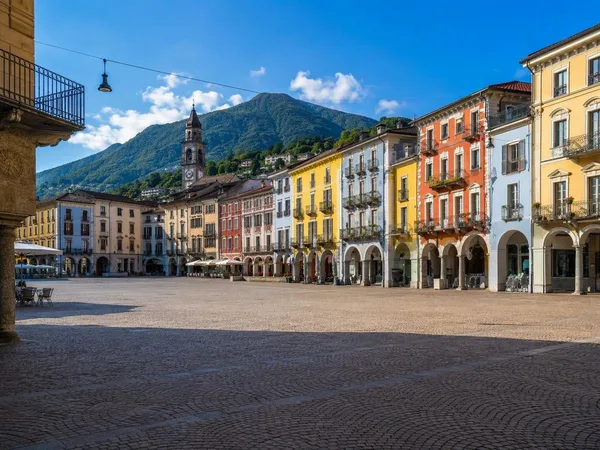
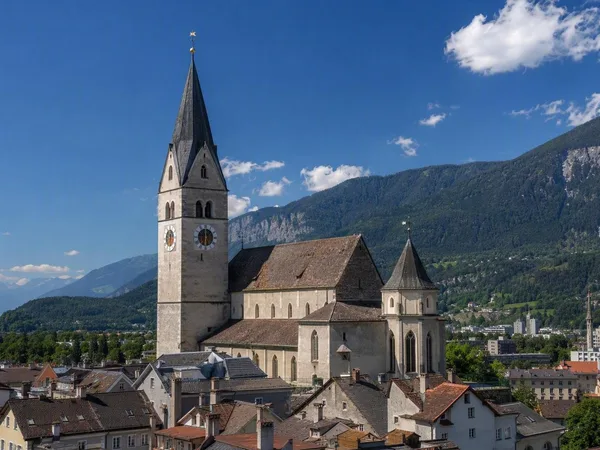
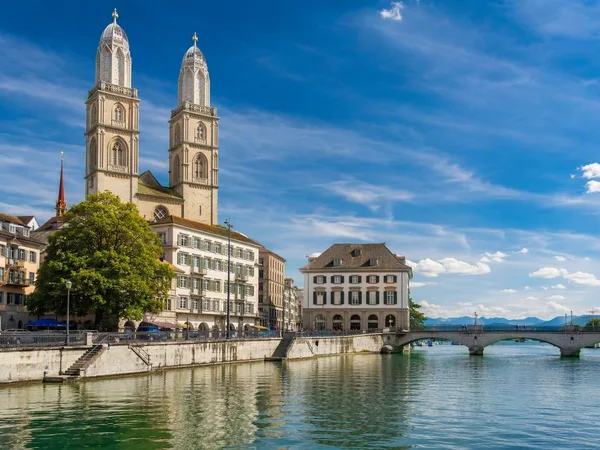
Switzerland offers far more than snowy peaks and ski resorts. Its four language regions give the country a different character from one valley or lakeshore to the next. In Zurich, swimmers fill river baths in summer and old factories house galleries, restaurants and design shops. Lausanne drops down steep streets towards Lake Geneva, where French is the everyday language. In Ticino, stone bell towers, piazzas and polenta dishes show the Italian-speaking side of the country. Mountains and passes once kept many communities apart; railways, roads and federal politics now connect them.

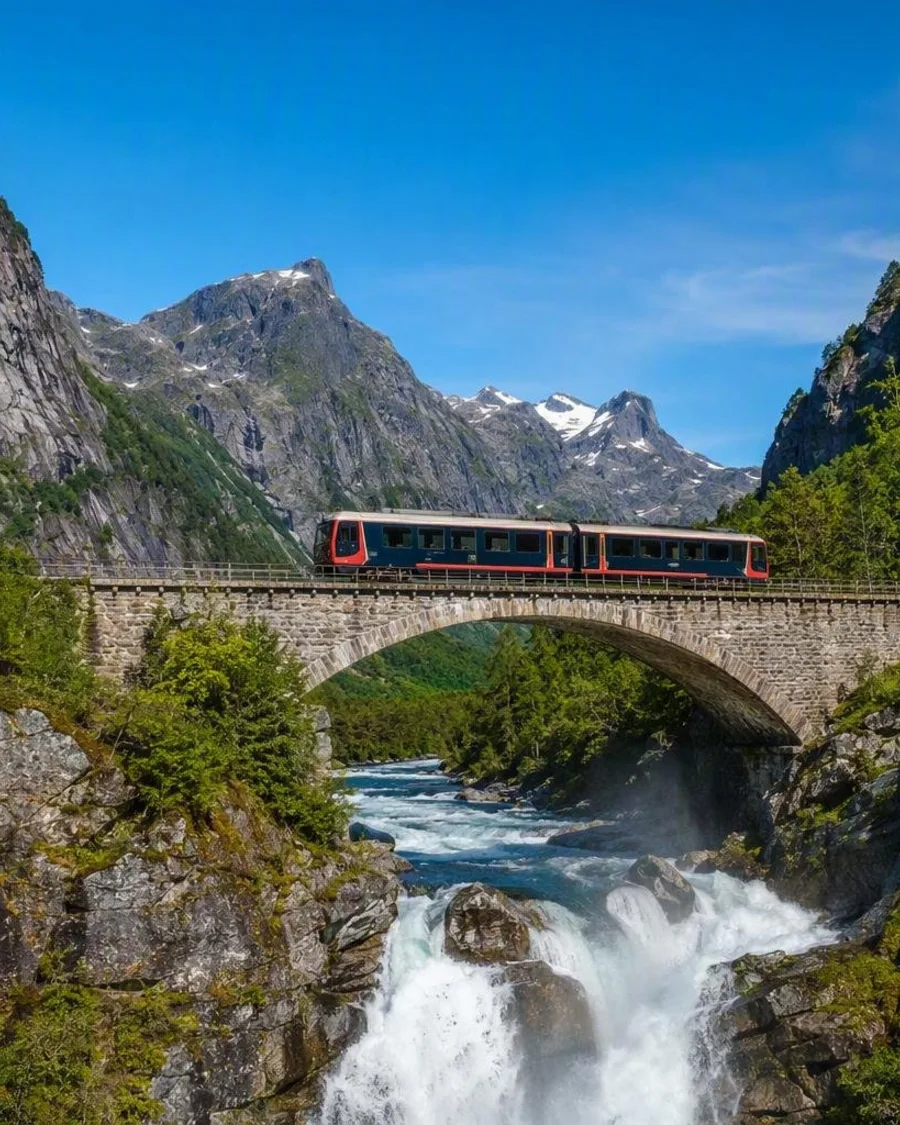
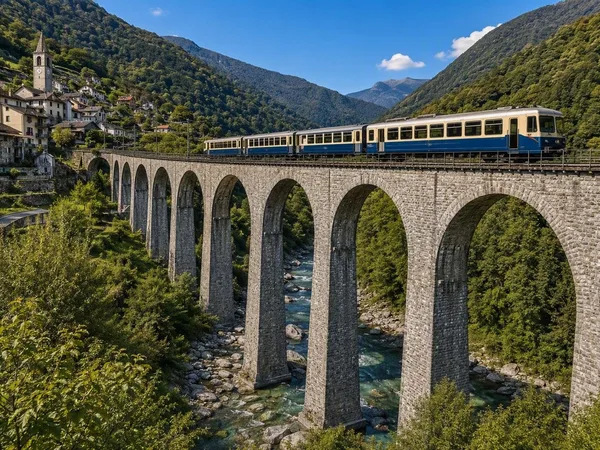
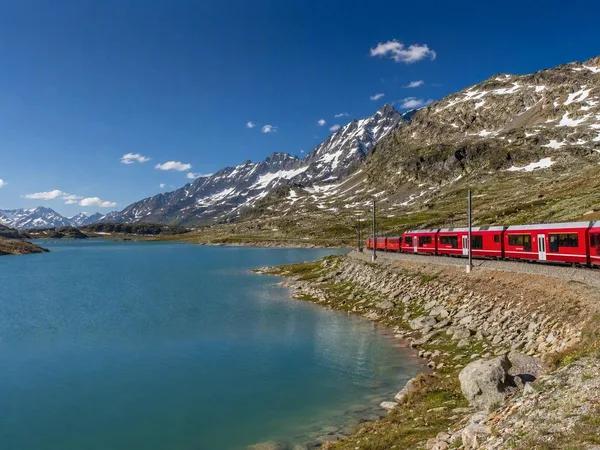
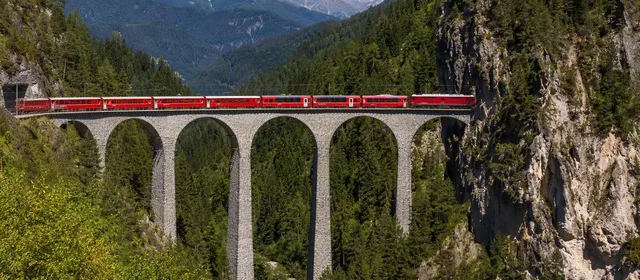
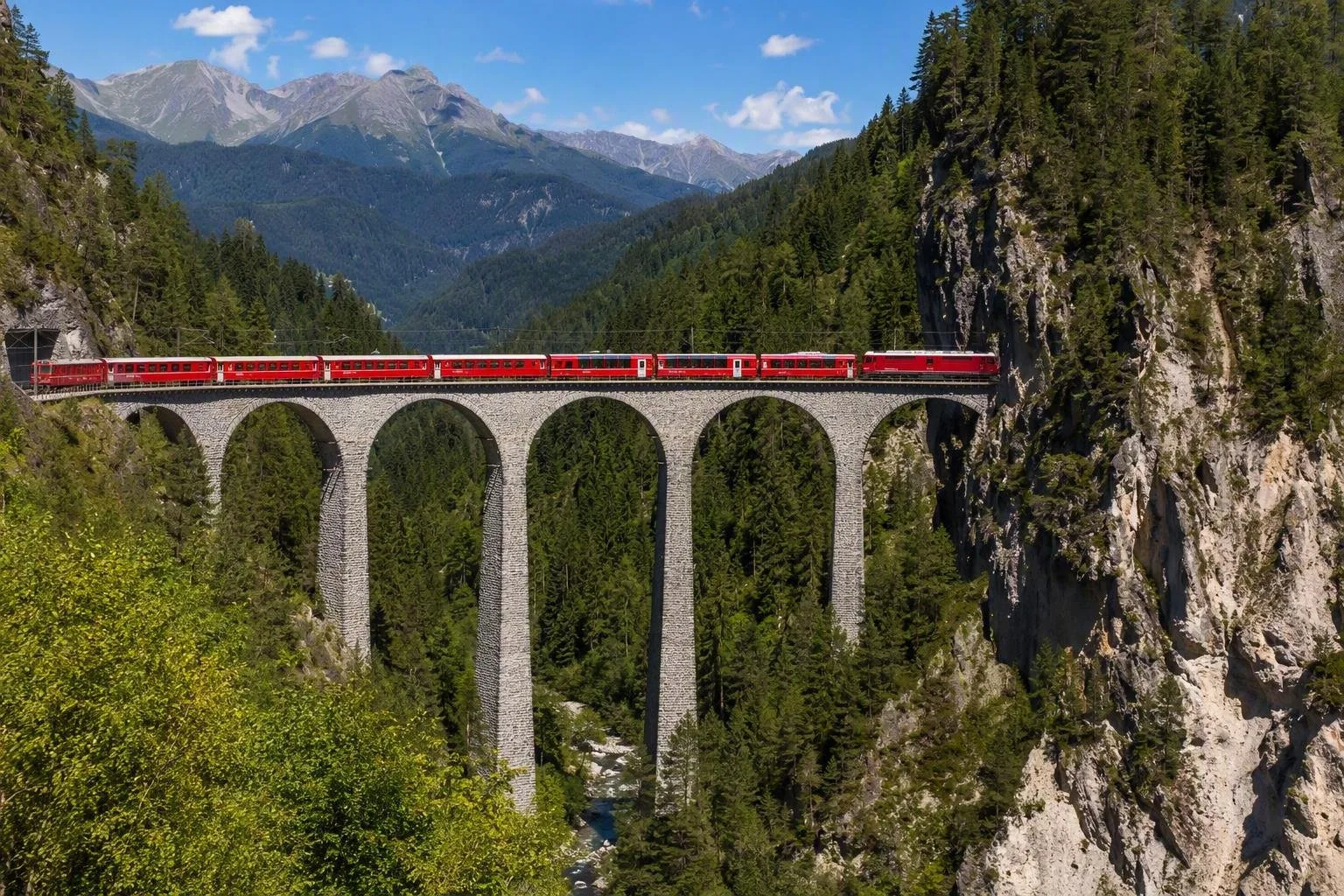
The Alps still shape ordinary life. In Graubünden, red trains cross high stone viaducts above forested valleys. Cable cars carry walkers and farmers towards high pastures, while marked trails run between meadows, glaciers and mountain huts. The Eiger, Mönch and Jungfrau rise above the green valleys and wooden chalets of the Bernese Oberland.

The cities offer a different scale. Bern’s covered arcades hold market stalls and cafés beside the Aare. Basel pairs major museums with a long history of printing, trade and collecting on the Rhine. Food changes across the country: the French-speaking west serves fondue and raclette, German-speaking cantons claim rösti, and Ticino cooks polenta with local cheese and cured meat. Stay for more than one mountain view or train ride, and Switzerland starts to feel less like a postcard and more like a place of distinct local habits. Come with time to linger in a few of them.

When to go

Best time to travel

The monthly values are indicative average maximum temperatures for Zurich. Conditions vary meaningfully between the Alpine valleys, high mountains, northern lowlands and Ticino. The monthly values are indicative average maximum temperatures for Zurich. Conditions vary meaningfully between the Alpine valleys, high mountains, northern lowlands and Ticino.

jan4.5°C feb6.5°C mar11°C apr15°C may19°C jun22.5°C jul24.5°C aug24°C sep19.5°C oct14°C nov8°C dec5°C

Weather in the capital

Practical Switzerland

On every country page we show the current weather for the capital.

Bern
Morning10°Cpartly cloudy
Afternoon23°Cclear
Evening18°Covercast
today24°C / 10°Chigh and low

Current forecast by Open-Meteo

Getting around

Trains link the main cities and mountain regions. Buses, trams, boats and cable cars fill in the network, and through-tickets or regional passes can make changes easier.

Paying

Cards are widely accepted, but cash still helps at small shops, markets and some mountain facilities. Towns and cities have plenty of ATMs.

Where to stay

You can choose city hotels, lakeside guesthouses, farm stays and Alpine huts. Book mountain huts and rooms in popular resorts well ahead during busy periods.

Before you leave

Worth knowing

A practical starting point for your trip. Check current conditions and local information before you leave.

01

Four official languages

German, French and Italian are federal official languages. Federal authorities also use Romansh when communicating with Romansh speakers. Language use follows cantonal and local boundaries.

02

Calling code

Switzerland’s international calling code is +41. When calling from abroad, leave out the initial 0 in a local area or mobile code.

03

Driving side

Traffic keeps to the right. Drivers overtake on the left.

04

National rail network

Federal, cantonal and private operators run a coordinated network. Train timetables connect with buses, boats and mountain transport.

05

Tickets and travel passes

Buy tickets at stations, from machines or through transport apps. National and regional digital passes cover many trains, buses and boats, though some mountain services cost extra.

06

Tipping

Restaurant and café bills include service. Many diners round up the bill or leave a small extra amount for good service.

07

Meal times

Lunch usually runs from noon to 2pm. Dinner often starts between 6pm and 8pm, and some restaurant kitchens close early.

08

Shops and Sundays

Many shops close on Sundays. Major stations, airports and some tourist centres are common exceptions. Smaller businesses may also close early on weekdays.

09

Mobile service

Mobile coverage is broad in populated areas. Switzerland sits outside the EU and EEA roaming system, so foreign plans may charge separate roaming rates.

10

Tap water

Tap water is drinkable throughout Switzerland. Public fountains usually provide drinking water unless a sign says otherwise.

11

Residential quiet hours

Apartment buildings and municipalities often observe quiet periods at night and around midday. Keep music, household work and other noise low during these times.

12

Emergency numbers

Call 112 for the European emergency number. Swiss numbers include 117 for police, 118 for fire services and 144 for an ambulance.