
Region · Slovenia
Slovenian Istria
Slovenian Istria is Slovenia’s compact Adriatic region, between the Karst Edge and the sea. It combines the coastal towns of Koper, Izola, Piran and Portorož with olive-growing hills, salt pans and protected wetlands.
Get oriented
Slovenian Istria occupies Slovenia’s short north-Adriatic coast and its immediate hinterland. Use Koper as the practical urban base and transport hub; Izola for a former fishing town; Piran and Portorož for the southern coast; and Ankaran for the green peninsula by the Italian border.
The coast is only 46 kilometres long, but the character shifts quickly from Venetian-era squares and harbours to vineyards, olive groves, stone villages and the Karst Edge. Allow at least two days to pair a coastal town with one natural or rural stop.
Coast, towns and salt
Start in Koper’s old centre, where the 13th-century Praetorian Palace faces Tito Square. Izola’s compact old town retains its maritime identity; Simon’s Bay Archaeological Park preserves remains of a Roman seaside villa.
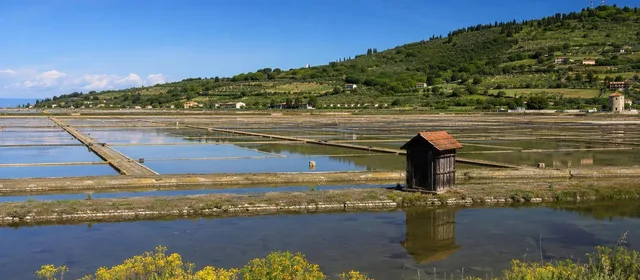
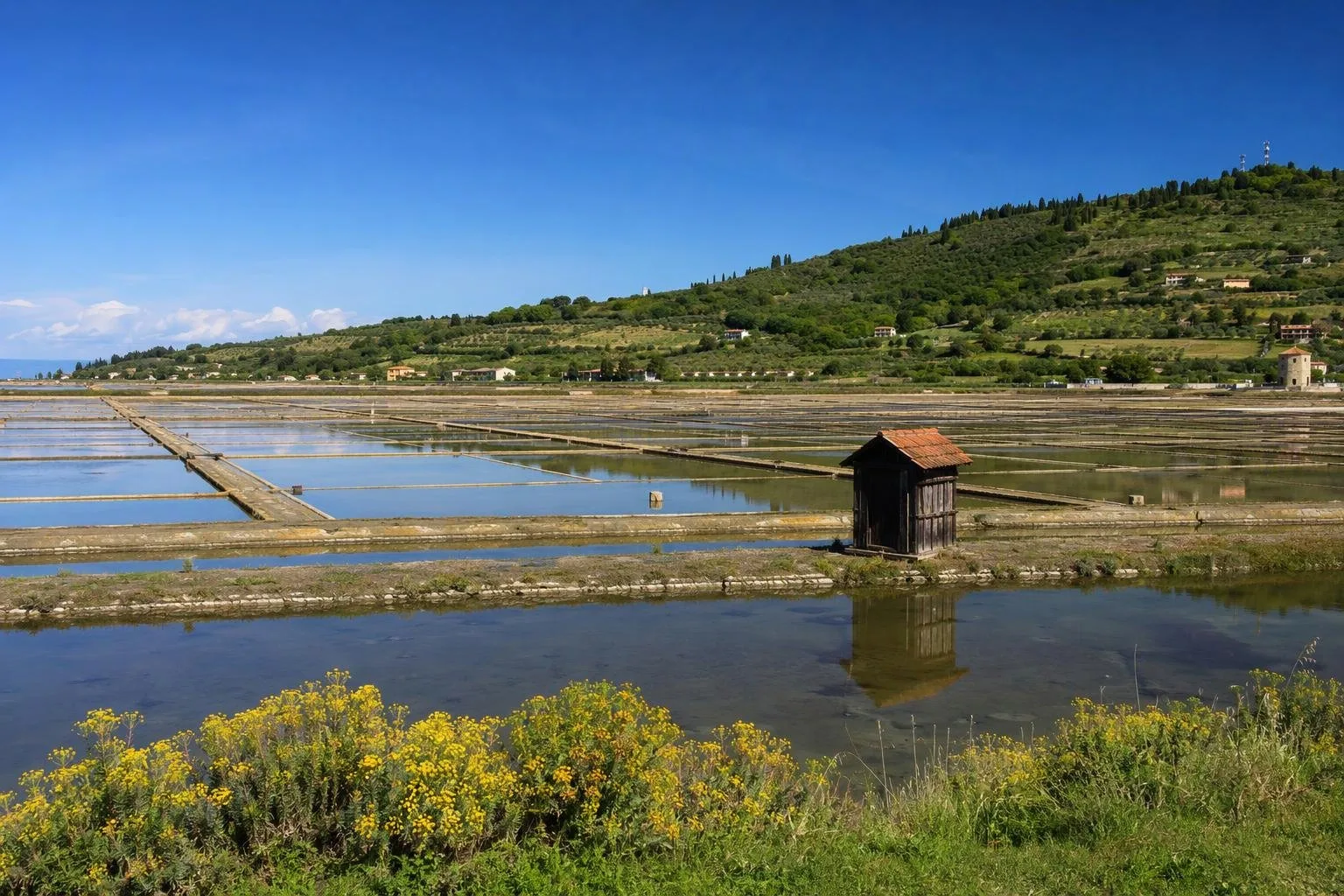
Piran is the region’s clearest medieval coastal ensemble: Tartini Square, the church of St George and the town walls sit on a narrow peninsula. South of Portorož, the Sečovlje Salt Pans combine a working salt-making tradition with a protected wetland landscape. Salt is still produced there by hand using traditional methods.
For a quieter coastal landscape, walk in Strunjan Landscape Park. Its flysch cliff, lagoon and functioning salt pans show the meeting point of sea, agriculture and conservation.
Inland Istria
The hinterland is not an optional backdrop. Drive or cycle into the hills for terraces, dry-stone walls and small settlements. The Romanesque Holy Trinity Church in Hrastovlje is a key stop: its Gothic interior includes the celebrated Dance of Death fresco.
Food follows the terrain. Look for local olive oil, Malvazija white wine and Refošk red wine, alongside fish on the coast and Istrian dishes in village inns. In autumn, vineyards and olive groves move into harvest season.
Getting around
Koper, Izola, Portorož and Piran work well as linked coastal bases. Public transport is most useful between the towns; a car gives far better access to hill villages, producers and the Karst Edge.
The Parenzana is the region’s main cycling and walking corridor, following the former narrow-gauge railway route between Trieste and Poreč. Coastal sections are easier; inland stretches climb. An e-bike makes the hills considerably more manageable.
Nature rules and timing
Protected areas are part of the itinerary, not open terrain. In Strunjan, stay on marked walking routes; cycling is not permitted in the cliff and salt-pan nature reserves. Navigation and anchoring are restricted in the central marine reserve.
Spring and autumn suit walking and cycling best. Summer is for the sea and early starts; exposed inland routes can be hot, while the bora wind can make cooler-season outdoor plans abruptly uncomfortable.
From the magazine
Stories about Slovenian Istria
Editorial stories linked directly to Slovenian Istria.
No stories about Slovenian Istria have been published yet.
Routes from our editors
Travel through Slovenian Istria
Editorial routes connecting Slovenian Istria with other countries, cities and hotspots.
No routes through Slovenian Istria have been published yet.
More in Slovenia
Related hotspots
Other cities, nature areas and places within Slovenia.
Ljubljana
5 linked stories and routes
Central Market
3 linked stories and routes
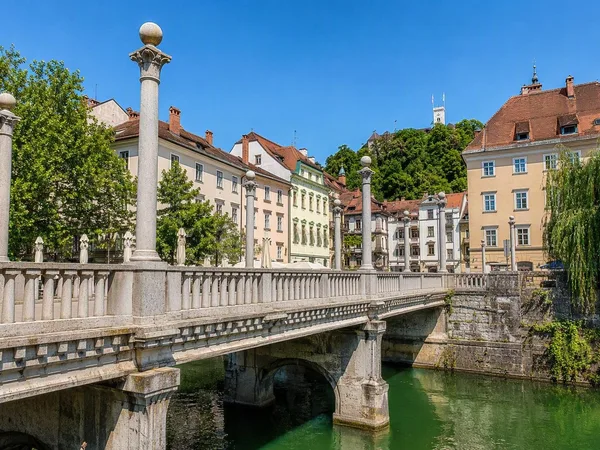
Cobblers’ Bridge
2 linked stories and routes
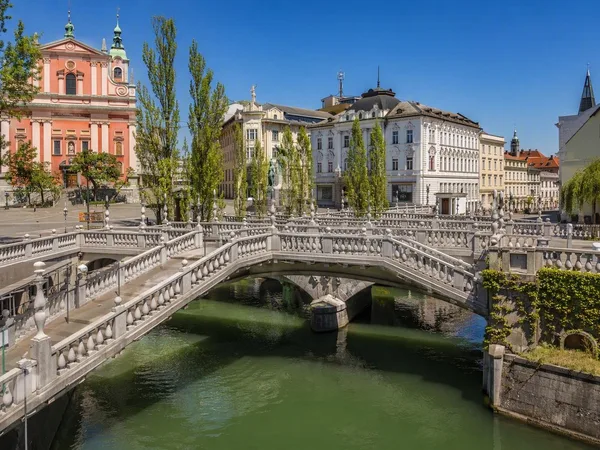
Triple Bridge
2 linked stories and routes
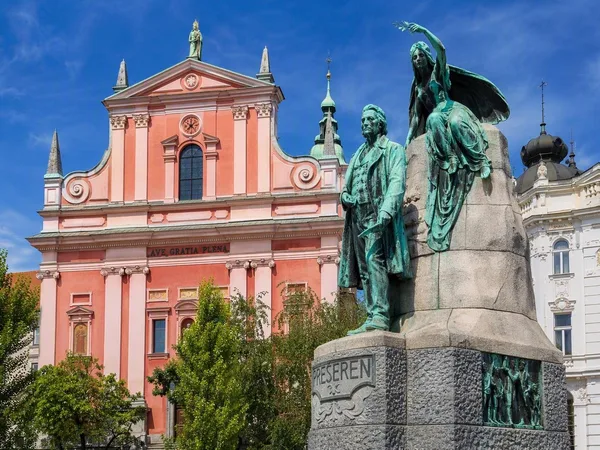
Prešeren Square
2 linked stories and routes
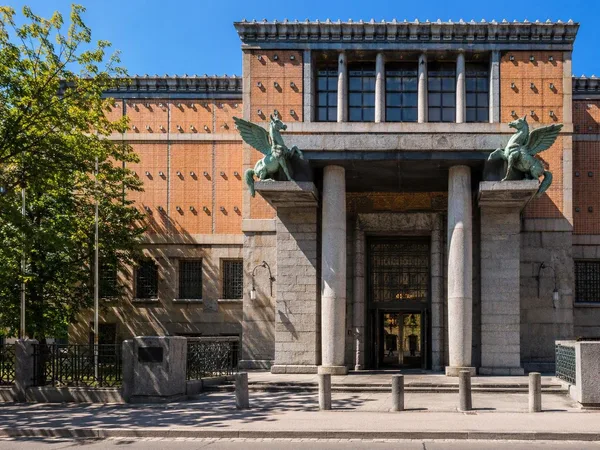
National and University Library (NUK)
2 linked stories and routes
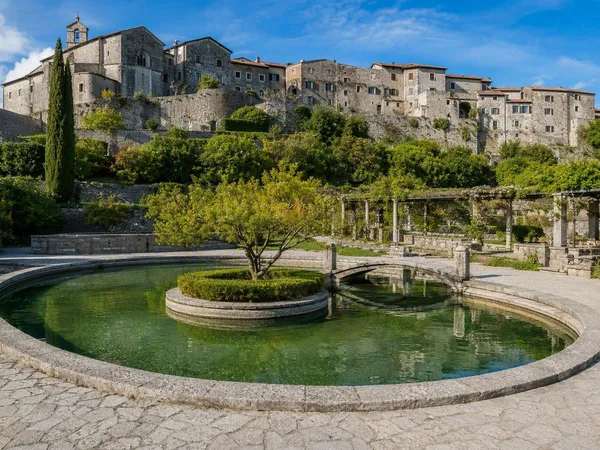
Štanjel
1 linked stories and routes
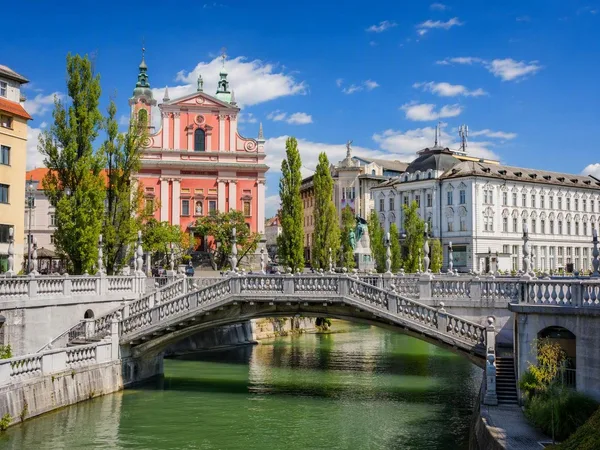
Triple Bridge (Driebruggen)
1 linked stories and routes
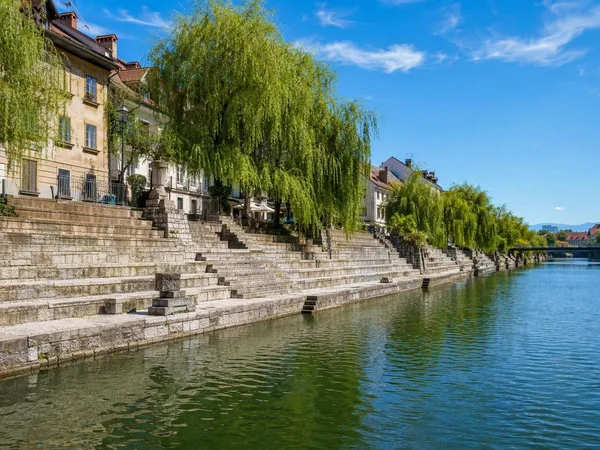
Trnovski pristan Embankment
1 linked stories and routes
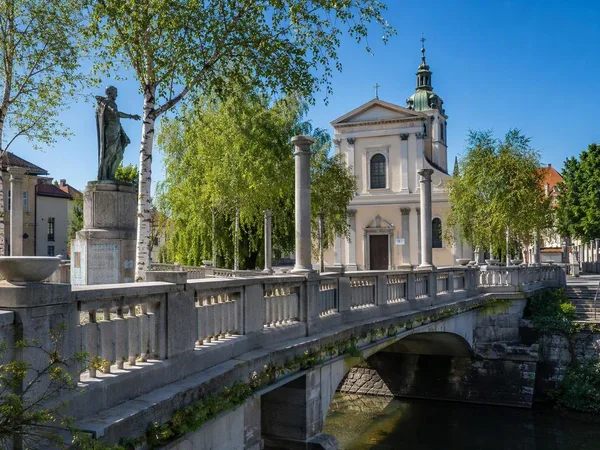
Trnovo, Ljubljana
1 linked stories and routes
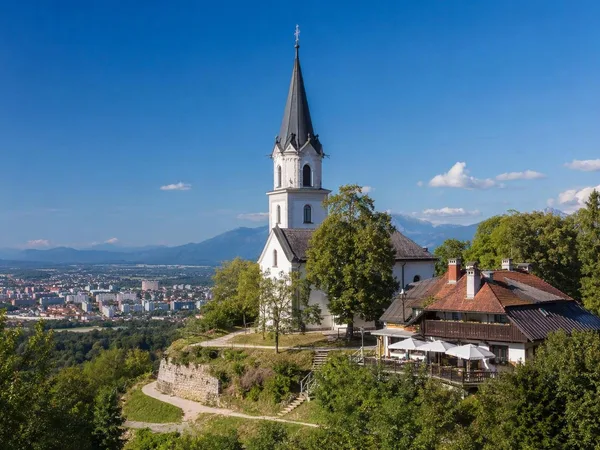
Rožnik Hill
1 linked stories and routes
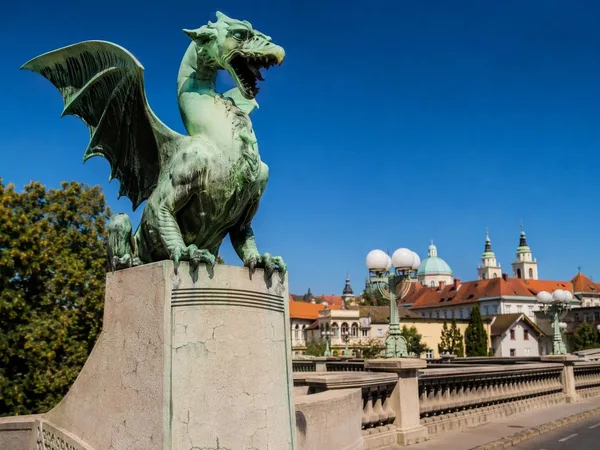
Dragon Bridge
1 linked stories and routes
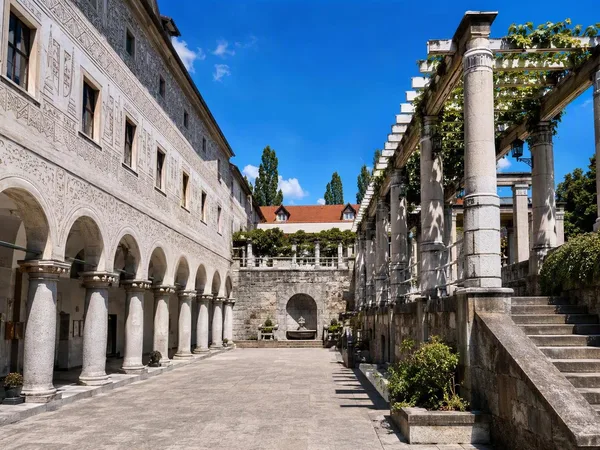
Križanke Summer Theatre
1 linked stories and routes
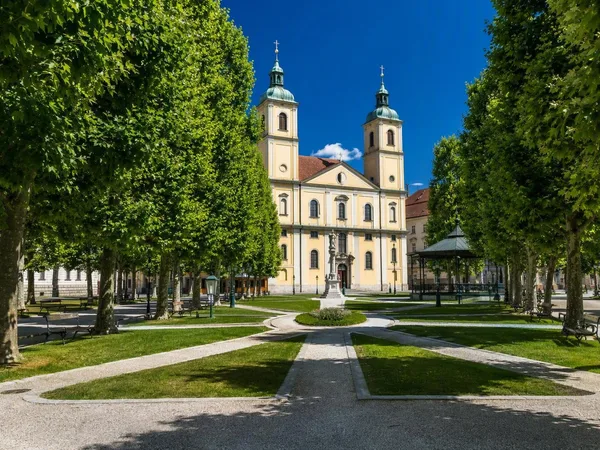
Kongresni trg (Congress Square)
1 linked stories and routes
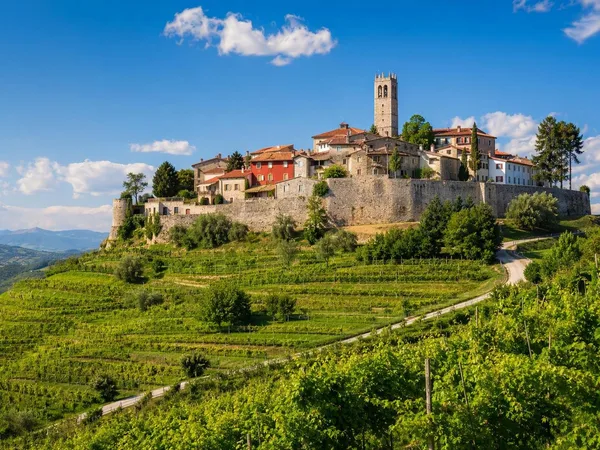
Brda, Slovenia
1 linked stories and routes
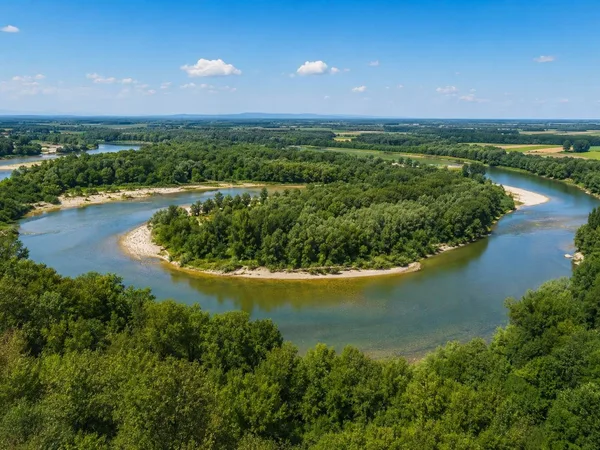
Prekmurje
1 linked stories and routes
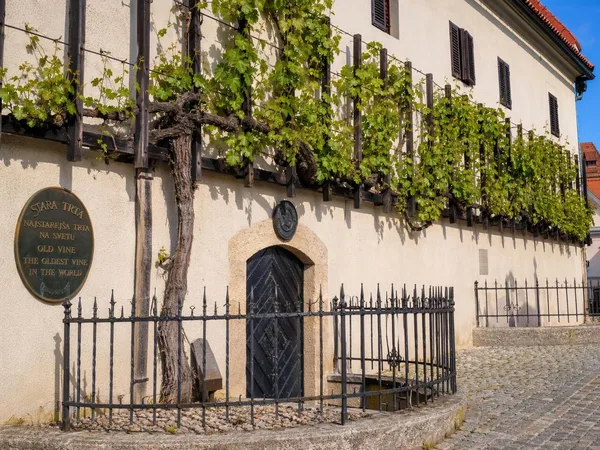
Štajerska (Slovenian Styria)
1 linked stories and routes
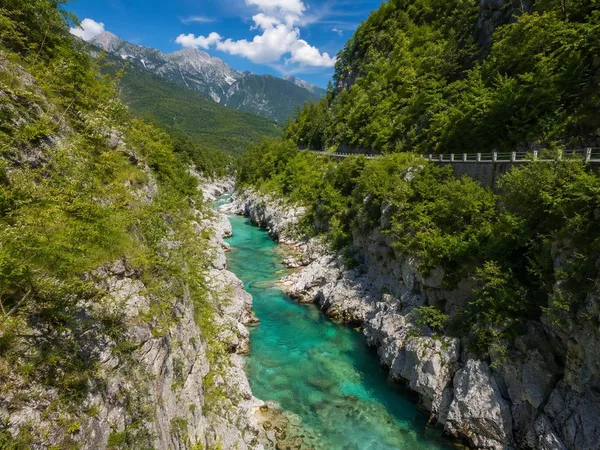
Soča Valley
1 linked stories and routes
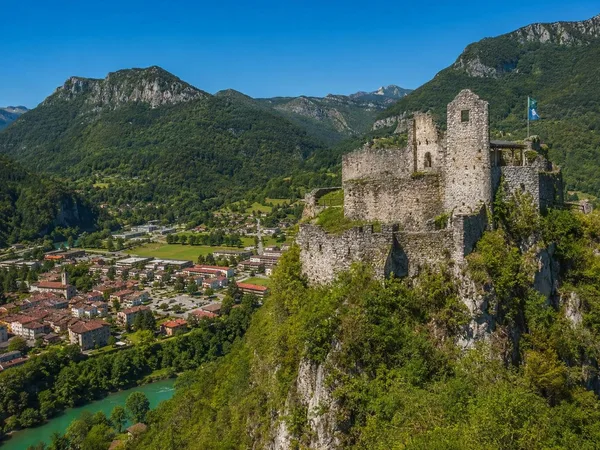
Tolmin
1 linked stories and routes
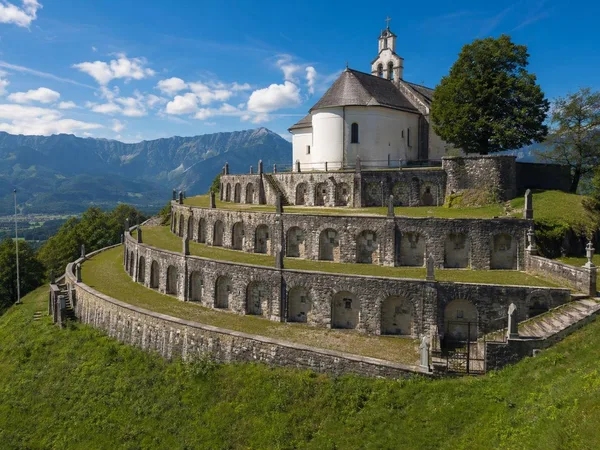
Kobarid
1 linked stories and routes
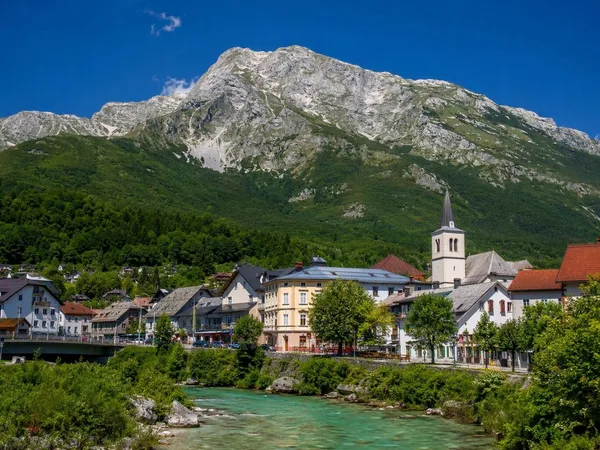
Bovec
1 linked stories and routes
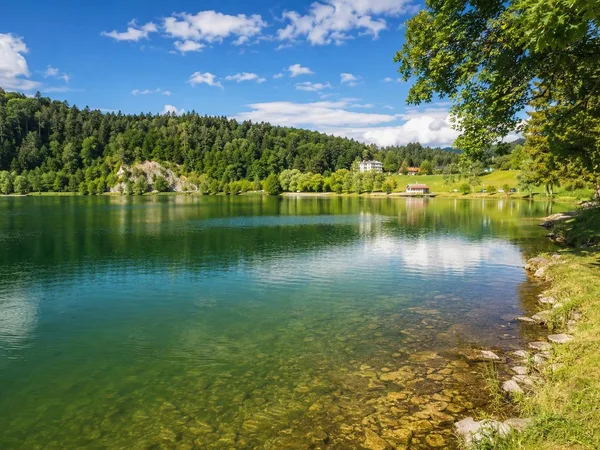
Kočevje
1 linked stories and routes
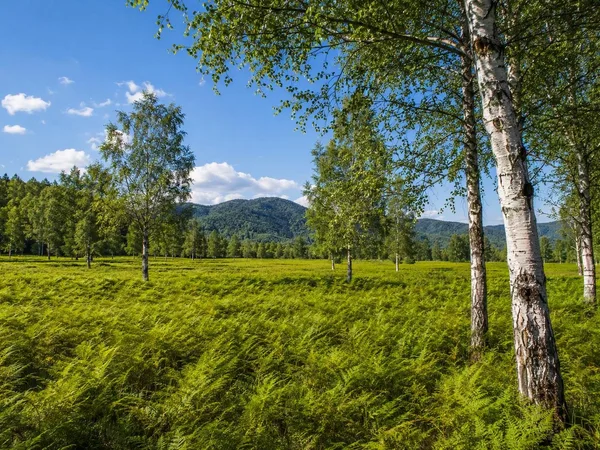
Bela krajina
1 linked stories and routes
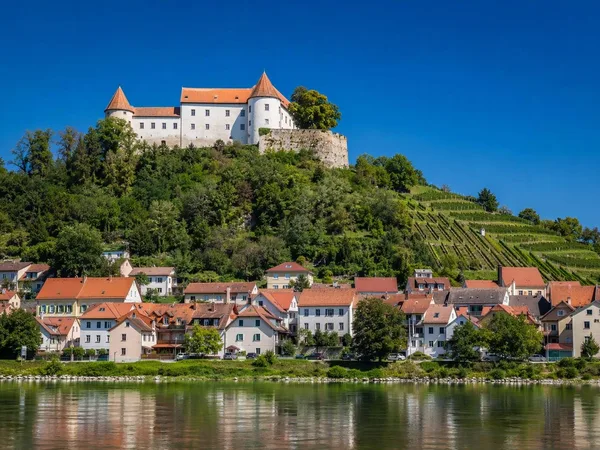
Sevnica
1 linked stories and routes
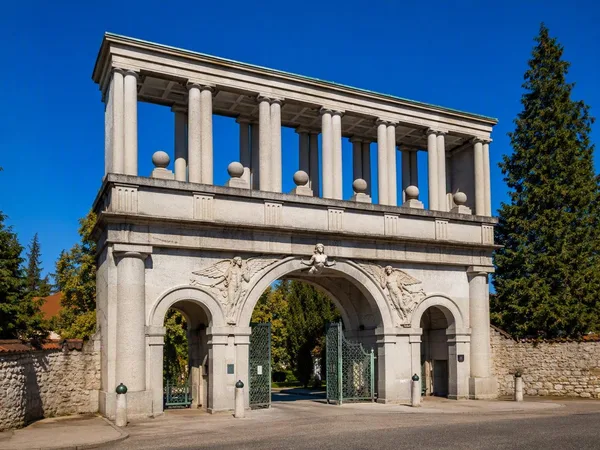
Žale Cemetery
0 linked stories and routes
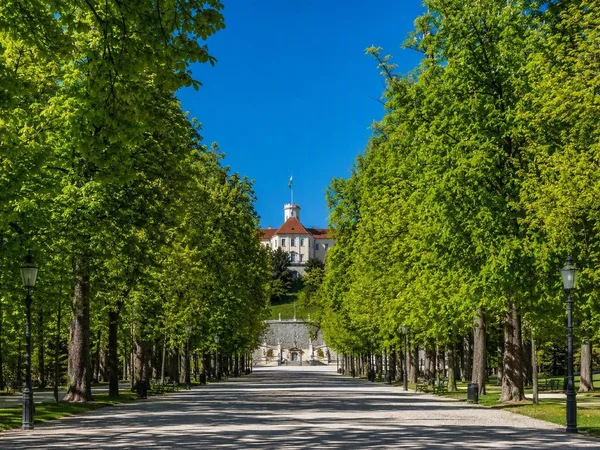
Tivoli Park
0 linked stories and routes