
Region · Slovenia
Bela krajina
Bela krajina is Slovenia’s southeastern cultural landscape, spread between the Kolpa River and the forested edge of Kočevski Rog. Its small towns, river valleys, birch meadows, vineyards and enduring craft traditions reward an unhurried road trip.
Orientation
Bela krajina occupies Slovenia’s far southeast along the Croatian border. Think of it as a region rather than a single base: Črnomelj, Metlika and Semič are its principal towns, linked by a rural patchwork of vineyards, karst, woodland and the Kolpa valley.
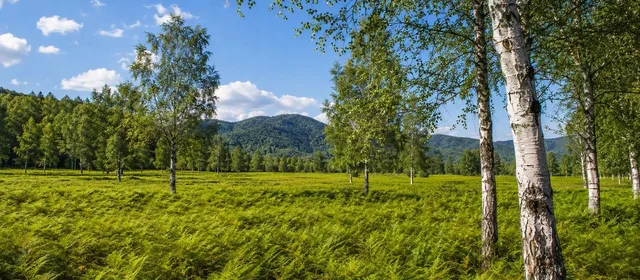
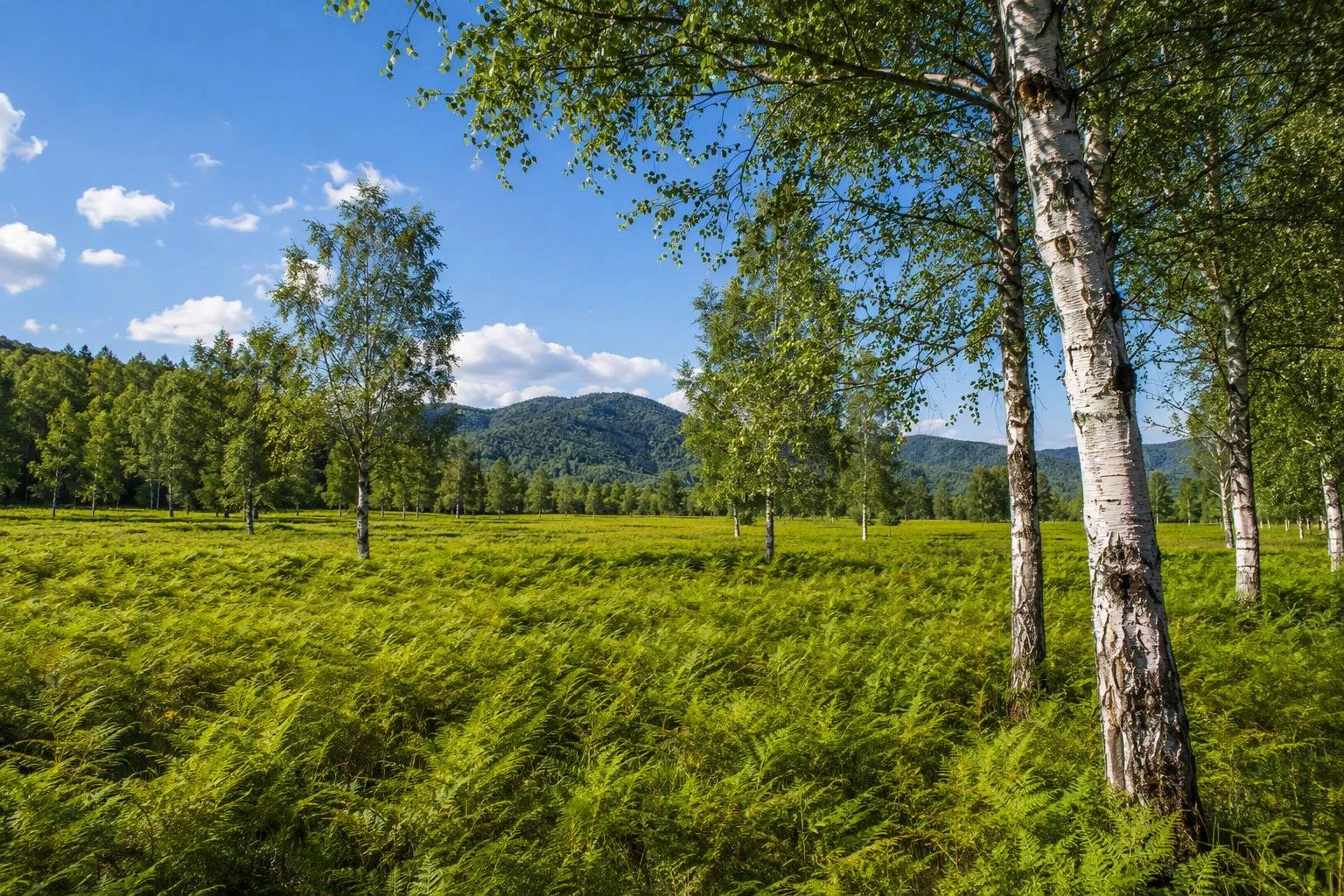
The Kolpa is the region’s defining river. Its banks shift from open fields to narrow canyon sections, while the interior holds the Lahinja River, wetlands and dry karst. The landscape’s visual signature is the steljnik: meadowland with silver birches, bracken and juniper.
Nature worth prioritising
Start with the river and two landscape parks.
- Kolpa Landscape Park follows the border river between Stari Trg and Dragoši. It protects a lived-in mosaic of riverbanks, woods, sinkholes and traditional farmland. Use it for riverside walks, swimming areas and calm-water paddling; faster water occurs upstream in the Poljanska Dolina.
- Lahinja Landscape Park is the counterpoint: a wetland landscape in the middle of karst country. Follow the Lahinja through marshes, wet meadows and woodland, and look for the contrast between water-rich ground and the surrounding dry limestone terrain.
- Near Semič, the Krupa spring emerges below a rock wall more than 30 metres high. It is a concise stop that explains the region’s karst hydrology.
Stay on established paths in protected areas and treat riverbanks, meadows and quiet villages as shared working landscapes.
Towns, traditions and food
For regional history, head to Metlika Castle, home to the Bela krajina Museum. Its collections provide the clearest introduction to local costume, folklore and the region’s distinctive decorated Easter eggs, pisanice and drsanke.
Črnomelj works well for an urban break and local museums; Semič is the practical gateway to the northern woods and karst. In Adlešiči and nearby villages, linen making and embroidery remain central reference points for local craft.
Order belokranjska pogača, a round flatbread seasoned with caraway and coarse salt, to share by tearing rather than slicing. Wine is equally central: seek out Belokranjec PTP or Metliška črnina PTP, both protected regional wines.
Getting around and timing
A car gives the most flexibility between river villages, parks and vineyard hills. From the Ljubljana–Brežice motorway, turn off at Novo Mesto for Metlika; buses and trains also serve the area. Cycling is viable if you are comfortable with rolling roads: the region has 15 marked cycling routes, while e-bikes are available along sections of the Kolpa.
Summer suits swimming, canoeing and riverside stays. Spring brings folk and wine events, including Metlika’s Vinska vigred in May and Jurjevanje celebrations in June. Choose your base by focus: Metlika for heritage and wine, Črnomelj for a central location, or a Kolpa village for time on the water.
From the magazine
Stories about Bela krajina
Editorial stories linked directly to Bela krajina.
No stories about Bela krajina have been published yet.
Routes from our editors
Travel through Bela krajina
Editorial routes connecting Bela krajina with other countries, cities and hotspots.
No routes through Bela krajina have been published yet.
More in Slovenia
Related hotspots
Other cities, nature areas and places within Slovenia.
Ljubljana
5 linked stories and routes
Central Market
3 linked stories and routes
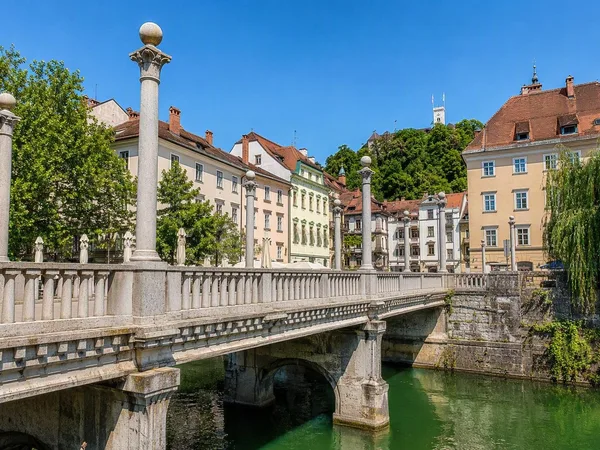
Cobblers’ Bridge
2 linked stories and routes
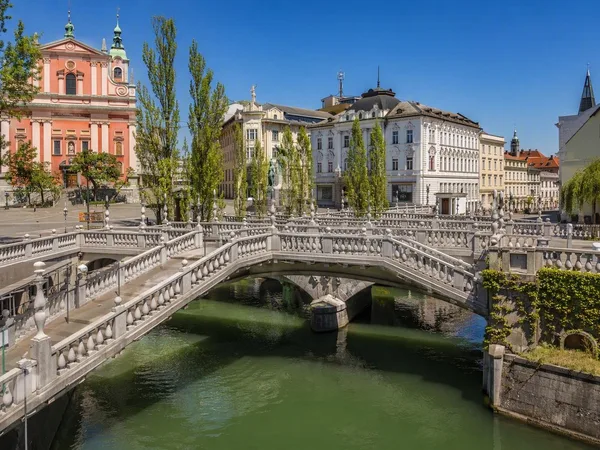
Triple Bridge
2 linked stories and routes
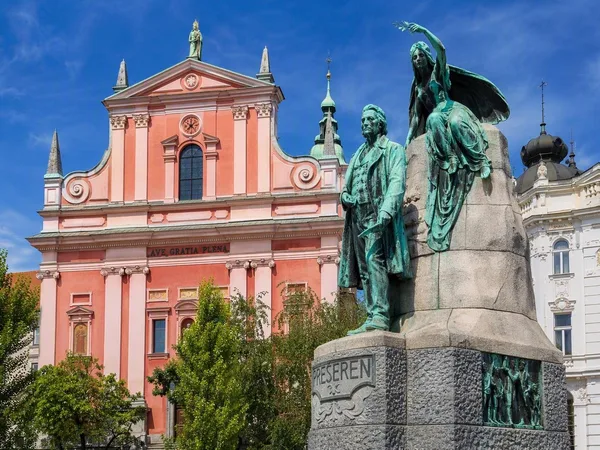
Prešeren Square
2 linked stories and routes
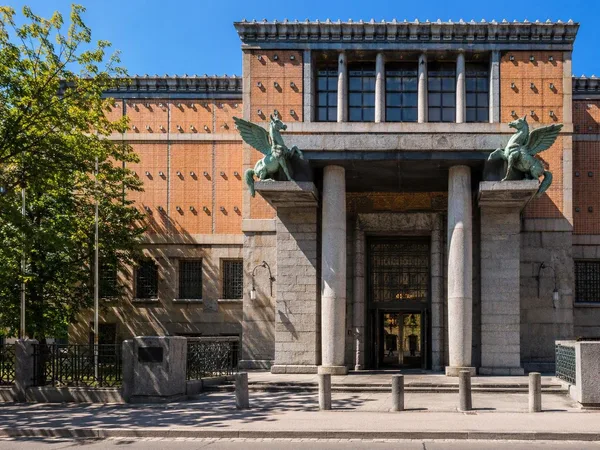
National and University Library (NUK)
2 linked stories and routes
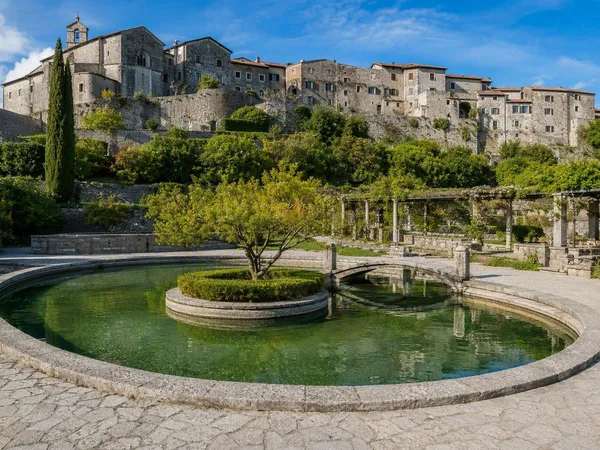
Štanjel
1 linked stories and routes
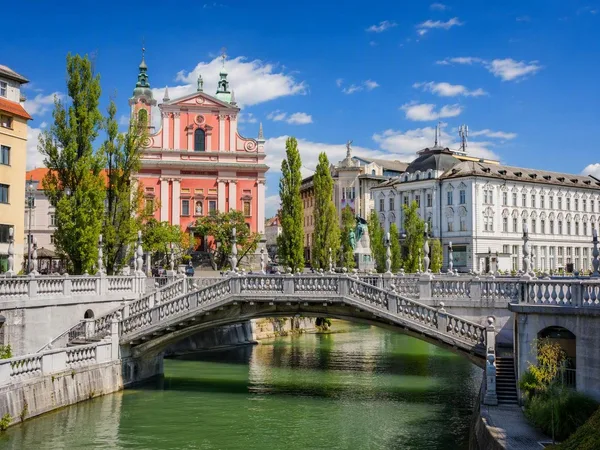
Triple Bridge (Driebruggen)
1 linked stories and routes
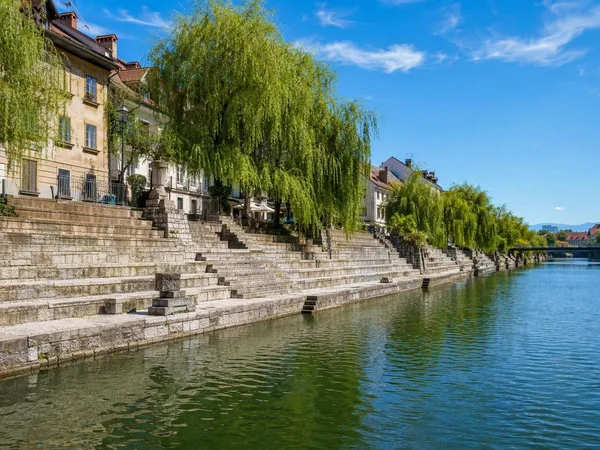
Trnovski pristan Embankment
1 linked stories and routes
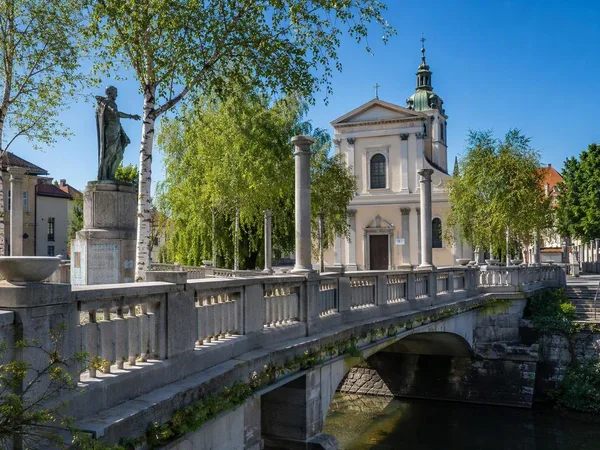
Trnovo, Ljubljana
1 linked stories and routes
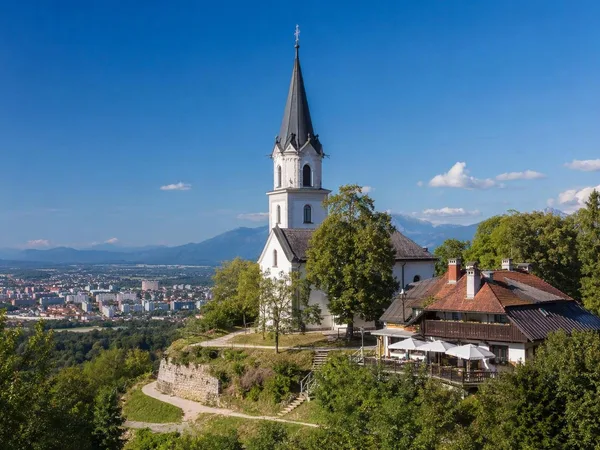
Rožnik Hill
1 linked stories and routes
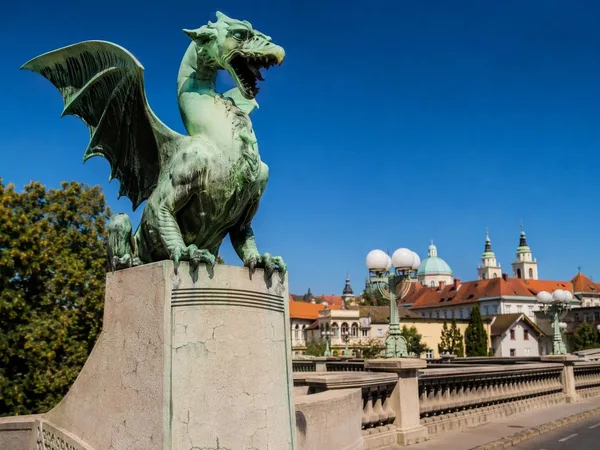
Dragon Bridge
1 linked stories and routes
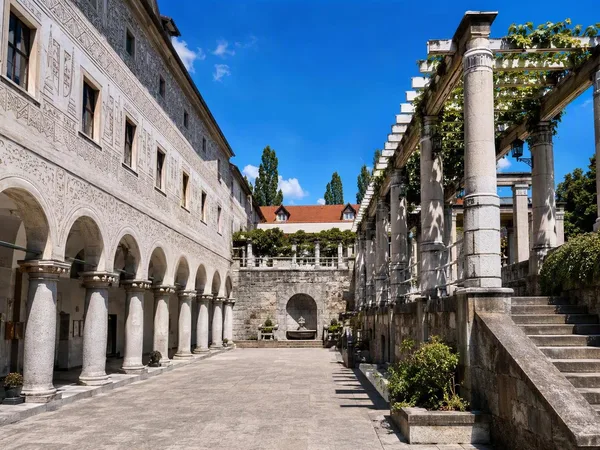
Križanke Summer Theatre
1 linked stories and routes
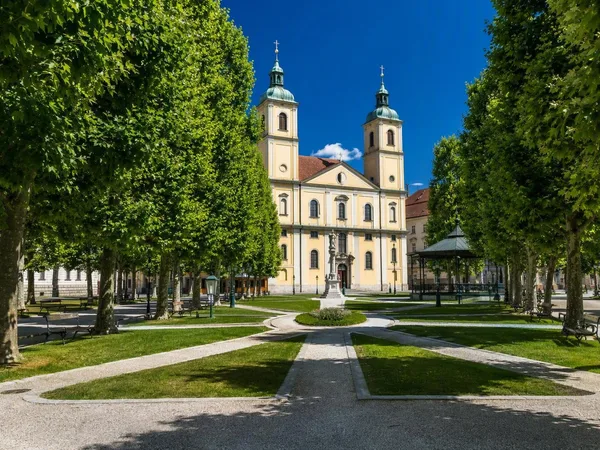
Kongresni trg (Congress Square)
1 linked stories and routes
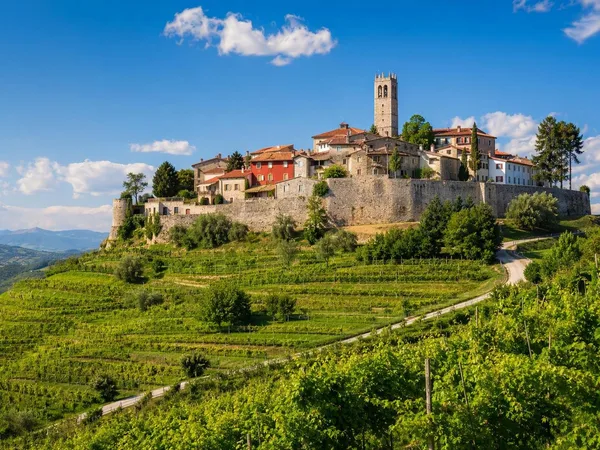
Brda, Slovenia
1 linked stories and routes
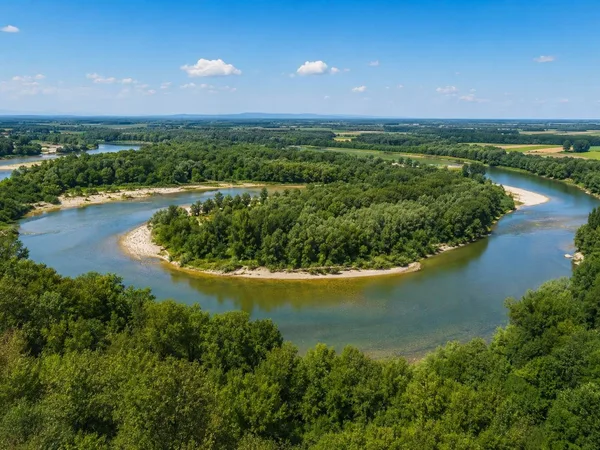
Prekmurje
1 linked stories and routes
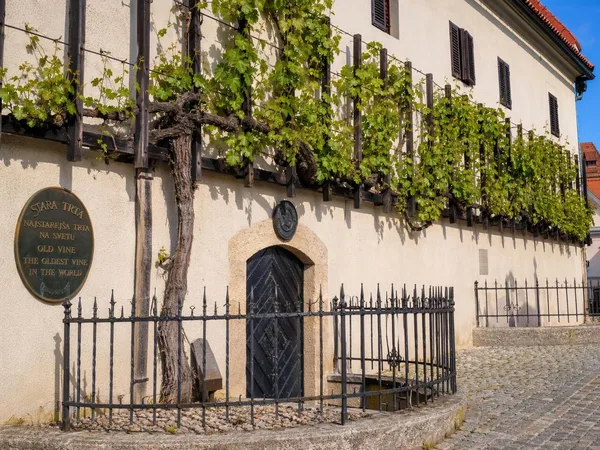
Štajerska (Slovenian Styria)
1 linked stories and routes
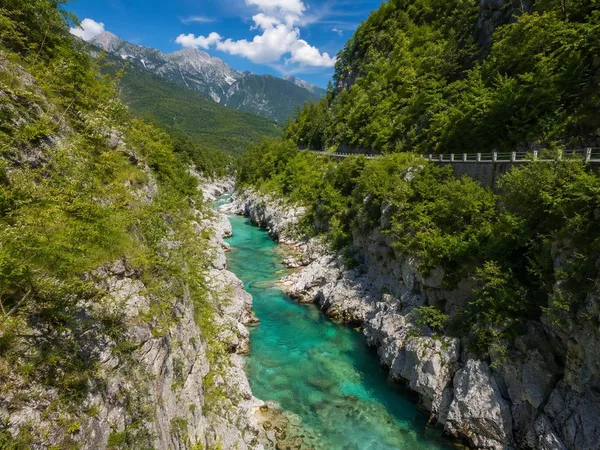
Soča Valley
1 linked stories and routes
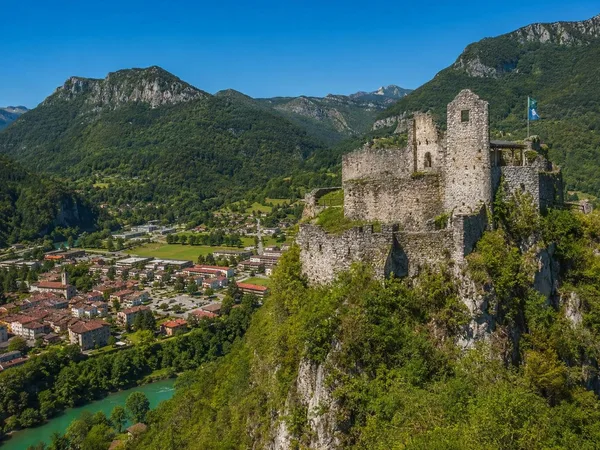
Tolmin
1 linked stories and routes
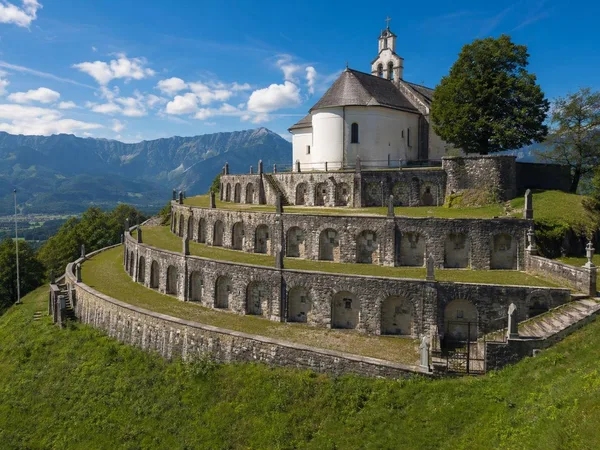
Kobarid
1 linked stories and routes
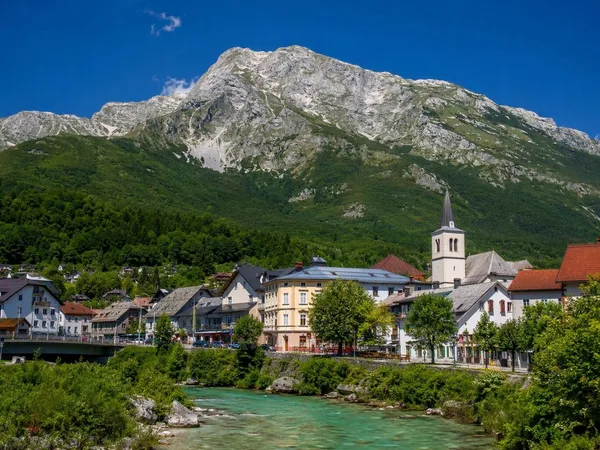
Bovec
1 linked stories and routes
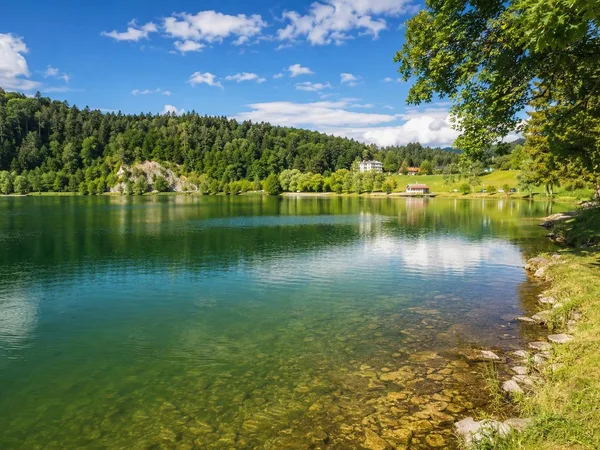
Kočevje
1 linked stories and routes
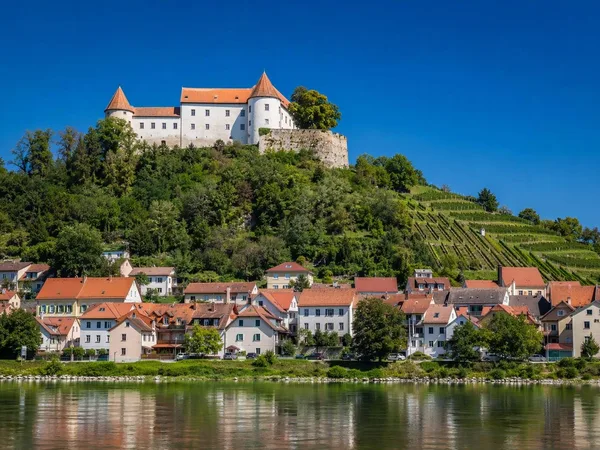
Sevnica
1 linked stories and routes
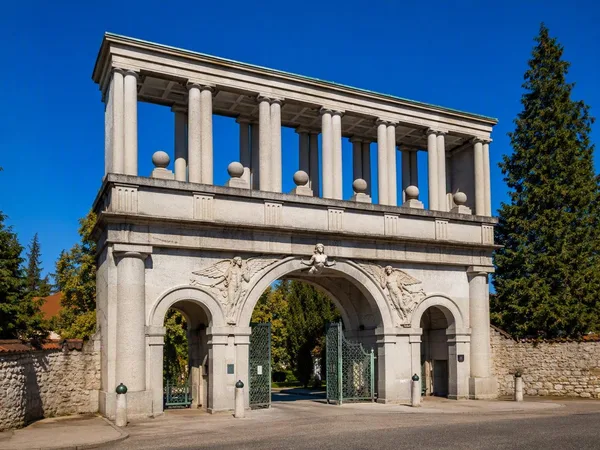
Žale Cemetery
0 linked stories and routes
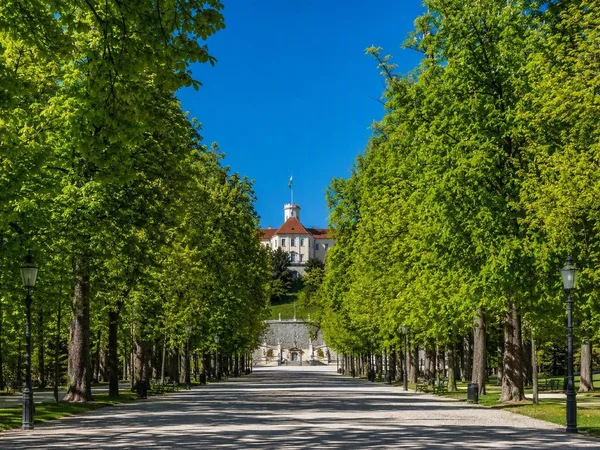
Tivoli Park
0 linked stories and routes
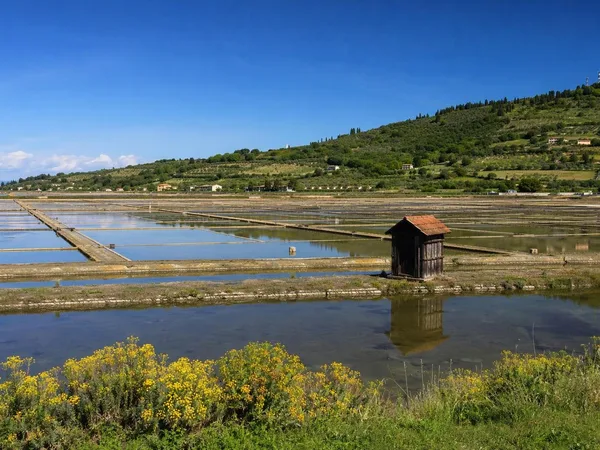
Slovenian Istria
0 linked stories and routes