Austria

Palaces, vineyards and Alpine valleys

Austria

Austria pairs imperial cities and café tables with lakes, vineyards and high Alpine country.

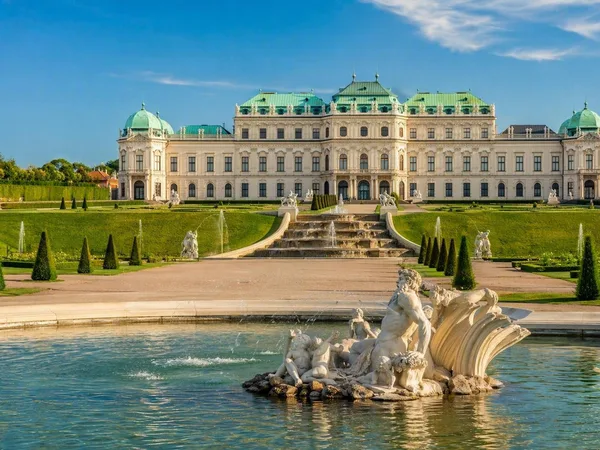
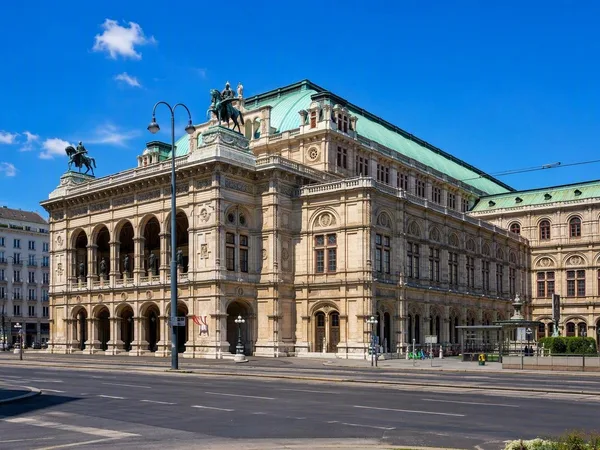
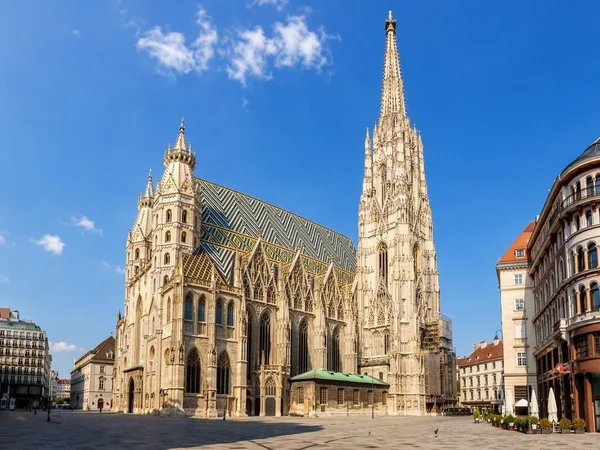
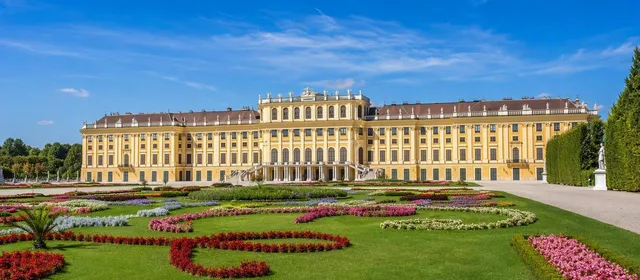
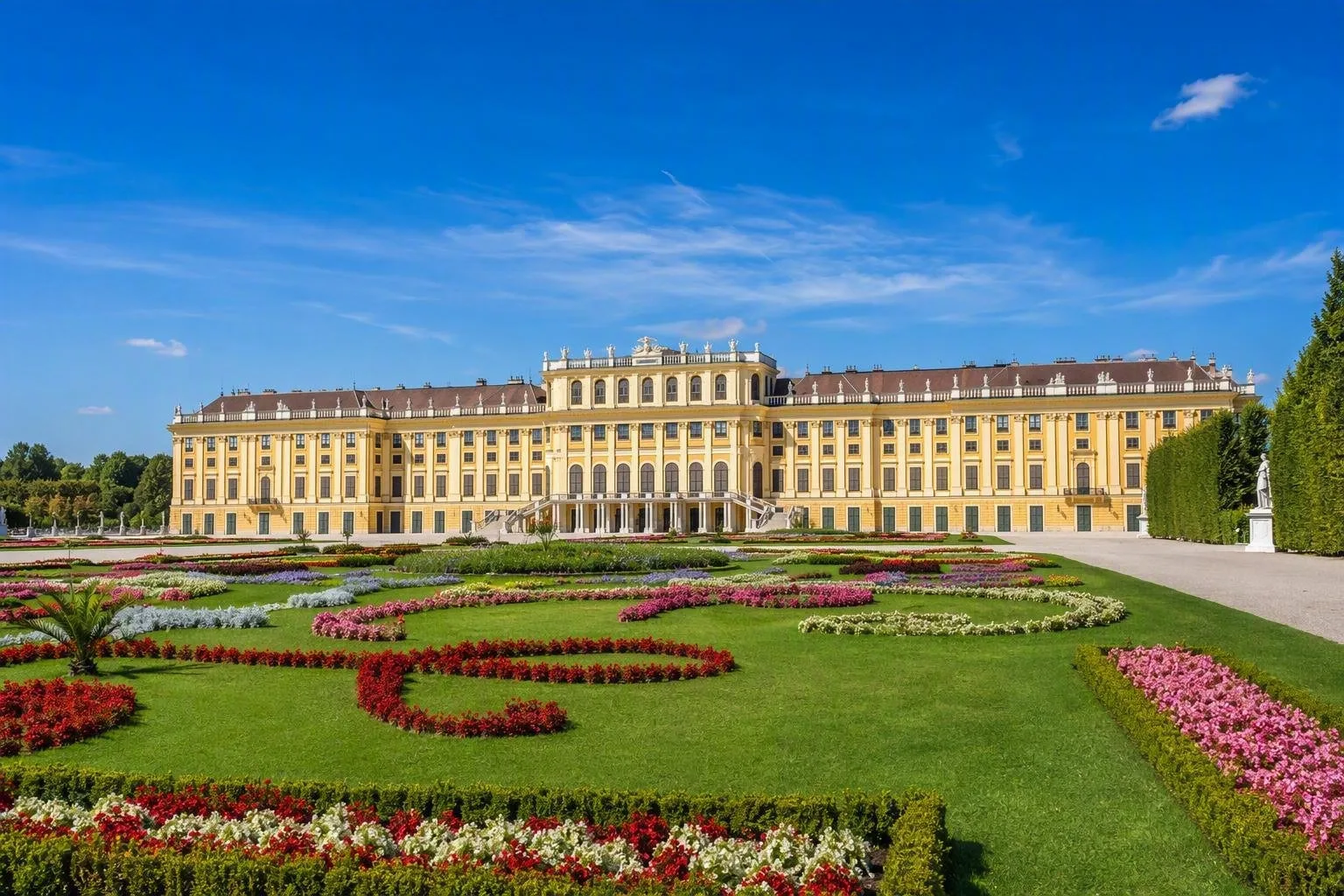
Vienna gives Austria an immediately recognisable face: Ringstrasse façades, Schönbrunn’s clipped gardens, concert halls and coffeehouses where people linger over cake. A few streets away, market stalls, neighbourhood wine taverns and everyday apartment blocks show a less formal capital. The contrasts continue beyond Vienna. Salzburg sets Baroque domes below wooded hills, while Graz brings Renaissance courtyards, contemporary architecture and Styrian cooking together in its old centre.

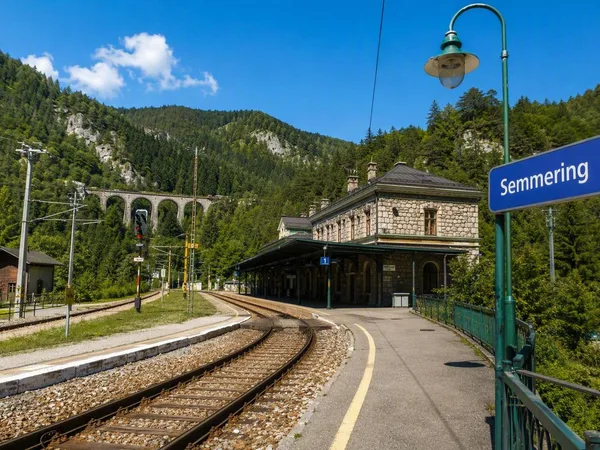
The Alps fill much of western and central Austria, but the country changes quickly from one valley to the next. Trains run through mountain country to Innsbruck, and paths circle lakes beneath limestone peaks in the Salzkammergut. East of the mountains, vineyards and orchards spread across gentler ground near Lake Neusiedl. In the Wachau, apricot trees and vine terraces rise above the Danube, with small towns and abbeys along its banks.

Austria’s museums and former imperial collections hold much of the Habsburg past, while food and local customs keep regional life close at hand. Vienna bakers serve strudel and tortes; Styrian cooks finish salads and soups with dark pumpkin-seed oil; Alpine dairies make cheeses that vary by valley. Vienna and Salzburg draw music audiences, but brass bands, village festivals and local workshops carry on elsewhere. Stay for a few days, take the train beyond the capital, and make time for a long lunch or a glass of local wine.

When to go

Best time to travel

Monthly values are indicative average maximum temperatures for Vienna. Conditions vary meaningfully by region and elevation, especially between the eastern lowlands and the Alps. Monthly values are indicative average maximum temperatures for Vienna. Conditions vary meaningfully by region and elevation, especially between the eastern lowlands and the Alps.

jan4°C feb6°C mar11°C apr16°C may21°C jun24°C jul27°C aug26°C sep21°C oct15°C nov8°C dec4°C

Weather in the capital

Practical Austria

On every country page we show the current weather for the capital.

Vienna
Morning27°Cdrizzle
Afternoon27°Cdrizzle
Evening27°Cshowers
today28°C / 26°Chigh and low

Current forecast by Open-Meteo

Getting around

ÖBB trains link major cities, while WESTbahn runs on key routes in the west. Regional buses reach smaller towns and valleys, and city networks use trams, buses and underground trains.

Paying in Austria

Cards are widely accepted, but some cafés, mountain huts and small businesses prefer cash. ATMs are common in cities and towns.

Where to stay

Options include city hotels, family-run guesthouses, farm stays and Alpine huts. Book early for ski periods, summer lake resorts and major festival dates.

Before you leave

Worth knowing

A practical starting point for your trip. Check current conditions and local information before you leave.

01

Calling code

Austria’s international calling code is +43.

02

Driving side

Traffic drives on the right, and drivers overtake on the left.

03

Official language

German is the official language. Austrian German has distinct words and pronunciation, and regional dialects remain common.

04

Restaurant tipping

Round up the bill or add about 5–10% for good service. Tell the server the total you wish to pay when settling the bill.

05

Meal times

Lunch commonly runs from noon to 2pm, and dinner often starts between 6pm and 8pm. Kitchens may close earlier outside cities.

06

Sunday closures

Most shops close on Sundays and public holidays. Shops at major stations, airports and some tourist locations may open.

07

Ticket validation

Some paper tickets need validation before boarding or immediately after boarding. Digital and time-stamped tickets usually do not; check the local operator’s rules.

08

Motorway vignette

Cars and other vehicles up to 3.5 tonnes generally need a valid vignette on motorways and expressways. Some tunnels and mountain roads charge separate tolls.

09

Rail travel

ÖBB operates most intercity services. Seat reservations are usually optional on domestic trains but useful during busy periods. Discounted advance tickets often apply only to a specific service.

10

Tap water

Tap water is drinkable throughout Austria and often comes from Alpine springs.

11

Measurements

Austria uses kilometres, metres, kilograms and degrees Celsius.

12

Quiet hours

Residents generally keep noise low at night and on Sundays. Exact quiet hours vary by municipality and building rules.

From the magazine

Stories about Austria

Editorial stories connected to Austria and the places in this country.

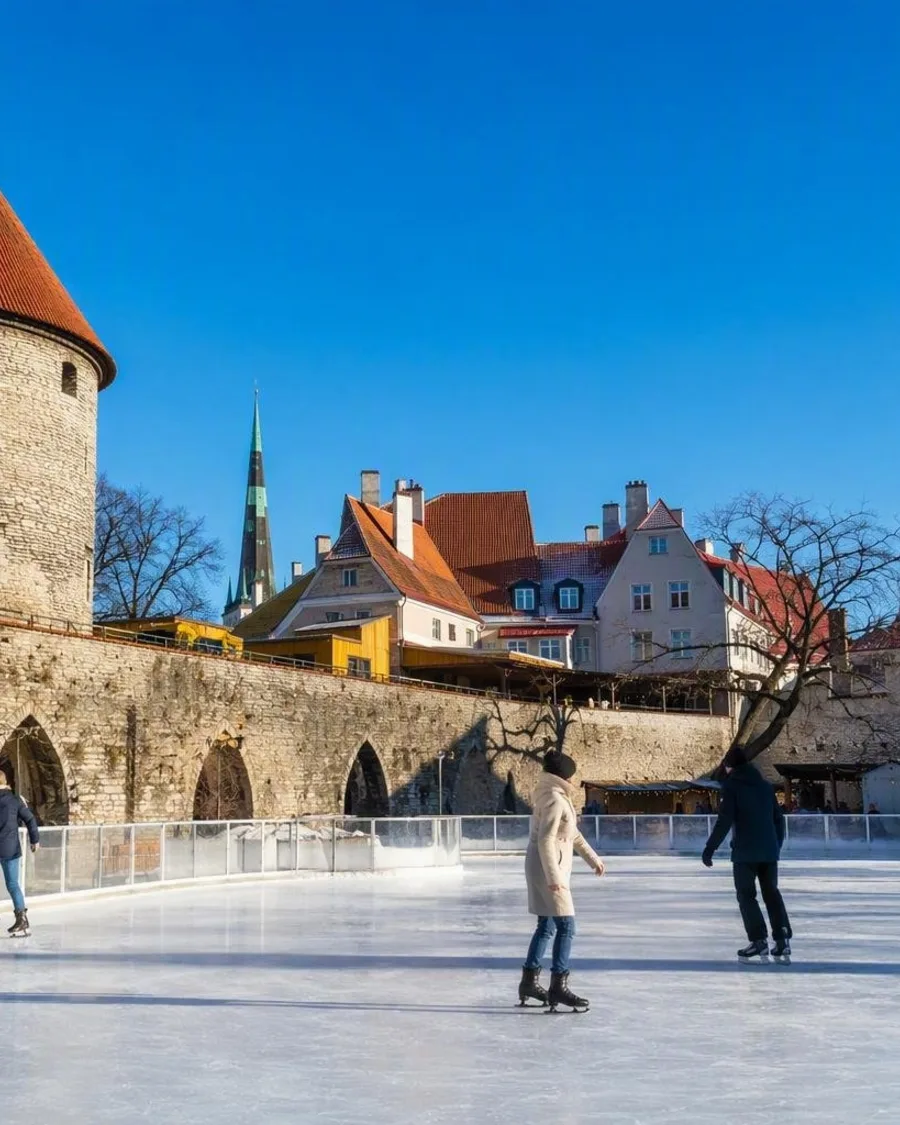
Eight cities where winter changes the streets
Article

Eight cities where winter changes the streets

Tallinn’s medieval lanes, Tromsø’s blue midday twilight and Kyoto’s frost-bright temple steps belong to the cold months. In these eight cities, winter changes how public spaces look, how residents use them and what visitors can see.

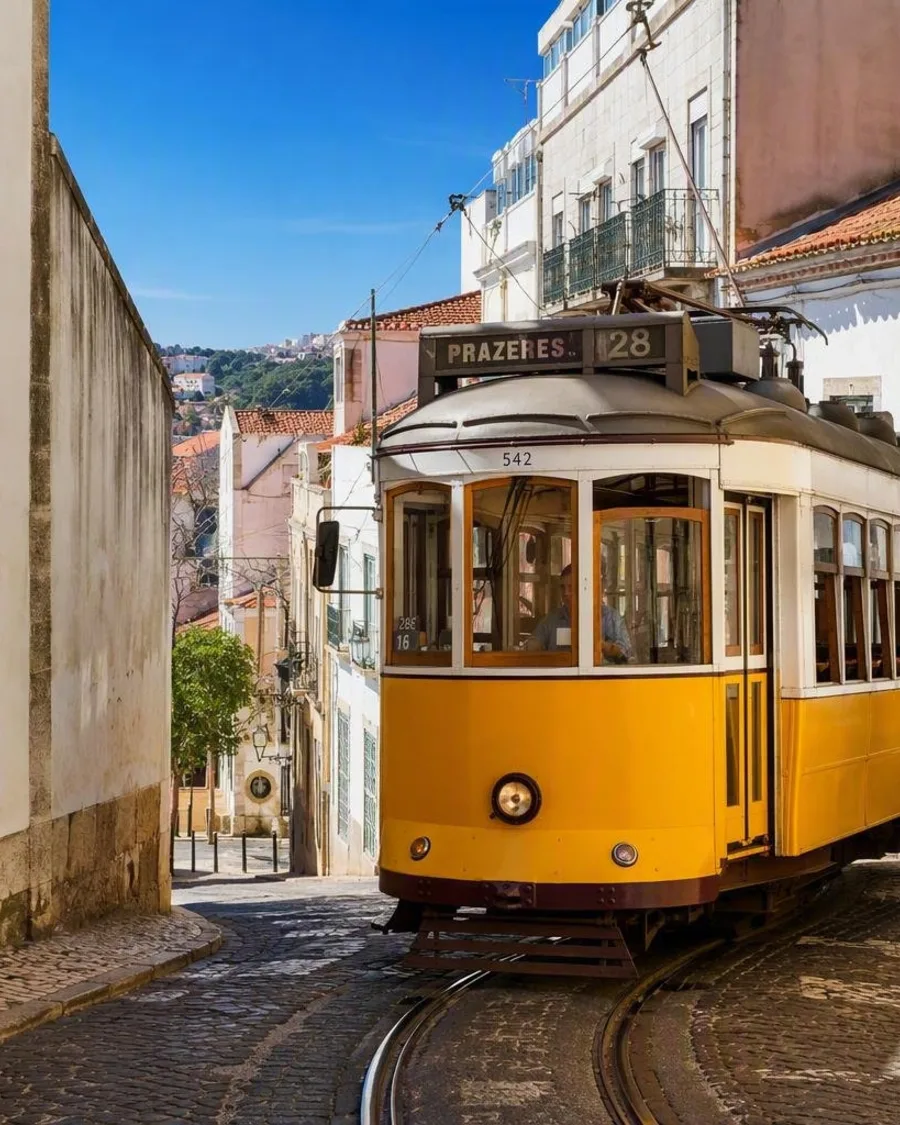
Eight European cities best read from a tram window
Article

Eight European cities best read from a tram window

A good tram route does more than join landmarks. It follows the grades, quays and street plans that shaped a city, then leaves enough time to see them from a seat by the window. These eight rides turn everyday public transport into a clear route through the urban grain.

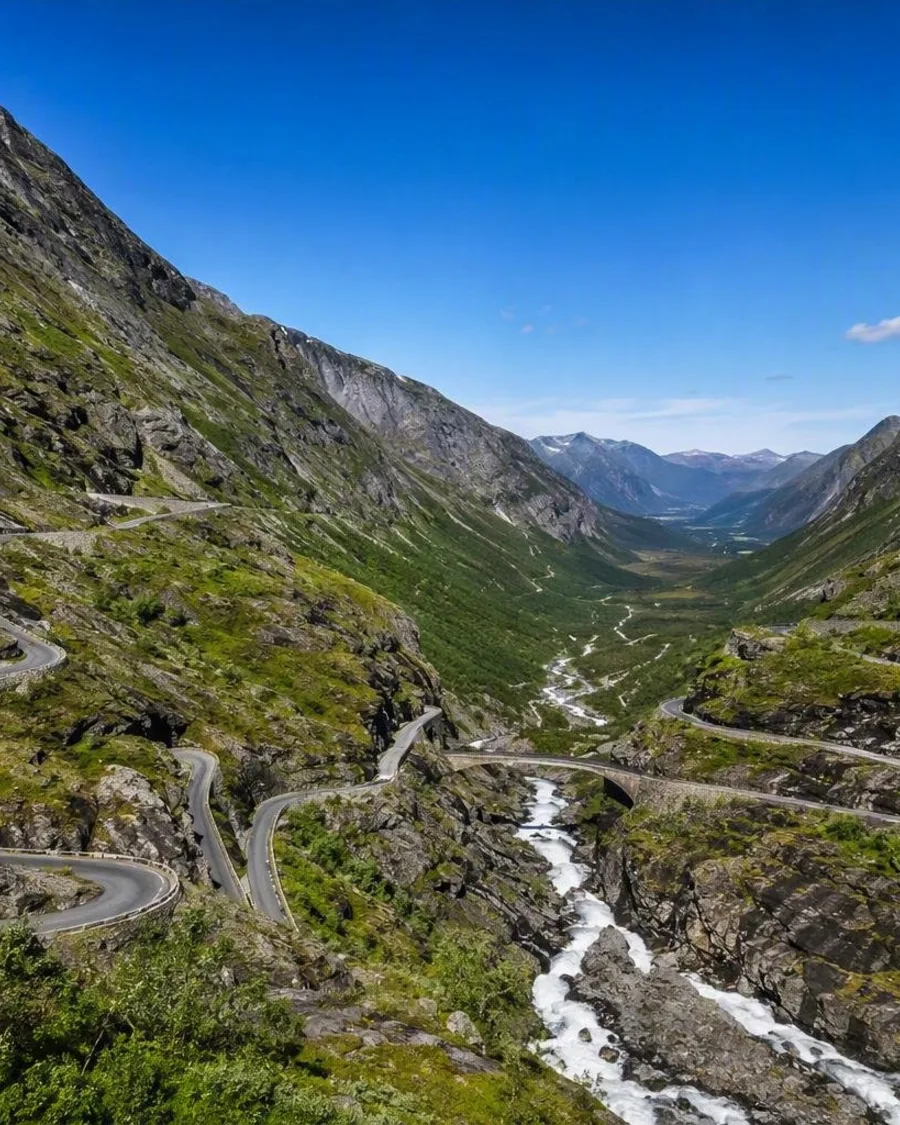
Eight drives between high passes and open ocean
Article

Eight drives between high passes and open ocean

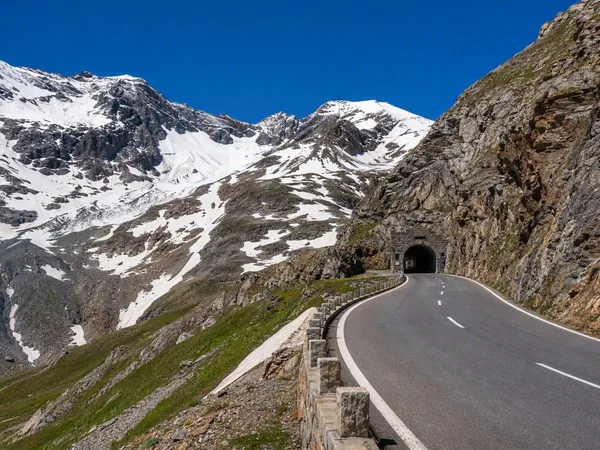
Austria’s Grossglockner road climbs from wooded valleys to bare Alpine ground through a tight stack of bends. Australia’s Great Ocean Road follows surf beaches, slips into wet forest and returns to a limestone coast. These eight routes stand apart through the shape of the road, the land around it and the views that arrive with each change in direction.

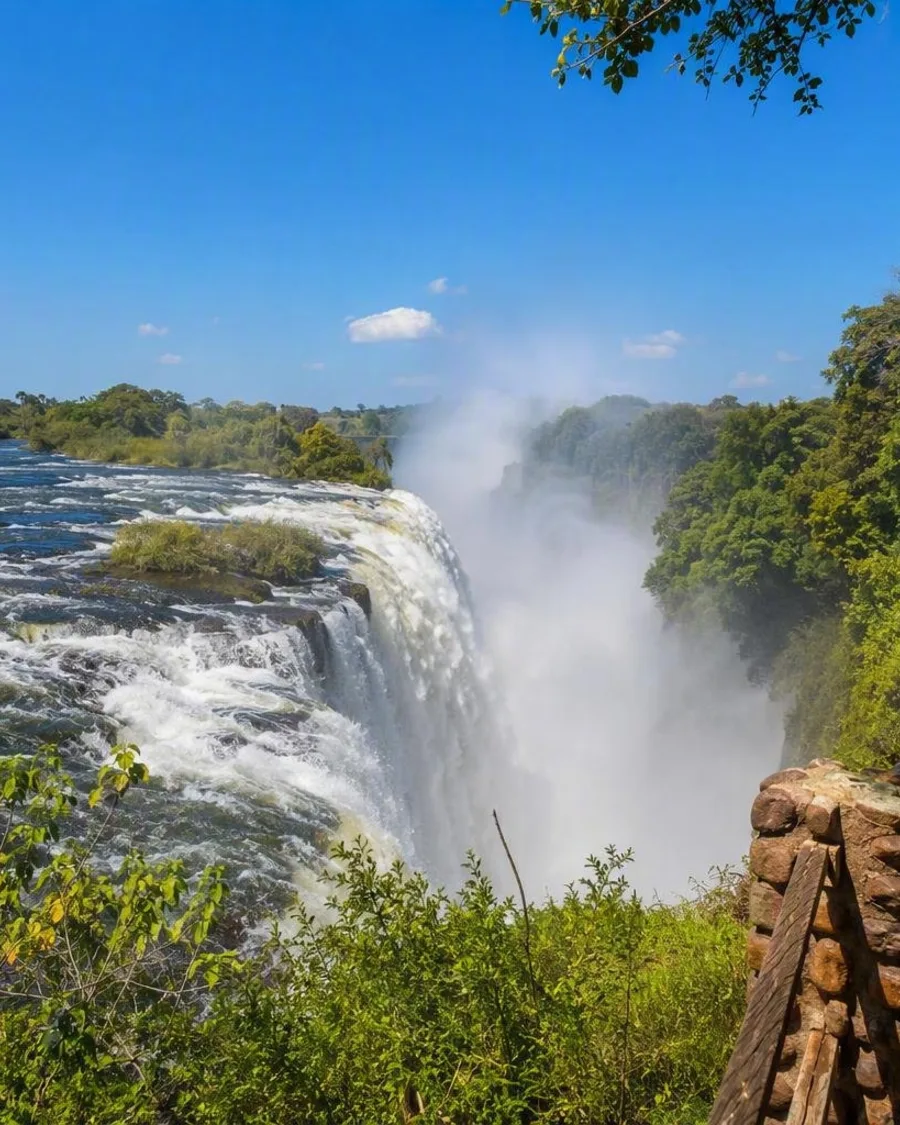
The world’s 10 best accessible waterfalls, ranked
Article

The world’s 10 best accessible waterfalls, ranked

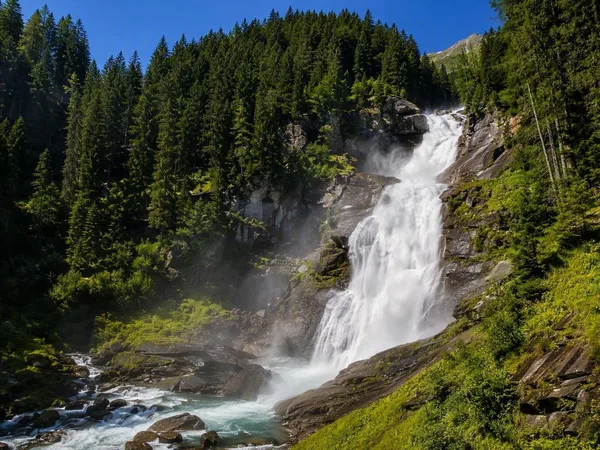
A great waterfall needs more than height or brute force. It needs a public route that lets people grasp its scale, whether from the bank, a platform, behind the water or across a gorge. This ranking weighs practical access alongside the force of the river and the landscape around it.

Seven European train routes where the railway is the destination
Article

Seven European train routes where the railway is the destination

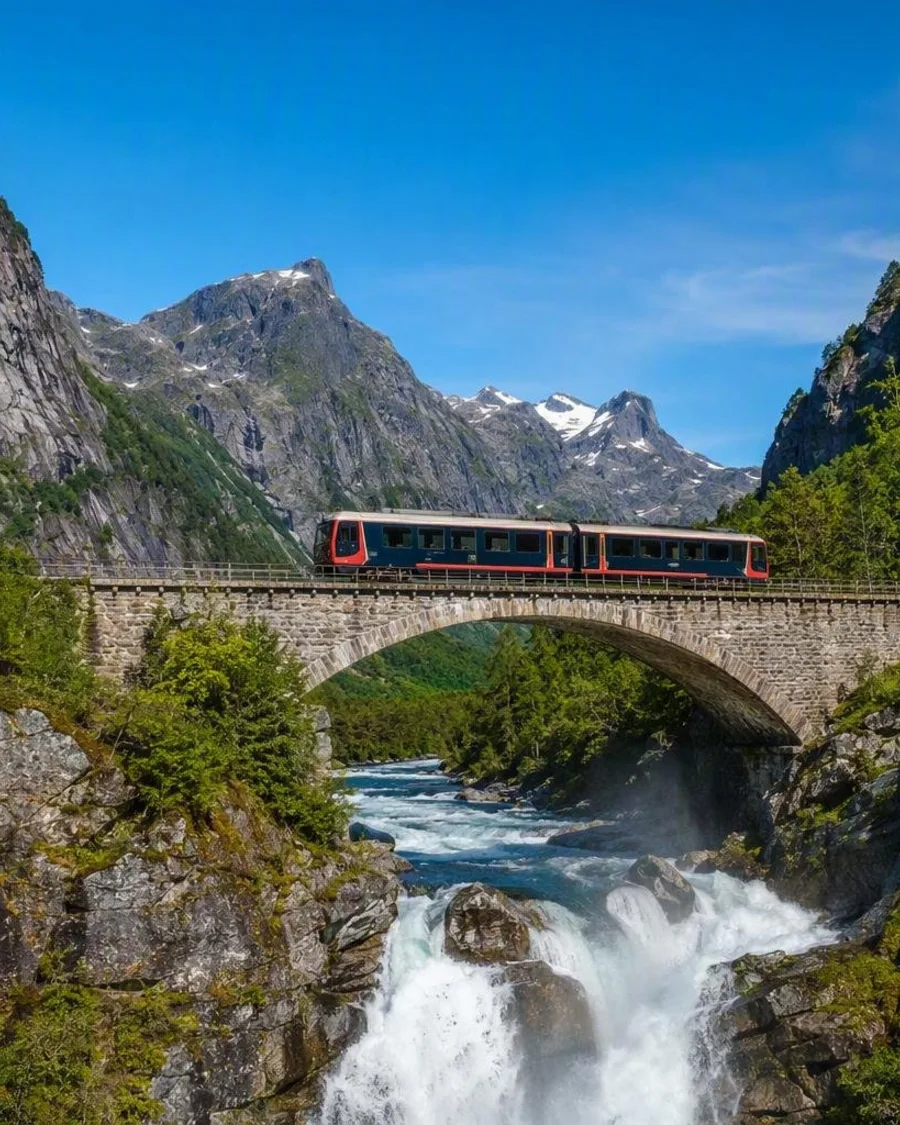
Above Vermafossen, a regular train crosses the stone Kylling Bridge before dropping between the rock walls of Romsdal. These seven lines put landscape, railway construction and ordinary public transport in the same frame.