
Neighbourhood · Austria
Spittelberg
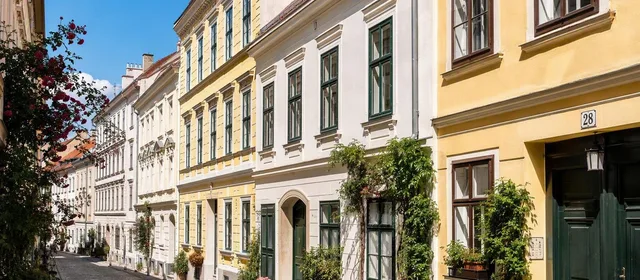
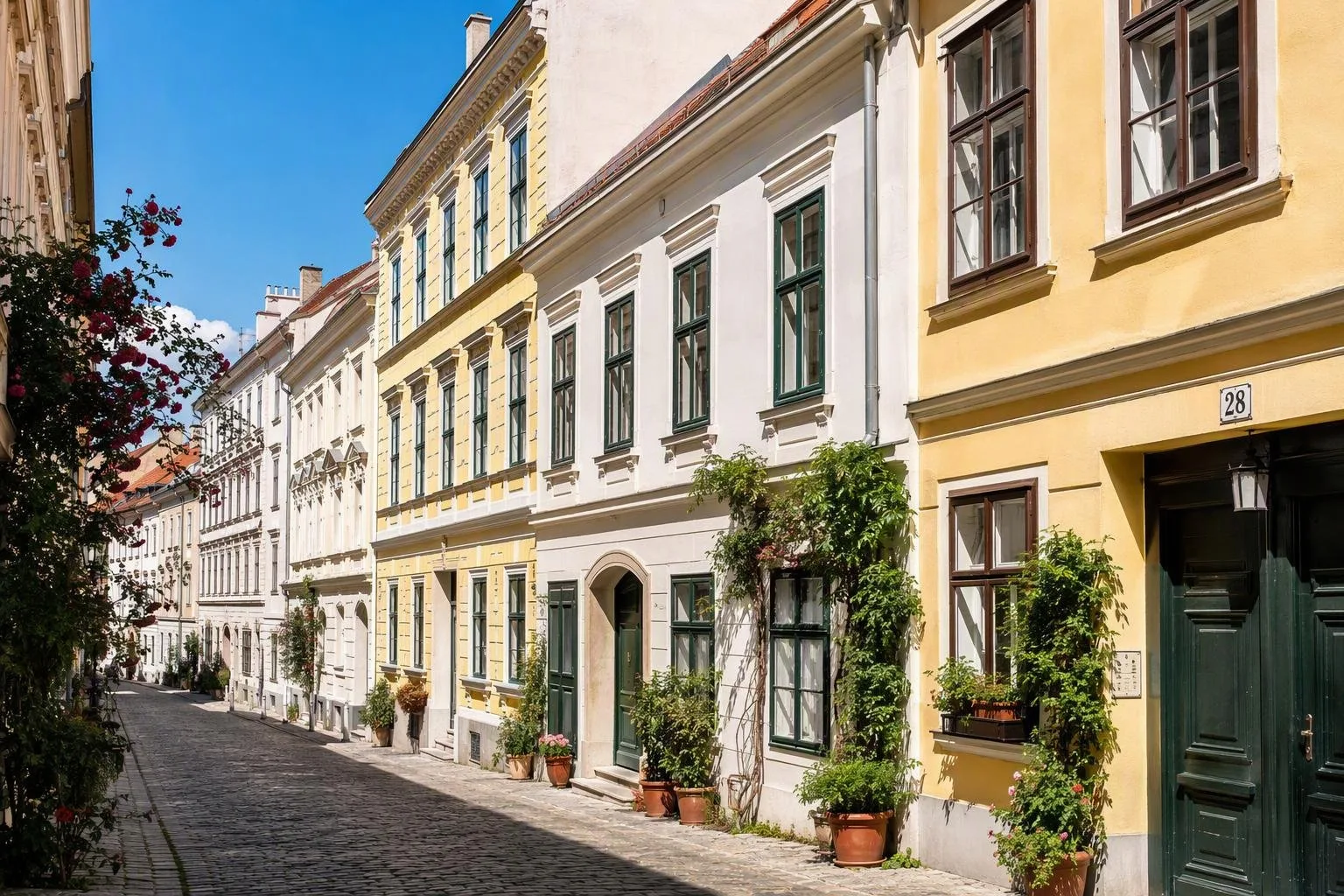
Spittelberg is the compact historic quarter in Vienna’s 7th district, Neubau, immediately behind the MuseumsQuartier. Its narrow lanes preserve the scale of a former Baroque suburb, with Biedermeier houses, courtyards, small shops and places to eat.
Orientation
Spittelberg occupies the small-grain streets between the MuseumsQuartier and the western side of Neubau. It was an independent suburb until 1850 and has formed part of the 7th district since 1861. The essential walking ground is Spittelberggasse and Gutenberggasse, with short links towards Breite Gasse, Stiftgasse and Burggasse.
This is not a monument precinct with a single entrance or ticket. It is a lived-in neighbourhood; the reward is in its street pattern, façades and courtyards rather than a checklist of sights.
Why it looks different
The Bürgerspital’s land was divided into small building plots from 1675. Dense development followed: by the 18th century, houses were pressed into a tight lane system with little room for gardens or yards. That history still explains the close-set, low-rise proportions.
After destruction during the 1683 siege of Vienna, rebuilding from about 1695 used small parcels again. Baroque character remains particularly clear on Spittelberggasse and Gutenberggasse, although later 19th-century buildings stand among it. Look for restrained façades, irregularly short frontages and gateways opening into private or semi-private inner courts.
A useful walk
Enter from the MuseumsQuartier side via Breite Gasse, then take Spittelberggasse northwards and return through Gutenberggasse. It is a short route, but allow time to stop at shopfronts and look through open gates without treating residential courtyards as public attractions.
Amerlinghaus, at Stiftgasse 8, is worth a detour for its long rectangular courtyard, external galleries and open stairways. The threatened building became the focal point of preservation protests in 1975; it later opened as a cultural and communication centre. The wider campaign stopped clearance plans and helped establish Spittelberg as a landmark case in Vienna’s conservation history.
Shops, food and seasonal character
Ground floors now mix cafés, restaurants, galleries, studios and independent retailers. Browse by day if the small shops are the point; individual businesses and cultural venues set their own hours. The historic fabric is the constant, while tenants change.
In the pre-Christmas period, the lanes host the Spittelberg Christmas market. Expect the quarter to be far more crowded than on an ordinary weekday; it is an event overlay, not the best time to read the architecture at a relaxed pace.
Getting there and moving around
Volkstheater (U2 and U3) is the most practical rail arrival; tram 49 and bus 48A also serve the area nearby. MuseumsQuartier station on U2 is another easy approach. From either station, walk rather than drive: the quarter is compact and its lanes are best handled on foot.
Wear shoes with grip. Cobbles and uneven surfaces are part of the experience, while private gates and courtyards may be closed. Keep to public passages unless a venue clearly invites entry.
From the magazine
Stories about Spittelberg
Editorial stories linked directly to Spittelberg.
No stories about Spittelberg have been published yet.
Routes from our editors
Travel through Spittelberg
Editorial routes connecting Spittelberg with other countries, cities and hotspots.
No routes through Spittelberg have been published yet.
More in Austria
Related hotspots
Other cities, nature areas and places within Austria.
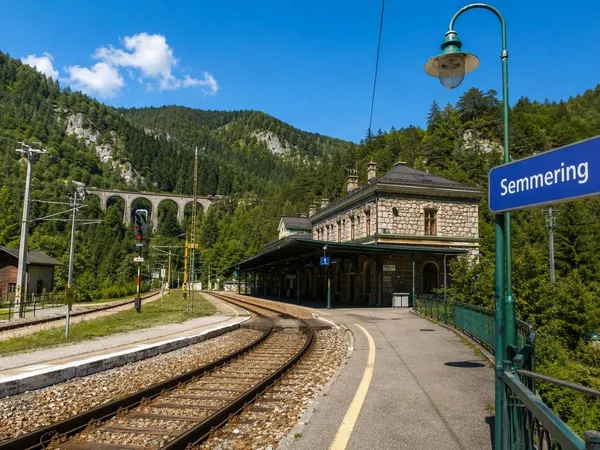
Semmering
1 linked stories and routes
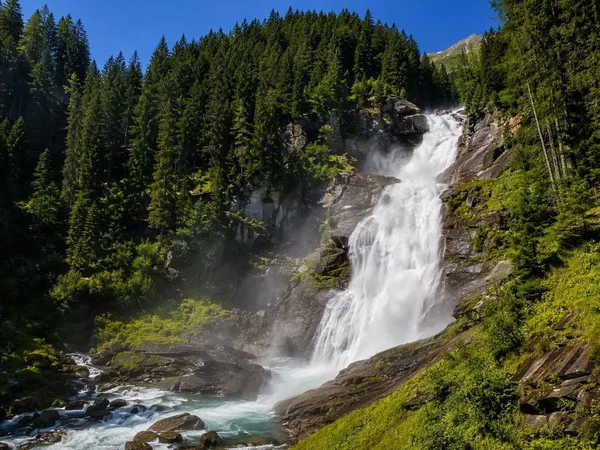
Krimml Waterfalls
1 linked stories and routes
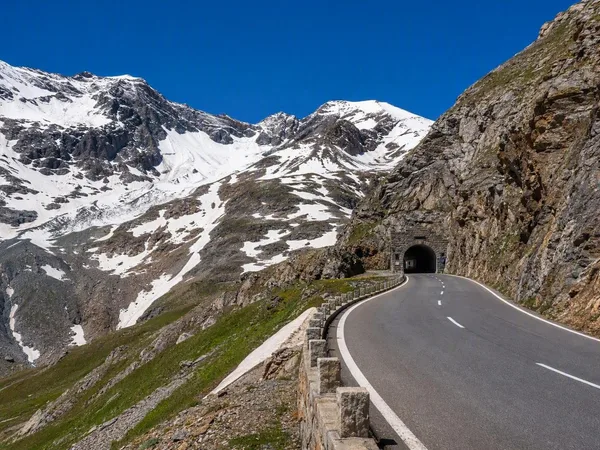
Grossglockner Hochalpenstrasse
1 linked stories and routes
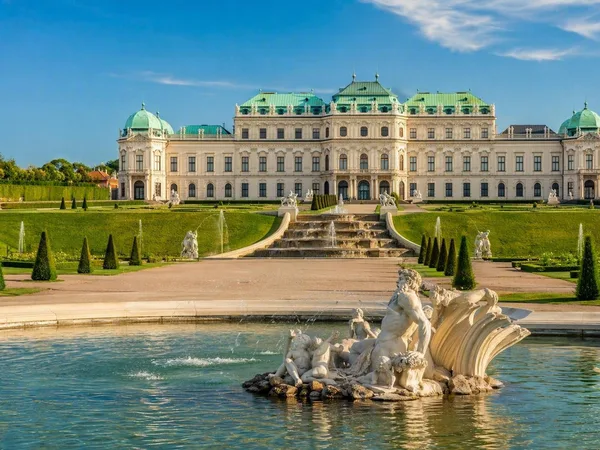
Vienna
1 linked stories and routes
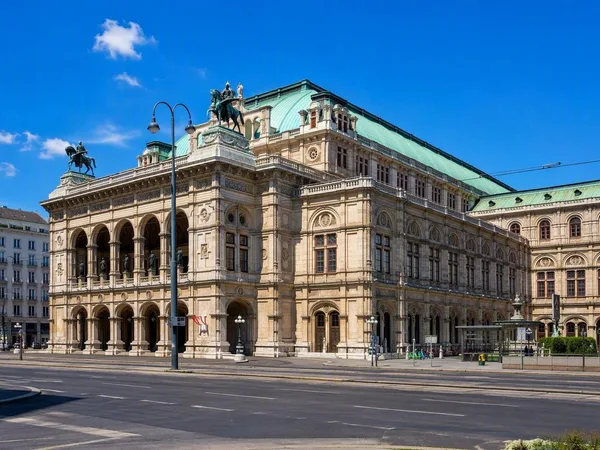
Vienna
1 linked stories and routes
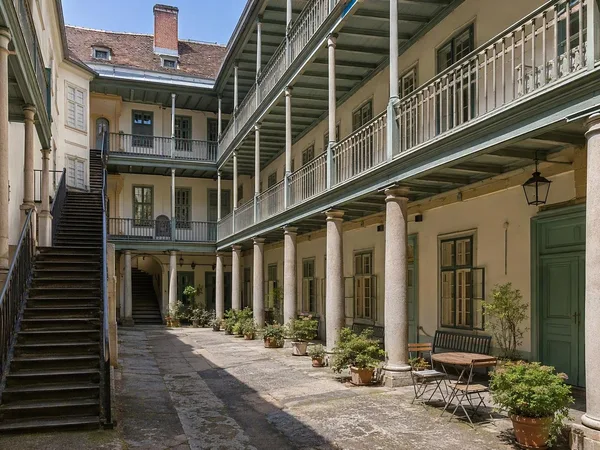
Neubau, Vienna’s 7th District
1 linked stories and routes
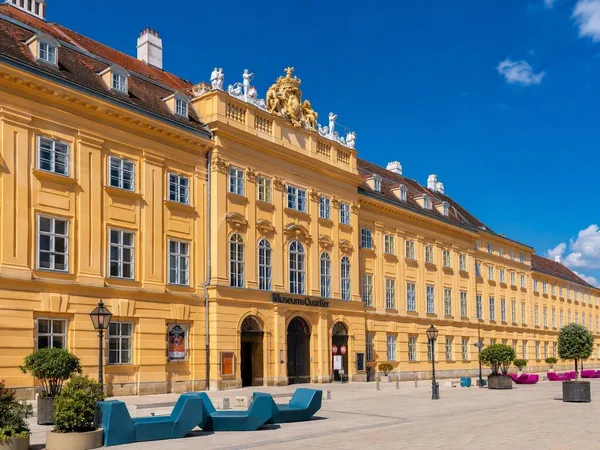
MuseumsQuartier, Vienna
1 linked stories and routes
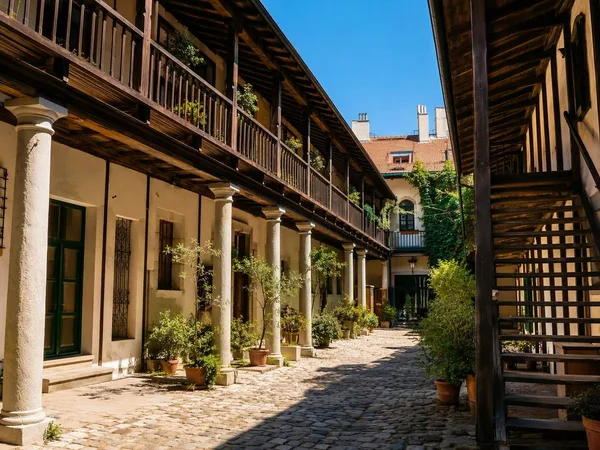
Amerlinghaus
1 linked stories and routes
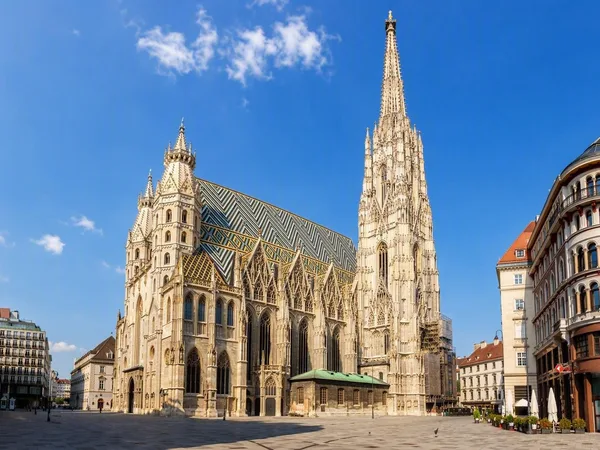
Vienna
0 linked stories and routes