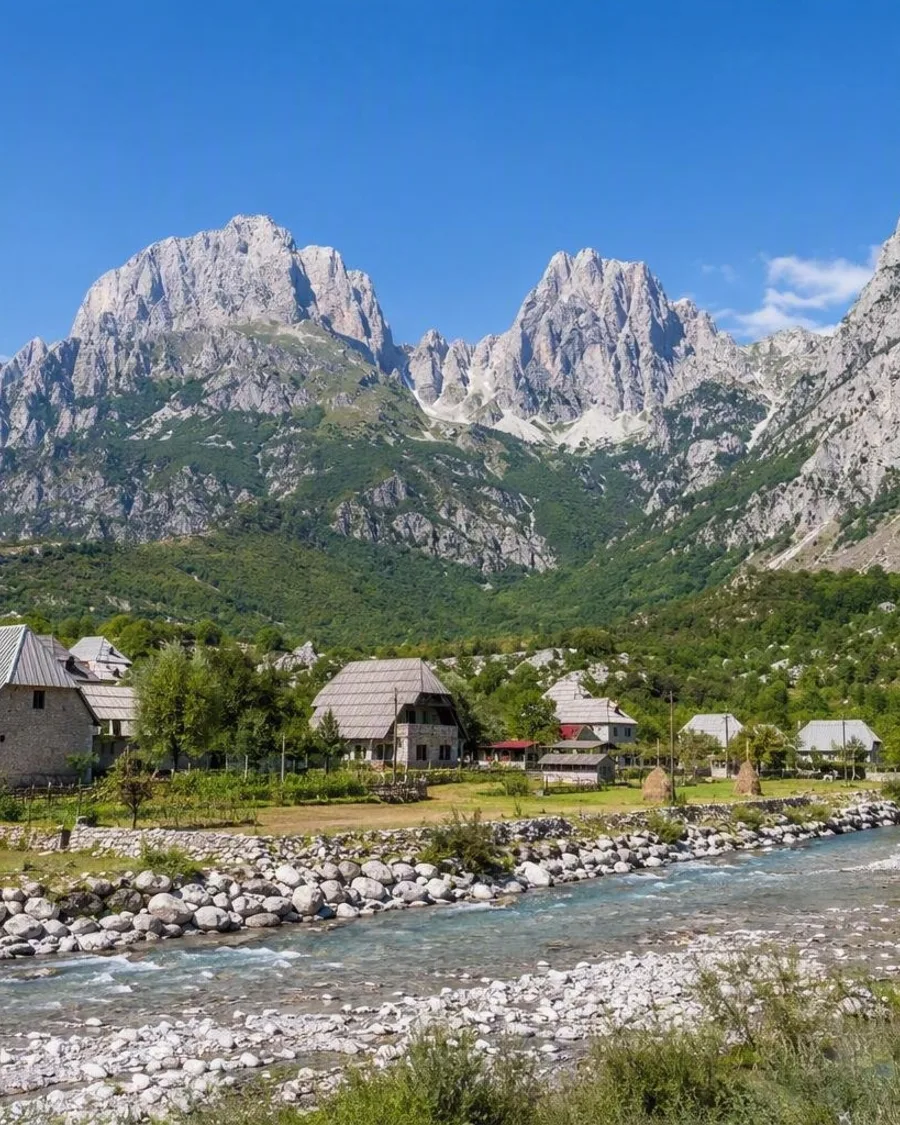
Look beyond Albania’s beaches and you find a country that changes fast over short distances. Limestone slopes drop to the Ionian coast in the south, while shepherds take livestock to summer pastures below the peaks of the Albanian Alps. River valleys cut through olive groves, and old towns still show the marks of Ottoman rule, Italian ties and decades of communist isolation. Roads that once carried goods between Adriatic ports and inland markets now link the coast, mountain passes and historic centres in a few hours.
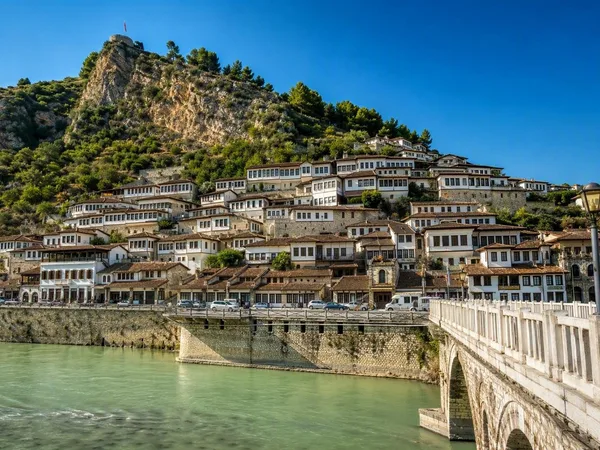
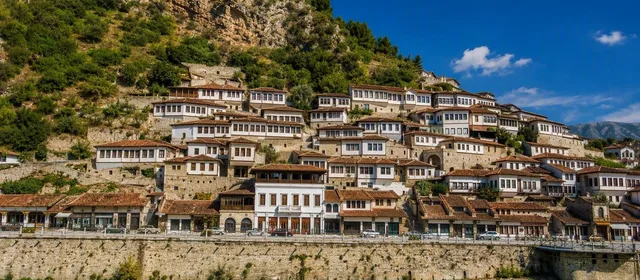
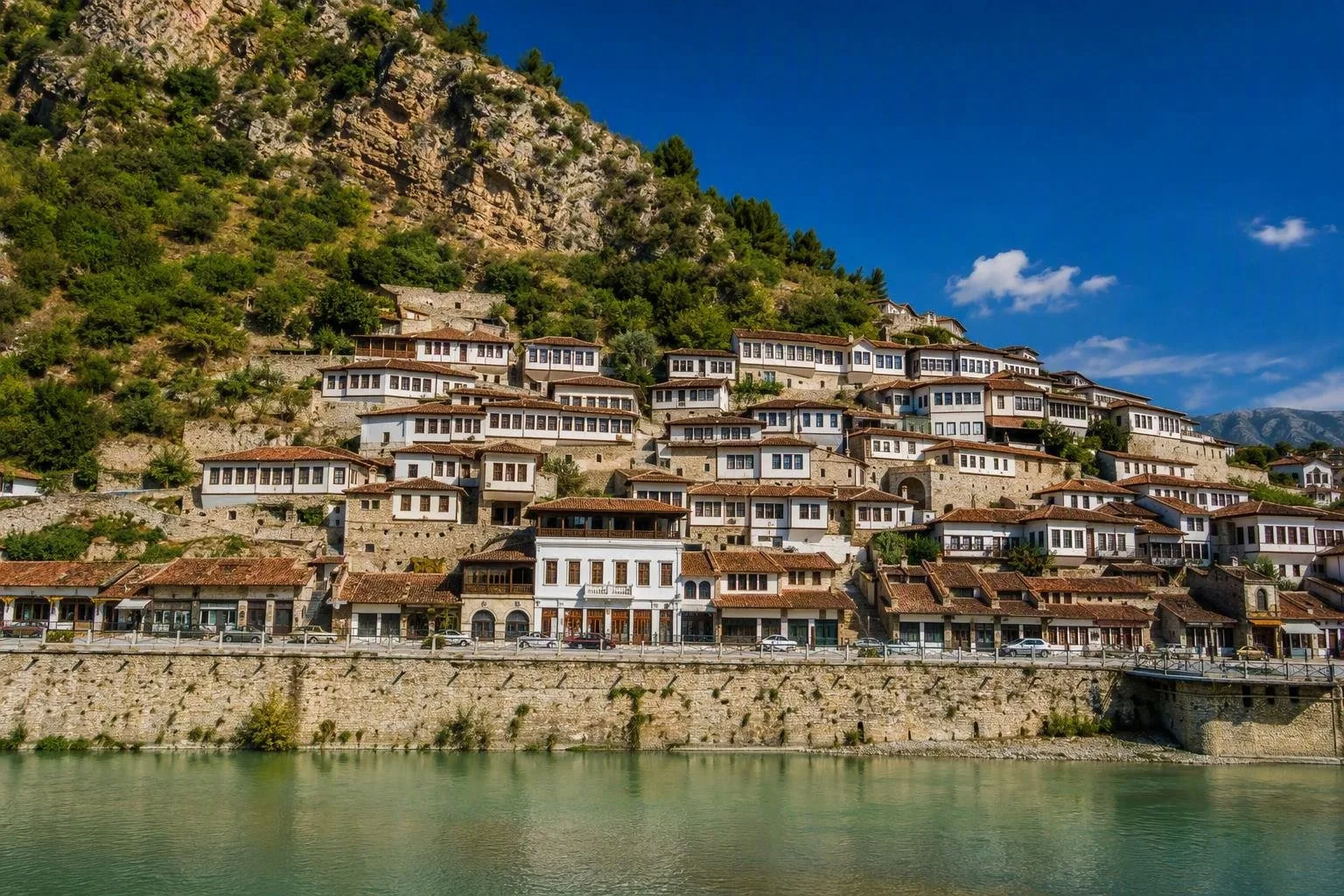
In Berat, rows of white Ottoman-era houses climb the hillside above the Osum River. Families still live inside the citadel walls above the town. Gjirokastër has steep cobbled streets, stone houses with slate roofs and a fortress above the Drino Valley. Each town has its own setting, but both show the wealth and craft of Ottoman-era households.
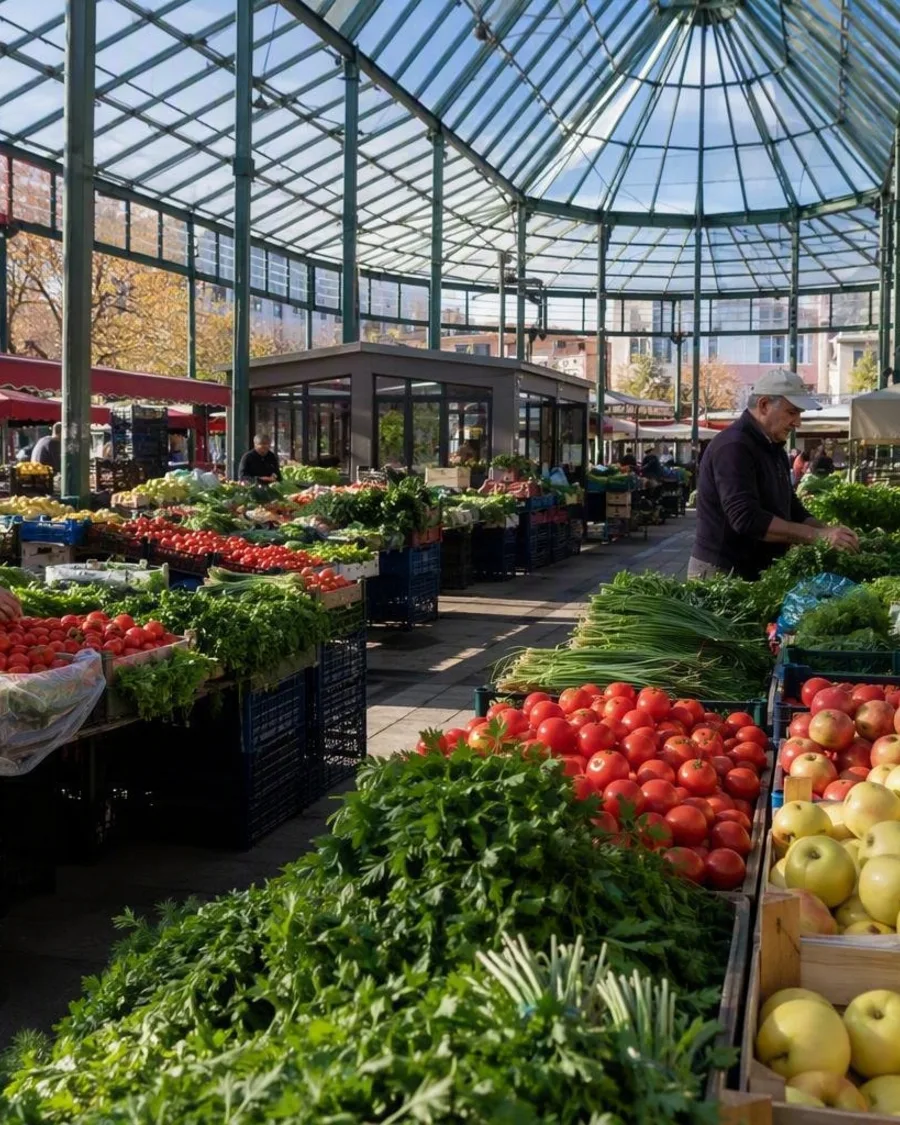
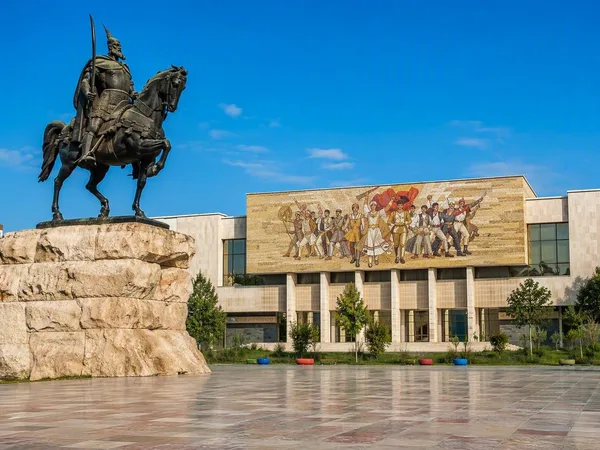
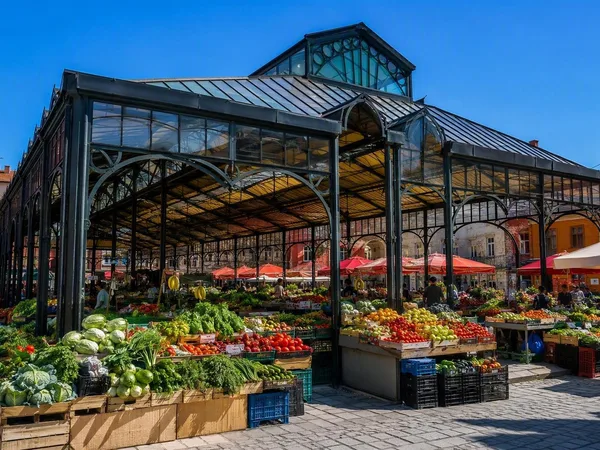
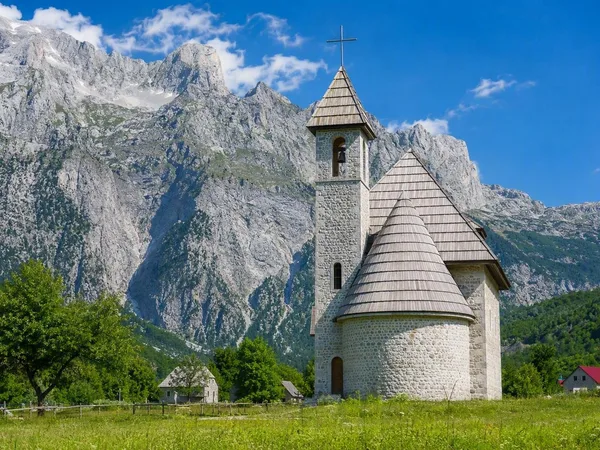
Tirana looks different again. Painted apartment blocks, packed cafés and museums near Skanderbeg Square trace the capital’s rapid changes since the end of communist rule. In the north, the route past Lake Koman leads towards valleys such as Theth, where stone houses stand beneath high ridges. Coastal kitchens serve grilled fish and seafood; inland tables bring byrek, lamb, beans, peppers and soft white cheese. Take time for more than one stop, and Albania gives you plenty of reasons to stay a little longer.