Sri Lanka

Tea hills, temple cities and Indian Ocean shores

Sri Lanka

Sri Lanka packs ancient capitals, tea country and tropical coasts into one compact island.

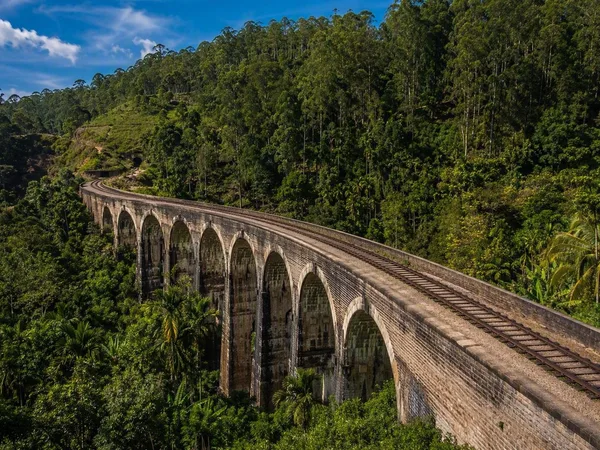
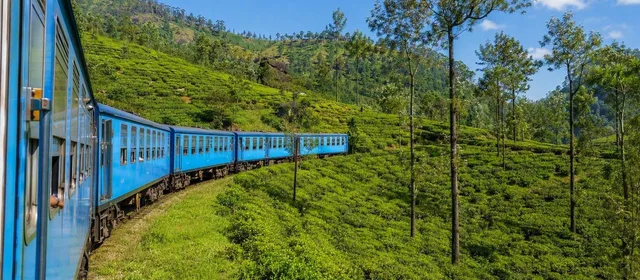
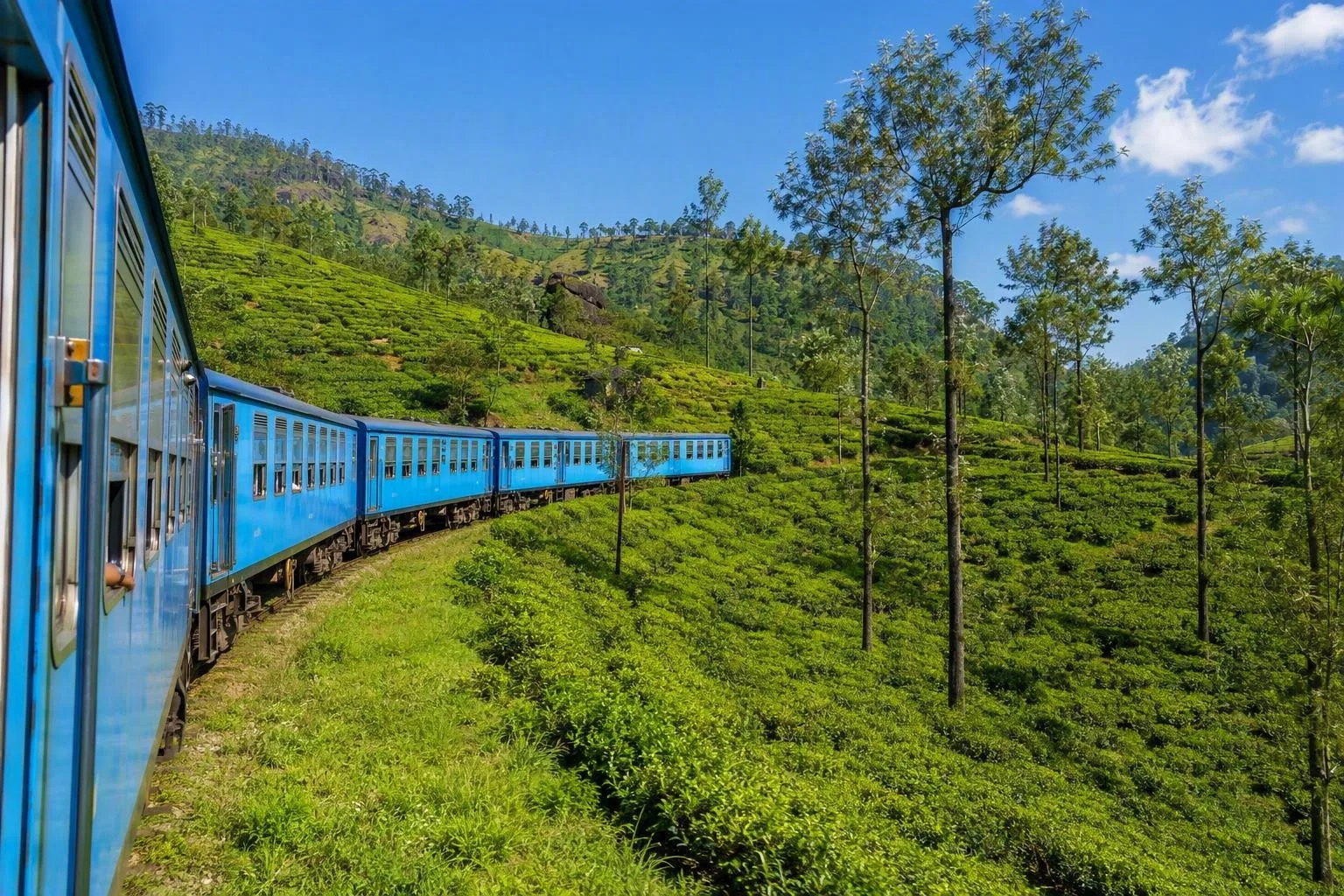
Sri Lanka makes sense when you look beyond the famous hill-country train. Tea bushes run across the slopes near Hatton and Nuwara Eliya, with cloud forest above the estates. North of the highlands, the ground levels out and the air turns drier. At Anuradhapura, brick stupas rise beside reservoirs built for an ancient capital more than two thousand years ago. The island’s short distances bring these sharply different places within reach of one another.

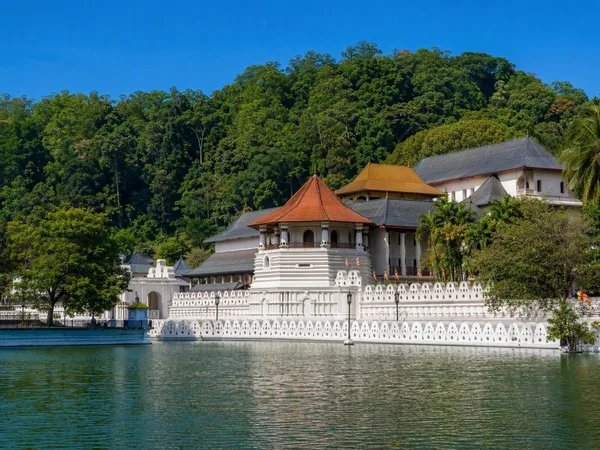
British planters built the hill-country railway to move coffee, then tea, to Colombo. Passenger trains now pass small stations, vegetable plots and estates where workers pick tea by hand. In Kandy, worshippers queue at the Temple of the Tooth while the city’s lake sits below wooded hills.

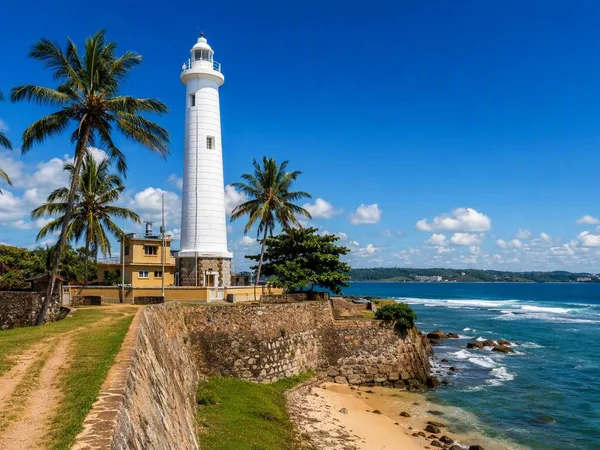
On the south coast, fishing towns and wide beaches face the Indian Ocean. Inside Galle Fort, Portuguese, Dutch and British rule left churches, warehouses and narrow streets. Rice, coconut, lime, chilli and spices shape meals across the island. Crisp-edged hoppers appear at breakfast; curries may contain jackfruit, dhal, fish or beetroot. Colombo adds markets, mosques, kovils and old commercial buildings to the picture. Give Sri Lanka time beyond a single beach or train ride, and its daily life becomes as memorable as its headline sights.

When to go

Best time to travel

Monthly values are indicative average maximum temperatures for Colombo and the southwest coast. The central highlands are cooler, while rainfall and the best travel periods vary between the southwest, northeast and dry-zone regions. Monthly values are indicative average maximum temperatures for Colombo and the southwest coast. The central highlands are cooler, while rainfall and the best travel periods vary between the southwest, northeast and dry-zone regions.

jan31°C feb31°C mar32°C apr32°C may31°C jun30°C jul30°C aug30°C sep30°C oct30°C nov30°C dec30°C

Weather in the capital

Practical Sri Lanka

On every country page we show the current weather for the capital.

Sri Jayawardenepura Kotte; Colombo is the main commercial centre
Morning27°Cdrizzle
Afternoon30°Covercast
Evening27°Cdrizzle
today30°C / 24°Chigh and low

Current forecast by Open-Meteo

Getting around

Trains link Colombo with Kandy, the hill country, Jaffna and major coastal towns. Public buses reach smaller places but can be crowded. Tuk-tuks and cars with drivers are common options for rural trips.

Paying in Sri Lanka

Cash is useful for markets, tuk-tuks and small businesses. ATMs are common in cities and tourist centres. Larger hotels, restaurants and shops usually accept cards.

Where to stay

Accommodation ranges from family-run guesthouses and beach hotels to restored colonial houses, tea-estate bungalows and national-park lodges. Popular coastal and hill-country properties can book up early during busy periods.

Before you leave

Worth knowing

A practical starting point for your trip. Check current conditions and local information before you leave.

01

Languages

Sinhala and Tamil are the official languages. English is common in hotels, restaurants, transport hubs and many urban businesses.

02

Calling code

Sri Lanka’s international calling code is +94. Local numbers usually begin with 0; omit the initial 0 when calling from abroad.

03

Driving side

Traffic keeps to the left. Cars have right-hand drive, and vehicles overtake on the right.

04

Measurements

Sri Lanka uses the metric system. Distances are shown in kilometres, fuel in litres and temperatures in degrees Celsius.

05

Tipping

Some hotels and restaurants add a service charge. Where none appears, modest tips are common for good service. Porters and drivers usually receive small amounts.

06

Eating customs

Many Sri Lankans eat rice and curry with the fingers of the right hand. Use the right hand to eat or pass food, and wash your hands before and after a meal.

07

Temple etiquette

Cover your shoulders and knees at Buddhist and Hindu temples. Remove shoes and hats before entering sacred areas. Do not pose with your back directly facing a Buddha image.

08

Poya days

Each full moon is a public holiday known as Poya. Banks and public offices may close, and shops, hotels and restaurants generally do not sell alcohol that day.

09

Mobile connection

Major operators sell local prepaid SIM cards and data packages. Registration normally requires a passport. Coverage is strongest in towns and along main routes.

10

Train reservations

Selected trains and classes have reserved seats, which can sell out quickly on popular hill-country services. Stations usually sell unreserved tickets for travel that day.

11

Tuk-tuks and ride-hailing

Ride-hailing apps operate mainly in Colombo and other larger towns. For a street-hailed tuk-tuk, use the meter where available or agree the fare before leaving.

12

Business hours

Many shops open from about 9am to 7pm, often later in busy areas. Banks and government offices generally keep weekday daytime hours and may close on public and Poya holidays.

Cities and hotspots

Places worth saving

From city to nature reserve: places with stories, facts and tips.