
Region · Sri Lanka
Jaffna Peninsula
The Jaffna Peninsula is Sri Lanka’s low, dry northern tip: a Tamil cultural region of limestone farmland, lagoons, Hindu temples and offshore islands. Use Jaffna city as the practical base for exploring the peninsula and its ferry-linked islands.
Orientation
The Jaffna Peninsula projects into the Palk Strait at the northern end of Sri Lanka. It is almost entirely flat, with palmyra palms, red-soil cultivation, fishing lagoons and a coastline never far away. Jaffna city sits on the peninsula’s south-western side and is the sensible base for accommodation, food and transport.
The underlying limestone shapes daily life. Rain from the northeast monsoon recharges groundwater held in the rock; the freshwater lens supports wells and intensive cultivation, while coastal soils become saline. Red onions, chillies, potatoes, pulses, bananas, grapes and vegetables are staples of the agricultural landscape.
Start in Jaffna city
Build the first day around three landmarks:
- Nallur Kandaswamy Kovil: a major Murugan temple with a golden Dravidian gateway tower. It is an active place of worship, not a museum.
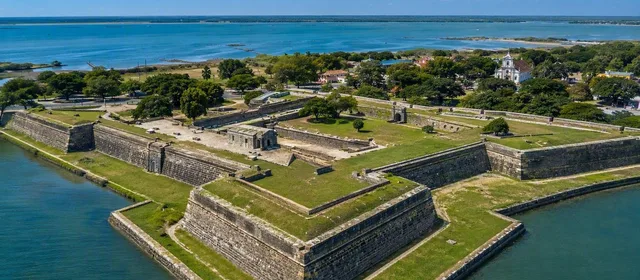
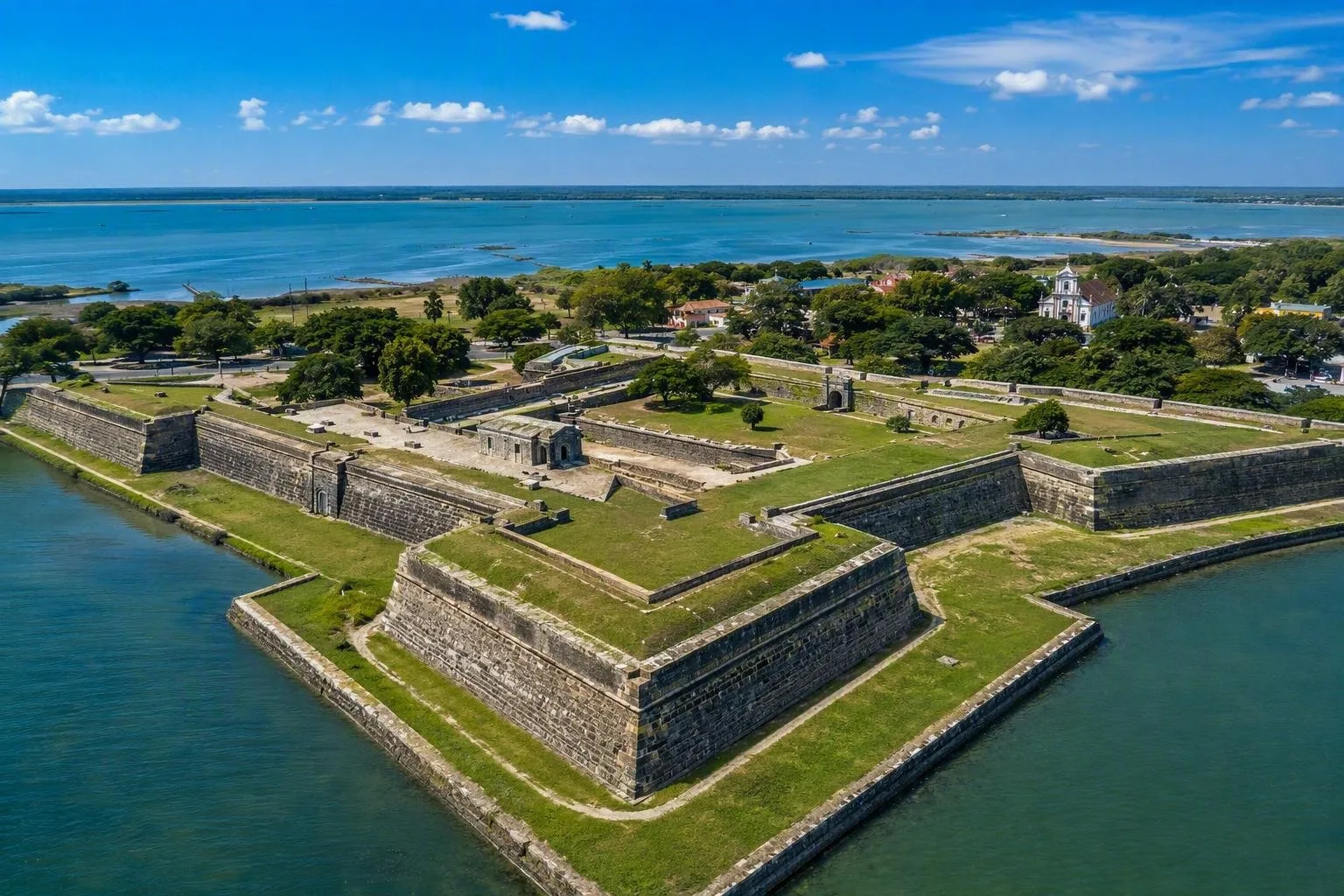
- Jaffna Fort: Portuguese in origin and greatly expanded by the Dutch. Walk the star-shaped ramparts for lagoon views and look for surviving colonial structures within the walls.
- Jaffna Public Library: the rebuilt white landmark near the fort, central to the city’s cultural memory.
At the kovil, remove footwear, cover shoulders and legs, and follow photography restrictions. Men may be required to remove shirts in the inner precinct. The 25-day Nallur festival, held around July and August, brings major processions and heavy demand for rooms and transport.
Peninsula routes
The flat roads make the peninsula suited to a bicycle, tuk-tuk or hired car. Keep routes focused rather than trying to cover every coast in one day.
North and east: drive through farming settlements and fishing villages toward Point Pedro, the country’s northernmost point. Combine it with a coastal stop rather than treating it as a standalone attraction.
West and islands: causeways lead towards Kayts and the ferry departure area at Kurikadduwan. Nainativu is a pilgrimage island with the Nagapooshani Amman Temple and Nagadeepa Purana Viharaya. Delft (Neduntheevu) is a longer island day: expect open, dry ground, coral-stone walls, Dutch-era remains and free-roaming ponies.
Ferry services are working transport, not timed excursions. Confirm departures locally before committing a day, and carry water and cash for remote islands.
Food and markets
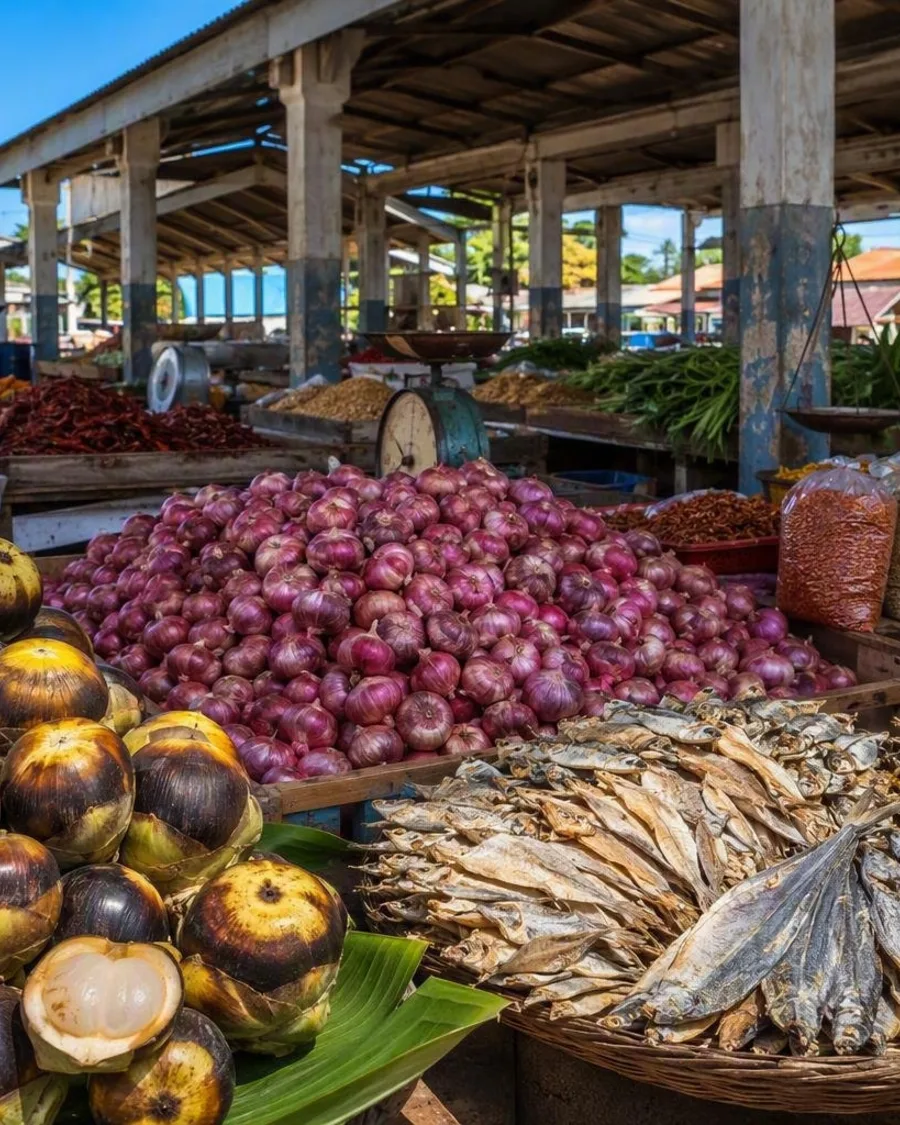
Jaffna cooking is direct, spice-led and closely tied to the peninsula’s farms, sea and palmyra palms. Look for crab curry, seafood, dosai, pittu, dried fish, palmyra sweets and jaggery. Ask about chilli level before ordering: local preparations can be forceful.
Visit Jaffna Market in the morning for produce, dried goods, flowers and palmyra products. It is the clearest introduction to the food economy behind the restaurants.
Weather and pace
Most rain falls from October to December with the northeast monsoon. The drier months suit road loops and island travel, but heat and sun remain serious throughout the year. Start outdoor visits early, use the middle of the day for meals or indoor stops, and leave enough time for the peninsula’s distances and ferry connections.
From the magazine
Stories about Jaffna Peninsula
Editorial stories linked directly to Jaffna Peninsula.
Routes from our editors
Travel through Jaffna Peninsula
Editorial routes connecting Jaffna Peninsula with other countries, cities and hotspots.
No routes through Jaffna Peninsula have been published yet.
More in Sri Lanka
Related hotspots
Other cities, nature areas and places within Sri Lanka.
Kandy
1 linked stories and routes
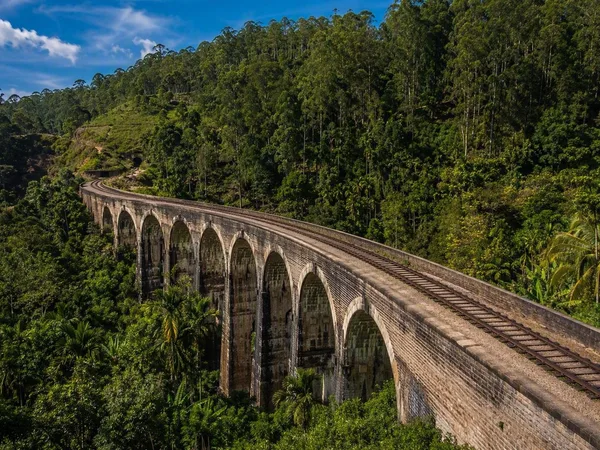
Ella
1 linked stories and routes
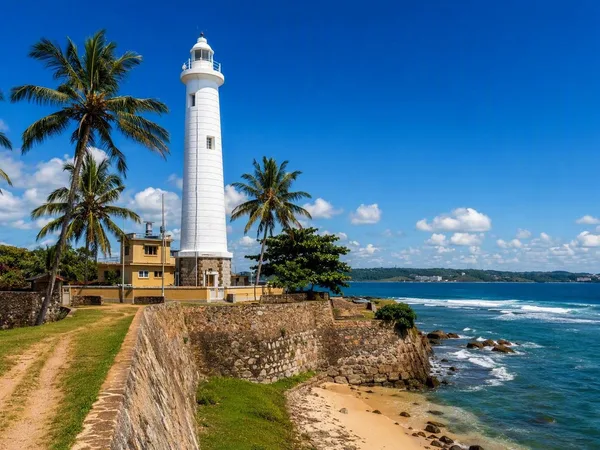
Galle
1 linked stories and routes
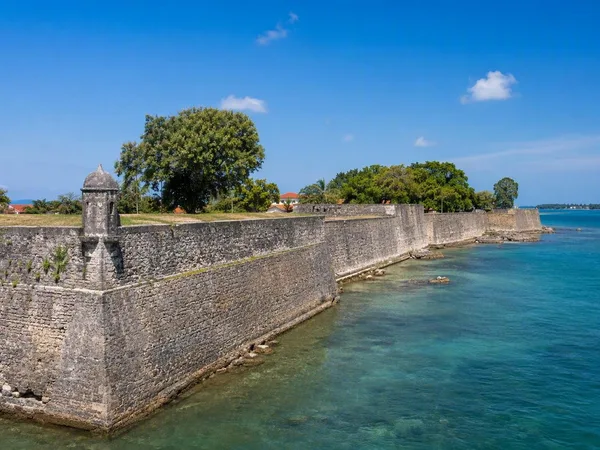
Jaffna
1 linked stories and routes
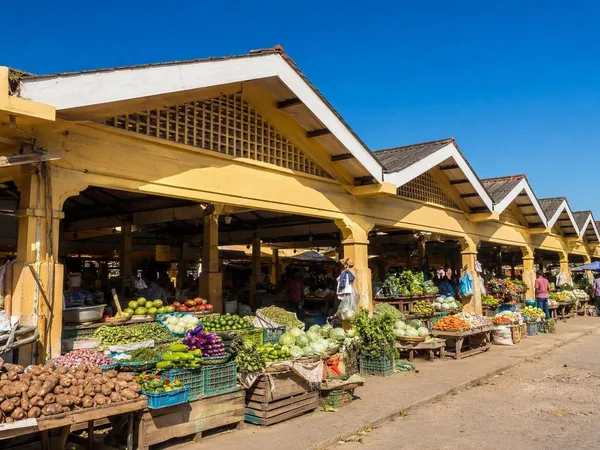
Jaffna Municipal Market
1 linked stories and routes
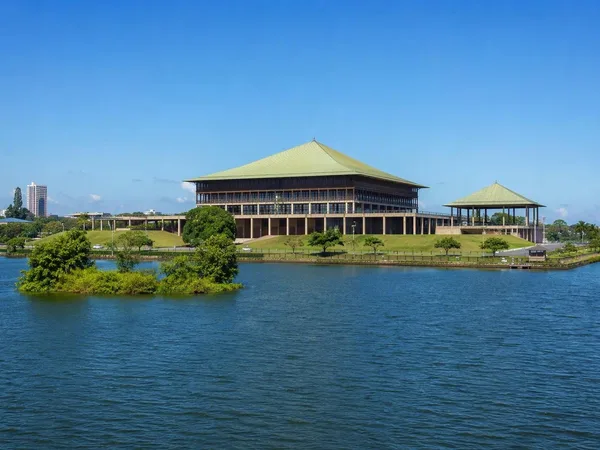
Sri Jayewardenepura Kotte
1 linked stories and routes
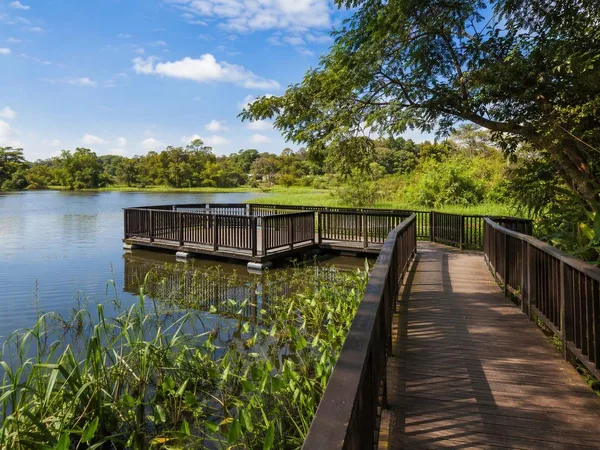
Beddagana Wetland Park
1 linked stories and routes
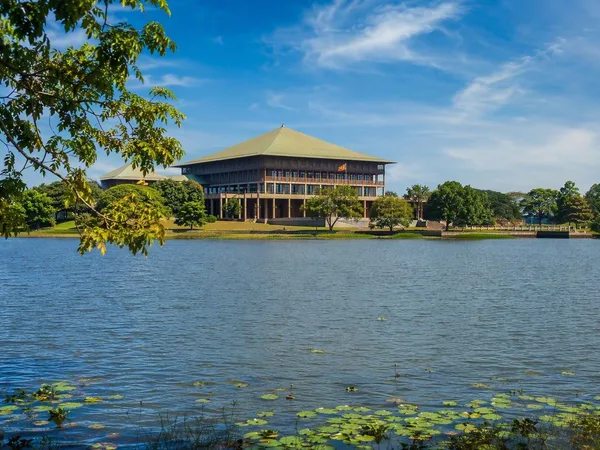
Diyawanna Oya
1 linked stories and routes
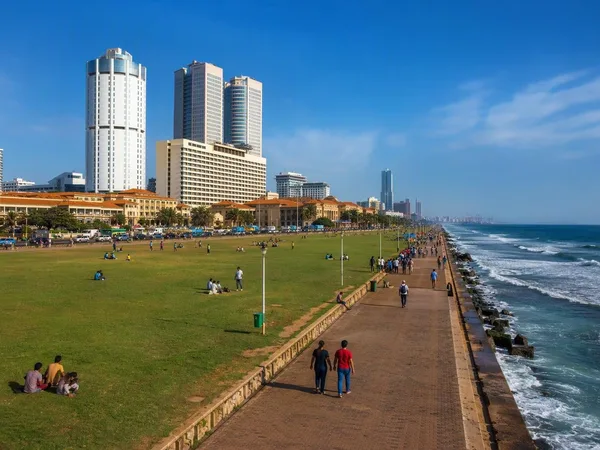
Colombo
1 linked stories and routes