
City · Sri Lanka
Colombo
Colombo is Sri Lanka’s commercial capital and principal port on the island’s west coast. Its compact centre links colonial-era Fort, the market streets of Pettah, Buddhist sites, museums and the Indian Ocean waterfront.
Get your bearings
Colombo is a working capital-city area rather than a single historic precinct. Fort is the old port and business core; immediately east, Pettah is the dense trading district. South of Fort, Beira Lake, Slave Island and Galle Face connect central sights; Cinnamon Gardens holds the National Museum, Viharamahadevi Park and Independence Memorial Hall.
Plan around traffic, heat and rain. Short walks work well within a neighbourhood, but crossing the city can take time. Start early, use the middle of the day for a museum or a long lunch, and return to the waterfront late in the afternoon.
Fort and Pettah
Begin around Colombo Fort station, the rail hub for services south along the coast and inland. Fort retains civic and commercial buildings from the colonial period, though it is now a business district. The former Old Dutch Hospital is a restored low-rise complex of courtyards, restaurants and shops.
Walk east into Pettah for the sharper contrast: a tight grid of streets organised by trade, from fabric and hardware to food and household goods. The red-and-white striped façade of Jami Ul-Alfar Mosque is the district’s clearest landmark.
- Go on a weekday morning for active market streets.
- Keep bags close in the crowds and do not attempt to drive through Pettah.
- Dress modestly for the mosque; access may be restricted around prayer times.
Temples, museum and civic Colombo
Near Beira Lake, Gangaramaya Temple combines shrine spaces, a library and a collection of donated objects. Its lakeside counterpart, Seema Malaka, is a series of meditation pavilions on the water designed by Geoffrey Bawa. Cover shoulders and knees and remove shoes before entering temple spaces.
In Cinnamon Gardens, the National Museum of Colombo provides the essential historical overview, with collections spanning archaeology, royal history and decorative arts. Pair it with the nearby Independence Memorial Hall, built to mark independence in 1948, and the park opposite the museum. These are a more measured counterweight to Fort and Pettah.
The seafront
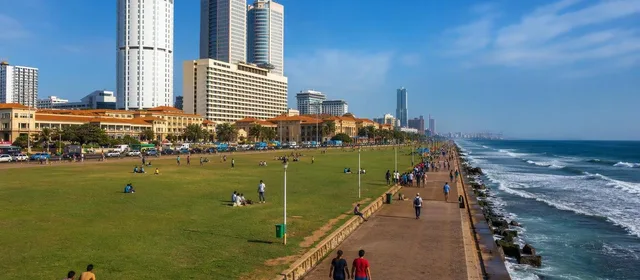
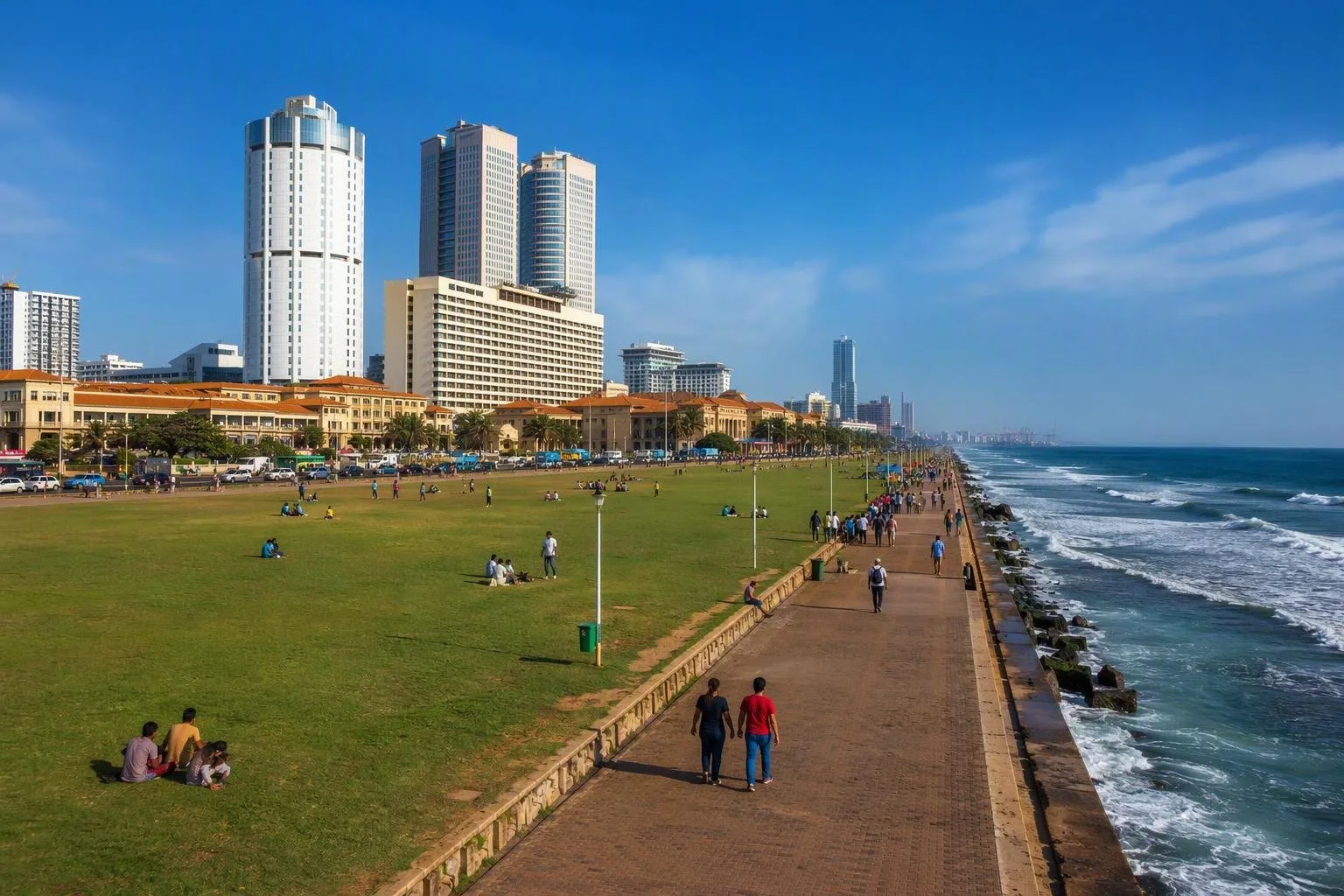
Galle Face Green is Colombo’s long public strip beside the Indian Ocean, between the Fort area and Kollupitiya. It is free and open, and works best in the cooler late afternoon when the breeze arrives. Walk the lawn and promenade, then use the nearby streets for snacks such as kottu or isso wade.
This is a promenade, not a swimming beach. Treat the exposed shore as a place for walking and sea views.
Getting around
Bandaranaike International Airport lies north of the city; road travel time varies significantly with traffic. Colombo Fort is the useful arrival point by train, while buses and three-wheelers cover the city. For cross-city trips, app-booked cars or tuk-tuks make fares clearer than negotiating each ride.
Carry small Sri Lankan-rupee notes for markets, small purchases and transport. Cards are common in hotels, larger restaurants and malls, but less dependable in street markets.
From the magazine
Stories about Colombo
Editorial stories linked directly to Colombo.
No stories about Colombo have been published yet.
Routes from our editors
Travel through Colombo
Editorial routes connecting Colombo with other countries, cities and hotspots.
No routes through Colombo have been published yet.
More in Sri Lanka
Related hotspots
Other cities, nature areas and places within Sri Lanka.
Kandy
1 linked stories and routes
Ella
1 linked stories and routes
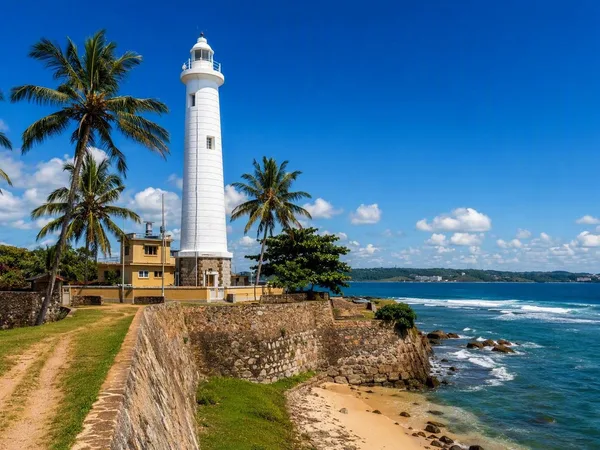
Galle
1 linked stories and routes
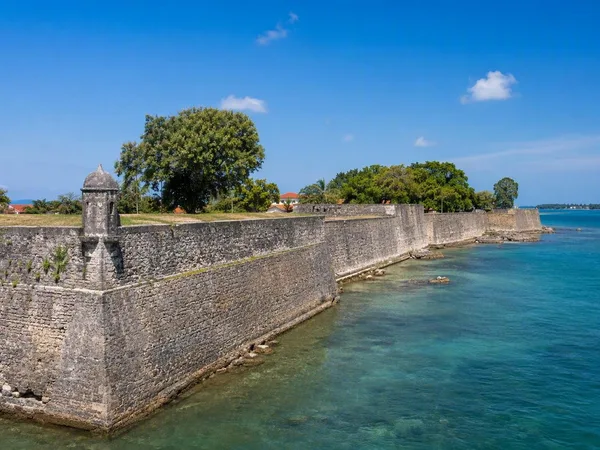
Jaffna
1 linked stories and routes
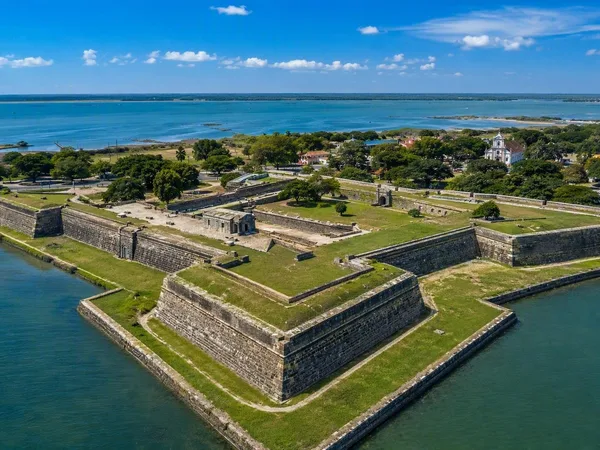
Jaffna Peninsula
1 linked stories and routes
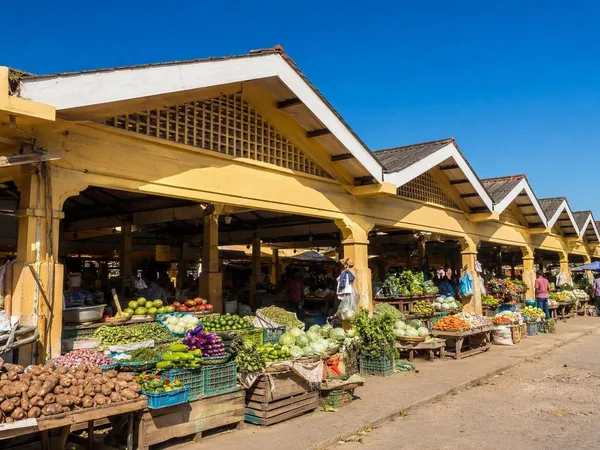
Jaffna Municipal Market
1 linked stories and routes
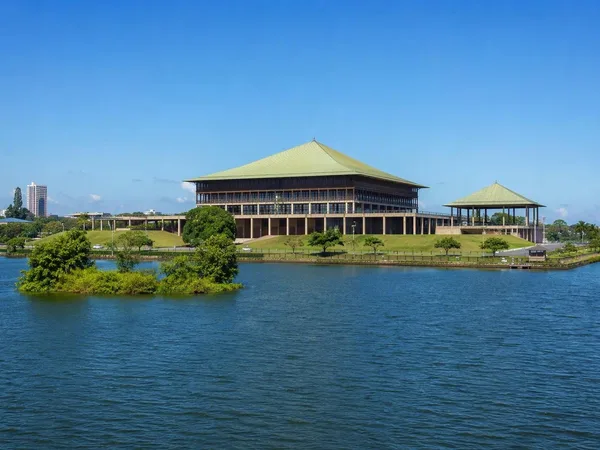
Sri Jayewardenepura Kotte
1 linked stories and routes
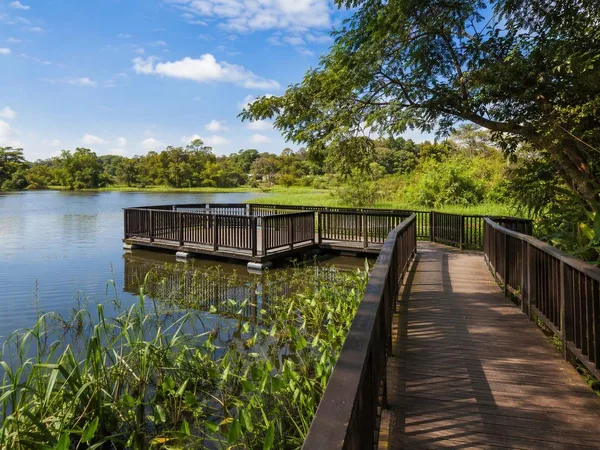
Beddagana Wetland Park
1 linked stories and routes
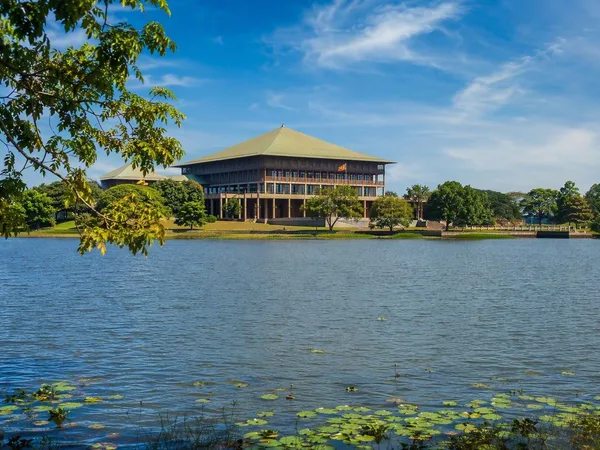
Diyawanna Oya
1 linked stories and routes