
Sight · Japan
Sensō-ji
Sensō-ji is Asakusa’s historic Buddhist temple, dedicated to Kannon and set a short walk from Asakusa Station in eastern Tokyo. Its gates, Nakamise shopping street, pagoda and main hall form the core route through the district.
Why it matters
Sensō-ji is Tokyo’s oldest temple and a working Buddhist place of worship dedicated to Kannon, the bodhisattva of compassion. Temple tradition traces its origin to 628, when two fishermen drew a Kannon image from the Sumida River; a hall was built here in 645.
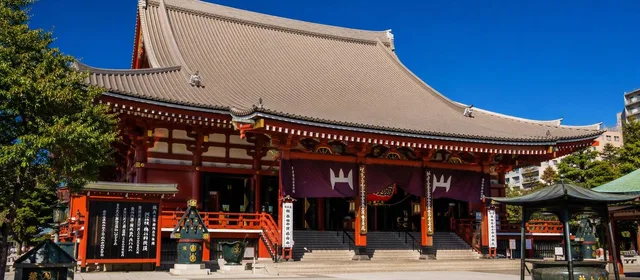
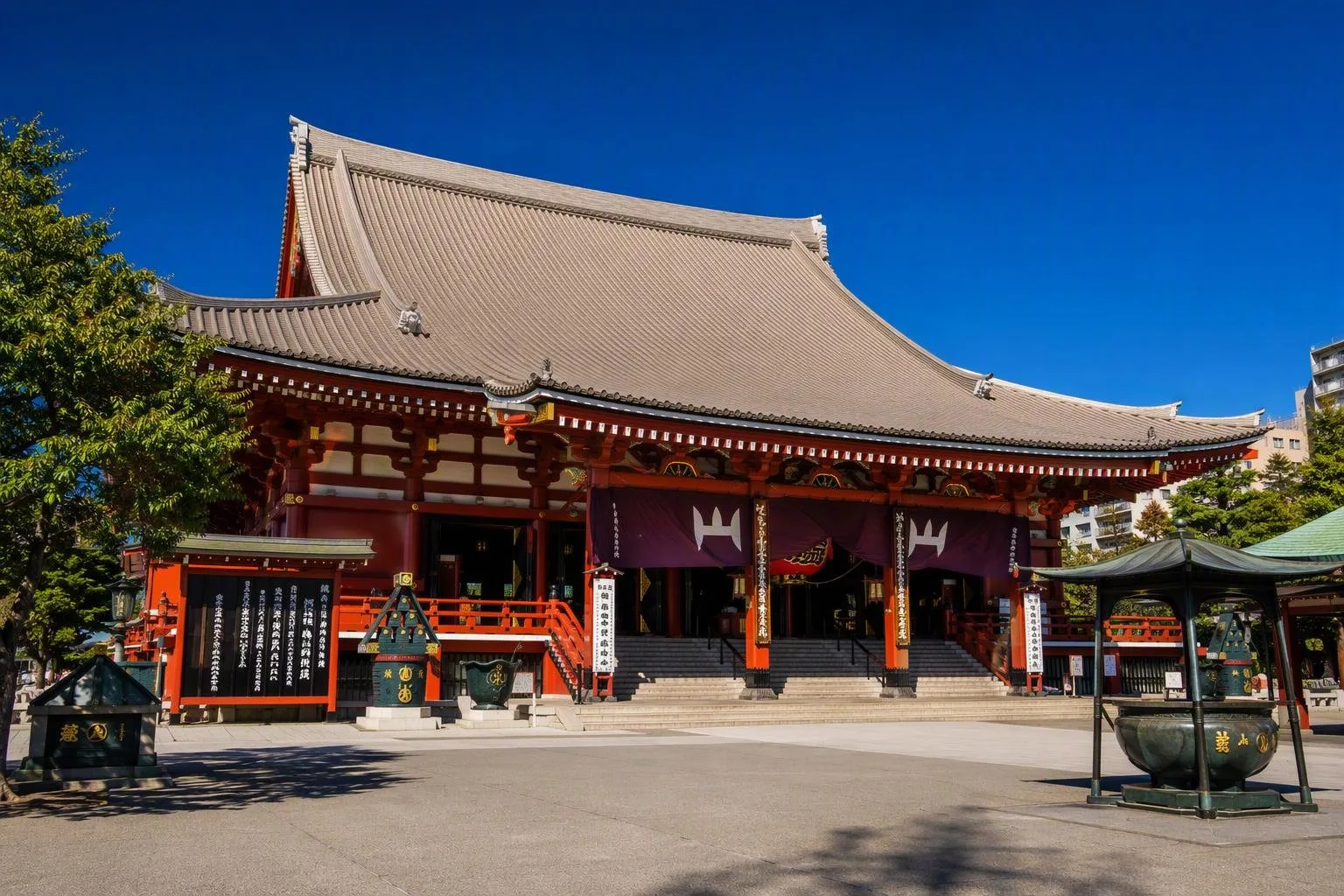
The site anchored the development of Asakusa. Its present major buildings are postwar reconstructions: the precinct was destroyed in the 1945 air raids, then rebuilt with public support. That history explains the direct, robust appearance of the Main Hall beside older temple forms.
The essential route
Enter through Kaminarimon, the Thunder Gate. Its huge red lantern is framed by figures of the wind and thunder gods. Turn around after passing beneath it to see the dragon-tailed guardian figures at the rear of the gate.
Follow Nakamise-dori, the straight shopping approach to Hōzōmon. Around 90 shops sell snacks, crafts and souvenirs; it is useful for a quick snack or a compact gift, but it is not the place to linger if your priority is the temple buildings.
Beyond Hōzōmon, the precinct opens out:
- Main Hall (Hondō): the worship hall and focal point of the complex.
- Five-story pagoda: standing beside the hall, it gives the clearest sense of the temple’s vertical scale.
- Incense burner: in front of the hall; worshippers commonly waft the smoke toward themselves.
Visiting well
This is a religious site, not a museum sequence. Keep voices low around the hall and do not obstruct people who have come to pray. At the offering area, observe the flow of worshippers before joining it. The principal Kannon image is a hidden image and is not displayed.
The precinct has ramps, an elevator and multipurpose toilets. The main hall also has an elevator on the left when facing the building, making it a more manageable historic sight than its gates and busy approach first suggest.
Timing and access
The Main Hall opens 06:00–17:00 from April through September and 06:30–17:00 from October through March. The open precinct is useful outside those hall hours, while the approach shops keep their own schedules.
From Asakusa Station, allow about five minutes on foot from the Tokyo Metro Ginza Line, Tobu Skytree Line or Tsukuba Express. From the Toei Asakusa Line, use exit A4 and walk about five minutes. The temple has no car park.
For a more legible visit, arrive near opening time: Kaminarimon, Nakamise and the courtyard are easier to take in before the shopping street fills. After the temple, the eastern exit leads toward the Sumida River.
From the magazine
Stories about Sensō-ji
Editorial stories linked directly to Sensō-ji.
No stories about Sensō-ji have been published yet.
Routes from our editors
Travel through Sensō-ji
Editorial routes connecting Sensō-ji with other countries, cities and hotspots.
No routes through Sensō-ji have been published yet.
More in Japan
Related hotspots
Other cities, nature areas and places within Japan.
Tokyo
5 linked stories and routes
Kyoto
2 linked stories and routes
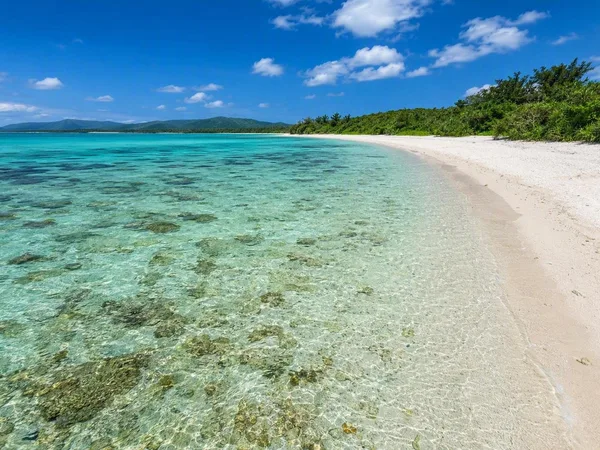
Yonehara Beach, Ishigaki
1 linked stories and routes
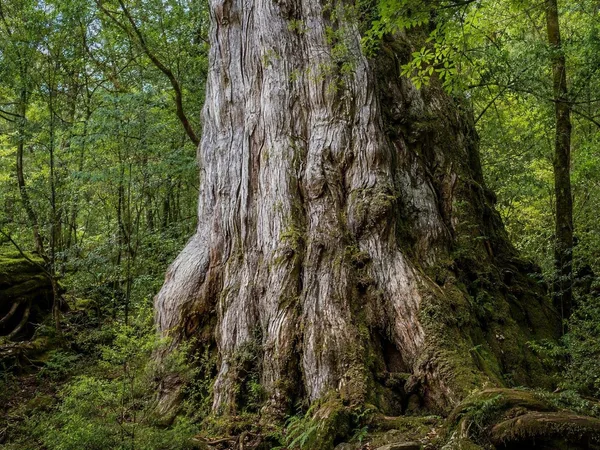
Yakushima
1 linked stories and routes
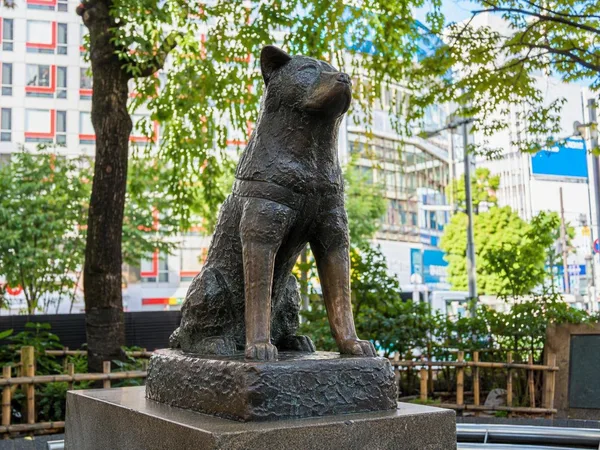
Hachikō Square
1 linked stories and routes
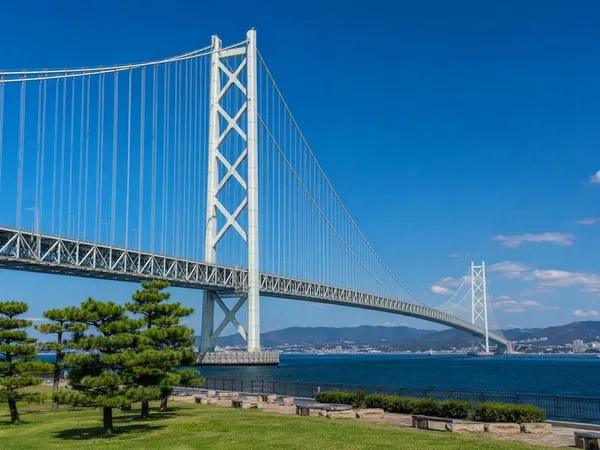
Akashi-Kaikyo Bridge
1 linked stories and routes
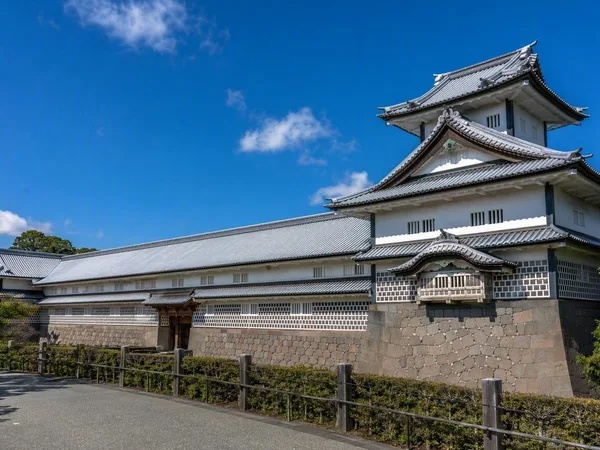
Kanazawa
1 linked stories and routes
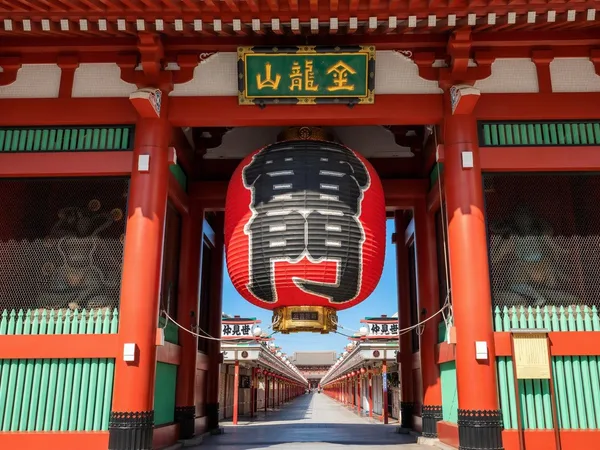
Asakusa
1 linked stories and routes
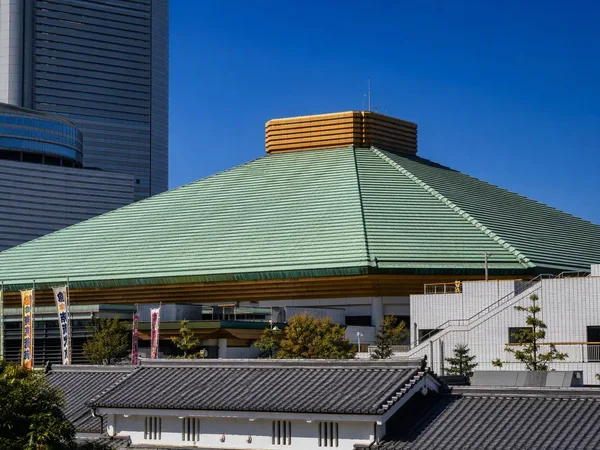
Ryōgoku
1 linked stories and routes
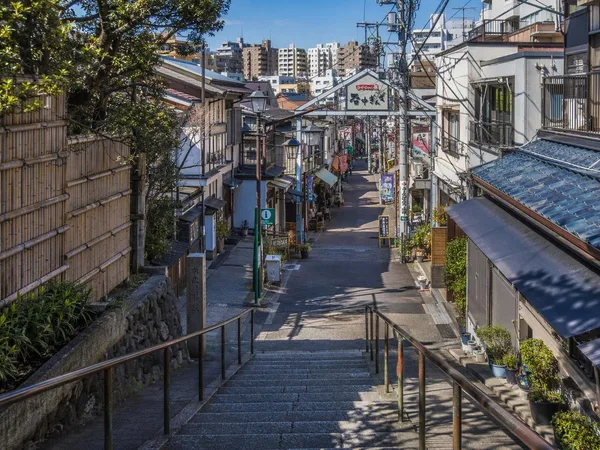
Yanaka
1 linked stories and routes
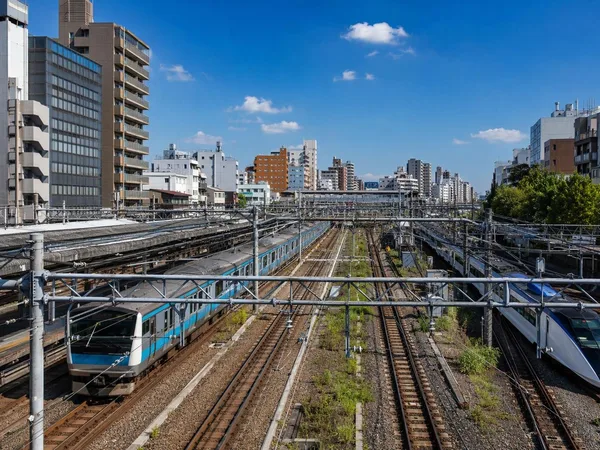
Nippori
1 linked stories and routes
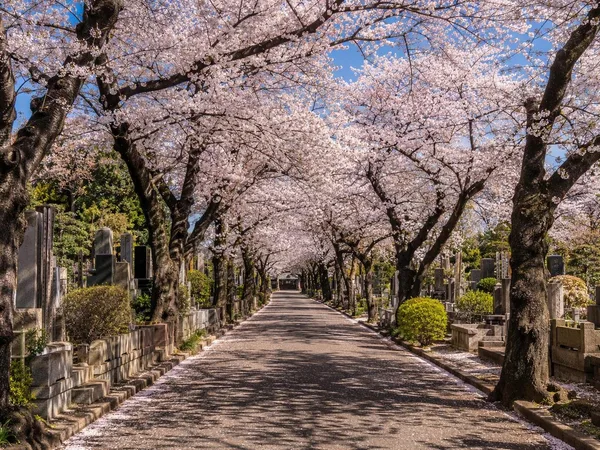
Yanaka Cemetery
1 linked stories and routes
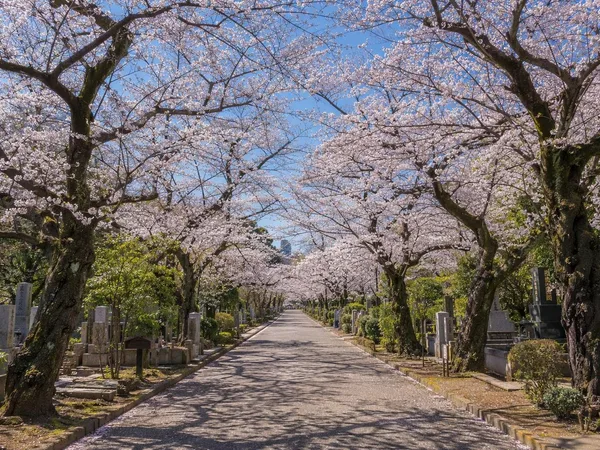
Yanaka-reien (Yanaka Cemetery)
1 linked stories and routes
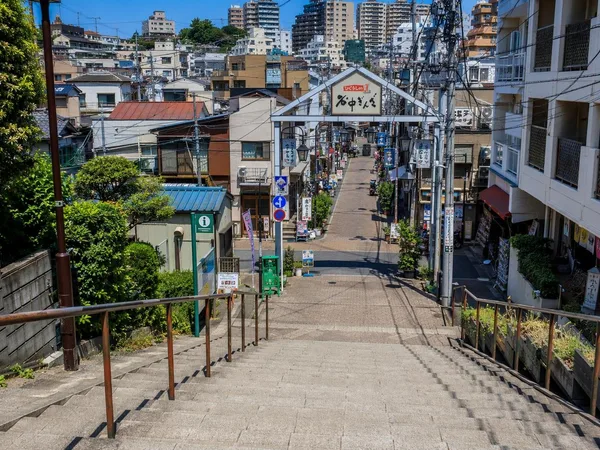
Yanaka Ginza
1 linked stories and routes
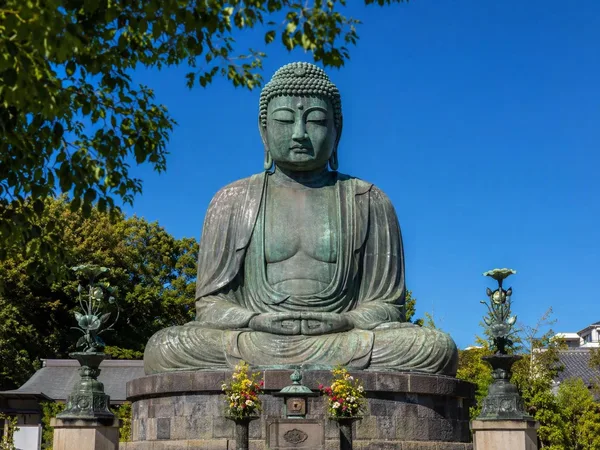
Tennoji Temple, Yanaka
1 linked stories and routes
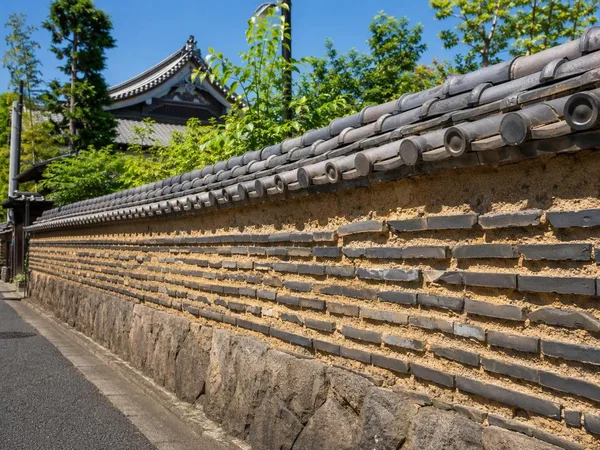
Kannonji Temple, Yanaka
1 linked stories and routes