
Neighbourhood · Japan
Asakusa
Asakusa is Tokyo’s historic temple-and-entertainment neighborhood in Taitō, on the west bank of the Sumida River. Its core runs from Kaminarimon and Nakamise shopping street to Sensō-ji, with river views and the former Rokku theatre district close by.
Start with the temple axis
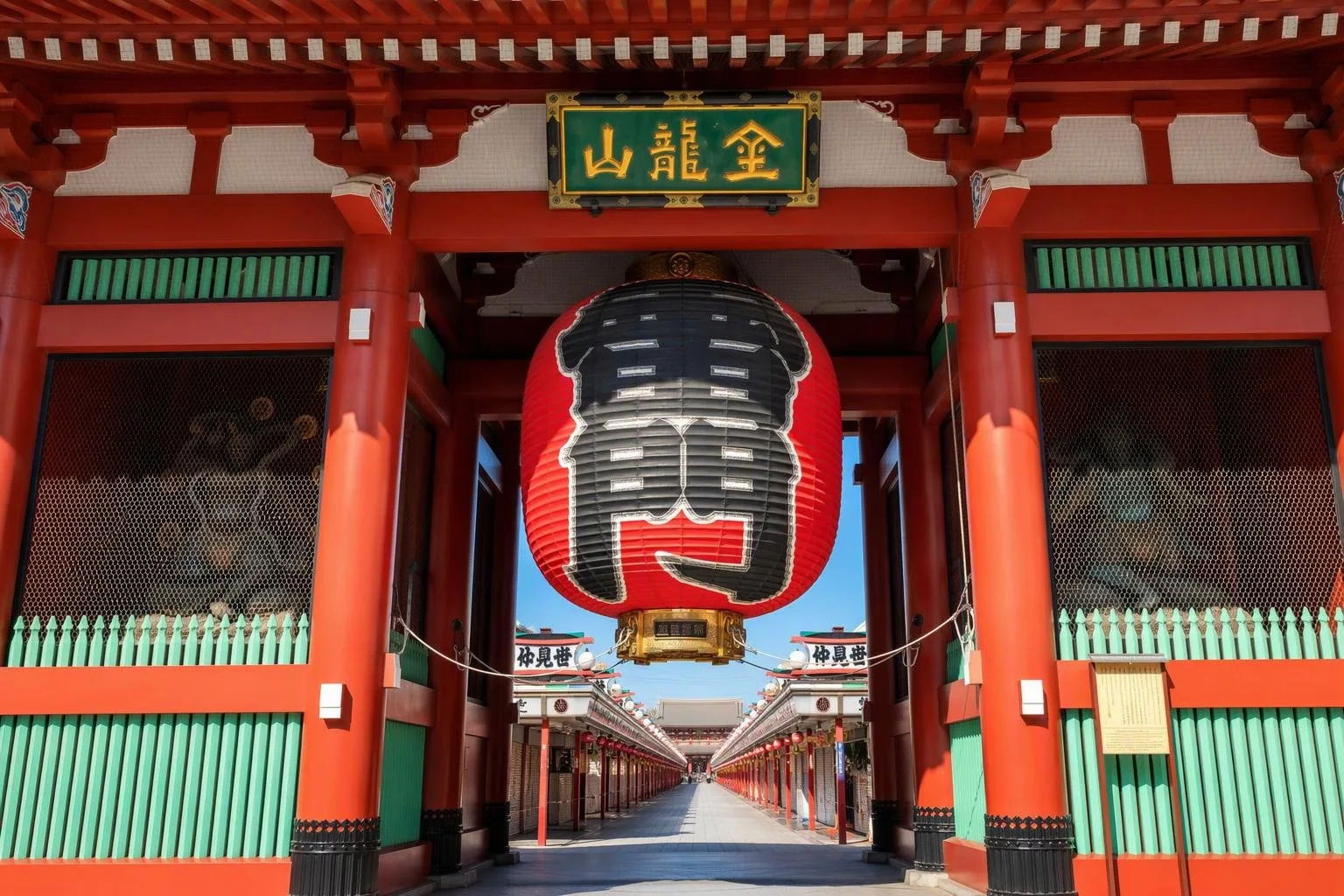
Asakusa grew around Sensō-ji, Tokyo’s oldest Buddhist temple. Tradition dates its origin to 628, when fishermen found an image of Kannon in the Sumida River. Today, the practical orientation is simple: begin at Kaminarimon—the Thunder Gate—then walk north through Nakamise to Hōzōmon and the main hall.
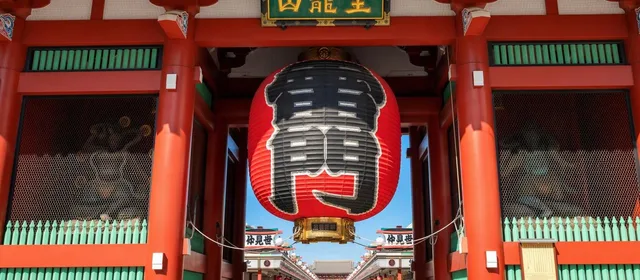
Kaminarimon’s giant red lantern is the district’s defining landmark. Beyond it, Nakamise is a long, straight shopping street of craft, souvenir and snack stalls. Treat it as an approach to an active temple, not merely a retail arcade: keep moving through narrow busy sections and follow any signs in the precinct.
What to see beyond the gate
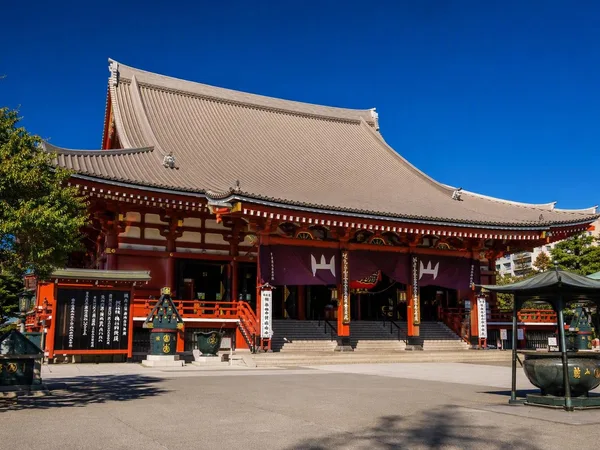
The temple grounds hold the main hall, five-storey pagoda and smaller halls; allow time to step off the central path after visiting the main hall. The buildings visible today are largely postwar reconstructions, while the precinct retains a much older religious role.
West of the temple, Asakusa Rokku supplies the second half of the neighborhood’s character. This former theatre, storyteller and cinema district developed into a major entertainment quarter in the Meiji and Taishō eras. Its present-day Broadway links restaurants, theatres and shops rather than recreating a historic streetscape.
For a quieter contrast, head east to the Sumida River. Azumabashi gives clear views towards Tokyo Skytree, and the nearby pier is a departure point for water buses.
Timing and rhythm
Come early if your priority is the temple architecture and Kaminarimon; Nakamise’s shops open later in the morning, so the street has a different purpose before retail begins. The Sensō-ji main hall opens at 6:00, or 6:30 from October to March, and closes at 17:00.
Late afternoon and evening work well for the temple precinct and riverfront. Nakamise is principally a daytime shopping street, while Sensō-ji’s illuminated buildings give the area a distinct after-dark focus.
Getting there and getting around
Asakusa Station is served by the Tokyo Metro Ginza Line, Toei Asakusa Line and Tobu Skytree Line. From the station, follow signs for Kaminarimon; the temple is about a five-minute walk. The water-bus pier is about three minutes from the station.
The central sights are walkable, but Asakusa Station facilities are spread across separate railway operators. Allow extra time if transferring. On foot, use Kaminarimon–Nakamise–Sensō-ji as the main spine, then branch west to Rokku or east to the river rather than doubling back through the busiest stretch.
From the magazine
Stories about Asakusa
Editorial stories linked directly to Asakusa.
No stories about Asakusa have been published yet.
Routes from our editors
Travel through Asakusa
Editorial routes connecting Asakusa with other countries, cities and hotspots.
No routes through Asakusa have been published yet.
More in Japan
Related hotspots
Other cities, nature areas and places within Japan.
Tokyo
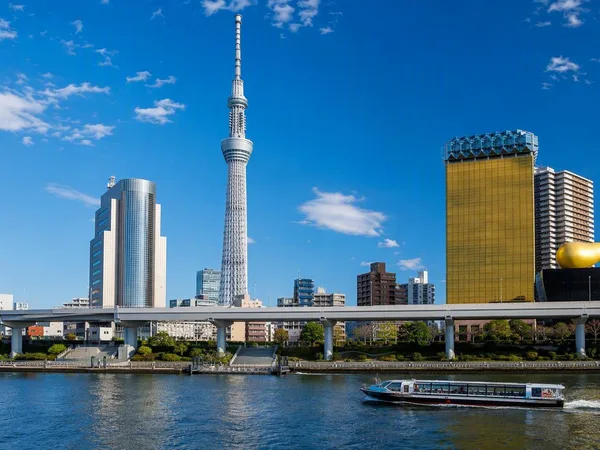
5 linked stories and routes
Kyoto
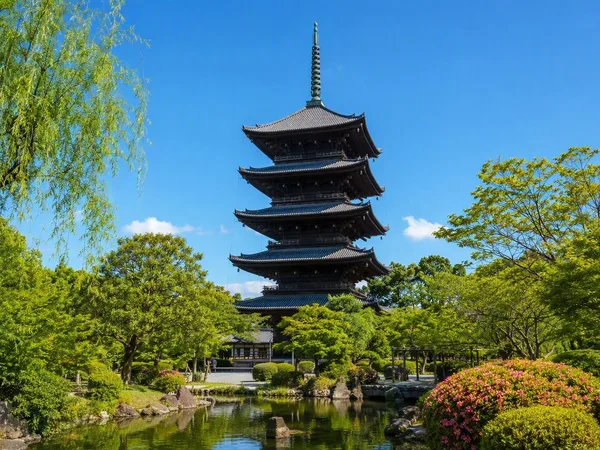
2 linked stories and routes
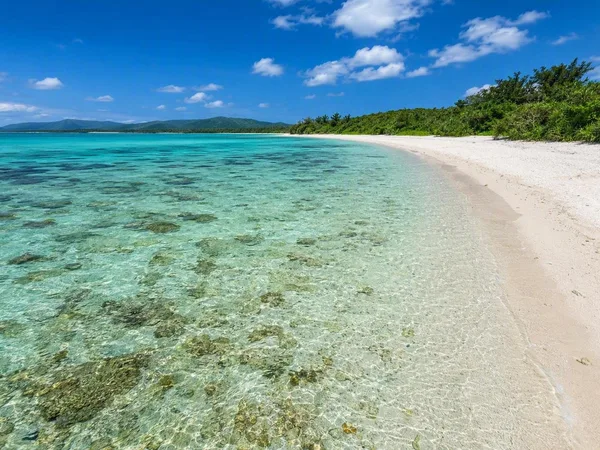
Yonehara Beach, Ishigaki
1 linked stories and routes
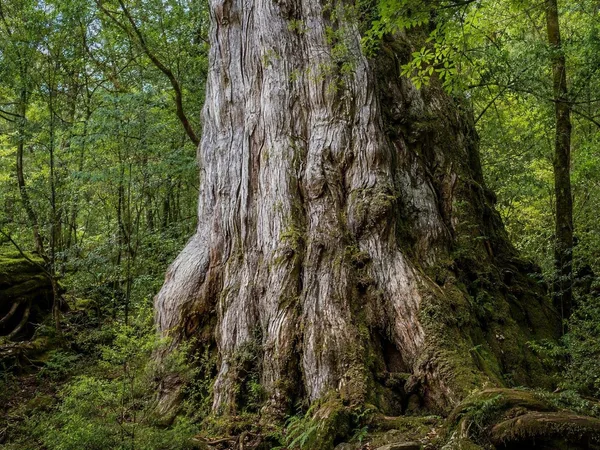
Yakushima
1 linked stories and routes
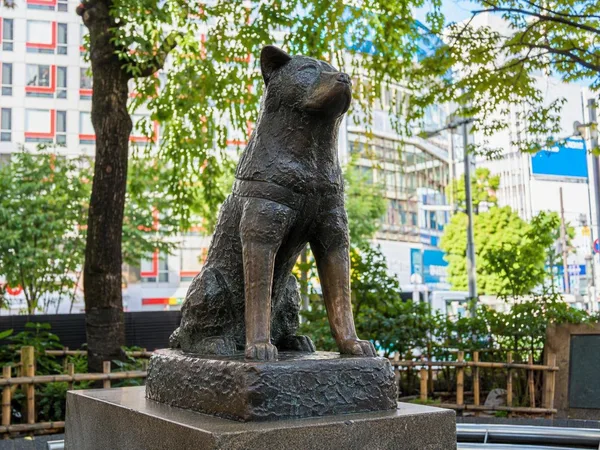
Hachikō Square
1 linked stories and routes
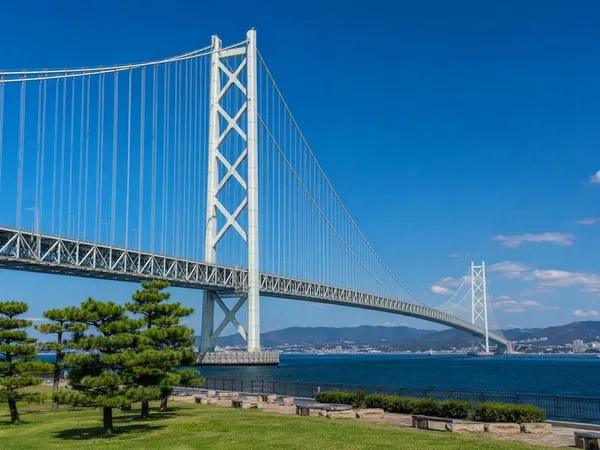
Akashi-Kaikyo Bridge
1 linked stories and routes
Kanazawa
1 linked stories and routes
Ryōgoku
1 linked stories and routes
Sensō-ji
1 linked stories and routes
Yanaka
1 linked stories and routes
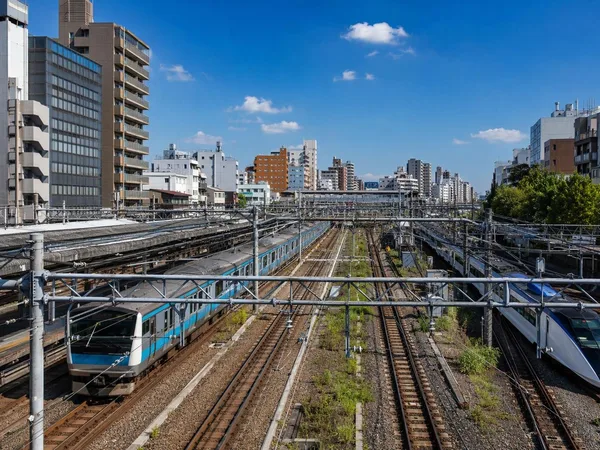
Nippori
1 linked stories and routes
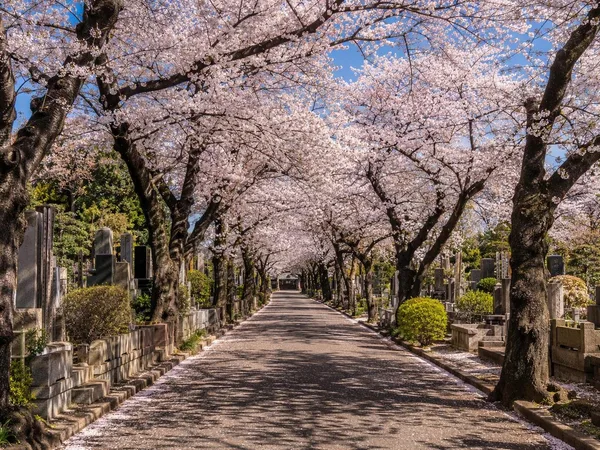
Yanaka Cemetery
1 linked stories and routes
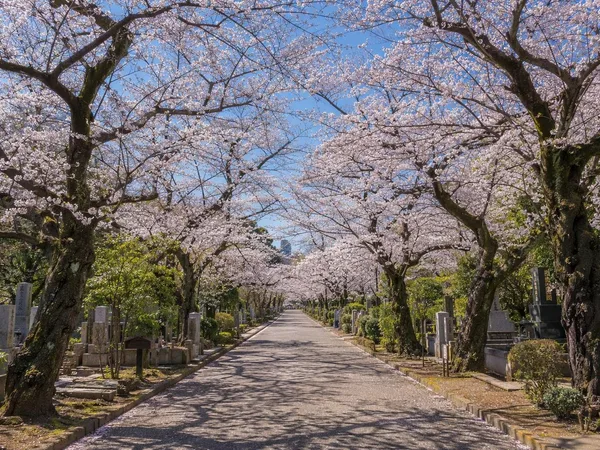
Yanaka-reien (Yanaka Cemetery)
1 linked stories and routes
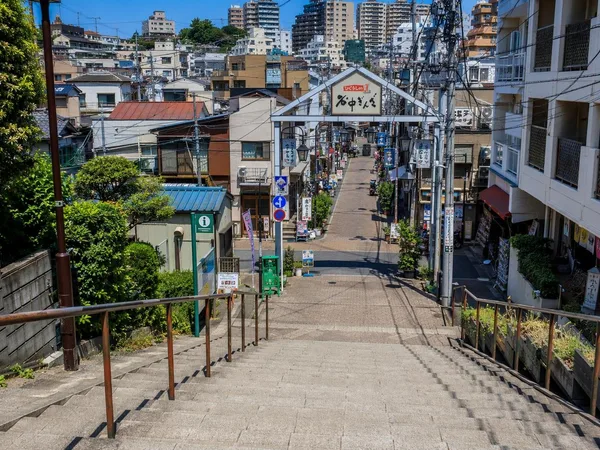
Yanaka Ginza
1 linked stories and routes
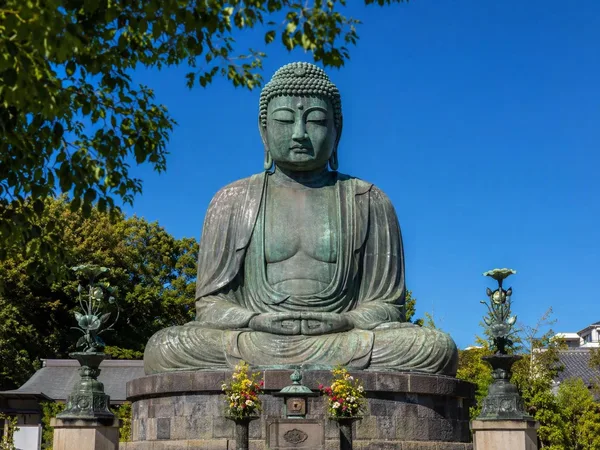
Tennoji Temple, Yanaka
1 linked stories and routes
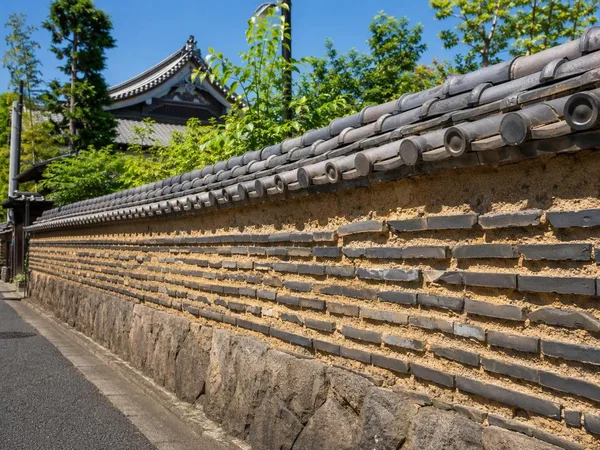
Kannonji Temple, Yanaka
1 linked stories and routes