
Neighbourhood · Japan
Ryōgoku
Ryōgoku is Tokyo’s historic sumo district on the east bank of the Sumida River, in Sumida. Its arena, training stables, Edo-era associations and compact museum cluster make it an easy half-day stop.
Why Ryōgoku matters
Ryōgoku is built around professional sumo, but it is not an arena precinct alone. The streets around Ryōgoku Station hold sumo stables, chanko-nabe restaurants, small craft businesses and museums that trace Tokyo from Edo to the present. The district takes its name from Ryōgoku Bridge, whose name—“two provinces”—recalls the former boundary between Musashi and Shimōsa.
Start at the station and work outward. The neighbourhood is compact enough to cover on foot, with the Sumida River a short walk west and the main cultural sites concentrated around Yokoami and Kamezawa.
Kokugikan and the sumo district
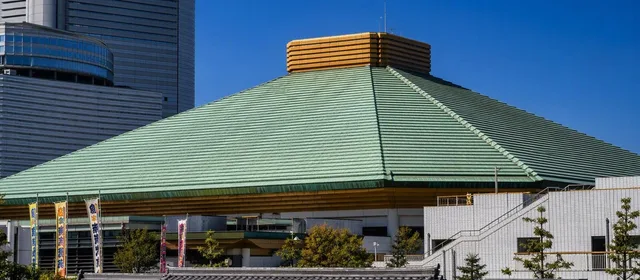
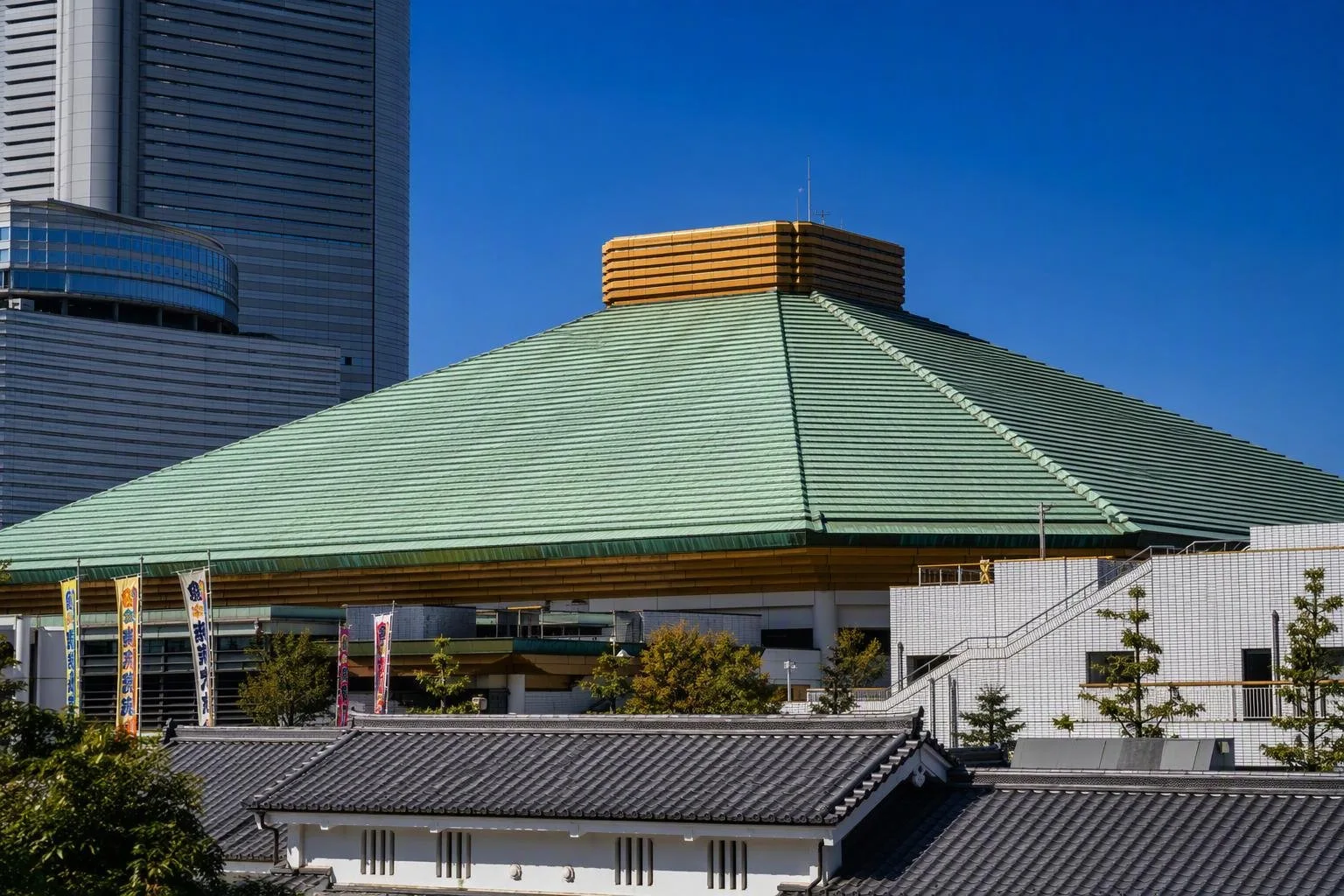
Ryōgoku Kokugikan is the essential landmark: a large, low-roofed arena immediately north of the JR station. It hosts three of the six annual grand sumo tournaments, in January, May and September. Tournament days transform the immediate area, so allow extra time around the station and arena approaches.
The Sumo Museum inside the venue displays changing collections of prints, photographs, ceremonial aprons and other sumo material. Access arrangements differ between tournament and non-tournament periods.
Sumo stables are working homes and training bases, not walk-in attractions. Some admit visitors to morning practice under strict conditions; do not turn up unannounced or photograph through entrances. For the culinary link, order chanko-nabe, the substantial hotpot associated with stable life.
Edo, art and remembrance
The Edo-Tokyo Museum stands beside the arena and examines the city’s development from Edo through modern Tokyo. Nearby, the Sumida Hokusai Museum focuses on Katsushika Hokusai, who spent much of his life in this area.
For a quieter stop, walk to Kyu-Yasuda Garden, a former daimyo garden with a central pond. Yokoamicho Park, beside the museum complex, contains memorial institutions connected with the Great Kanto Earthquake and the wartime firebombing of Tokyo. Treat it as a place of remembrance rather than a casual shortcut.
Getting there and moving around
Ryōgoku Station is served by the JR Chuo-Sobu local line and the Toei Oedo subway line. The two station facilities are separate; follow exit signs rather than assuming a quick internal transfer.
- For Kokugikan: use the JR West Exit; the arena is a very short walk.
- From central Tokyo: change at Akihabara for the JR Chuo-Sobu local line, or use the Oedo Line where it suits your route.
- On foot: Kokugikan, the Edo-Tokyo Museum and Yokoamicho Park are close together; the Hokusai museum and garden require a longer but straightforward walk.
The arena has no visitor parking, so public transport is the sensible choice.
From the magazine
Stories about Ryōgoku
Editorial stories linked directly to Ryōgoku.
No stories about Ryōgoku have been published yet.
Routes from our editors
Travel through Ryōgoku
Editorial routes connecting Ryōgoku with other countries, cities and hotspots.
No routes through Ryōgoku have been published yet.
More in Japan
Related hotspots
Other cities, nature areas and places within Japan.
Tokyo
5 linked stories and routes
Kyoto
2 linked stories and routes
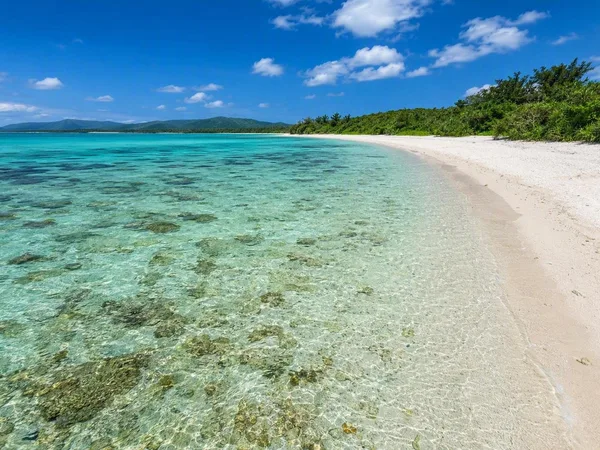
Yonehara Beach, Ishigaki
1 linked stories and routes
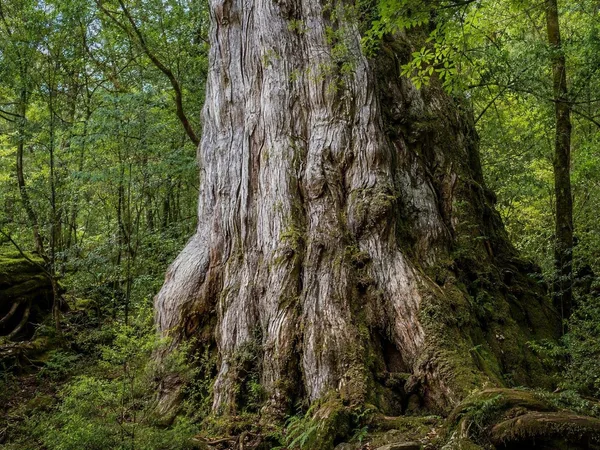
Yakushima
1 linked stories and routes
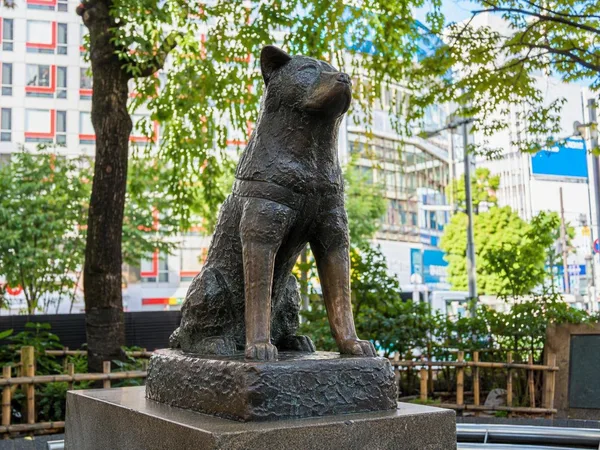
Hachikō Square
1 linked stories and routes
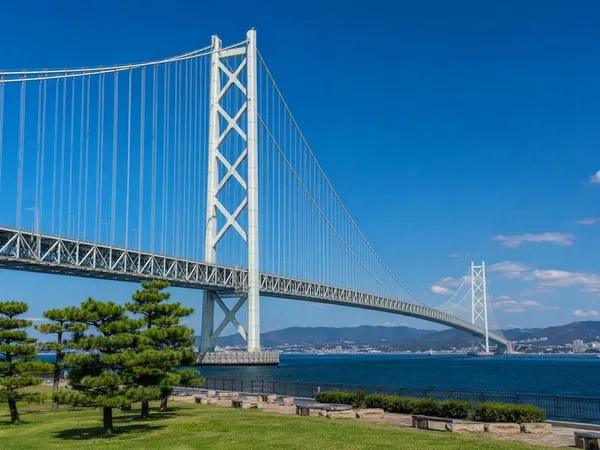
Akashi-Kaikyo Bridge
1 linked stories and routes
Kanazawa
1 linked stories and routes
Asakusa
1 linked stories and routes
Sensō-ji
1 linked stories and routes
Yanaka
1 linked stories and routes
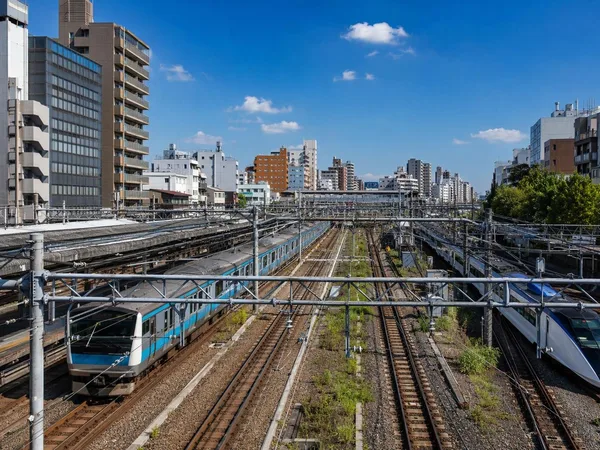
Nippori
1 linked stories and routes
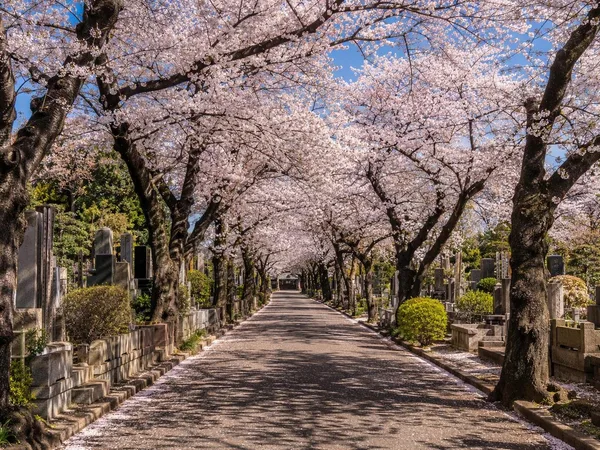
Yanaka Cemetery
1 linked stories and routes
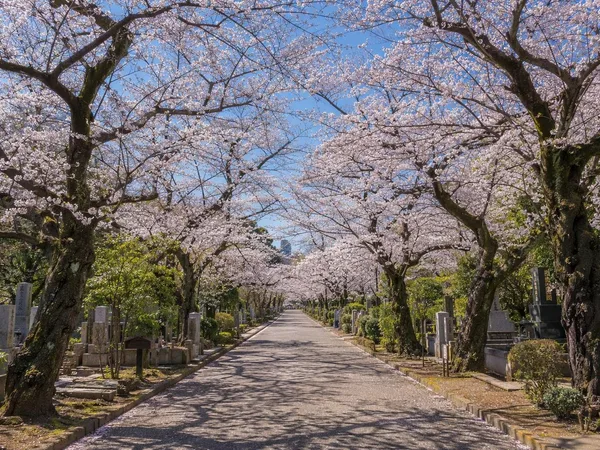
Yanaka-reien (Yanaka Cemetery)
1 linked stories and routes
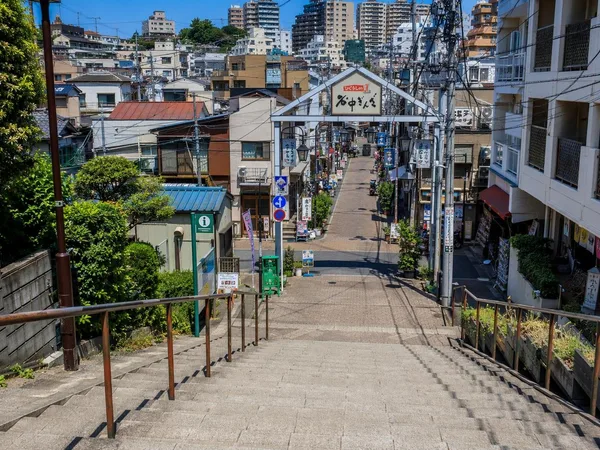
Yanaka Ginza
1 linked stories and routes
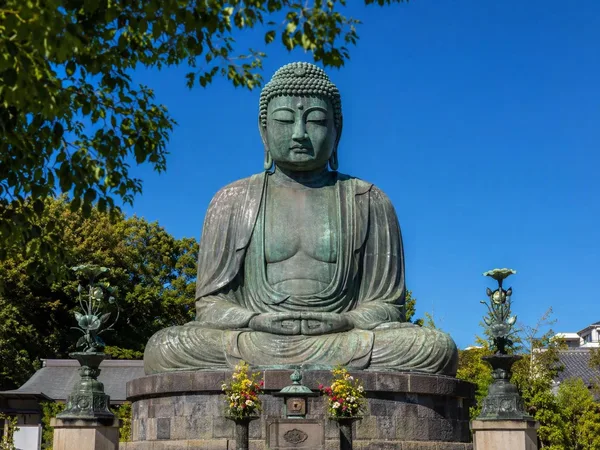
Tennoji Temple, Yanaka
1 linked stories and routes
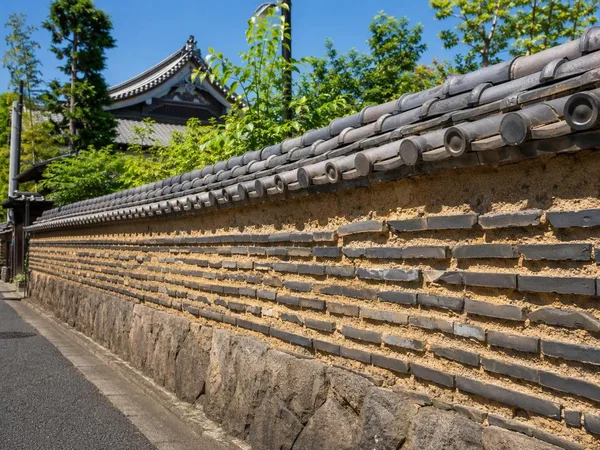
Kannonji Temple, Yanaka
1 linked stories and routes