
City · Bolivia
Potosí
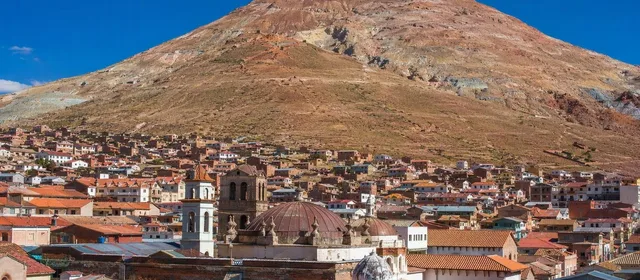
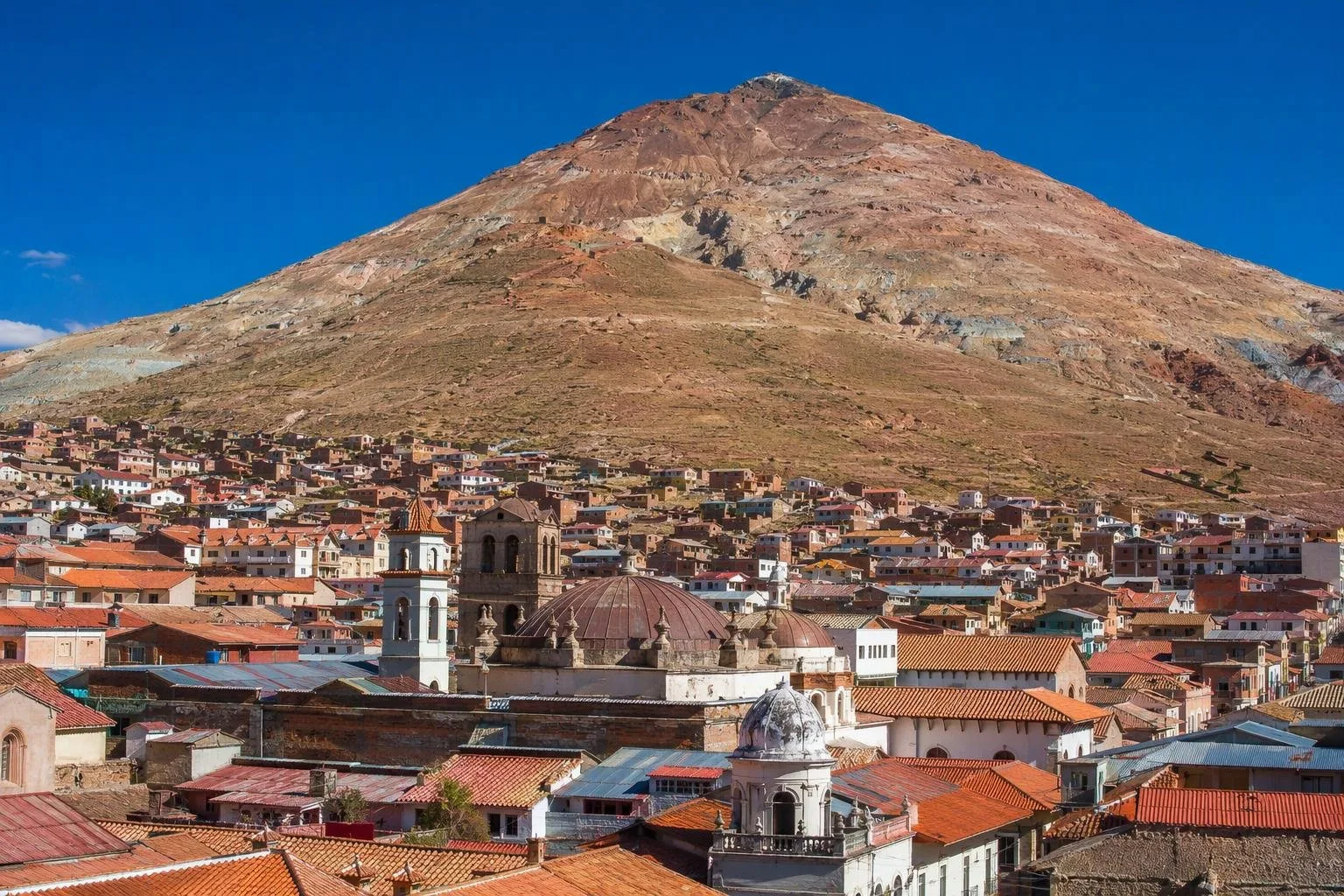
Potosí is a high-altitude city in southern Bolivia, built beneath Cerro Rico, the silver mountain that reshaped colonial trade. Its historic core preserves the mint, churches and workers’ districts of a vast mining system.
Why Potosí matters
Potosí stands at roughly 4,000 metres in the Bolivian Andes, with Cerro Rico immediately south of the centre. Silver discovered in the mountain turned the settlement into a major colonial mining city. By the 16th century, its mines, waterworks, mills and mint formed an industrial system on an exceptional scale.
The city is a World Heritage site, but its story is not one of wealth alone. The mining economy depended on the forced mita labour system; the historic landscape still records the separation of colonial quarters and workers’ neighbourhoods.
Read the city from the centre
Start around Plaza 10 de Noviembre, the historic centre’s main orientation point. The compact core brings together civic and religious architecture, steep streets and long views towards Cerro Rico.
Look for these elements as you walk:
- Casa Nacional de la Moneda: the former mint, now a museum and historical archive. Its collections include coinage, minting equipment, art and documentary material.
- Church of San Lorenzo: a key surviving church in the colonial city.
- Colonial houses and barrios mitayos: these make more sense when read as parts of one production landscape, rather than as isolated monuments.
Casa de la Moneda
Give the mint proper time. The present building was constructed between 1759 and 1773, replacing an earlier mint, and began striking coins in 1773. Its scale reflects the need to secure and process silver from Cerro Rico.
The museum explains the technical side of Potosí: how metal became coin, and how machinery changed over time. It also holds collections beyond numismatics, including painting, silverwork, textiles, sculpture and archaeology. This is the most efficient place to connect the mountain, the city and the global circulation of Potosí silver.
Cerro Rico and the mining legacy
Cerro Rico is the city’s defining landmark and the heart of the heritage landscape. Historic aqueducts and artificial lakes supplied water to the ore-processing mills; this infrastructure is as important as the mountain itself.
Important: mining has left the summit unstable, and extraction continues in parts of the mountain. Do not enter mine workings independently. A mine visit is not a standard urban sightseeing stop: conditions can be confined, dusty and hazardous.
Pace and altitude
Potosí’s elevation is a practical constraint, not a detail. Keep the first day light, walk slowly on the slopes, drink regularly and avoid demanding climbs until acclimatised. The historic centre rewards a measured route: plaza, mint, churches and streets first; Cerro Rico views second.
From the magazine
Stories about Potosí
Editorial stories linked directly to Potosí.
No stories about Potosí have been published yet.
Routes from our editors
Travel through Potosí
Editorial routes connecting Potosí with other countries, cities and hotspots.
No routes through Potosí have been published yet.
More in Bolivia
Related hotspots
Other cities, nature areas and places within Bolivia.
La Paz
6 linked stories and routes
El Alto
4 linked stories and routes
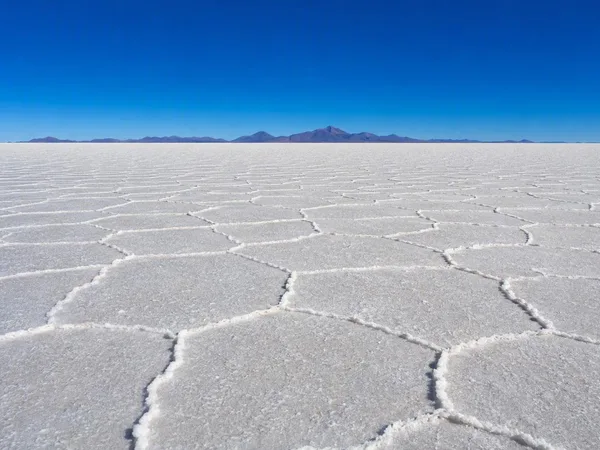
Bolivian Altiplano
3 linked stories and routes
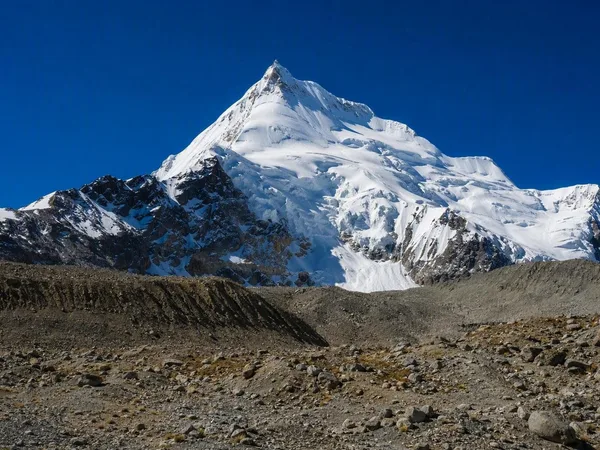
Huayna Potosí
2 linked stories and routes
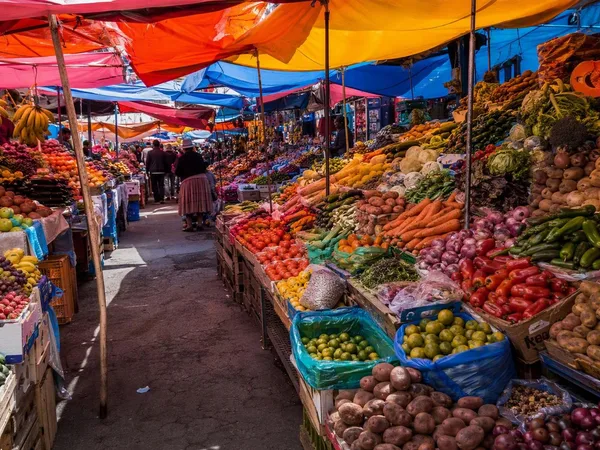
Mercado Rodríguez
2 linked stories and routes
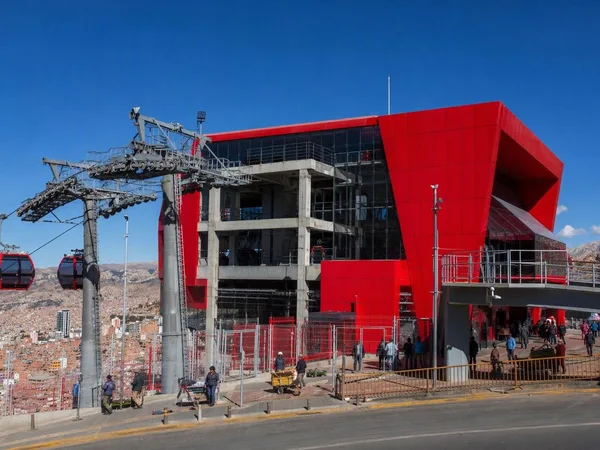
La Ceja
1 linked stories and routes
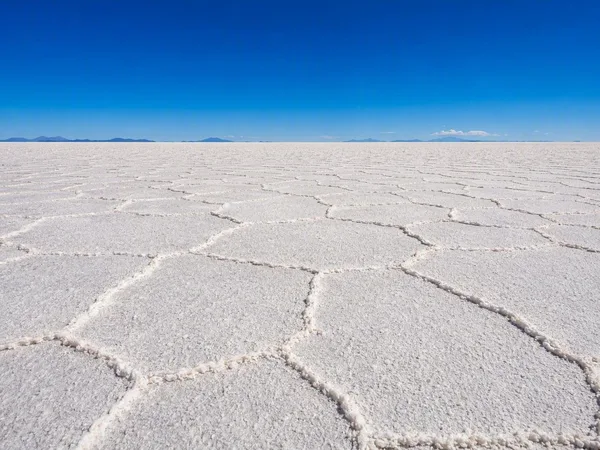
Salar de Uyuni
1 linked stories and routes
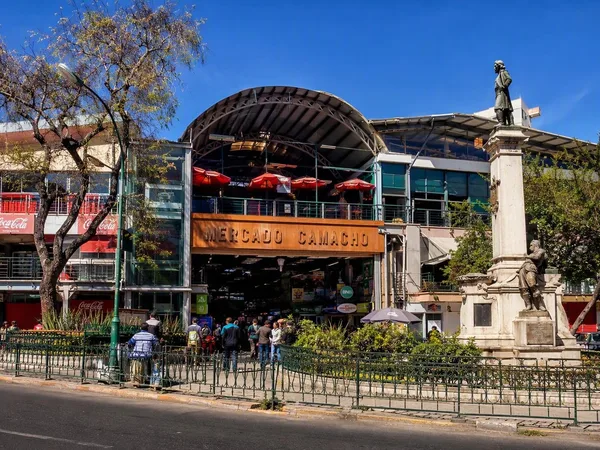
Mercado Camacho
1 linked stories and routes
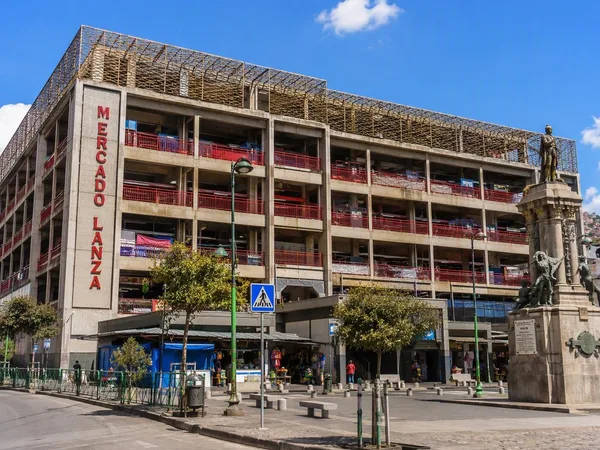
Mercado Lanza
1 linked stories and routes
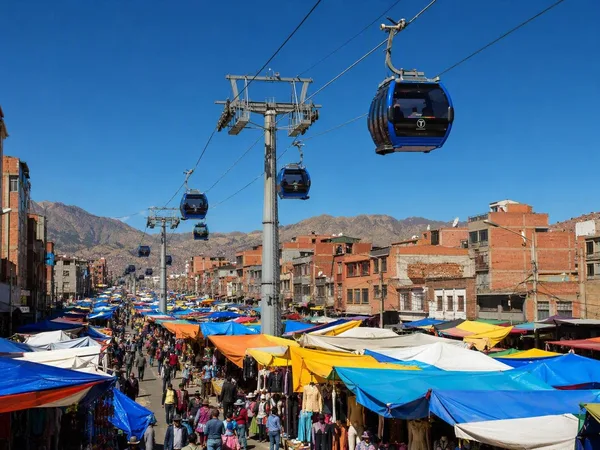
Feria 16 de Julio
1 linked stories and routes
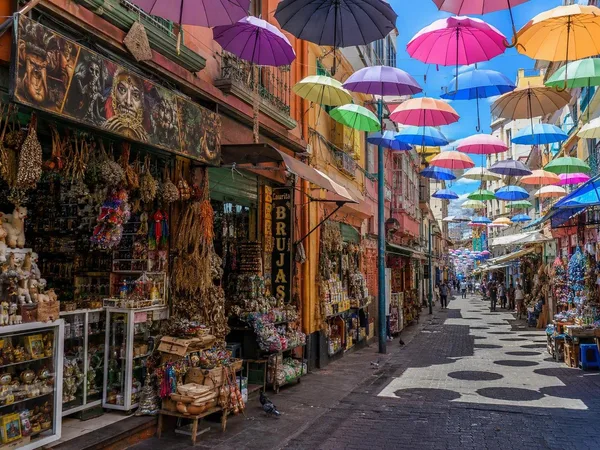
Mercado de las Brujas
1 linked stories and routes
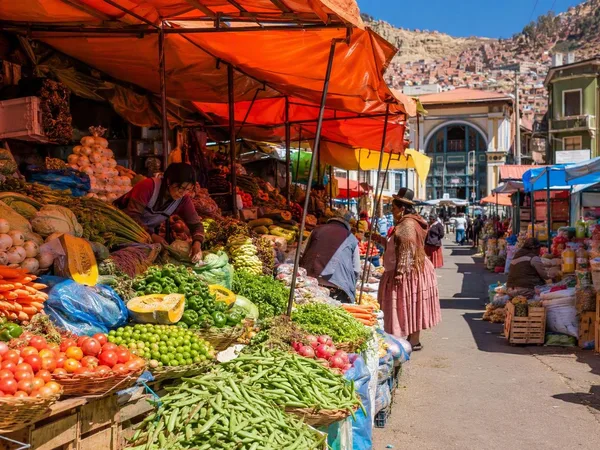
San Pedro, La Paz
1 linked stories and routes
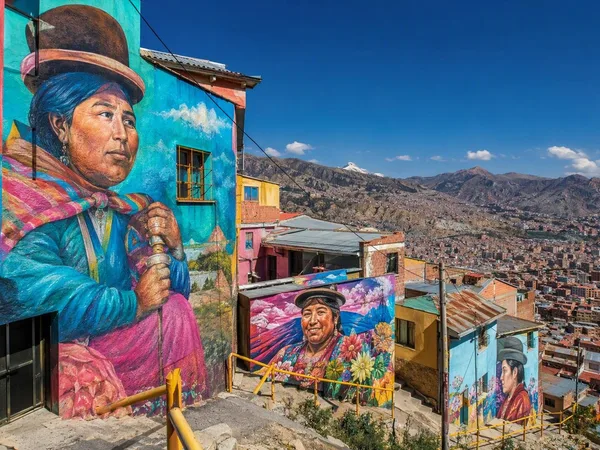
Chualluma, La Paz
1 linked stories and routes