
Sight · Yemen
Wadi Tawila, Aden
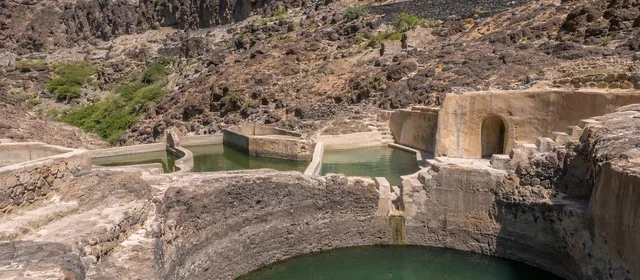
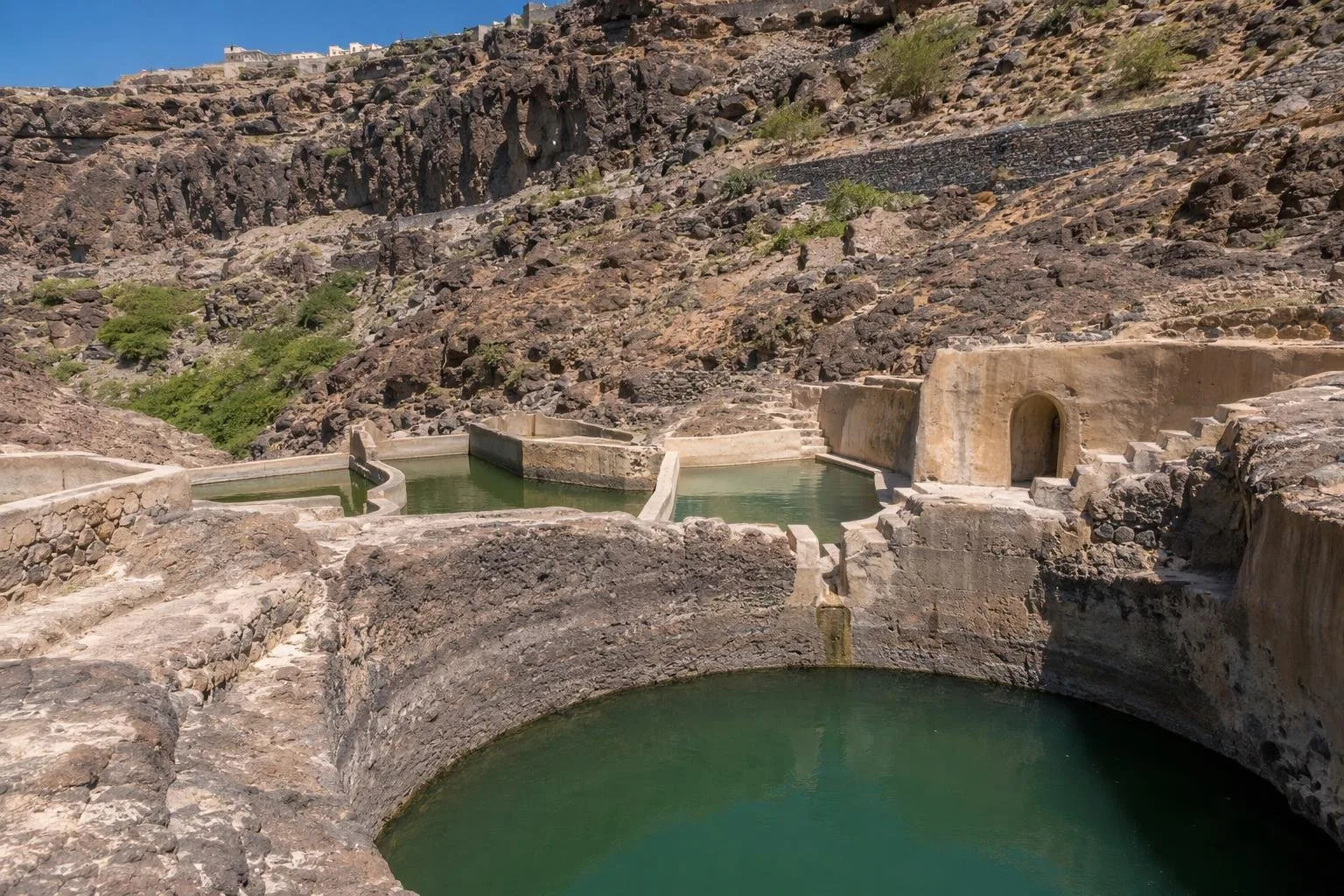
Wadi Tawila is the volcanic ravine above Crater, Aden, where a linked system of historic cisterns catches rare rainwater from the Shamsan massif. Its carved basins explain how a dry port city managed both water supply and destructive runoff.
Orientation
Wadi Tawila cuts through the volcanic terrain immediately southwest of Crater, Aden’s oldest district. The wadi is best understood through the Cisterns of Tawila: a sequence of interconnected reservoirs, channels and overflow routes built into its rock walls. The mapped focal point is at the principal tanks, rather than at a distant point along the drainage.
Crater occupies part of an extinct volcanic landscape. Its steep, largely bare slopes send runoff rapidly into gullies when heavy rain falls; Wadi Tawila concentrates that flow before it reaches the built-up city below.
The water system
The tanks were made for two linked jobs: retain rainwater for Aden and slow floods. Basins of different shapes step down the wadi, passing water between them and directing surplus onward toward the sea.
Look for the physical logic rather than a single monument:
- Rock-cut reservoirs with rounded, rectangular and irregular plans.
- Plastered inner walls, made waterproof with a mortar incorporating volcanic ash.
- Channels and outlets that connect one basin to the next.
- Coghlan Tank, at the centre of the main complex, and the lower circular Playfair Tank.
Only about 13 tanks survive from a much larger historic system of roughly 53. The visible complex therefore records several building and restoration phases, not one untouched ancient design.
History without a false date
The original construction date and builder remain uncertain. A pre-Islamic Himyarite origin is often proposed, but it is not proven. Written references confirm that Aden had rain-collecting tanks by the 10th century. The Rasulids restored the system after a period of decline; later floods and neglect buried much of it.
Nineteenth-century British works cleared and rebuilt the tanks, substantially changing their layout. Larger basins replaced much of the earlier cascade of smaller reservoirs. What stands today is historic water infrastructure with ancient roots and major Victorian-era intervention.
Visiting conditions and safety
The tanks have also functioned as a public garden, but do not treat them as a conventional, independently accessible attraction. Access, local conditions and services can change abruptly.
Critical warning: Yemen faces severe security and conflict-related risks, including terrorism, kidnapping, crime and unexploded ordnance. Do not travel solely to visit Wadi Tawila. Anyone already in Aden should rely on current local security guidance, use authorised arrangements, and stay on established routes and paths; the basin walls, steps and volcanic ground can be uneven.
From the magazine
Stories about Wadi Tawila, Aden
Editorial stories linked directly to Wadi Tawila, Aden.
No stories about Wadi Tawila, Aden have been published yet.
Routes from our editors
Travel through Wadi Tawila, Aden
Editorial routes connecting Wadi Tawila, Aden with other countries, cities and hotspots.
No routes through Wadi Tawila, Aden have been published yet.
More in Yemen
Related hotspots
Other cities, nature areas and places within Yemen.
Aden
7 linked stories and routes
Crater, Aden
2 linked stories and routes
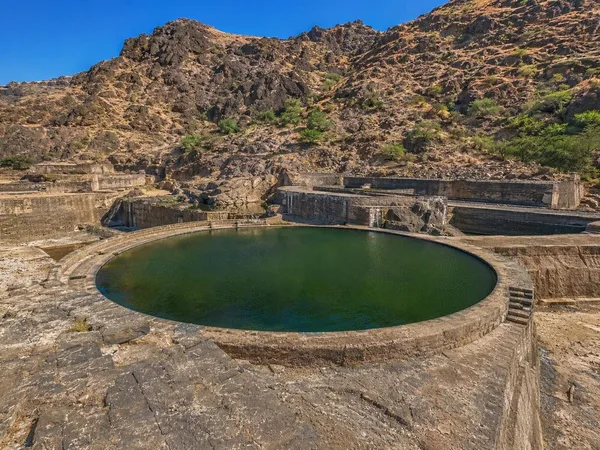
Tawila cisterns
1 linked stories and routes
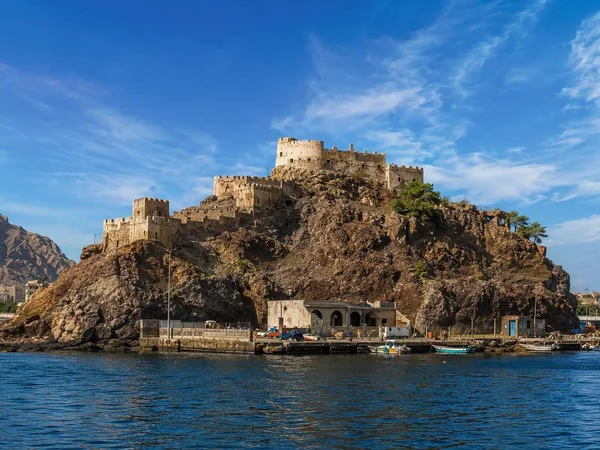
Sira (Crater District)
1 linked stories and routes
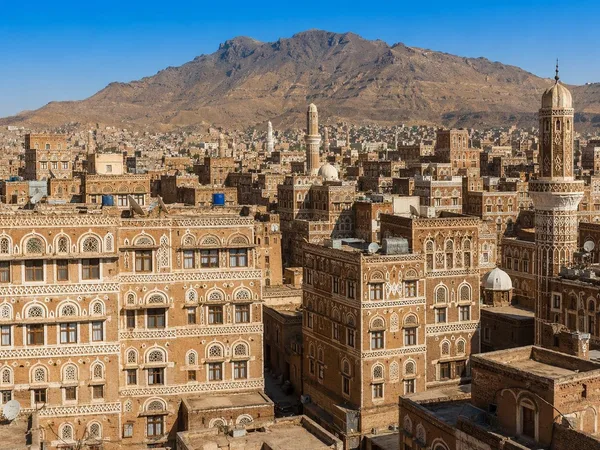
Sana’a
1 linked stories and routes
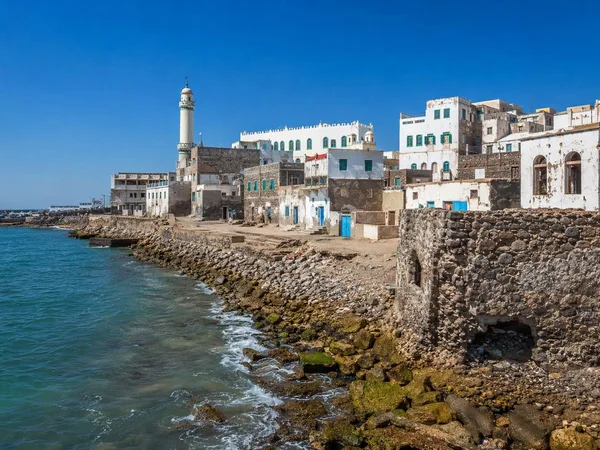
Mocha, Yemen
1 linked stories and routes
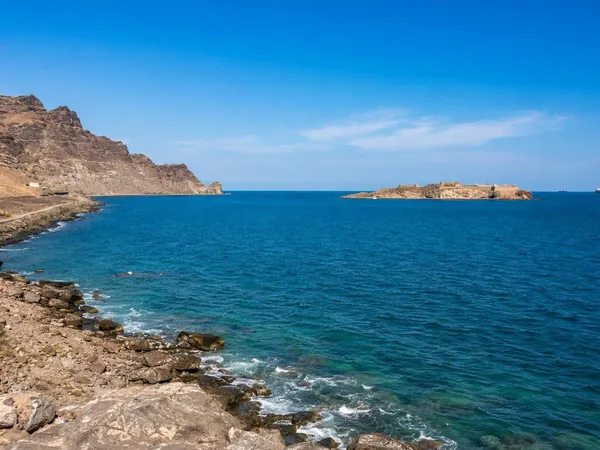
Front Bay, Aden
1 linked stories and routes
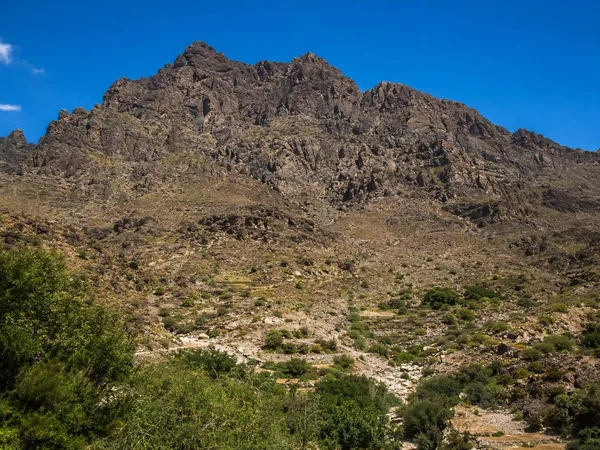
Shamsan massif
1 linked stories and routes
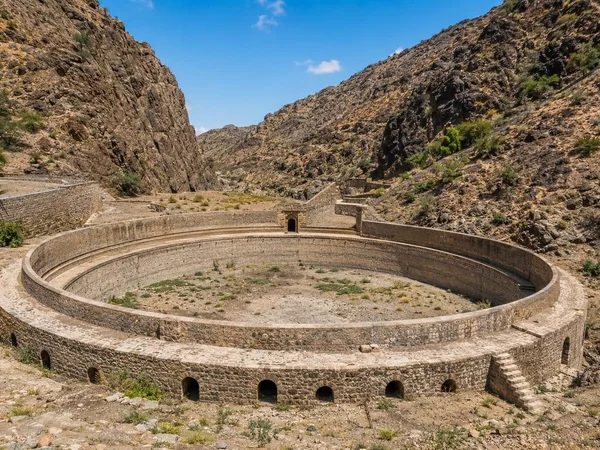
Playfair Tank
1 linked stories and routes
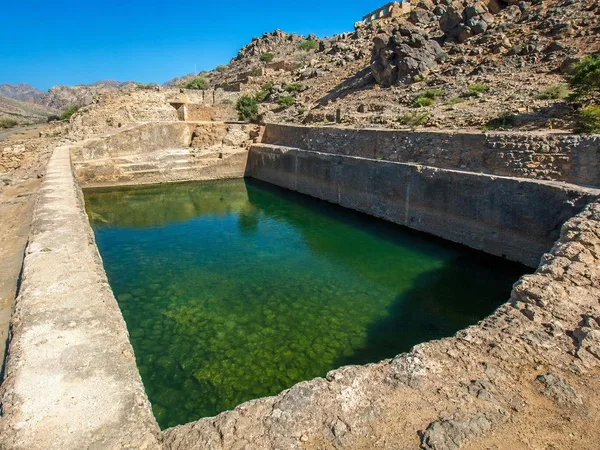
Coghlan Tank
1 linked stories and routes
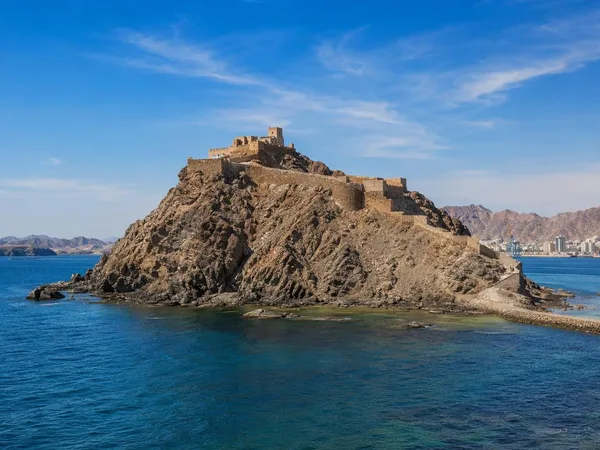
Sirah Island
1 linked stories and routes
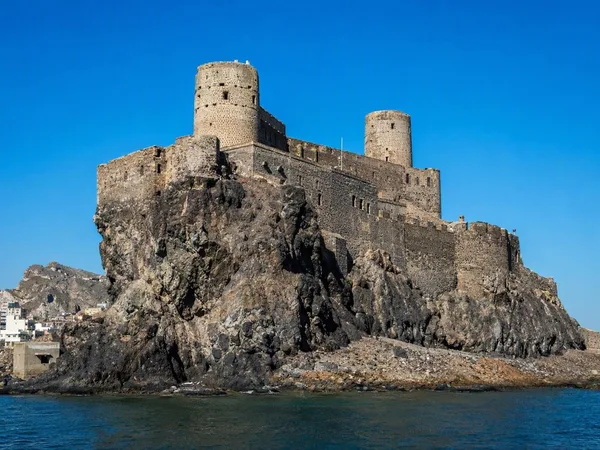
Sira Castle
0 linked stories and routes
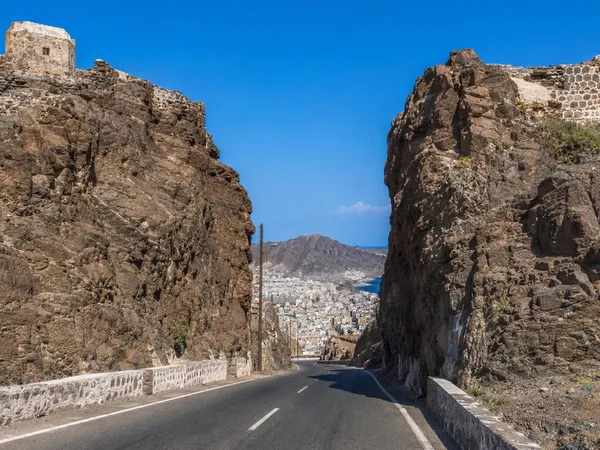
Main Pass, Aden
0 linked stories and routes
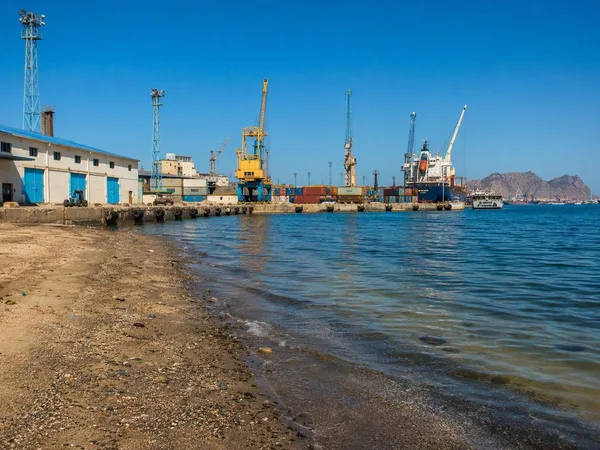
Ma'alla Beach, Aden
0 linked stories and routes
Tawahi, Aden
0 linked stories and routes
Khussaf, Aden
0 linked stories and routes