
Sight · Yemen
Coghlan Tank
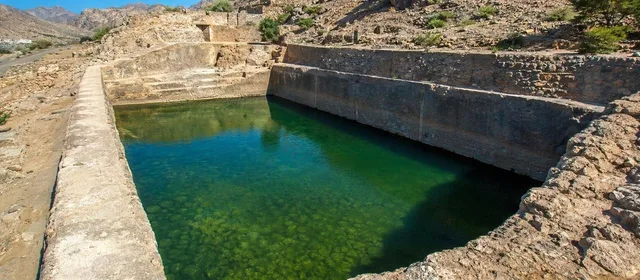
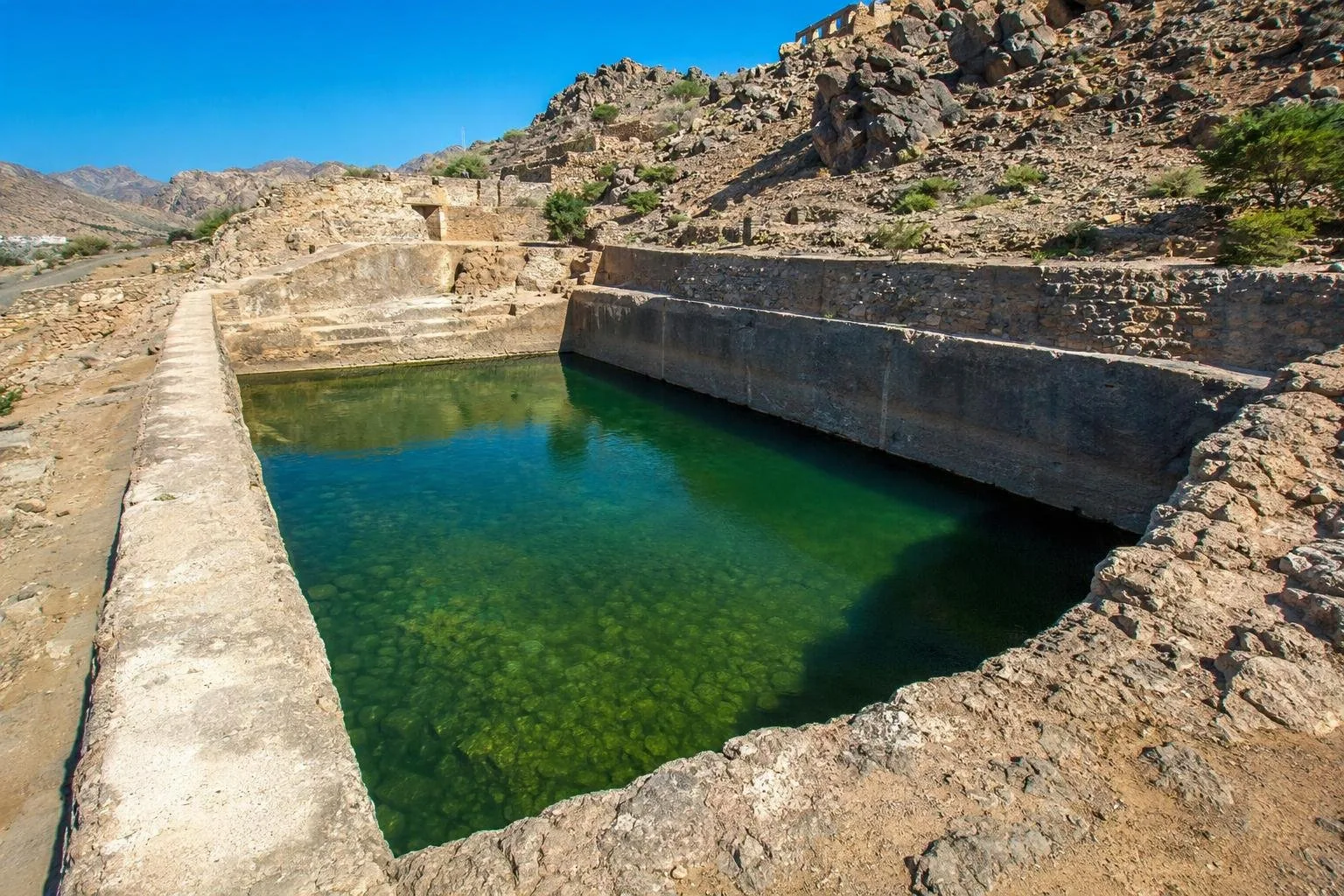
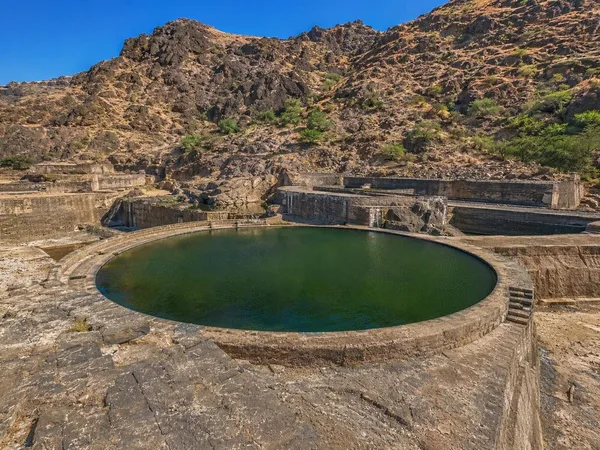
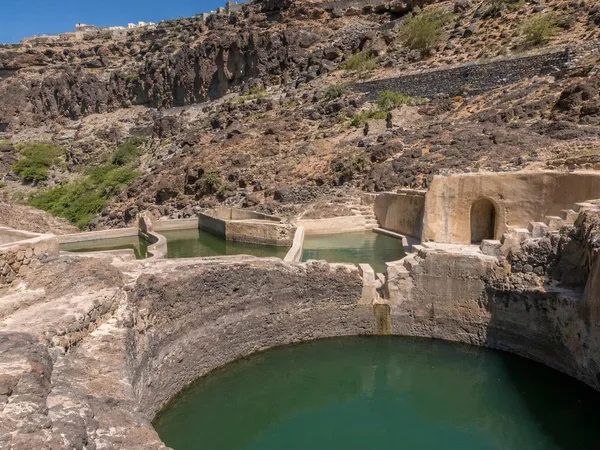
Coghlan Tank is the large rectangular reservoir at the centre of Aden’s Tawila Cisterns, in Wadi Tawila southwest of the Crater district. It is a key surviving element of the historic rainwater-capture system cut into the volcanic landscape.
Orientation
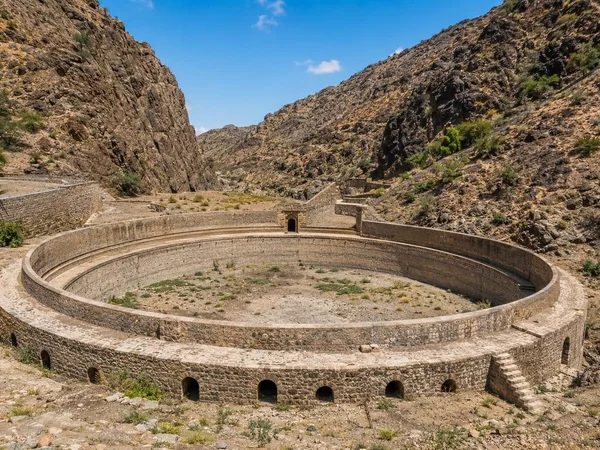
Coghlan Tank is not a stand-alone monument but a specific reservoir within the Tawila Cisterns complex in Aden, Yemen. Find it in the central part of the main site, above the lower, circular Playfair Tank. Its rectangular form makes a useful counterpoint to the rounded and irregular basins elsewhere in the wadi.
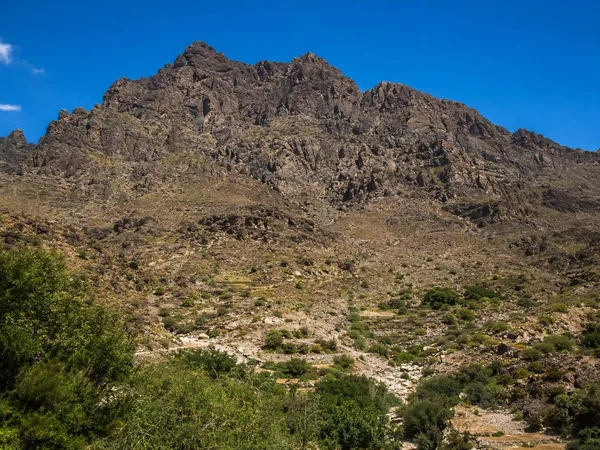
The cisterns were engineered to intercept rainwater descending from the Shamsan massif through Wadi Tawila. Water moved through linked basins and channels: storage was one purpose, while slowing destructive runoff before it reached the city was another.
What to look for
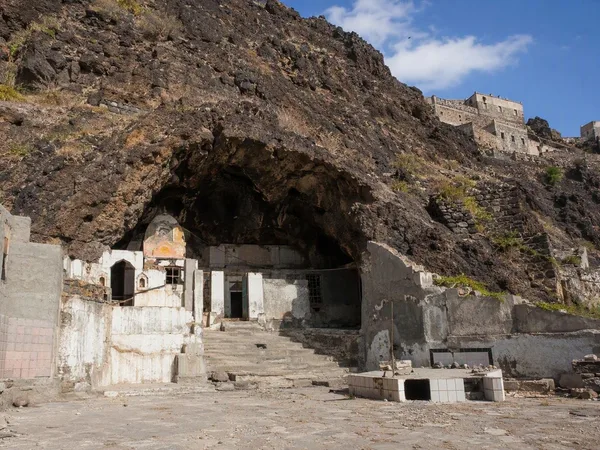
Stand back far enough to read Coghlan Tank as infrastructure rather than as an isolated pool. The straight-edged basin, retaining walls and level changes show how one large reservoir formed part of a descending sequence.
Look for these features:
- Rectangular plan: Coghlan is the principal rectangular tank in the central complex.
- Volcanic setting: the reservoir sits among the dark rock of the wadi, whose slopes supplied the runoff.
- Waterproof lining: the cistern system was cut from volcanic rock and lined with a stucco containing volcanic ash, making the basins capable of retaining water.
- The wider route: follow the visible relationships between basins, channels and slopes rather than treating each tank as a separate structure.
A plaque near Coghlan Tank records an essential fact: the original construction cannot be dated with precision. Proposed pre-Islamic origins remain a hypothesis, not a settled attribution.
Layers of alteration
The waterworks were known in medieval written accounts and were restored under the Rasulids. By the 19th century, flooding and accumulated debris had largely buried the system. British works then reshaped the complex, replacing many smaller cascading tanks with fewer and larger reservoirs. Coghlan Tank is therefore part of a site with ancient roots but a substantially altered later layout.
That distinction matters when reading the basin. Its function belongs to a long-running water-management system; its present appearance should not be treated as an untouched ancient survival.
Visiting the tank
Approach Coghlan Tank as part of a walk through the Tawila Cisterns, starting with the central basins and then comparing them with Playfair Tank lower down. The site is best understood by looking across the whole drainage line from the rocky slopes toward Crater.
Access can vary. Use only open, maintained routes and do not climb walls or descend into basins where there is no formal path. The terrain includes stone steps, uneven surfaces and steep edges. Bring water and sun protection; the exposed rock basin offers little shade.
Why it matters
Coghlan Tank makes the scale of Tawila’s hydraulic design legible. It is a large, geometric vessel in a system designed for a place where rain was scarce but could arrive with force. Its position in the middle of the complex explains the central logic of the cisterns: catch, slow, store and pass on the flow.
From the magazine
Stories about Coghlan Tank
Editorial stories linked directly to Coghlan Tank.
No stories about Coghlan Tank have been published yet.
Routes from our editors
Travel through Coghlan Tank
Editorial routes connecting Coghlan Tank with other countries, cities and hotspots.
No routes through Coghlan Tank have been published yet.
More in Yemen
Related hotspots
Other cities, nature areas and places within Yemen.
Aden
7 linked stories and routes
Crater, Aden
2 linked stories and routes
Tawila cisterns
1 linked stories and routes
Sira (Crater District)
1 linked stories and routes

Sana’a
1 linked stories and routes
Mocha, Yemen
1 linked stories and routes
Front Bay, Aden
1 linked stories and routes
Wadi Tawila, Aden
1 linked stories and routes
Shamsan massif
1 linked stories and routes
Playfair Tank
1 linked stories and routes
Sirah Island
1 linked stories and routes
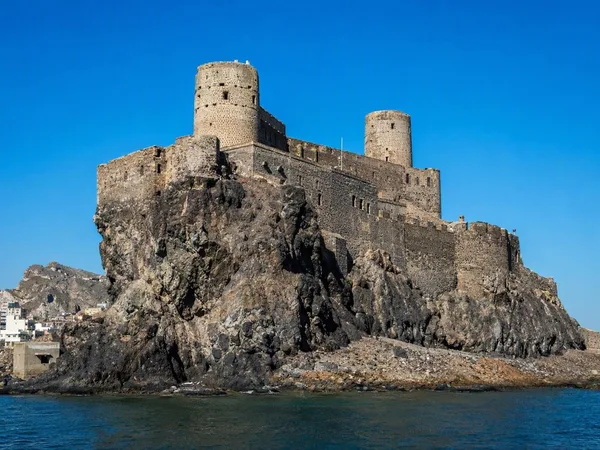
Sira Castle
0 linked stories and routes
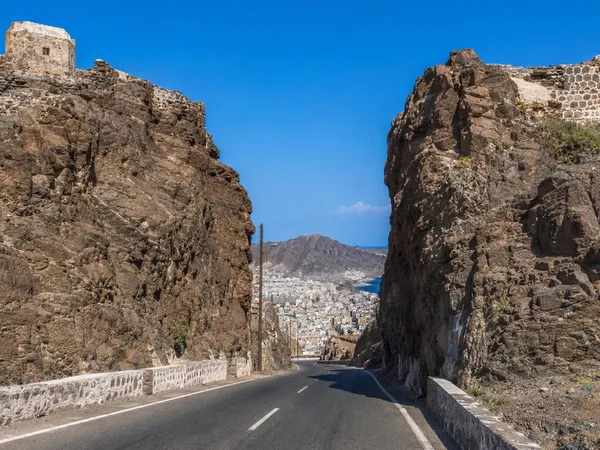
Main Pass, Aden
0 linked stories and routes
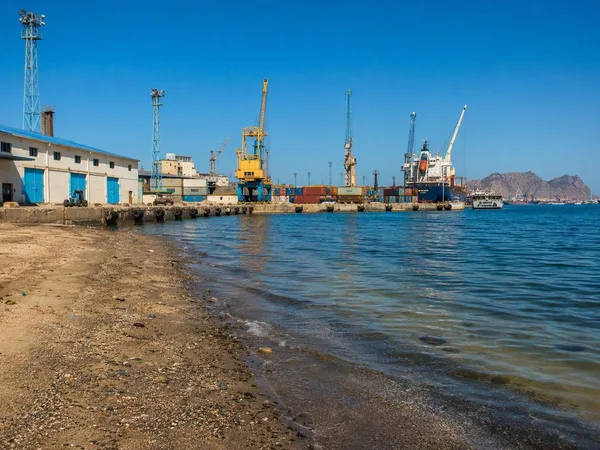
Ma'alla Beach, Aden
0 linked stories and routes
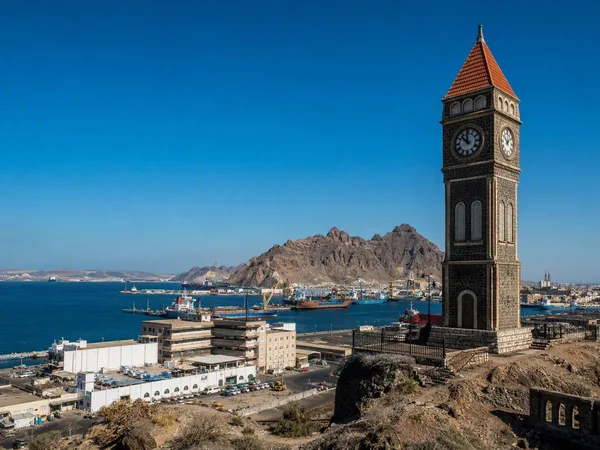
Tawahi, Aden
0 linked stories and routes
Khussaf, Aden
0 linked stories and routes