

City · Yemen
Aden
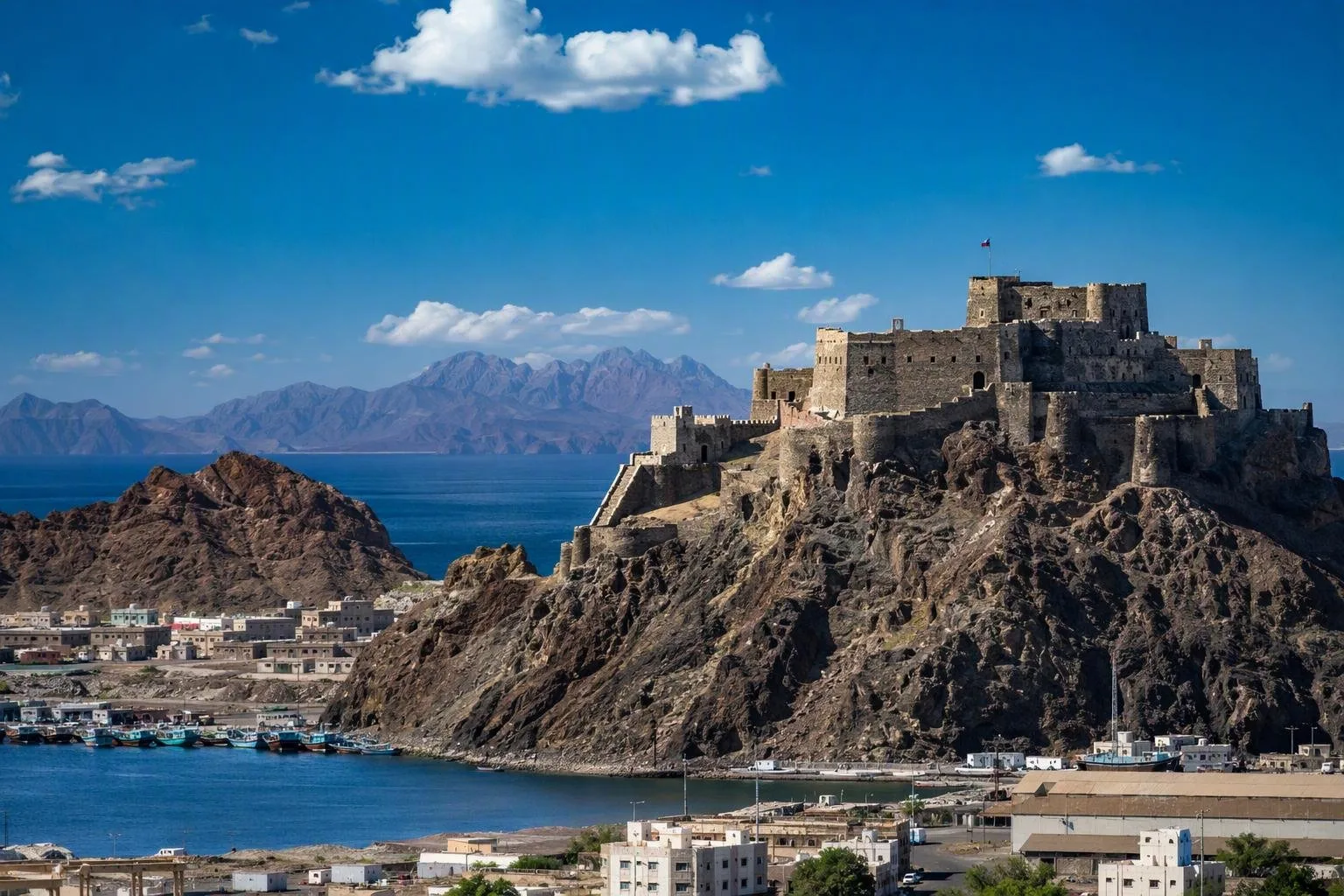
Aden is Yemen’s historic southern port on the north coast of the Gulf of Aden, shaped by a volcanic peninsula and centuries of Red Sea and Indian Ocean trade. Its old core, Crater, contains the city’s clearest surviving historic landscape.
Orientation
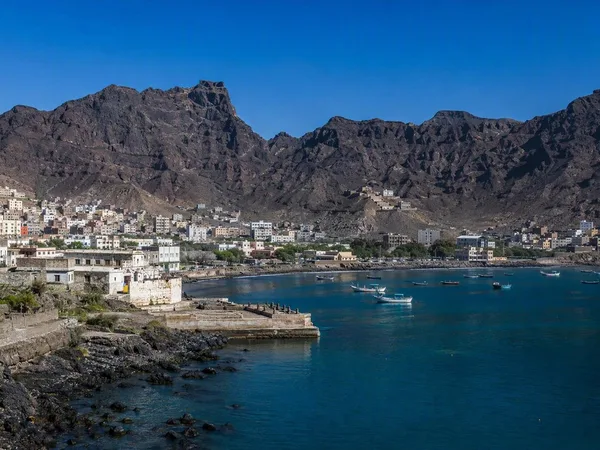
Aden occupies a volcanic peninsula on Yemen’s southern coast, close to the eastern approach to the Red Sea. The historic city sits within the horseshoe-shaped crater of an extinct volcano, open towards Front Bay. This geography explains both the natural harbour and the compact, defensible character of old Aden.
The city is not one uniform historic quarter. Crater is the original port and old commercial core; Tawahi developed around the harbour; Mualla is the principal harbour area. Read these districts as parts of a working port city rather than as a single museum precinct.
Historic anchors
The essential physical reference points are in and around Crater.
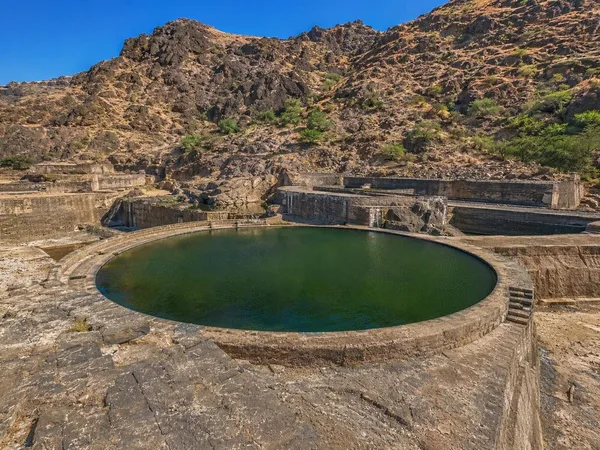
- Tawila Cisterns (Sahareej al-Tawila): a linked system of reservoirs, channels and outlets built to gather runoff from the surrounding heights. It stored water and diverted excess flow, giving the city protection from flash flooding as well as a water supply.
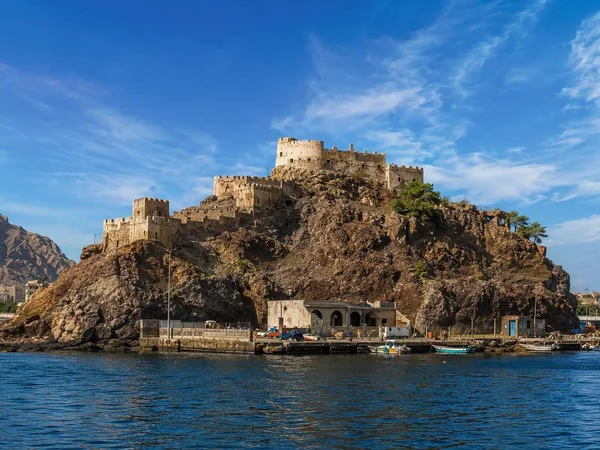
- Sira Castle: a fortress on a volcanic outcrop overlooking the old harbour. Its location makes clear why control of Aden’s sea approach mattered for centuries.
- The crater walls and Front Bay: these are not background scenery; they are the structure of the historic city. The walls contain the old settlement while the bay faces its maritime route.
Aden’s buildings and infrastructure record a commercial city with connections across the Red Sea, East Africa, the Gulf and the Indian Ocean. Mosques, churches and temples are part of that long urban history.
How to read the port city
Start with the relationship between slope, water and harbour. The cistern system shows how the city adapted to a dry volcanic setting; Sira Castle shows how it guarded the seaward entrance. The urban fabric between them carries the later layers of port commerce and British rule.
Do not treat the cisterns as decorative pools. Their stepped basins, channels and spillways are a practical hydraulic system. At Sira, keep the focus on the fortress’s position above the harbour rather than assuming that interior access is available.
Access and safety
Aden is not currently a conventional independent travel destination. Official travel advice warns against all travel to Yemen because of armed conflict, terrorism, kidnapping, crime, health risks and landmines or unexploded ordnance. Conditions can change rapidly, while public services and medical care are severely constrained.
Do not make sightseeing plans around fixed opening hours, public transport, or access to historic sites: these cannot be treated as reliable. Avoid military, port, government and security facilities, including photography around them. The responsible approach is to treat Aden as a place for historical study unless travel is necessary and managed through current, specialist local arrangements.
From the magazine
Stories about Aden
Editorial stories linked directly to Aden.
No stories about Aden have been published yet.
Routes from our editors
Travel through Aden
Editorial routes connecting Aden with other countries, cities and hotspots.
No routes through Aden have been published yet.
More in Yemen
Related hotspots
Other cities, nature areas and places within Yemen.
Sira (Crater District)
1 linked stories and routes
Crater, Aden
1 linked stories and routes
Tawila cisterns
0 linked stories and routes
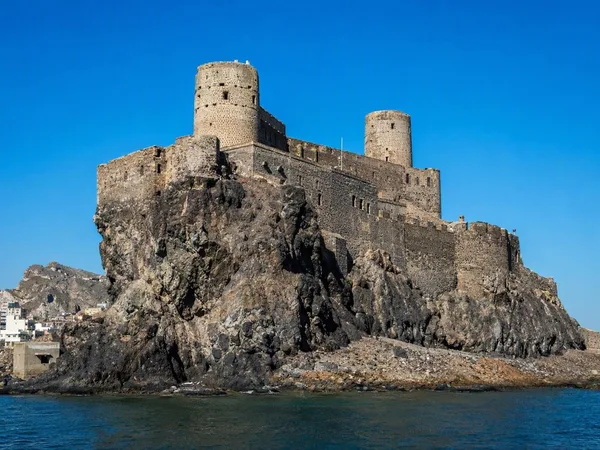
Sira Castle
0 linked stories and routes
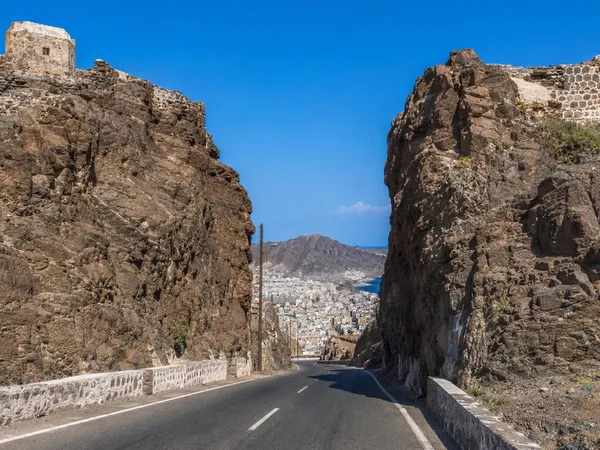
Main Pass, Aden
0 linked stories and routes
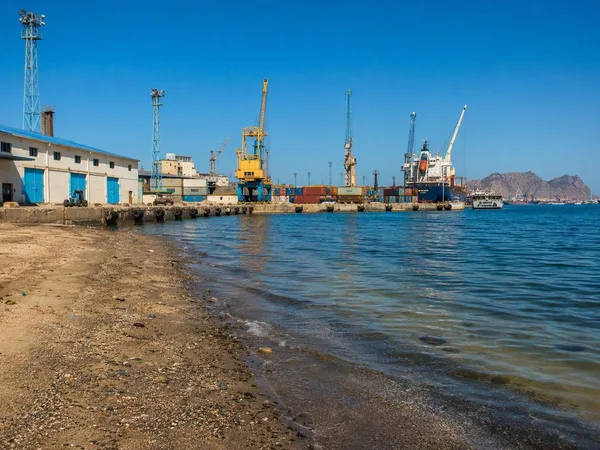
Ma'alla Beach, Aden
0 linked stories and routes
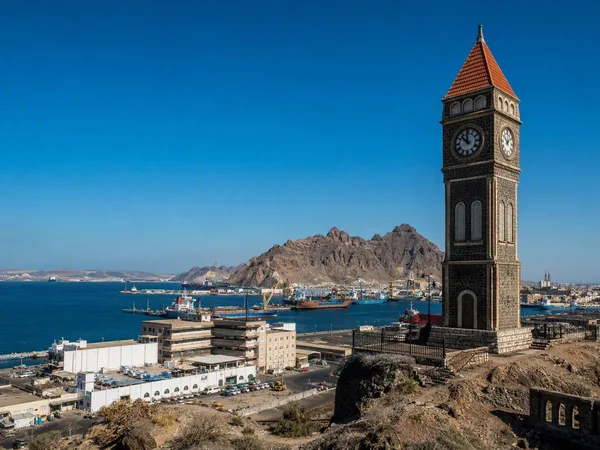
Tawahi, Aden
0 linked stories and routes
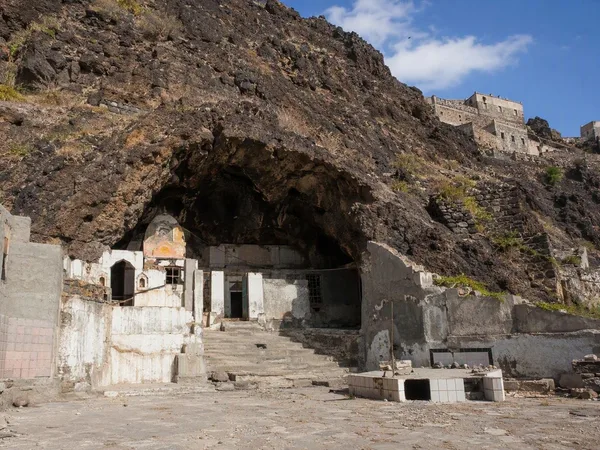
Khussaf, Aden
0 linked stories and routes