
City · Yemen
Sana’a
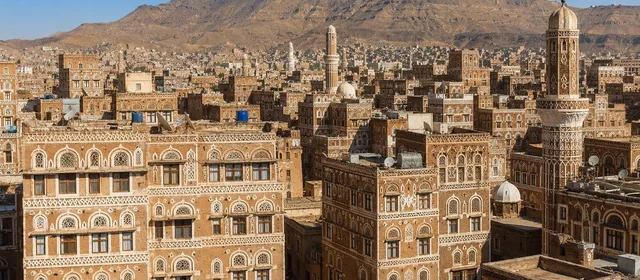
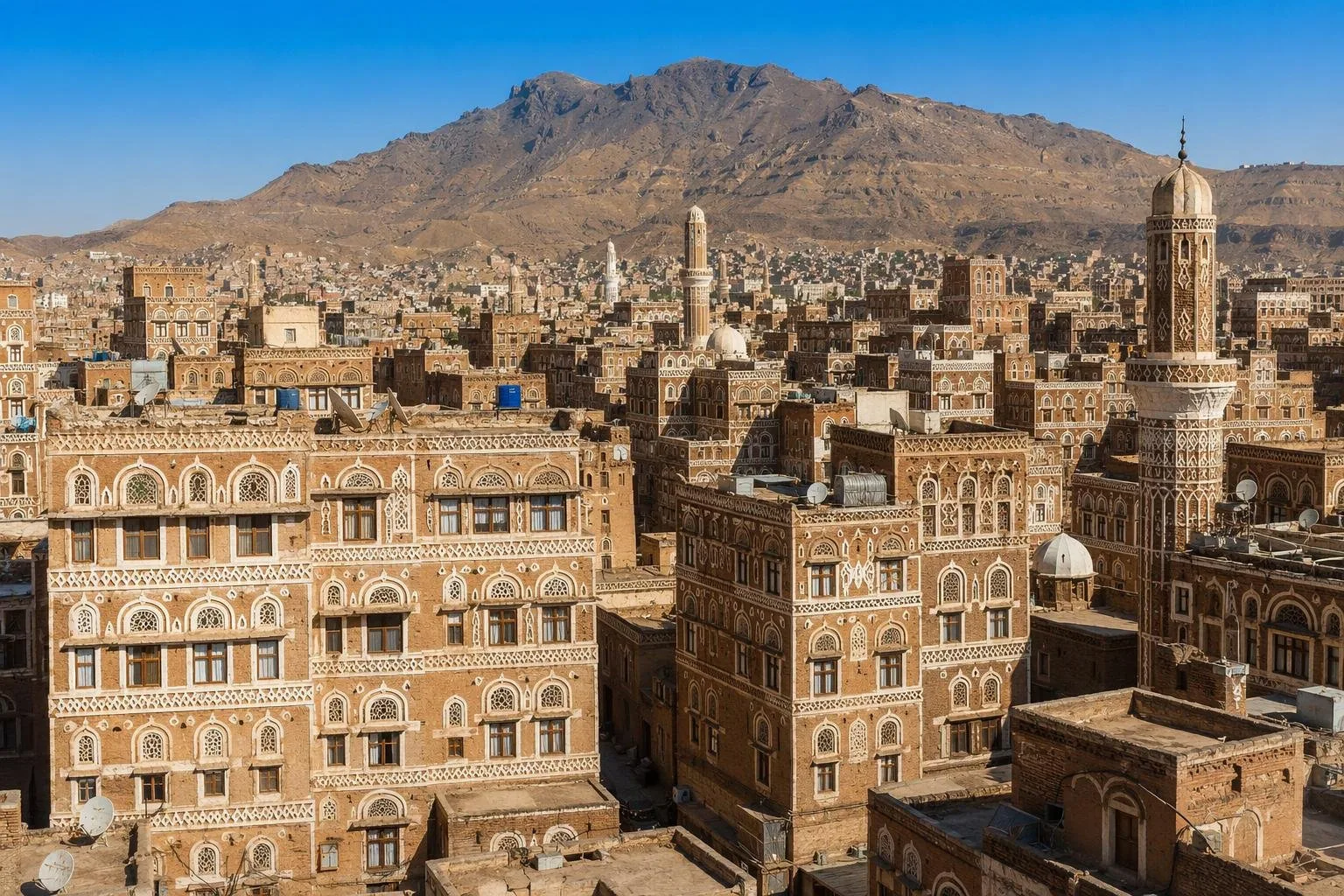
Sana’a is Yemen’s highland capital, centred on an Old City of tall earthen tower houses, mosques and gardens in a mountain basin. Its defining experience is architectural: fired brick and rammed earth cut with white gypsum decoration.
The city at a glance
Sana’a sits in Yemen’s western highlands at roughly 2,200 metres. Its historic core has been inhabited for more than 2,500 years and grew into a major centre of Islamic life in the 7th and 8th centuries. The Old City is a World Heritage site and the essential reference point for understanding Sana’a.
This is a compact, vertical urban landscape. Ochre buildings merge visually with the surrounding brown mountains; white gypsum patterns and minarets break the skyline.
Read the Old City
The Old City’s many-storey tower houses are built in rammed earth and fired brick above stone ground floors. Look for the white geometric gypsum work that frames windows, bands façades and picks out rooflines.
The buildings were working family houses rather than isolated monuments. Traditionally, storage and livestock occupied the stone base; living rooms rose above; the upper mafraj served as a reception room, with broad windows along three sides. Green bustans—gardens—interrupt the dense fabric alongside mosques, hammams and caravanserais.
A historic inventory recorded more than 6,000 houses, 103 mosques and 14 hammams. The point is the ensemble: narrow lanes, vertical homes, planted plots and religious buildings read as one city rather than a list of sights.
Qishr and the domestic table
Qishr is Yemen’s light, hot infusion of dried coffee-cherry husks rather than roasted beans. Ginger is fundamental; cinnamon is common, while cardamom or clove may vary by household. Around Sana’a, ginger can be especially pronounced.
It belongs to Yemen’s wider highland culture, not to Sana’a alone. In the context of the tower house, it fits the long-established custom of receiving guests in the upper rooms. Expect a tea-like, amber drink with fruit notes and warming spice, not a cup of dark coffee.
Access and current reality
Do not treat Sana’a as a routine visitor destination. Security conditions in Yemen are unpredictable, and official travel advice warns against all travel. Access routes, airspace and local movement can change abruptly; foreign consular support is severely limited.
The Old City is also vulnerable heritage. Conflict, inappropriate development and loss of open garden space have put pressure on its historic fabric. If circumstances ever permit a visit, photography requires particular care: do not photograph people without consent or photograph military or security sites.
Cultural conduct
Sana’a is in a conservative Islamic setting. Dress should be loose and cover elbows and knees; avoid political imagery or slogans. During Ramadan, do not eat, drink or smoke publicly during daylight hours. Mosques are active religious spaces, not default sightseeing interiors.
From the magazine
Stories about Sana’a
Editorial stories linked directly to Sana’a.
No stories about Sana’a have been published yet.
Routes from our editors
Travel through Sana’a
Editorial routes connecting Sana’a with other countries, cities and hotspots.
No routes through Sana’a have been published yet.
More in Yemen
Related hotspots
Other cities, nature areas and places within Yemen.
Aden
7 linked stories and routes
Crater, Aden
2 linked stories and routes
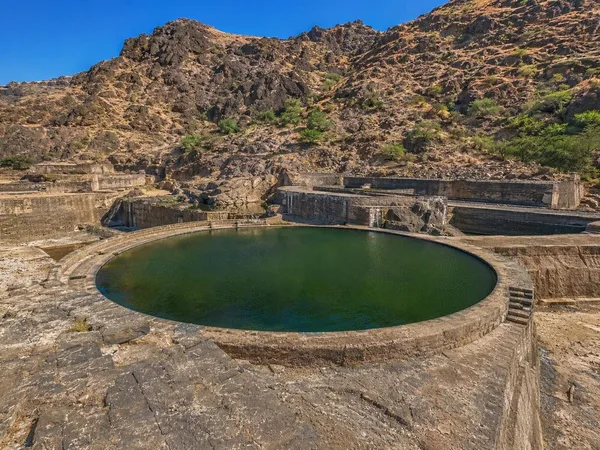
Tawila cisterns
1 linked stories and routes
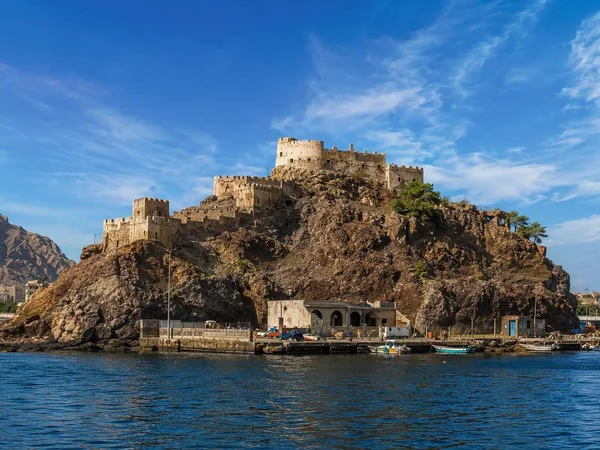
Sira (Crater District)
1 linked stories and routes
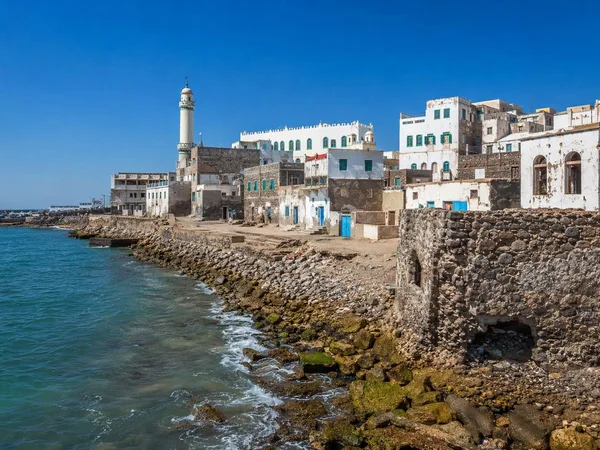
Mocha, Yemen
1 linked stories and routes
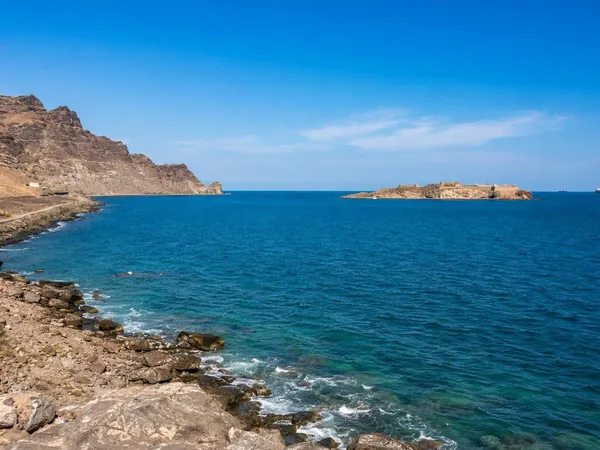
Front Bay, Aden
1 linked stories and routes
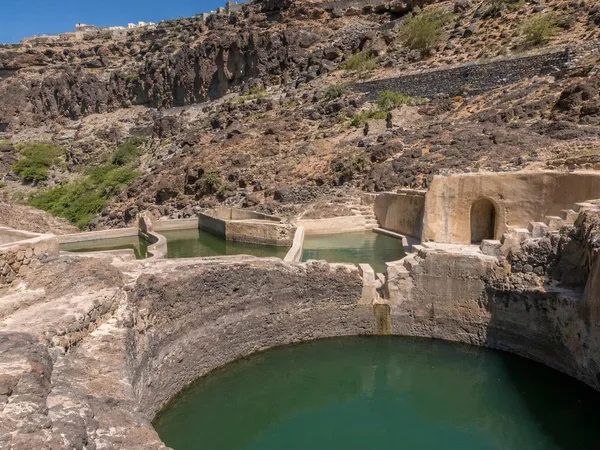
Wadi Tawila, Aden
1 linked stories and routes
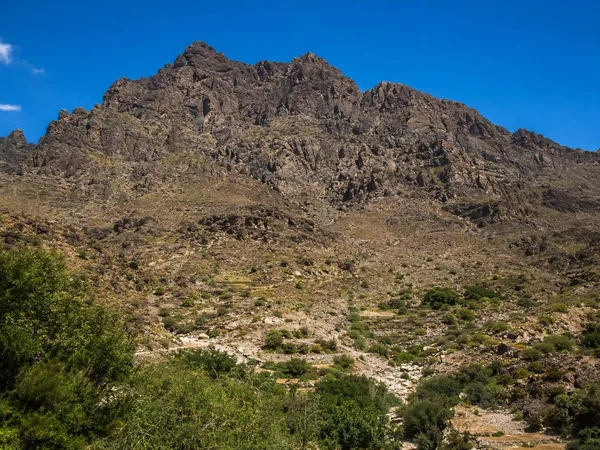
Shamsan massif
1 linked stories and routes
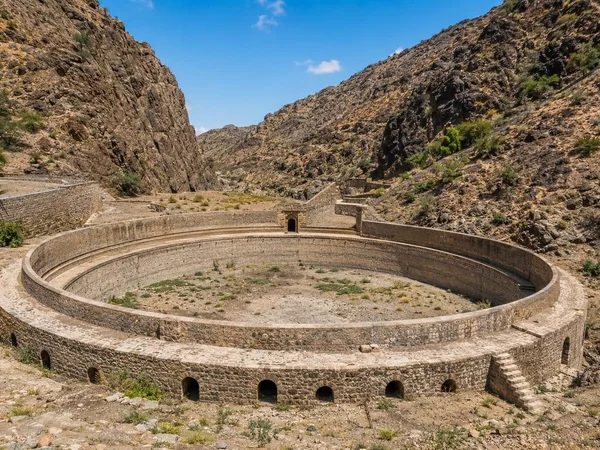
Playfair Tank
1 linked stories and routes
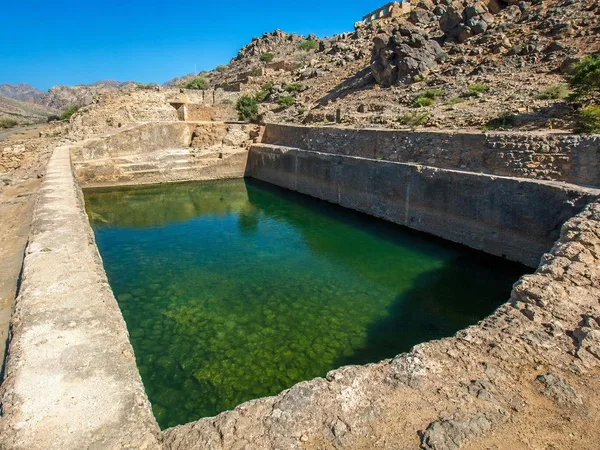
Coghlan Tank
1 linked stories and routes
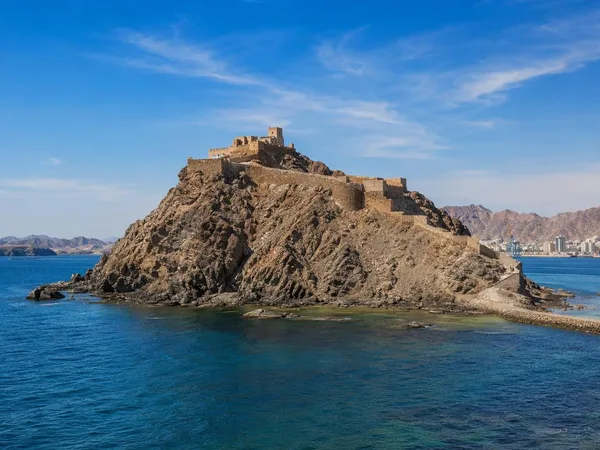
Sirah Island
1 linked stories and routes
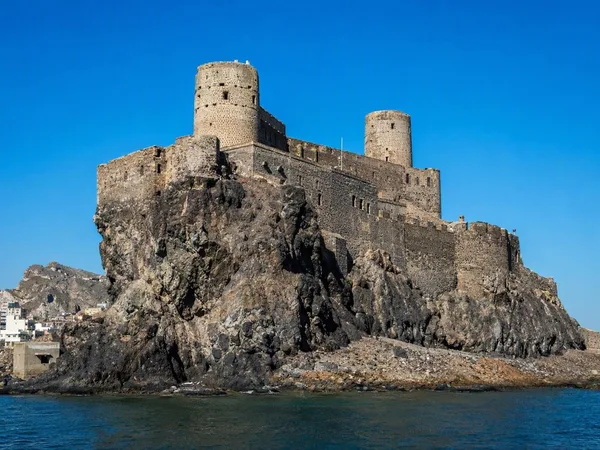
Sira Castle
0 linked stories and routes
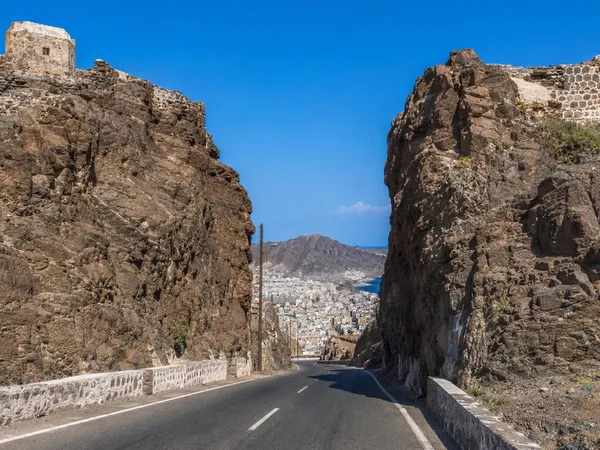
Main Pass, Aden
0 linked stories and routes
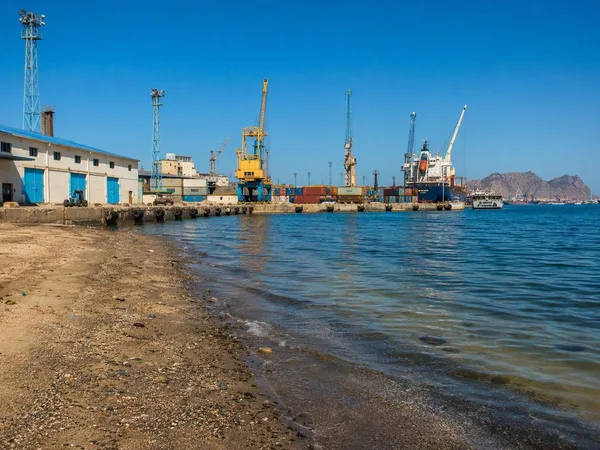
Ma'alla Beach, Aden
0 linked stories and routes
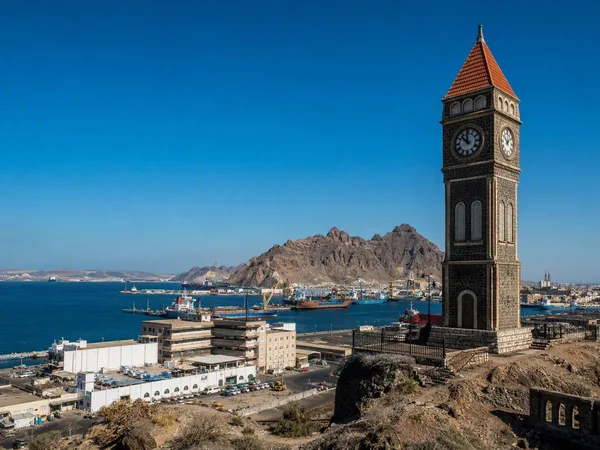
Tawahi, Aden
0 linked stories and routes
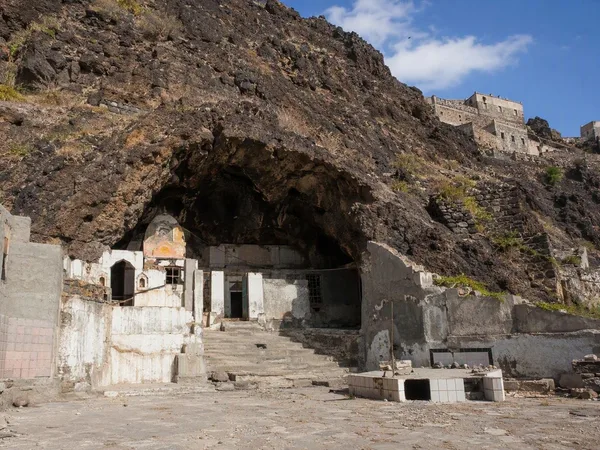
Khussaf, Aden
0 linked stories and routes