
Region · Saudi Arabia
Hejaz
Hejaz is Saudi Arabia’s historic western region, running along the Red Sea between the Jordanian border and the Asir highlands. It contains Jeddah, Makkah and Madinah, and pairs pilgrimage landscapes with ports, mountain towns and deep archaeological heritage.
The region at a glance
Hejaz—also spelled Hijaz—is a historical region rather than a modern administrative unit. It occupies western Saudi Arabia: the Red Sea lies to the west, Najd’s interior plateau to the east. Its geography changes quickly from humid coastal plain to rugged mountains and higher inland country.
For travel, think in linked but distinct zones: Jeddah on the coast; the holy cities of Makkah and Madinah inland; Taif in the uplands; and the archaeological north around AlUla.
Why it matters
Makkah and Madinah give Hejaz exceptional importance in Islam. Pilgrimage has also made the region a meeting place for merchants, scholars and travellers from across the Muslim world, leaving a strong urban culture in its port cities and old quarters.
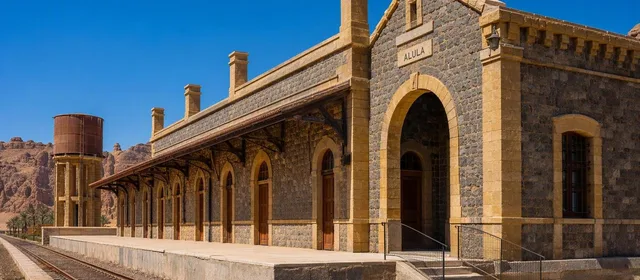
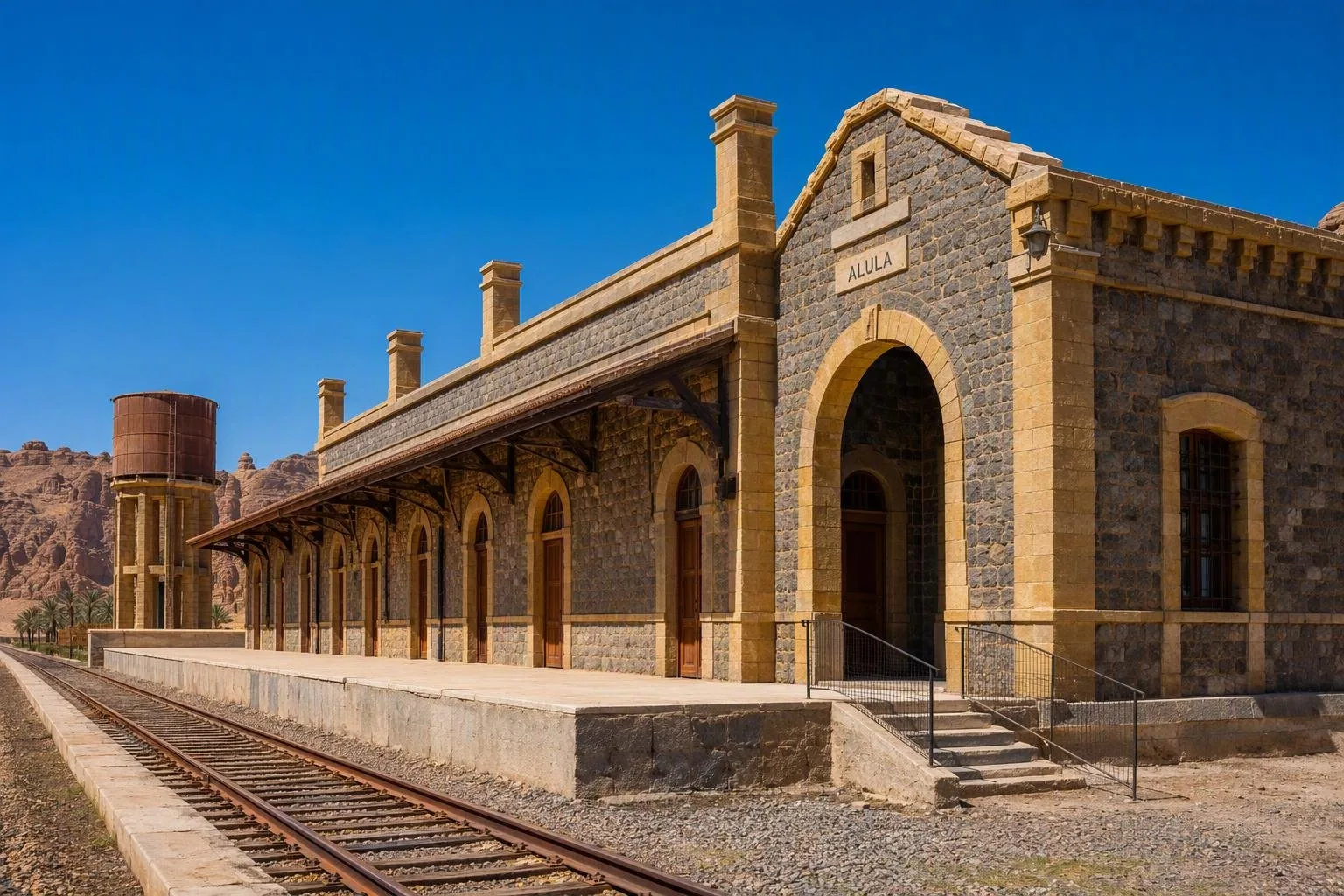
The region’s political history is equally layered. Ottoman rule, the short-lived Kingdom of Hejaz and its incorporation into the Saudi state all form part of the modern landscape. The old Hejaz Railway is a useful thread through that story: surviving stations, bridges and trackside structures run through the north toward Madinah.
Key places and landscapes
- Jeddah: Start with Historic Jeddah, Al-Balad, whose coral-stone houses and wooden roshan screens recall the city’s role as a Red Sea port and gateway to Makkah.
- Makkah and Madinah: The religious heart of the region. Makkah centres on the Grand Mosque and Kaaba; Madinah on the Prophet’s Mosque.
- Taif: A highland city traditionally used as a summer retreat, noticeably different in feel from the coast.
- AlUla and Hegra: In the northern Hejaz, Hegra preserves monumental Nabataean tomb façades carved into sandstone. AlUla’s restored Hejaz Railway station gives context to the later pilgrimage route.
Moving through Hejaz
Jeddah is the principal air gateway and a practical base for the coast. The Haramain high-speed railway links Makkah, Jeddah, King Abdulaziz International Airport, King Abdullah Economic City and Madinah. It is the efficient option for the main pilgrimage corridor, not for the full length of the region.
Distances beyond that corridor are substantial. AlUla, Tabuk, Taif and smaller coastal or mountain stops require separate road or domestic-air planning; a car is most useful once outside the major cities.
Access and respectful travel
Makkah is closed to non-Muslims. Access controls are enforced on approaches to the city. In Madinah, access around the Prophet’s Mosque is also governed by religious rules.
Dress modestly in public, especially around religious sites and older neighbourhoods. Build outdoor sightseeing around the heat on the coast; upland places such as Taif are generally cooler. Ramadan and the Hajj period reshape transport, accommodation and crowd levels across the central part of Hejaz.
From the magazine
Stories about Hejaz
Editorial stories linked directly to Hejaz.
No stories about Hejaz have been published yet.
Routes from our editors
Travel through Hejaz
Editorial routes connecting Hejaz with other countries, cities and hotspots.
No routes through Hejaz have been published yet.
More in Saudi Arabia
Related hotspots
Other cities, nature areas and places within Saudi Arabia.
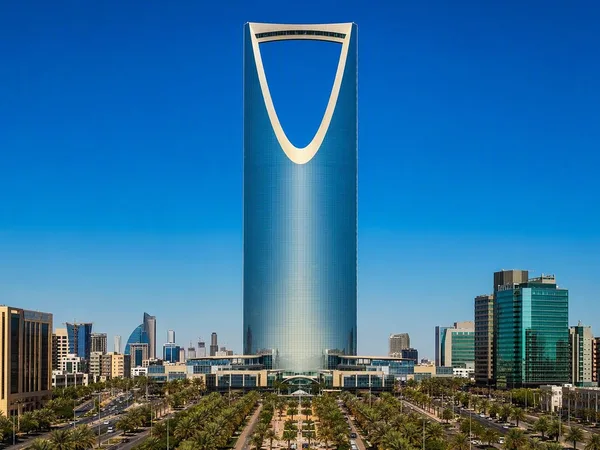
Riyadh
4 linked stories and routes
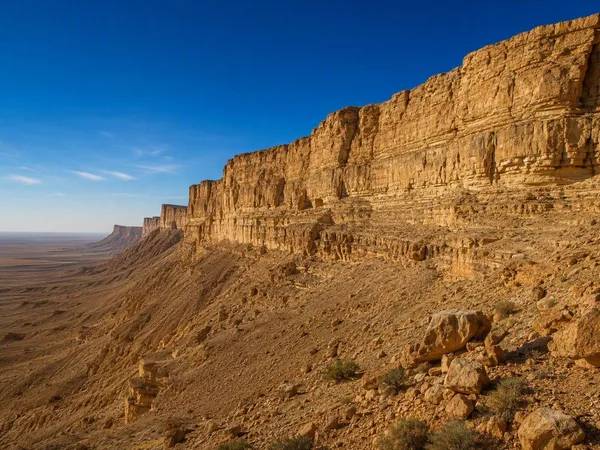
Najd plateau
2 linked stories and routes
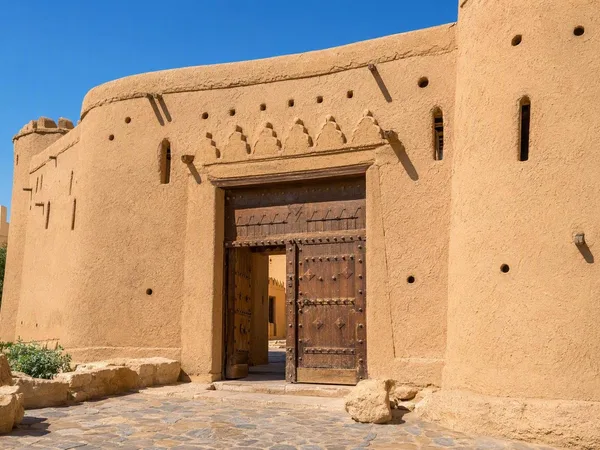
Masmak Fort
2 linked stories and routes
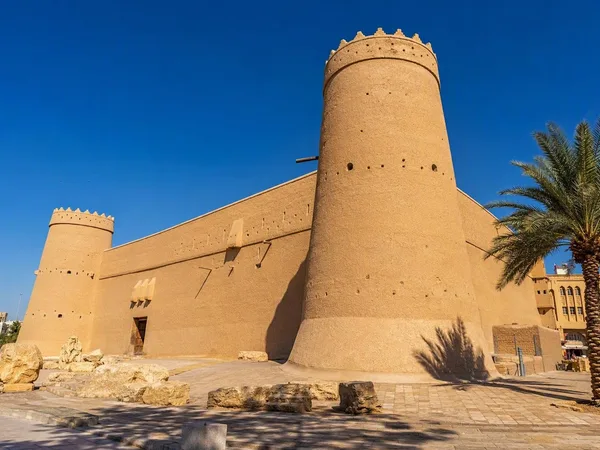
Al-Dirah
2 linked stories and routes
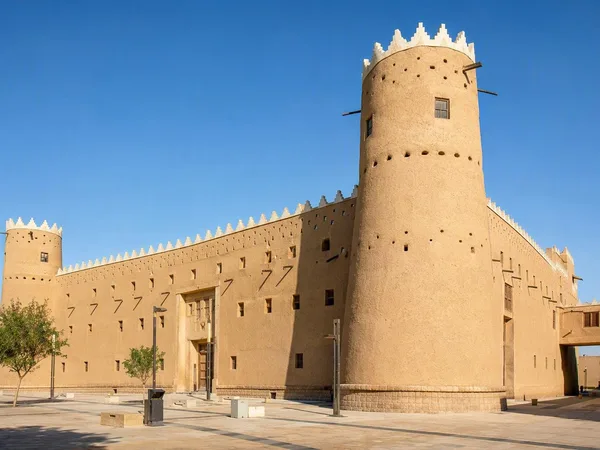
Qasr Al-Hukm
2 linked stories and routes
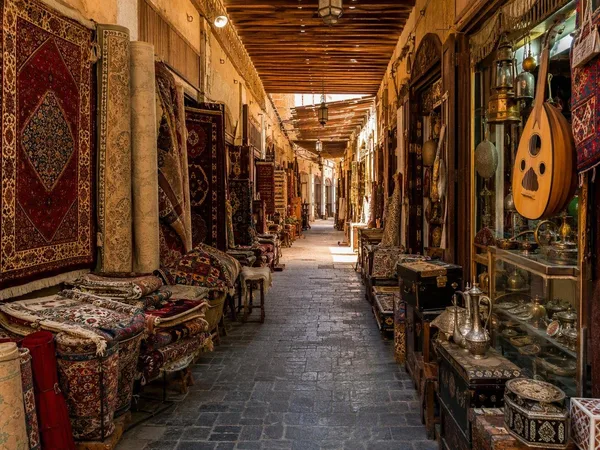
Souq Al-Zal
2 linked stories and routes
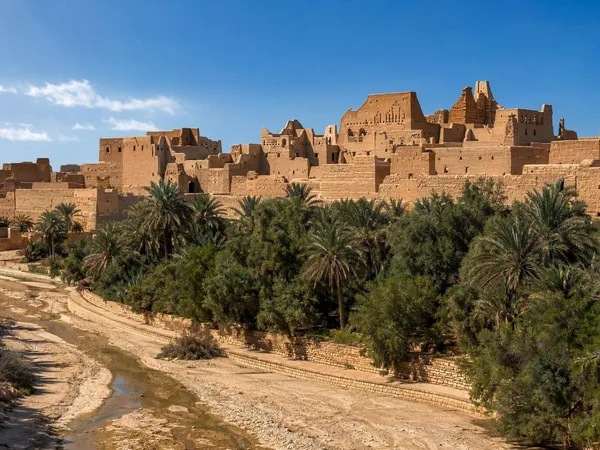
Diriyah
1 linked stories and routes
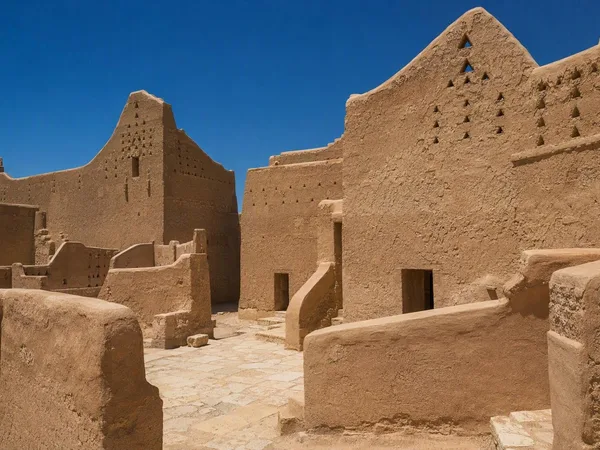
At-Turaif, Diriyah
1 linked stories and routes
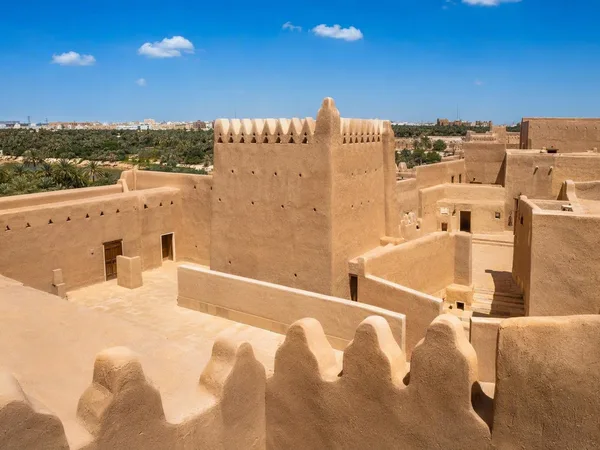
Salwa Palace
1 linked stories and routes
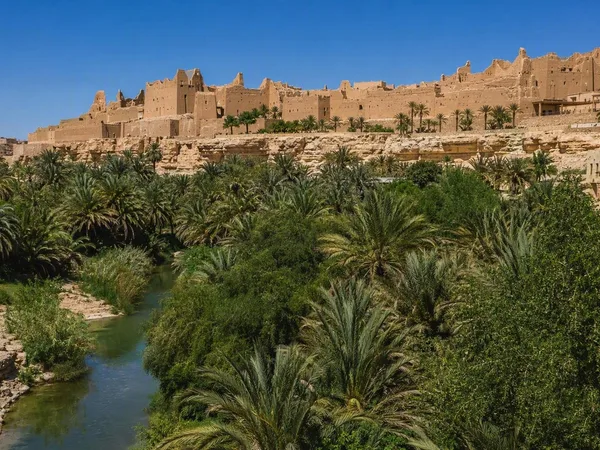
Wadi Hanifah
1 linked stories and routes
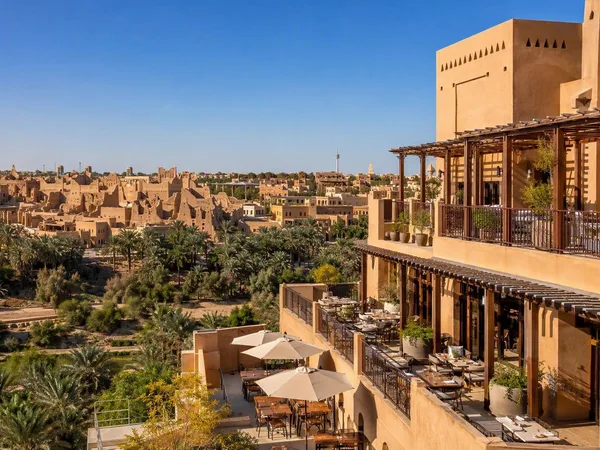
Bujairi Terrace, Diriyah
1 linked stories and routes
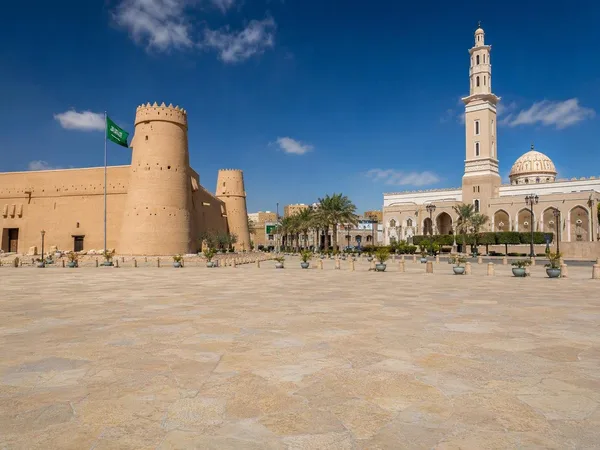
Deera Square
1 linked stories and routes