
City · Saudi Arabia
Diriyah
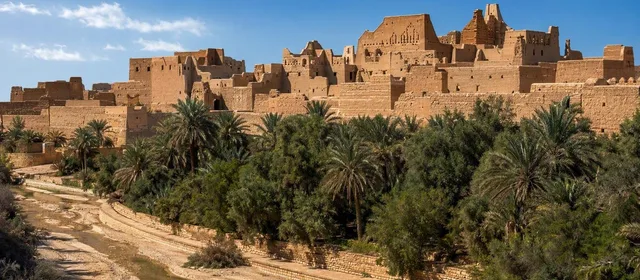
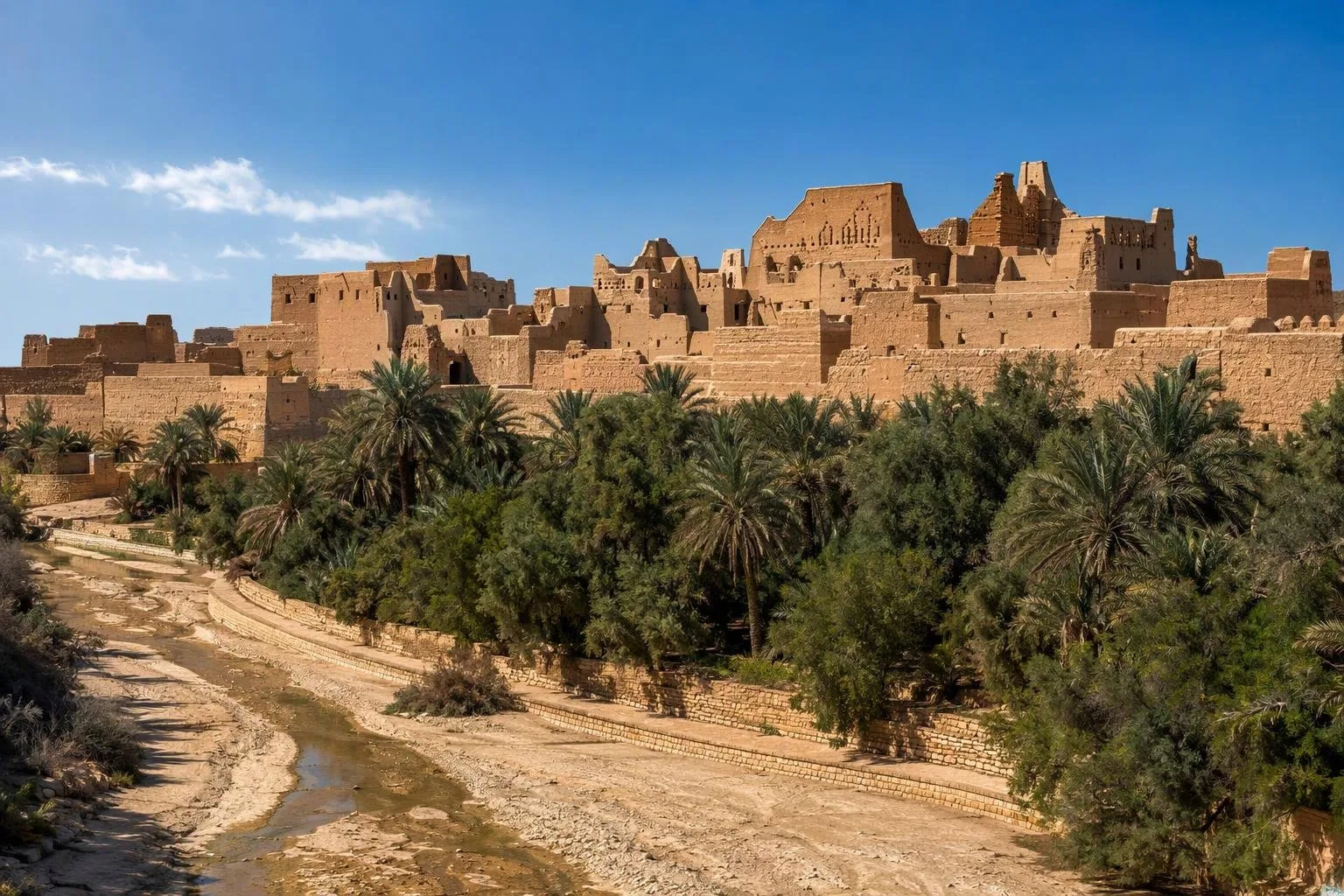
Diriyah is the historic oasis city on the northwestern edge of Riyadh, Saudi Arabia. Its principal landmark is At-Turaif, the mud-brick citadel that served as the seat of the First Saudi State.
Orientation
Diriyah occupies an oasis landscape along Wadi Hanifah, northwest of central Riyadh. The wadi is usually dry, but its shallow water table and fertile banks supported wells, irrigated fields and date-palm groves. That relationship between valley and settlement is the key to reading the place: agriculture lay below, while the fortified political centre stood on higher ground.
The historic focal point is At-Turaif, on the western bank of the wadi. Its compact earthen skyline is the core reason to come; modern dining and visitor facilities sit nearby rather than replacing the historic site.
Why At-Turaif matters
At-Turaif developed into the seat of government of the First Saudi State and was chosen as the royal residence in 1766. It became a centre of political administration, religious teaching and military power before its destruction in 1818. The district was inscribed on the UNESCO World Heritage List in 2010.
Its significance is architectural as well as historical. Builders used mud brick, limestone, palm timber and clay drawn from the wadi environment to create the distinctive Najdi style: thick earthen walls, internal courtyards, narrow passages and carefully controlled openings.
What to look for
Give the site time rather than treating it as a backdrop for dinner. Key elements include:
- Salwa Palace, the sprawling former royal and administrative complex.
- Palaces and mosques, which show how governance, worship and domestic life were concentrated within the citadel.
- The wadi setting, visible from the plateau and essential to understanding the oasis economy.
- Architectural detail: mud-brick courses, plastered surfaces, defensive walls and the consistent earth-coloured massing of the district.
At-Turaif has museums and a self-guided audio tour; use them to place the ruins in the chronology of the First Saudi State.
Visiting At-Turaif
At-Turaif is open daily from 5pm to midnight, with final entry at 11pm. Evening is the practical time to visit: the site is outdoors, and the earthen buildings are easier to examine after the heat eases. Allow roughly two to three hours for the citadel and its displays.
Arrange the required Diriyah access pass through the official visitor channel. Stay on designated routes: the site is a protected archaeological and architectural landscape, not an open ruin to climb over. Accessible pathways are available, but historic surfaces and level changes still make firm walking shoes useful.
Getting there and around
From central Riyadh, use a taxi, ride-hailing service or car. Parking is available at Bujairi and Samhan. Once there, cover the historic area on foot; Bujairi Terrace sits near the wadi and provides restaurants and views towards At-Turaif. Access roads can change during ongoing development, so use the current directions supplied with your pass.
From the magazine
Stories about Diriyah
Editorial stories linked directly to Diriyah.
No stories about Diriyah have been published yet.
Routes from our editors
Travel through Diriyah
Editorial routes connecting Diriyah with other countries, cities and hotspots.
No routes through Diriyah have been published yet.
More in Saudi Arabia
Related hotspots
Other cities, nature areas and places within Saudi Arabia.
Riyadh
2 linked stories and routes
Najd plateau
1 linked stories and routes
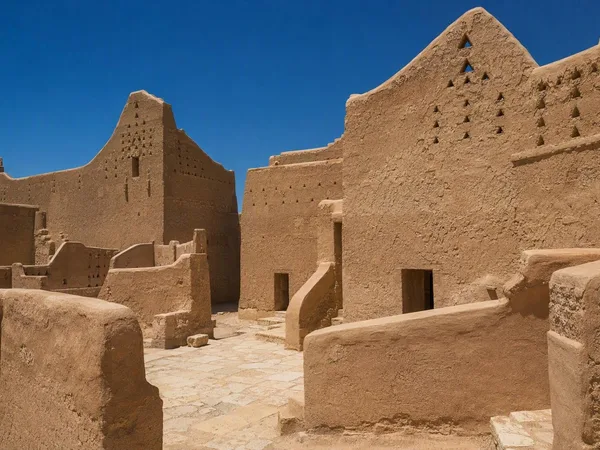
At-Turaif, Diriyah
1 linked stories and routes
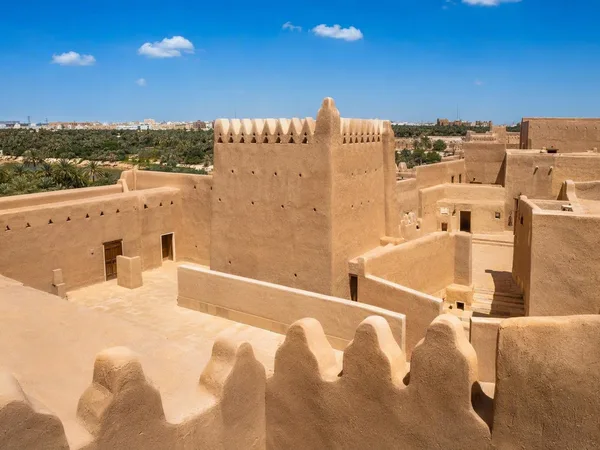
Salwa Palace
1 linked stories and routes
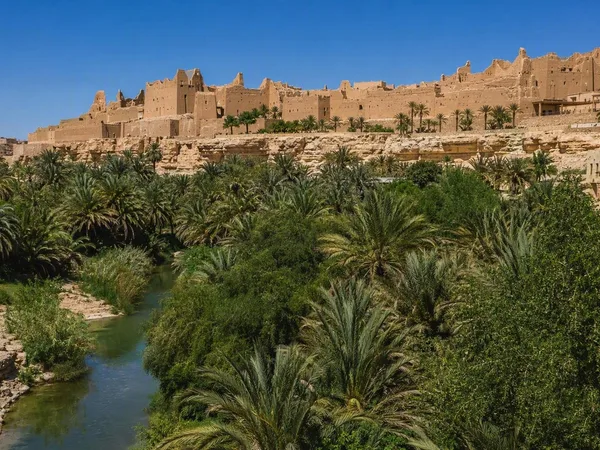
Wadi Hanifah
1 linked stories and routes
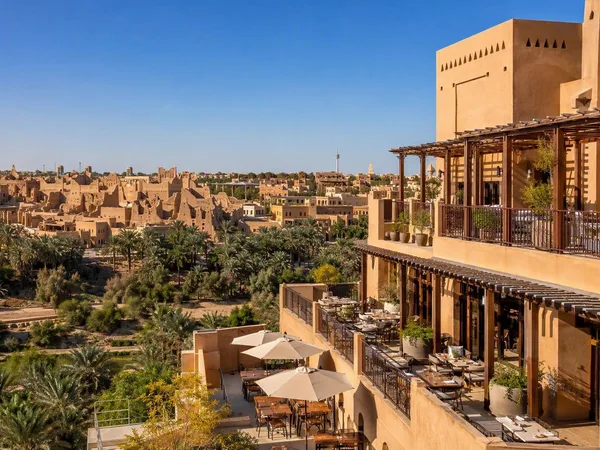
Bujairi Terrace, Diriyah
1 linked stories and routes