
Sight · Saudi Arabia
Salwa Palace
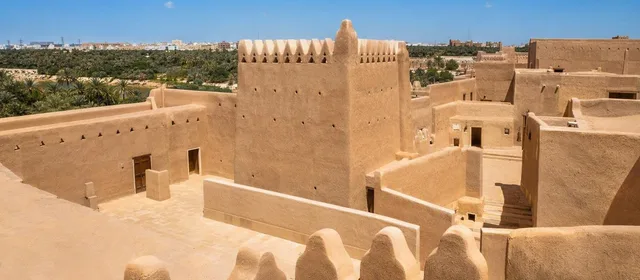
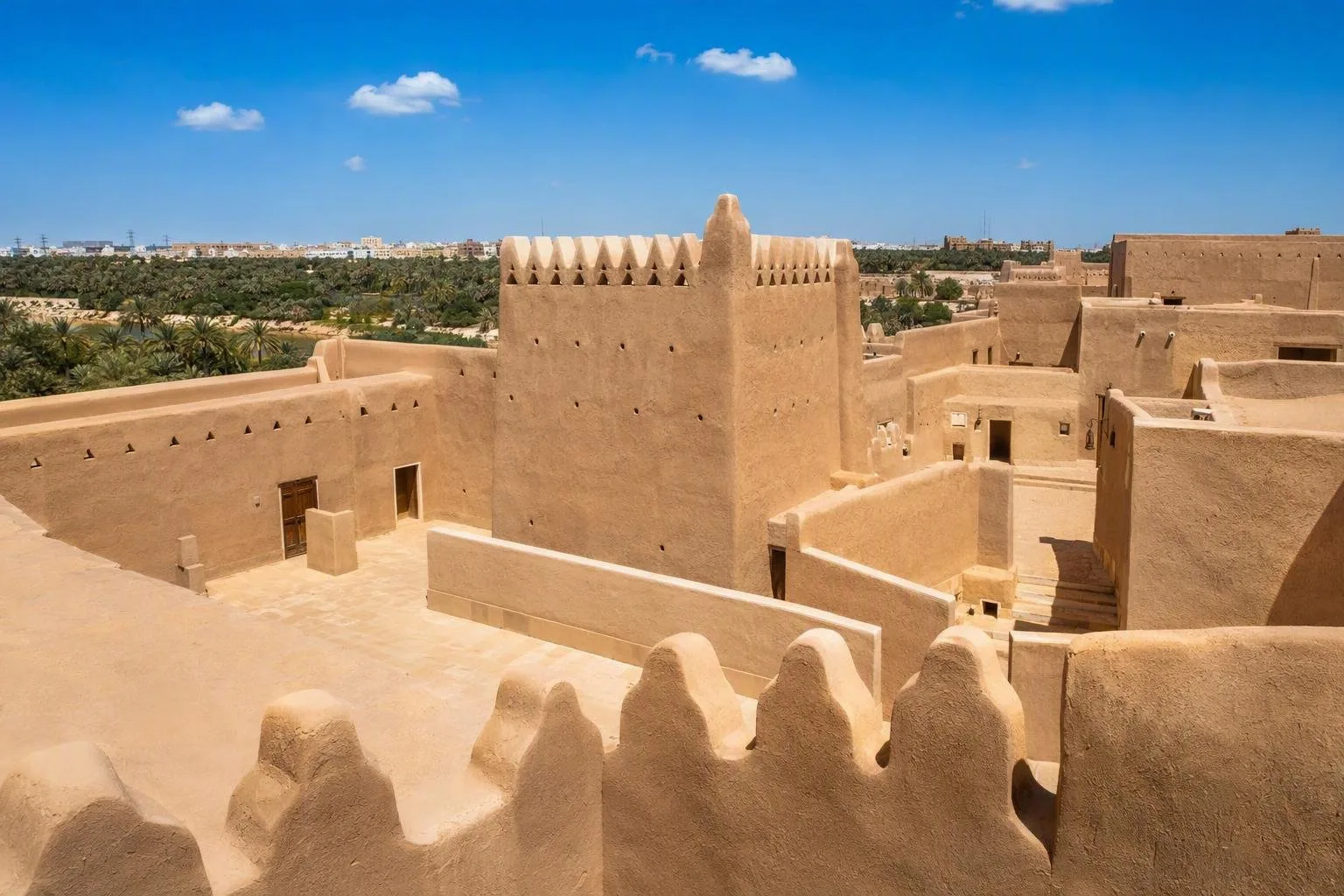
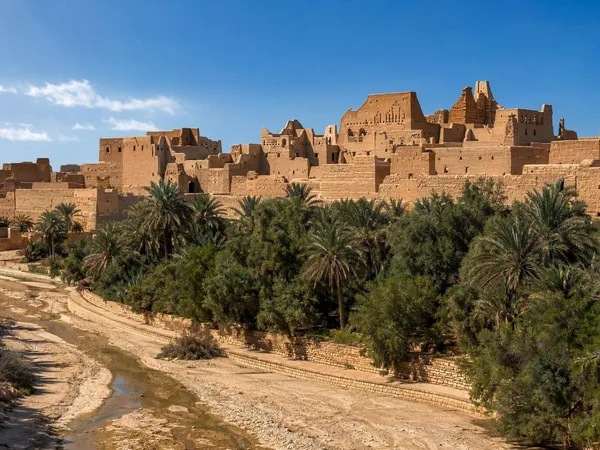
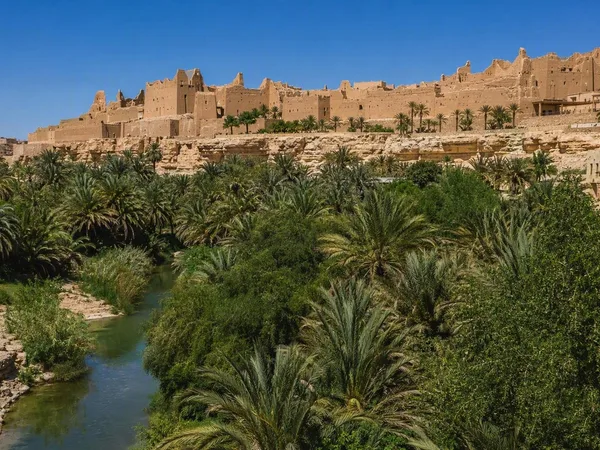
Salwa Palace is the former seat of government of the First Saudi State, within At-Turaif in Diriyah, northwest of Riyadh. Its extensive mud-brick complex combined rule, residence and religion above Wadi Hanifah.
Why it matters
Salwa Palace was the ruling complex of the First Saudi State and the permanent residence of its imams. Built in stages from 1765, it was where government business, reception and domestic life met. At roughly 10,000 square metres, it is the largest palace complex in At-Turaif.
The palace stands in the eastern part of the historic district, overlooking Wadi Hanifah. It was abandoned after the destruction of Diriyah in 1818; the surviving ruins and restored sections now form part of the At-Turaif heritage site.
Read the complex
This is not a single ceremonial building. Salwa Palace developed as seven linked units, separated by alleys and small open spaces. Its functions included:
- reception and hospitality halls;
- quarters for the imam and family;
- administrative offices, guard spaces and storage;
- an attached mosque.
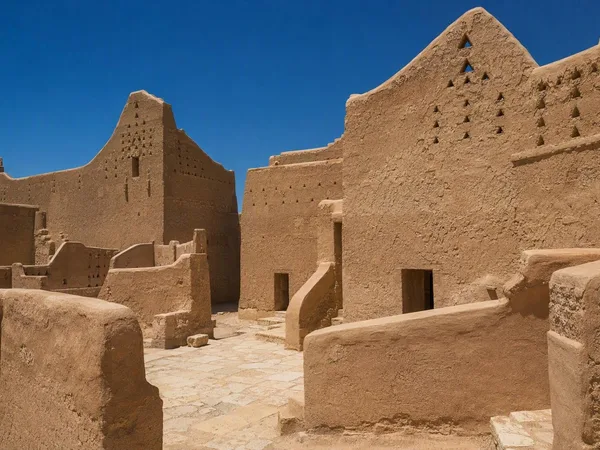
Look for the logic of Najdi construction: substantial earthen walls, compact volumes, internal courts and small openings. The complex was built with local materials, including mud brick, limestone in lower structures and palm wood.
Palace and mosque
The Great Mosque of At-Turaif stood beside Salwa Palace and was the principal mosque of the state. Imams led Friday prayers there, while its school taught religious studies and writing.
An elevated bridge, built under Imam Saud bin Abdulaziz, connected the palace and mosque at upper-floor level. It made the relationship between political authority and the district's religious institution physically explicit. The mosque itself is a separate landmark, but it is essential context when viewing the palace.
Visiting the site
Salwa Palace is within At-Turaif, the UNESCO-listed historic district in Diriyah. Treat it as a walk-through archaeological complex rather than a furnished royal interior: follow the designated paths through the restored remains and use the interpretive displays to distinguish the palace's different spaces.
The palace contains the Diriyah Museum displays, which focus on the history and administration of the First Saudi State. Allow time to see the palace in relation to the adjacent mosque and the view across Wadi Hanifah.
Practical notes
- Best approach: enter through the At-Turaif visitor route; Salwa Palace is one component of the larger district.
- Underfoot: wear stable shoes for uneven historic surfaces and outdoor walking.
- Respect the fabric: remain on marked routes and do not climb walls or enter restricted ruins. Earthen architecture is particularly vulnerable to contact and weather.
- Timing: the official visitor schedule lists evening opening, from 5pm to midnight.
From the magazine
Stories about Salwa Palace
Editorial stories linked directly to Salwa Palace.
No stories about Salwa Palace have been published yet.
Routes from our editors
Travel through Salwa Palace
Editorial routes connecting Salwa Palace with other countries, cities and hotspots.
No routes through Salwa Palace have been published yet.
More in Saudi Arabia
Related hotspots
Other cities, nature areas and places within Saudi Arabia.
Riyadh
2 linked stories and routes
Najd plateau
1 linked stories and routes
Diriyah
1 linked stories and routes
At-Turaif, Diriyah
1 linked stories and routes
Wadi Hanifah
1 linked stories and routes
Bujairi Terrace, Diriyah
1 linked stories and routes