Greece

Ancient cities, mountain villages and island ports

Greece

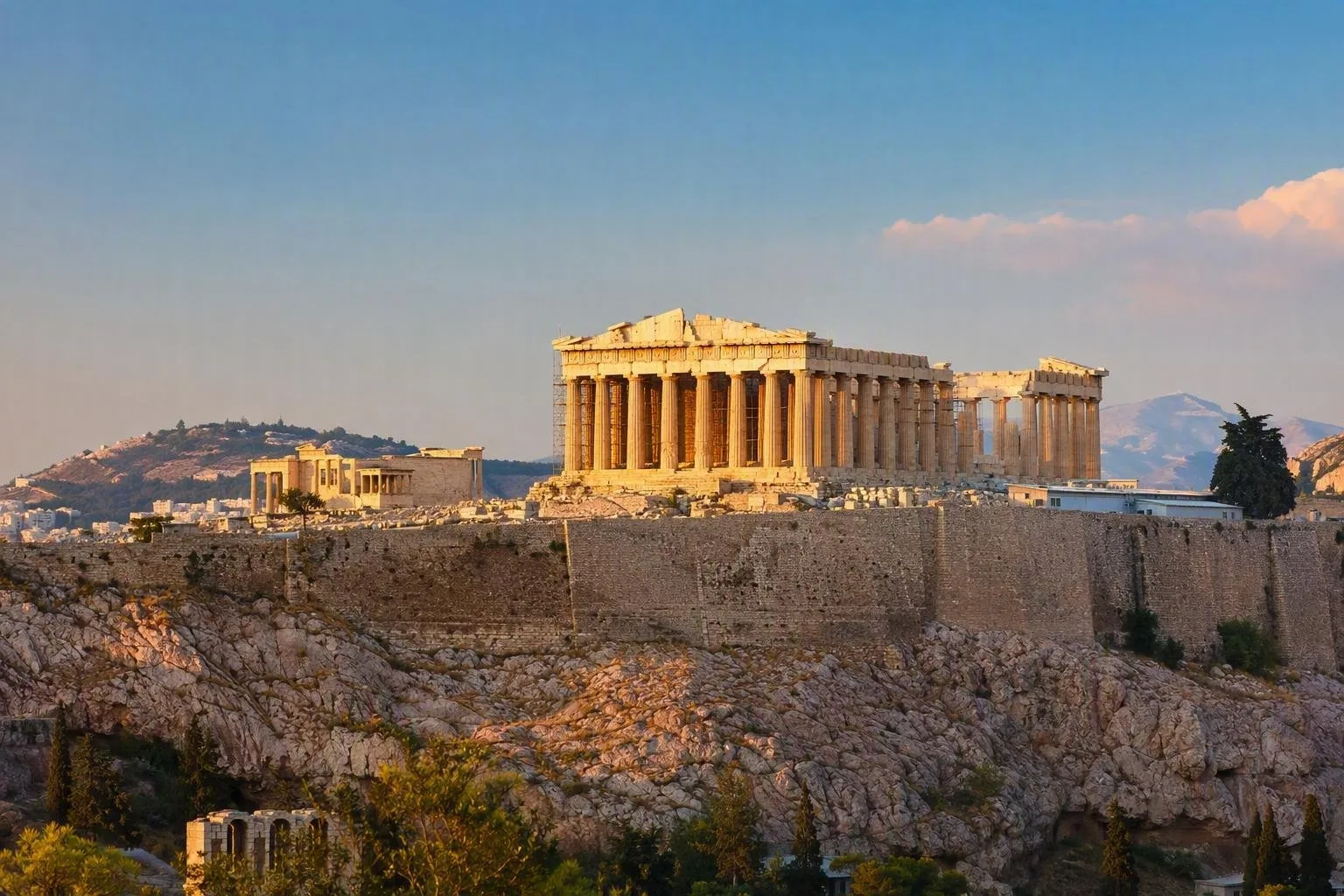
Greece pairs visible layers of history with sharply distinct mainland and island cultures.

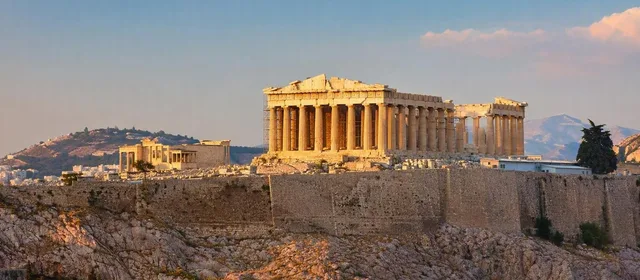
Greece makes its past part of the everyday view. In Athens, commuters cross Monastiraki Square beneath the Acropolis, while market traders work a few streets from the Roman Agora. Apartment blocks stand beside Byzantine churches, and people eat late at tables on pavements below old Ottoman-era houses. The ruins matter, but they are only one part of the country. Mountains cut the mainland into regions with their own building styles and food, while ferries connect islands that can feel very different from one another.

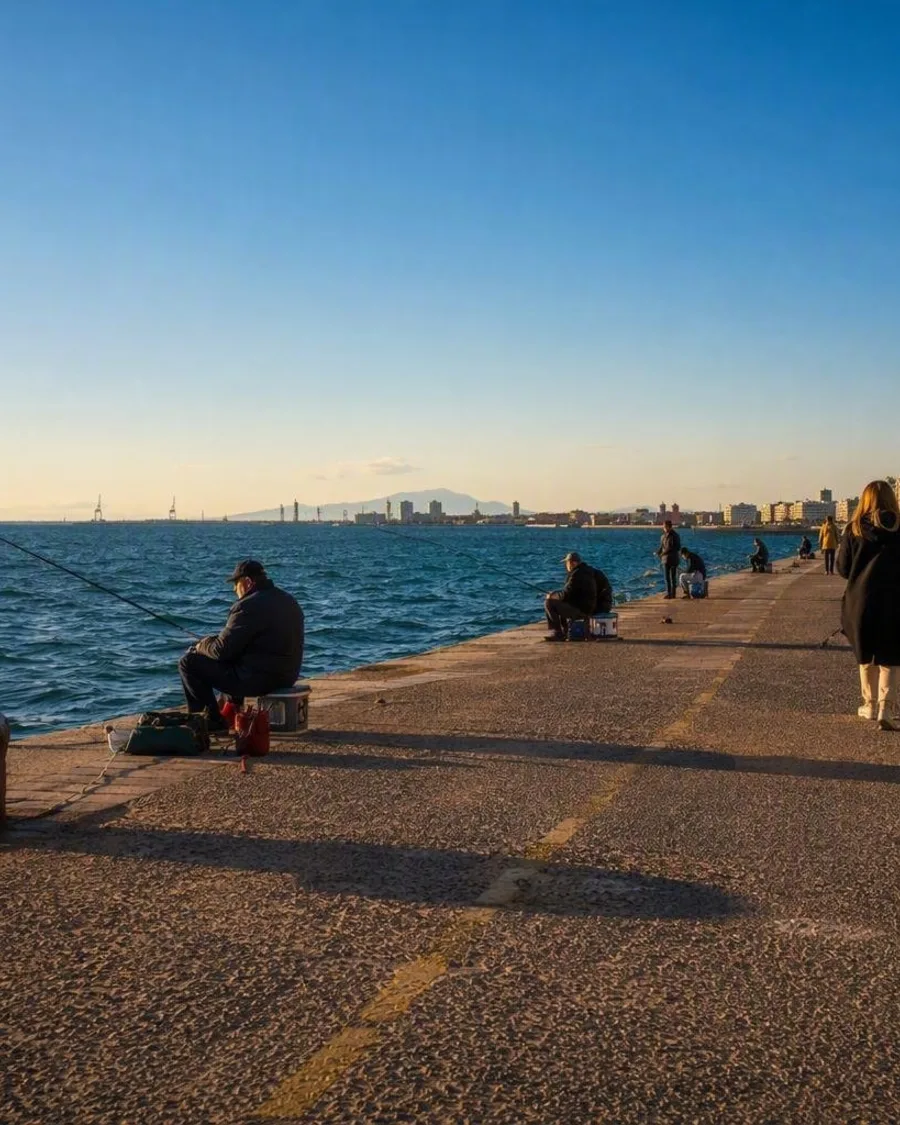
At Meteora, monasteries sit above the stone houses of Kalabaka on tall rock pillars. In Epirus, grey-stone villages follow steep slopes above gorges and old arched bridges. Thessaloniki carries Roman and Byzantine walls, Ottoman baths, a seafront promenade and the food of a city shaped by Greek, Jewish and Balkan communities.

The islands bring another set of contrasts. The Cyclades have dry hills, close-packed villages, capers and salty local cheeses. Crete combines high mountain roads, Minoan sites, olive groves and dishes built around greens, beans, herbs and sheep’s milk. In Corfu Town, Venetian forts and arcades sit beside cafés and narrow lanes. Give Greece time beyond the headline ruins and busy beaches, and stay for a village meal, a harbour evening or a walk through a city neighbourhood.

When to go

Best time to travel

The monthly values are indicative average maximum temperatures for Athens and the surrounding Attica region. Conditions vary meaningfully across Greece, especially between the northern mainland, mountain areas and the islands. The monthly values are indicative average maximum temperatures for Athens and the surrounding Attica region. Conditions vary meaningfully across Greece, especially between the northern mainland, mountain areas and the islands.

jan13.3°C feb14.2°C mar16.7°C apr20.5°C may25.4°C jun30.4°C jul33.4°C aug33.2°C sep29.2°C oct23.5°C nov18.1°C dec14.4°C

Weather in the capital

Practical Greece

On every country page we show the current weather for the capital.

Athens
Morning-4°Cpartly cloudy
Afternoon-6°Covercast
Evening-6°Covercast
today-4°C / -9°Chigh and low

Current forecast by Open-Meteo

Getting around

Athens has a metro, buses, trams and suburban rail. Intercity buses serve much of the mainland, while ferries and domestic flights link the islands. Train services cover a smaller network.

Paying in Greece

Cards are widely accepted in cities and well-visited areas. Carry some cash for small businesses, village cafés, local buses and purchases on quieter islands.

Where to stay

Options include city hotels, island rooms, mountain guesthouses and self-catering apartments. Book early for July, August, Easter and popular islands.

Before you leave

Worth knowing

A practical starting point for your trip. Check current conditions and local information before you leave.

01

Language and alphabet

Greek is the official language and uses the Greek alphabet. English is common in major visitor areas, though place names may appear in both scripts.

02

Calling code

Greece’s international calling code is +30. Greek telephone numbers keep their initial digits when called from abroad.

03

Driving side

Traffic drives on the right, and drivers overtake on the left.

04

Measurements

Greece uses the metric system. Road distances appear in kilometres, and fuel is sold by the litre.

05

Tipping

Diners often round up a small bill or leave a modest tip for good table service.

06

Meal times

Lunch often starts after 2pm, while dinner commonly begins from 9pm. Restaurants in visitor areas may serve earlier.

07

Shop hours

Opening hours vary by town and season. Smaller shops may close in the afternoon, while supermarkets and shops in busy areas often stay open longer.

08

Ticket validation

Some bus, metro and tram tickets need validation or activation before travel or when boarding. Check the instructions on the ticket or local transport app.

09

Ferry boarding

Boarding usually begins shortly before departure. Keep your ticket ready and follow the crew to the correct passenger entrance or vehicle deck.

10

Mobile connectivity

Mobile coverage is usually strong in populated areas but can weaken in remote mountains and at sea. Eligible EU mobile plans use EU roaming rules.

11

Plumbing etiquette

Many buildings have narrow waste pipes. Where a sign and bin are provided, put toilet paper in the bin rather than flushing it.

12

Religious sites

Churches and monasteries generally expect visitors to cover shoulders and knees. Some monasteries provide wraps or skirts at the entrance.

Cities and hotspots

Places worth saving

From city to nature reserve: places with stories, facts and tips.