City · Germany
Essen
Essen is a major city in Germany’s Ruhr region, shaped by coal, steel and a forceful transition to culture, design and green space. Its compact centre is a practical base for the UNESCO-listed Zollverein complex, museums and the Ruhr valley.
Read the city
Essen is not a preserved old town: its defining layers are an early religious foundation, the Krupp steel era and the Ruhr’s industrial transformation. The city centre is the efficient place to begin, with Essen Hauptbahnhof, shops, the cathedral and several cultural venues close together.
The city spreads far beyond the centre. Industrial landmarks dominate the north; Rüttenscheid and the museum quarter lie to the south-west; the Ruhr valley, Villa Hügel and Lake Baldeney are farther south. Plan by district rather than trying to cover Essen on foot in one day.
Start with Zollverein
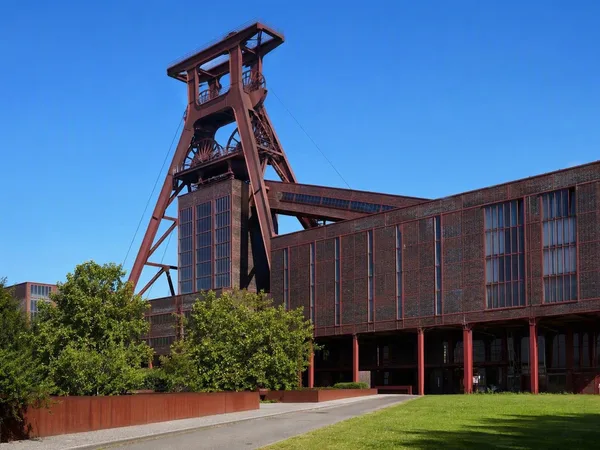
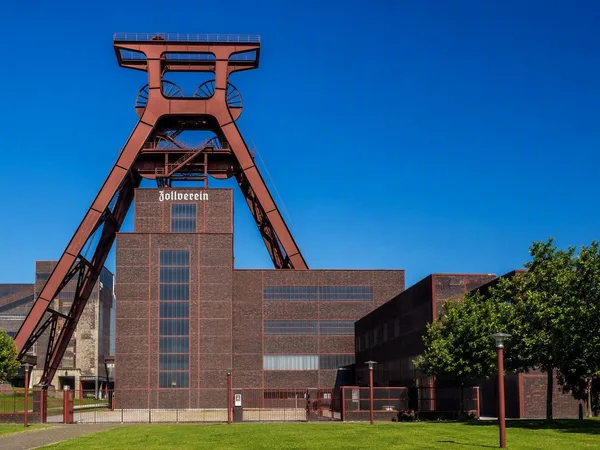
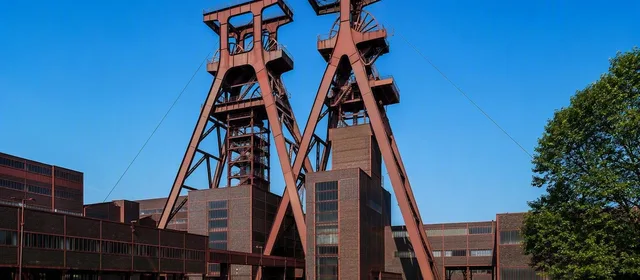
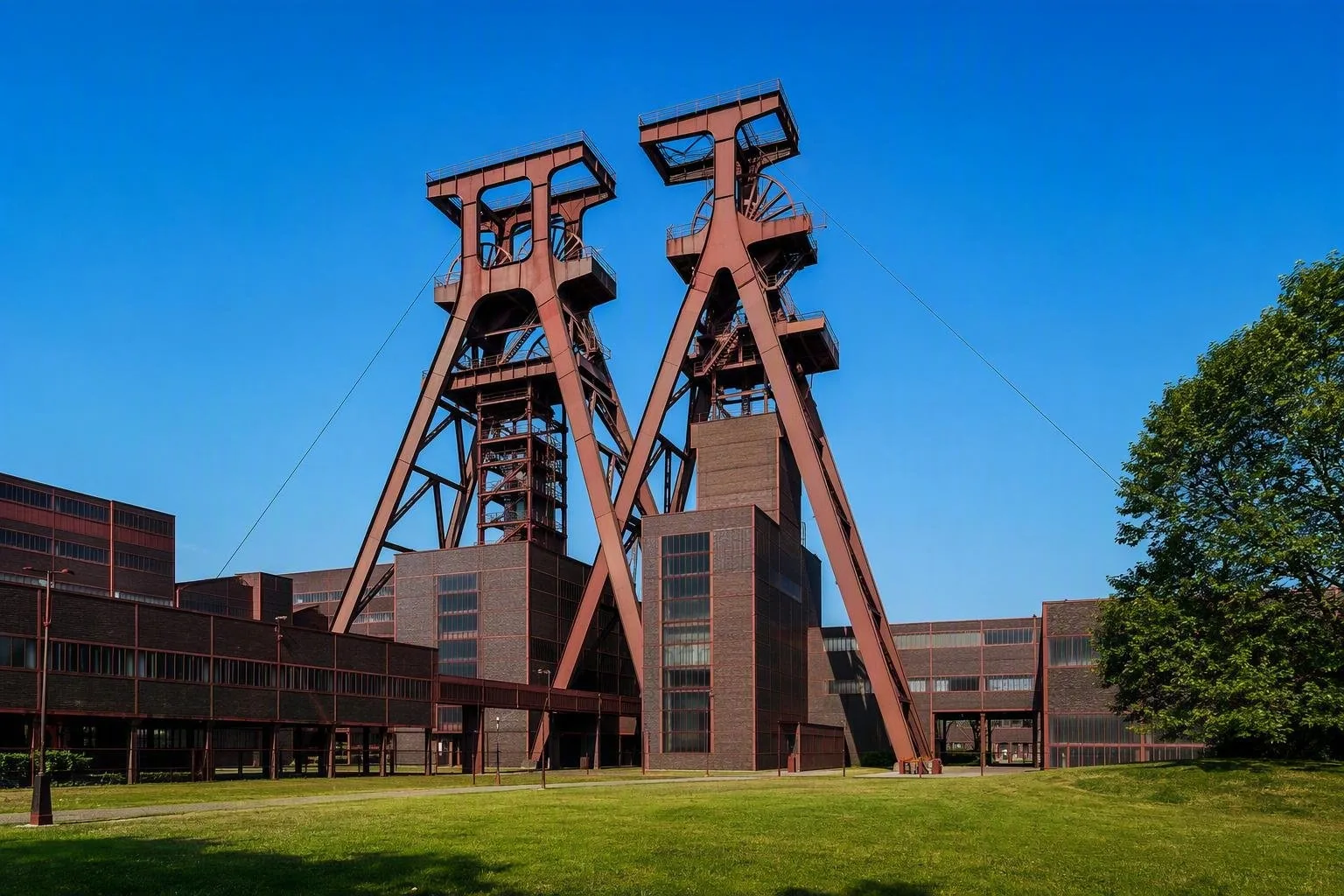
UNESCO-listed Zollverein is Essen’s essential industrial site. Coal was extracted here from 1851 until 1986; the mine and adjoining coking plant now form a 100-hectare complex of brick, steel, museums and outdoor routes. The steel double headframe of Shaft XII is the city’s most recognisable industrial structure.
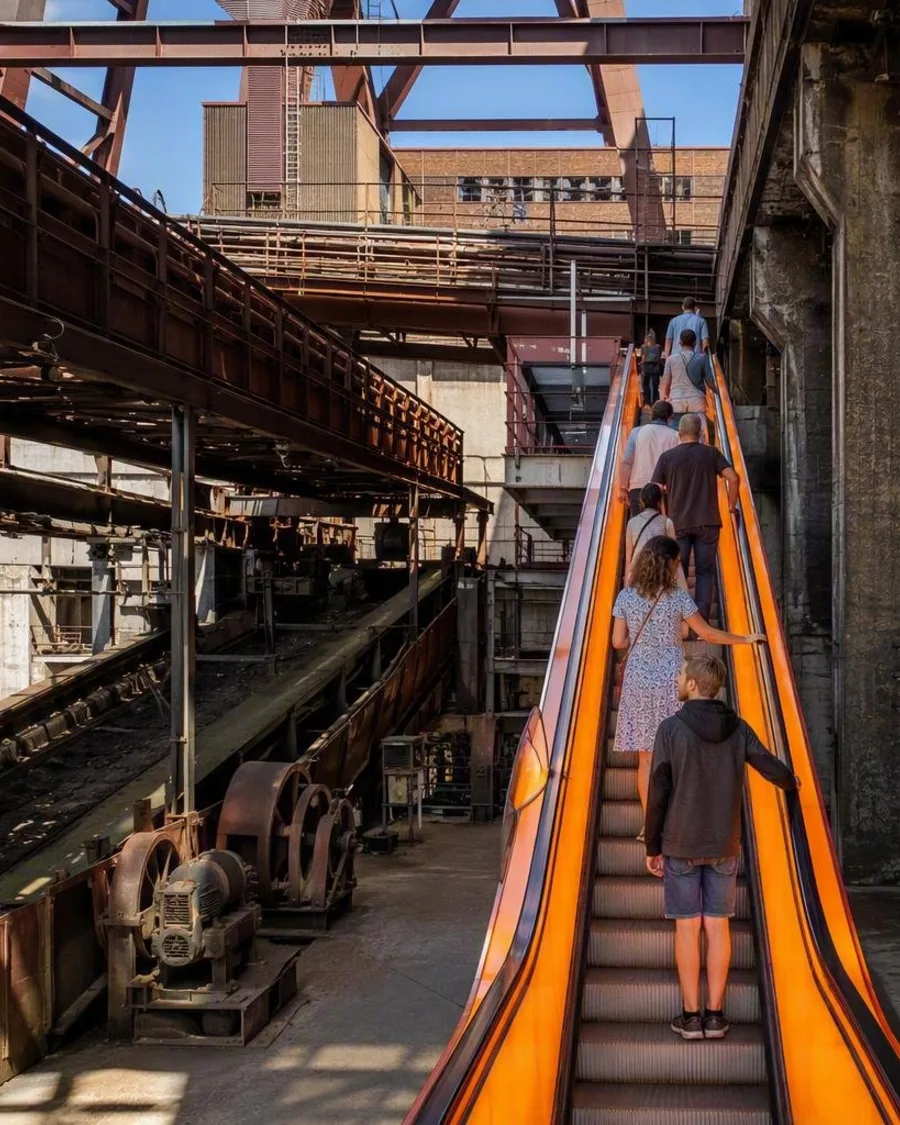
Allow time for the scale: the colliery and coking plant are separate zones. The Ruhr Museum occupies the former coal-washing plant and covers the Ruhr region’s natural and cultural history. The Red Dot Design Museum is in the former boiler house. Original machinery and buildings make a guided industrial tour more useful than a quick exterior stop.
- Orientation: collect a free site map at the visitor centre in the coal-washing plant.
- Access: the outdoor grounds are freely accessible; museums, tours and seasonal activities have separate admission and hours.
- Getting there: tram 107 stops at Zollverein; bus 183 serves the coal-washing plant and coking plant.
Art, faith and the Krupp story
Museum Folkwang is the main art stop, with collections spanning nineteenth-century, modern and contemporary art, photography and posters. Pair it with Rüttenscheider Straße, the lively local high street nearby.
In the centre, Essen Cathedral and its treasury preserve the city’s pre-industrial core. The Golden Madonna, over a thousand years old, is the key object. For the other side of Essen’s industrial history, visit Villa Hügel above the Ruhr valley: the former Krupp family residence is set in Hügelpark and connects the family’s private world with the steelworks that shaped the city.
Green south and practical pacing
Essen has a markedly greener southern half. Lake Baldeney is a seven-kilometre reservoir on the Ruhr, suited to a waterside walk or cycle ride; it combines well with Villa Hügel. Grugapark is another substantial green stop closer to the centre.
Use public transport for cross-city moves and reserve walking for individual districts. Build a full day around Zollverein, then give the centre, Folkwang or the Ruhr valley their own half-day rather than treating them as add-ons.
From the magazine
Stories about Essen
Editorial stories linked directly to Essen.
Routes from our editors
Travel through Essen
Editorial routes connecting Essen with other countries, cities and hotspots.
No routes through Essen have been published yet.
More in Germany
Related hotspots
Other cities, nature areas and places within Germany.